Support

Forres

Attractions

About

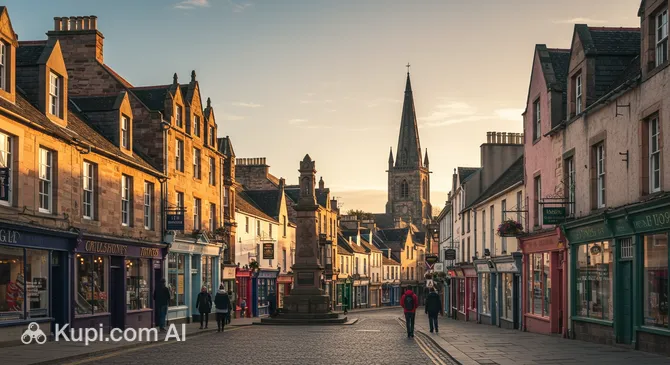
Forres is a picturesque and cozy town located in the north of Scotland in the Moray council area. It is famous for its magnificent floral displays, historic architecture, and a special atmosphere that combines provincial tranquility with the majesty of ancient legends. Travelers often remark on the well-kept streets and the friendliness of the locals.

Geographically, the town is situated near the coast of the Moray Firth, in one of the most scenic parts of the United Kingdom. The climate here is relatively mild and dry compared to other regions of Scotland, which favors the lush blooming of its gardens. The population of Forres is approximately 10,100 people, which helps maintain a sense of intimacy and an absence of urban bustle.

Forres. Illustration.
Source: Kupi.com AI

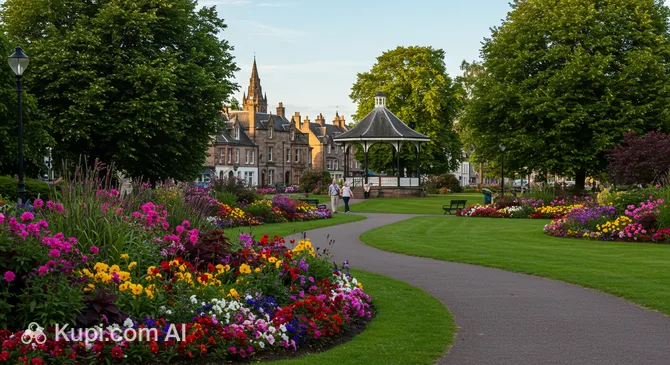
The rich history of Forres is rooted in deep antiquity and has even found reflection in world literature—the town is mentioned in William Shakespeare's tragedy "Macbeth." One of the main attractions is the famous Sueno's Stone—the tallest and most intricately decorated Pictish stone in Scotland that has survived to this day. Nature lovers should definitely visit Grant Park, thanks to which Forres has repeatedly won prestigious awards in the "Britain in Bloom" competitions.

This charming corner is a wonderful choice for a stop during a journey through the Highlands. Forres offers an ideal combination of cultural heritage and natural beauty, inviting guests to enjoy leisurely walks and unique Scottish flavor.

Weather Overview

The climate in this corner of Scotland is of a temperate maritime type, and thanks to its favorable location, it is often drier and warmer here than in other parts of the Highlands. Nevertheless, the weather in Forres remains changeable, so layered clothing will be the best choice for a tourist in any season.

Summer here is mild and comfortable for long walks: in July and August, the air warms up to an average of 14°C, with maximum temperatures reaching 17°C. Winters are cool but generally without severe frosts; in January and February, night temperatures rarely drop below 2°C, while daytime temperatures stay around 4–6°C.

Expect a moderately warm summer with occasional rain and cool winters with high humidity. October is considered the "wettest" month, when it can rain for up to 20 days, while April is usually the driest, offering travelers about 13 rainy days and a pleasant spring freshness.

Average monthly temperature

Average monthly precipitation

Interesting Facts

In addition to its main attractions, Forres holds many fascinating secrets and legends revealed only to the most curious travelers. This town will surprise you not only with its beauty but also with mystical stories hidden behind the facades of old buildings.

Grant Park. Illustration.
Source: Kupi.com AI

Traveler photos:

  • The Witches' Stone and the Curse. Near the Tolbooth building, you can spot an unusual stone on the pavement known as the "Witches' Stone." Legend has it that it marks the spot where those accused of witchcraft were executed in the old days. Local lore suggests this stone must never be broken or moved, lest terrible misfortunes befall the culprit and the entire town.

  • Champion Among Flowers. Forres is incredibly proud of its horticultural achievements. The town has repeatedly won the prestigious "Scotland in Bloom" and "Britain in Bloom" competitions. The main stage for floral art is Grant Park, where you can see unique 3D living sculptures created by local craftsmen.

  • Nelson's Tower. Standing atop Cluny Hill is an octagonal tower built in 1806 in honor of Admiral Nelson. Interestingly, this monument was erected with funds raised by the local Trafalgar Club, long before the famous Nelson's Column graced London.

  • The Shakespeare Connection. The outskirts of the town are considered the setting for the famous meeting of the witches with Macbeth in William Shakespeare's play of the same name. Although the exact location of the "blasted heath" remains a subject of debate, local folklore firmly links these dark events to the lands around Forres.

How to Get There

When planning a trip to this picturesque corner of Scotland, it is worth considering your route in advance. The town is conveniently located relative to the region's major transport hubs. As this is the United Kingdom, the transport infrastructure here is highly developed. You can find out more about how to get to Forres by considering various options, but tourists most often choose a combination of air travel and ground transport.

The most convenient option for arrival is Inverness Airport (IATA: INV). This is the nearest air gateway, located just 26.7 km from the town. The airport receives flights from London, Amsterdam, and other cities. The journey from here to your destination by taxi or rental car will take less than an hour.

Another popular option is Aberdeen International (IATA: ABZ). This is a larger transport hub located approximately 96.8 km from Forres. It receives more flights from various European countries. The journey from Aberdeen will take longer—roughly 2–2.5 hours—but will allow you to enjoy views of the Scottish countryside along the way.

Below is a summary of the nearest airports:

AirportPassenger trafficDistance
Inverness Airport805 94627 km
Aberdeen International Airport2.3 mln97 km
Wick Airport11 224100 km
Dundee Airport41 127134 km
Kirkwall Airport143 093156 km

If you prefer rail transport, the region is perfectly integrated into the national network. It is important to note that Forres has its own railway station, located near the town center. This makes the trip very convenient: you don't necessarily need to find a taxi from neighboring large cities. Most often, the route involves arriving at one of the major hub stations (for example, in Inverness or Aberdeen) with a subsequent short transfer to a train going directly to Forres station.

The nearest major transfer hub is the ScotRail station in the city of Inverness (about 27 km). Long-distance trains arrive here, and there are regular departures towards Forres (travel time is about 25–30 minutes). You can also travel via Dundee Railway Station or Aberdeen if you are coming from the south or east of the country.

Below is information on the region's major railway stations that are convenient for building a route:

StationPassenger trafficDistance
ScotRailway Station1.2 mln27 km
Dundee Railway Station1.7 mln134 km
Waverley Railway Station23.1 mln186 km
Aberdeen Railway Station2.3 mln196 km
Glasgow Central Station25.0 mln199 km

Main Attractions

Despite its modest size, Forres is rich in attractions capable of surprising even the most seasoned traveler. Here, ancient history, landscape gardening, and the gastronomic traditions of the Moray region are harmoniously intertwined.

One of the town's calling cards is the magnificent Grant Park. It is not just a green area for walks, but a true masterpiece of landscape design, thanks to which Forres has repeatedly received awards in floral competitions. Local events are often held here, including the famous Highland Games, and on ordinary days, visitors can enjoy the peaceful views of the gardens and unique living plant sculptures.

History buffs should definitely see Sueno's Stone. This majestic Pictish monument, standing over six meters tall, is considered the most complex and well-preserved early medieval carved stone in Scotland. It is housed under a protective glass pavilion on the eastern edge of the town and captures the imagination with the detail of its carvings, depicting battle scenes and religious symbols.

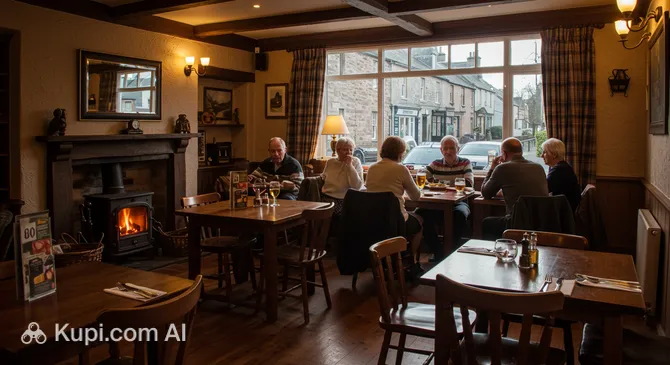
Mosset Tavern. Illustration.
Source: Kupi.com AI

Traveler photos:

To get a taste of local life, stop by a place like the Mosset Tavern. This establishment, located in a scenic spot, offers guests not only the cozy atmosphere of a traditional pub but also excellent cuisine. Here, you can try hearty dishes made from fresh Scottish products and relax in a calm setting after a busy day of sightseeing.

Additionally, it's impossible to imagine the Speyside region without whisky production, and Forres is no exception. Tourists should visit the Benromach Distillery. It is one of the smallest working distilleries in the area, where traditions of handcrafted production are carefully preserved. A tour here will allow you to learn the secrets of creating the "water of life" and taste the famous single malt with its light smoky notes.

Local Cuisine

The gastronomic scene of Forres reflects the rich traditions of the Moray region, often called "Scotland's Larder." Thanks to its proximity to the coast and fertile lands, the local cuisine delights with its freshness and the natural taste of its products. Travelers should definitely try the famous Cullen Skink. This is a thick and hearty soup made of smoked haddock, potatoes, onions, and milk, which is perfect for warming up in cool Scottish weather.

A visit to this region is incomplete without tasting a national symbol—haggis. Local establishments serve it in the classic style with mashed swede and potatoes ("neeps and tatties"), as well as in modern appetizer forms, such as bon-bons. Forres is also famous for its baking: be sure to visit local bakeries for a traditional Scotch pie or buttery shortbread, which literally melts in your mouth here.

As for drinks, the town is in the heart of the Speyside region, world-renowned for its whisky. In any bar, you will be offered an extensive menu of single malts produced at neighboring distilleries. Among non-alcoholic drinks, locals prefer "Irn-Bru"—a bright orange soda considered Scotland's second national drink.

The food culture in the town is characterized by its democratic and cozy feel. There aren't many pretentious restaurants, but gastropubs and family cafes thrive, where both tourists and locals love to gather. A great place to get acquainted with local cuisine is the Mosset Tavern. At this establishment, you can enjoy a hearty lunch in a relaxed atmosphere, appreciating the quality of local steaks or fresh fish dishes.

Travel Tips

A trip to Forres promises to be peaceful and inspiring, but even in such a cozy town, it's worth knowing a few nuances. To ensure your holiday in the heart of Moray goes perfectly, we have gathered the most relevant recommendations to help you feel right at home.

  1. Clothing and Gear. The weather in this region changes rapidly. Even if the sun is shining in the morning, it may start raining by lunchtime. The main principle is layering. Be sure to bring a waterproof windbreaker with a hood and comfortable, broken-in shoes suitable for walking on cobblestones and park paths. Umbrellas are often useless here due to gusty winds.
  2. Transport. Forres is a compact town, and its historic center is best explored on foot. For longer distances (for example, to the coast or distilleries), it's most convenient to rent a car. If you rely on public transport, download the Stagecoach Bus app for tracking buses and ScotRail for trains—they will help plan trips to Inverness or Elgin without surprises.
  3. Finance. The official currency is the Pound Sterling (£). Note that Scotland uses its own banknote designs, which are equivalent to English ones but may cause questions if you try to pay with them in London upon your return. Cards are accepted almost everywhere, but for small souvenir shops or bus fares, it's better to have some cash (small bills and coins).
  4. Health and Safety. Forres is a safe and quiet place. The emergency number for police or ambulance is 999; for non-urgent medical questions, it's 111. Pharmacies are located in the center, but note their working hours: there are no 24-hour pharmacies in town, so it's best to bring necessary medications with you.
  5. Connectivity and Communication. The primary language is English, but be prepared for a specific Scottish accent, which can be difficult to perceive at first if you're not used to it. Free Wi-Fi is available at the library, most cafes, and hotels. For mobile connectivity, O2 and EE networks have the best coverage.
  6. Local Etiquette. Scots value politeness highly. It is customary to say hello when entering a shop or a bus. In pubs, there is no table service in the traditional sense: ordering food and drinks is usually done at the bar counter. Also, the order of queues (at bus stops or checkouts) is strictly observed—attempting to cut ahead will be viewed very negatively.
  7. What to Avoid. The golden rule: never call the locals "English" and do not say that you are in England. Scots are very proud of their national identity, and such a mistake could seriously offend your interlocutor. Also, do not joke about traditional clothing (kilts)—for locals, this is an important cultural symbol, not a carnival costume.
  8. Opening Hours. Life in provincial Scotland winds down early. Most shops close as early as 5:00 PM – 5:30 PM. On Sundays, many establishments may work on a reduced schedule or be closed altogether, so plan your shopping and dinners in advance.

We hope these tips help you plan the perfect trip. Forres is open to guests and ready to give you warm memories and true Scottish comfort, despite the cool northern wind!

Entertainment & Nightlife

Entertainment and nightlife in Forres have a unique, understated character typical of small Scottish towns. Here, you won't find the noisy night clubs of a metropolis with neon signs open until morning. Instead, evening leisure is centered around comfort, socializing, and traditional drinking culture. The epicenter of evening life is High Street and its adjacent lanes, where the town's main pubs and bars are located.

The main format of relaxation here is "pub crawling" in miniature or long sessions in a favorite establishment. Locals visit bars not so much for the alcohol as for socializing, discussing news, and enjoying the "craic" (a Gaelic word denoting fun and good conversation). One of the most famous places for an excellent evening out is the Mosset Tavern. This venue is renowned for its hospitality, wide selection of local ales and whiskies, as well as regular music nights where you can hear live Scottish music.

The atmosphere in Forres establishments is exceptionally democratic and friendly. There is practically no dress code: a casual style (jeans and a sweater) is appropriate everywhere. The crowd is diverse—from young people to elderly gentlemen in tweed jackets. It is worth noting that nightlife here winds down quite early. Most pubs stop serving drinks around 11:00 PM or midnight, and may close even earlier on Sundays.

During the summer period, Grant Park becomes the center of attraction for outdoor entertainment. While it's not a night club, this is where large-scale town events, concerts, and festivals are held, which often stretch late into the evening, especially during the famous Highland Games. On normal days, the park is perfect for quiet evening walks before dinner.

Practical tips for tourists:

  • Transport: Public transport practically doesn't run at night. If you stay late at a pub, plan for a taxi. Note: it's better to book cars in advance by phone, as catching one on the street in Forres at night is almost impossible.
  • Safety: The town is considered very safe. Walking through the center after dark poses no threats, though as with anywhere, it's best to stick to well-lit streets.
  • Prices: The cost of a pint of beer or a dram of whisky is lower here than in Edinburgh or Glasgow, making an evening out very affordable.

By day, Forres offers more tranquil forms of leisure. History lovers can visit local museums detailing the Pictish heritage or embark on an excursion to places associated with Shakespeare's Macbeth. Golf clubs and walking routes through the picturesque surroundings are also popular, allowing you to enjoy the nature of the Moray region before diving into the cozy atmosphere of the evening town.

Parks & Museums

While Forres is already known for its floral achievements, its natural potential extends beyond flower beds. If you want to trade manicured alleys for wilder nature, take a walk along the wooded slopes of Cluny Hill. These trails, starting right from the edge of the popular Grant Park, lead through ancient trees and offer excellent hiking routes where you can enjoy peace and fresh air away from the urban bustle.

For those interested in the history of the "water of life," the Dallas Dhu Historic Distillery will be a true discovery. Unlike working production sites, this place functions as an open-air museum. Here, time seems to have stopped in 1983: you can freely wander through the production halls, examine old copper stills and maltings, and learn about the technologies of the past without the noise of modern factory equipment. This is a unique chance to see the "backstage" of Scottish whisky in an atmosphere of complete tranquility.

Lovers of historic architecture and ancestral seats should drive just a few miles from town to visit Brodie Castle. This is the ancestral home of the Clan Brodie, filled with antiques, paintings, and a unique library. The castle is especially beautiful in spring when the famous national collection of daffodils blooms around it, turning the grounds into a yellow sea. A walk through the extensive estate with its pond and garden will be a wonderful addition to your visit.

In the very center of town, the Falconer Museum building catches the eye. This Victorian mansion with interesting architecture was built in honor of Hugh Falconer, an eminent scientist and Forres native. Note that the museum may currently be closed to visitors or undergoing reorganization, so it's worth checking its current status before planning an indoor visit. However, even an external view of this historic building provides aesthetic pleasure.

If you are looking for a place for meditative relaxation by the water, head to Sanquhar Loch on the southern edge of town. This is a hidden gem of Forres, surrounded by forest, where you can watch swans and simply rest your soul. Locals value this spot for its seclusion and the picturesque views that unfold here in any season.

Getting Around

The transport system of Forres, as befits a small Scottish town, is compact and not overloaded with complex schemes. There is no metro, trams, or trolleybuses. The town is so cozy that the most convenient and pleasant way to move around its historic center is on foot. Most attractions, shops, and cafes are within walking distance of each other, allowing tourists to enjoy the architecture without needing transport for short trips.

The main means of transport for connecting with the surroundings and neighboring towns is buses. The main operator in the region is Stagecoach. The bus network links Forres with major hubs such as Inverness, Elgin, and Aberdeen (popular routes No. 10 and No. 11). Stops are located on the High Street and are clearly marked. Buses are modern, comfortable, and often equipped with free Wi-Fi and USB ports for charging gadgets, making the trip quite pleasant.

Another important artery is the railway. Forres Railway Station, renovated and modern, is just a few minutes' walk from the center. Trains operated by ScotRail depart regularly from here. This is the fastest way to get to Inverness (about 25 minutes) or head east towards Aberdeen. Trains are an excellent choice for day trips, as they are not subject to traffic jams and allow you to enjoy scenic views from the window.

The fare payment system here is modern and convenient for tourists. On buses, tickets are purchased directly from the driver upon boarding. The easiest way is to use a contactless bank card (Visa, Mastercard) or a smartphone with Apple Pay/Google Pay. Cash is also accepted, but drivers prefer the exact amount. Fares depend on the distance (usually from £3 to £10 for an intercity trip). For trains, tickets can be bought at station machines, at the ticket office, or in advance via the ScotRail app, saving an mTicket on your phone.

If you plan to move around the region a lot, it is worth considering travel passes. The bus operator has DayRider tickets, allowing unlimited travel within a day in a certain zone (for example, the Moray zone). This saves a significant amount compared to buying single tickets.

As an alternative to public transport, you can use a taxi. However, consider the local specifics: popular apps like Uber basically do not work here. Taxis are served by local private companies (for example, Mundy Taxis or Spot Taxis), and it is better to book a car in advance by phone, especially in the evening or on weekends. Catching a car just by raising your hand on the street can be problematic.

For those wanting to explore the famous "Whisky Trail" or remote natural corners, the best solution is car rental. Rental points are available in the town itself, but the choice of cars there may be limited, so tourists often rent a car immediately upon arrival at the airport. In good weather, cycling is also popular—the terrain is moderate, and road traffic is calm.

An important tip for travelers: always check transport schedules in advance, especially if planning a trip on a Sunday. On weekends and public holidays, the frequency of buses and trains significantly decreases, and some early or late services may be canceled. For route planning, it is recommended to use official carrier apps or Google Maps, which show current arrival times.
Accommodation

Accommodation in Forres is primarily about coziness, intimacy, and traditional Scottish hospitality. Since it is a small town, you won't find massive chain skyscrapers or luxury five-star resorts from global brands here. The bulk of the accommodation consists of charming family-run hotels, classic Bed & Breakfast (B&B) establishments, and guest houses located in historic stone buildings.

For those who value independence, a wide selection of apartments and holiday cottages is available in and around Forres. This is an excellent option for families or groups traveling by car. Camping and glamping on the outskirts are also gaining popularity, allowing you to live closer to the nature of the Moray region without sacrificing basic comfort.

In terms of location, the most convenient area for tourists is staying near High Street. By staying here, you will be within walking distance of shops, cafes, and bus stops. If you are looking for peace and scenic views, it's worth considering accommodation near the parks or on the western edge of town, from where it is easy to reach the River Findhorn. Thanks to the town's compactness, even living on the outskirts, you can reach the center in 15–20 minutes.

Booking Tip: Forres is a popular stop for those traveling the Highlands and the "Whisky Trail," especially in the summer season (June to August) and during local festivals. Space in small hotels is limited, so it is highly recommended to book accommodation 2–3 months before your trip. Trying to find a place to stay on the day of arrival during peak season may result in disappointment.

The price range in the town can be described as mid-range. It is quite possible to find budget rooms in guest houses, but there are also more expensive boutique hotels with historical charm. Booking is available through popular international online aggregators, but many small B&Bs prefer direct booking via their websites or by phone, sometimes offering better terms or a complimentary breakfast.

Nearby Cities

For those wishing to explore the surroundings, Forres serves as an excellent starting point for day trips to several interesting nearby locations:

Just 19 km to the east is historic Elgin. This city is often called the administrative and commercial hub of Moray. The main attraction for tourists here is the majestic ruins of Elgin Cathedral, which in the Middle Ages bore the poetic name "Lantern of the North." Additionally, the city is famous for its textile history: it is home to the world-renowned Johnstons of Elgin mill, where high-quality cashmere and tweed are produced.

Heading west, in less than an hour's drive (about 39 km), you will find yourself in Inverness—the unofficial capital of the Scottish Highlands. It is a vibrant city where modern life bustles at the foot of a beautiful castle on the banks of the River Ness. Inverness offers excellent shopping and dining opportunities, and also serves as the main gateway to the legendary Loch Ness, which is just a stone's throw away.

For those ready for a longer trip, an interesting destination is Aberdeen, located about 105 km away. It is often called the "Granite City" due to its unique architecture: on sunny days, the gray granite buildings literally sparkle. Aberdeen combines a rich maritime history, beautiful sandy beaches, and a vibrant cultural life with many museums and galleries.

CityPopulationDistance
Nairn9 96015 km
Elgin23 12819 km
Lossiemouth8 00024 km
Dornoch1 20039 km
Inverness47 29039 km

These nearby destinations provide insight into the diverse culture and landscapes of the region, from maritime ports to Highland capitals.

Shopping & Souvenirs

Shopping in Forres is a calm and atmospheric activity that is fundamentally different from the bustle of large shopping metropolises. Here, you won't find giant malls or endless rows of international chain brands. Instead, the town offers a cozy shopping experience in independent shops where owners often know their customers by name. Forres is famous for supporting local producers, so the main focus here is on quality food products, handicrafts, and home goods.

The center of commercial life is High Street. This main street, decorated with floral displays, concentrates most of the town's shops. Strolling along the historic stone buildings, tourists can pop into family bakeries, butcher shops, cozy bookstores, and boutiques with clothing and gifts. This is where you can feel the true spirit of the Scottish provinces while combining shopping with architectural sightseeing.

Since Forres is a small town, there are no large shopping centers in the conventional sense. For large-scale shopping, locals usually head to neighboring larger cities. However, for everyday needs and a comfortable stay, there are supermarkets from well-known British chains (such as Tesco and Co-op) where you can buy everything necessary, from food to basic travel supplies.

Special attention should be paid to local markets and gastronomic shops. The Moray region is called "Scotland's Larder," so farm products are highly valued here. Fairs are periodically held in the town where you can purchase fresh cheeses, homemade jams, honey, and seasonal vegetables. This is a great opportunity not only to buy tasty souvenirs but also to chat with the locals.

If you are looking for something to bring home as a memory, look for these categories of goods:

  • Whisky: Forres is located in the heart of the Speyside region, so a bottle of single malt whisky makes the best gift. In local specialized shops, the selection is often more interesting and diverse than in duty-free.
  • Shortbread: The town is famous for its baking traditions. Local shortbread is considered among the best in the United Kingdom, and it is often sold in beautiful gift tins.
  • Woolen Goods: Scarves, blankets, or hats made of Scottish wool, especially with traditional tartan patterns, will keep you warm at home and remind you of your trip.
  • Handicrafts: In the small galleries on High Street, you can find unique ceramics, jewelry, and paintings by local artists.

Most shops in Forres are open from Monday to Saturday, usually from 09:00 to 17:00 or 17:30. It is worth considering that life in small Scottish towns winds down early, and there are almost no 24-hour shops. On Sundays, many private shops are closed, and large supermarkets work on a reduced schedule. The primary payment method is bank cards (Visa, Mastercard), and contactless mobile payments are accepted everywhere, even in small cafes. Cash might only be needed for very small purchases at a market.

Regarding the Tax Free system, tourists should be aware of the current rules. Following legislative changes, the traditional VAT refund scheme for goods exported in personal luggage for visitors to the UK has been abolished. Currently, tax-free purchases are only possible if the goods are sent directly by the seller to your home address abroad, which is not always convenient for the average tourist.

Reached the end of the page?

That means the route is fully explored