Support

Glasgow Botanic Gardens

About

The Glasgow Botanic Gardens are one of the city's premier natural and cultural attractions, located in its West End. This picturesque green oasis in the United Kingdom serves as a popular spot for walks and relaxation, where visitors can discover an amazing variety of flora from around the world. The gardens were founded back in 1817 and have expanded significantly since then.
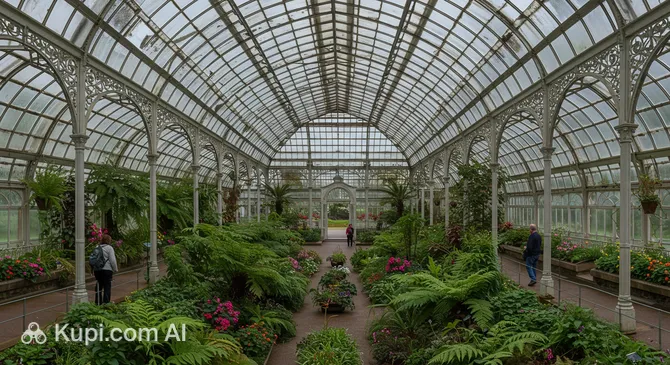
Glasgow Botanic Gardens. Illustration.
Source: Kupi.com AI

Traveler photos:

The crown jewel of the gardens is undoubtedly the Kibble Palace—a magnificent Victorian glass and wrought-iron conservatory built in 1873. Originally used as a concert and exhibition hall, it eventually became a home for a unique collection of plants. Today, it houses the national collection of tree ferns, some of which have been growing here since the 1880s, as well as marble statues. Inside this impressive structure, covering more than 2,000 square meters, a tropical forest atmosphere prevails.

In addition to the Kibble Palace, the extensive grounds feature other greenhouses, themed zones, and well-maintained paths. Visitors can admire the national collections of begonias and orchids, stroll through the herb garden, or simply relax on the lawn by the River Kelvin. The Glasgow Botanic Gardens are not just a park but an important scientific and educational center that will interest both specialists and tourists looking to enjoy the beauty of nature at any time of year.

Contacts

To plan your visit to the Glasgow Botanic Gardens and check current opening hours or upcoming events, it is recommended to contact them directly using the official contact details. All necessary contact information is provided below.

How to contactContact
Address730 Great Western Rd, Glasgow G12 0UE, UK
Phone number+44 141 276 1614
Websitewww.glasgowbotanicgardens.com

What to Do

Visitors to the Glasgow Botanic Gardens can expect a wealth of pleasant experiences and activities. You can take a leisurely stroll along the scenic paths, enjoying a variety of plants and flowers from across the globe. The main highlight is the famous Victorian Kibble Palace conservatory, where you can immerse yourself in a tropical atmosphere and see rare subtropical plants, including the national collection of tree ferns.

For those with a deeper interest in botany, the gardens offer unique collections of orchids, begonias, and carnivorous plants. It is also an excellent destination for family leisure and educational walks. Regular exhibitions, tours, and events are held for both adults and children, making every visit informative and engaging. During the summer months, the grounds often host cultural events, concerts, and art exhibitions, filling the air with a creative atmosphere.

After a long walk through the gardens, you can relax in one of the many cozy corners on the benches or visit the local café for a snack and to share your impressions. The picturesque landscapes along the River Kelvin provide the perfect backdrop for photos and quiet contemplation of nature.

Getting There

The Glasgow Botanic Gardens are conveniently located in the city's West End, a vibrant district that makes the gardens easily accessible for visitors. One of the simplest ways to get here is by public transport. The nearest subway station, Hillhead, is just a few minutes' walk from the main entrance. Additionally, numerous buses stop near the park, connecting the site with Glasgow city center and other neighborhoods, ensuring a quick journey.

If you are traveling by train, the closest railway stations are Partick and Hyndland. The Botanic Gardens are approximately a 25-minute walk from both stations. This walk can be a pleasant part of your visit, as the route takes you through the picturesque streets of the West End.

For those traveling by car, please note that there is no on-site parking at the gardens. However, you can find parking on nearby streets, such as Queen Margaret Drive. Finding a space can be challenging during peak hours and weekends, so it is advisable to arrive early or book parking in advance. Walking enthusiasts can reach the gardens from the city center in about 30–40 minutes, enjoying the sights of one of Glasgow's most beautiful areas along the way.

Nearest city: Glasgow

History & Facts

The history of the Glasgow Botanic Gardens dates back to 1817, when they were founded by the prominent local botanist Thomas Hopkirk. The initiative was supported by city patrons and the University of Glasgow, ensuring that from its inception, the garden served not only as a place of leisure for citizens but also as an important educational base for medical and botany students. Initially, the garden was located in the Sandyford area, with its first collection consisting of three thousand plants donated by Hopkirk himself.

As its popularity grew and the collection expanded, the garden required more space, and in 1842, it was moved to its current location on the banks of the River Kelvin. This move allowed for a significant expansion of the grounds and a more diverse range of flora. One of the most iconic events in the garden's history was the 1873 installation of the Kibble Palace—a grand Victorian conservatory made of glass and wrought iron. Interestingly, this structure was originally a private conservatory that was dismantled, transported by water, and reassembled on the garden grounds. Initially, the palace was used as a concert hall and a venue for public events, hosting famous figures such as Gladstone and Disraeli.

The garden's scientific importance grew thanks to the work of distinguished botanists. A key role in its development was played by Sir William Jackson Hooker, who oversaw the garden for 20 years before becoming the director of the Royal Botanic Gardens, Kew. The famous "plant hunter" David Douglas also began his career here; on Hooker's recommendation, he embarked on an expedition to North America, bringing back seeds of the fir tree named in his honor. Thanks to such contributions, the Glasgow Botanic Gardens evolved from a modest project into one of the leading botanical centers in the United Kingdom.

Time Needed

When planning a visit to the Glasgow Botanic Gardens, you should allow for two to three hours. This time is sufficient for a leisurely stroll through the main paths, exploring the primary glasshouses, and, of course, visiting the famous Kibble Palace, which houses the national collection of tree ferns. In a couple of hours, you will be able to form a general impression of the beauty and diversity of this green sanctuary.

If you wish to dive deeper into the world of flora and explore every corner of the gardens without rushing, it is better to set aside half a day. This will give you the chance to see not only the main greenhouses but also other pavilions featuring collections of orchids and begonias. Additionally, you can walk along themed routes, such as the Heritage Trail or the Minibeast Trail for children, and head down to the scenic banks of the River Kelvin. In the warmer months, the gardens become an ideal spot for a picnic, which could further extend your stay.

Working Hours

The Glasgow Botanic Gardens are happy to welcome visitors year-round, and entry to both the grounds and the glasshouses is free, so no advance booking is required for a standard visit. The gardens themselves are open for walks daily from 7:00 am until dusk, allowing guests to enjoy their beauty at their convenience.

As for the famous glasshouses, including the magnificent Kibble Palace, their opening hours vary by season. During the summer period, they are open to the public from 10:00 am to 6:00 pm, and in winter from 10:00 am to 4:00 pm. As exact hours may change, it is highly recommended to check the official Glasgow Botanic Gardens website before planning your visit to confirm current information and ensure you don't miss the chance to see the unique plant collections.

Nearby

A visit to the Glasgow Botanic Gardens is a wonderful opportunity to explore not only the world of flora but also the rich cultural heritage of the West End. A stroll through the surrounding area will allow you to discover many other interesting sites within walking distance, making your day even more fulfilling and memorable.

The area surrounding the gardens is famous for its museums, galleries, and parks, which harmoniously complement the experience of your visit. Iconic Glasgow landmarks are just a few minutes' walk away, making it easy to combine several cultural visits into a single day. Below is a list of nearby points of interest along with their distance from the Botanic Gardens.

NameDistance
Hunterian Art Gallery0.8 km
Hunterian Museum0.9 km
Kelvin Hall1.2 km
Kelvingrove Art Gallery and Museum1.2 km
Riverside Museum1.9 km
The Tenement House1.9 km
Golf Fang Glasgow2.4 km

Have you reached the end of the page?

So the route has been studied inside and out