Support

Lancaster

About

Lancaster is a true English gem located in the northwest of the United Kingdom and is the county town of the historic county of Lancashire. It is nestled at the mouth of the River Lune, just ten kilometers from the coast of the Irish Sea, which gives it fresh sea air, picturesque views, and a unique combination of urban atmosphere and natural beauty. Here, it is easy to feel the breath of history while simultaneously enjoying the tranquility of the British countryside.
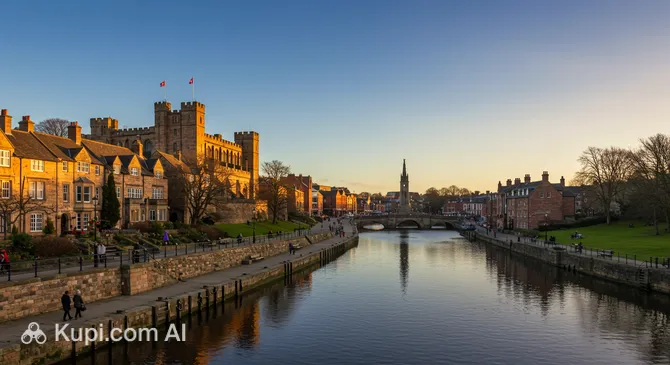
Lancaster. Illustration.
Source: Kupi.com AI

With a population of around 52,000 people, Lancaster is a compact city but one very rich in events and attractions. It plays an important administrative role in the region and is well-known as a university center: it is home to one of the best universities in the country, giving the city a youthful and intellectual drive. Lancaster enjoys a wonderful atmosphere of comfort, leisure, and friendliness.

Lancaster charms with its architecture: narrow streets, ancient buildings, and, of course, the majestic Lancaster Castle, which is visible from almost anywhere in the city and holds many legends. The city is perfect for leisurely walks along the canal embankment, through picturesque parks, or the historic center. Tourists come here for authentic English flavor, a soulful atmosphere, and a rich cultural life.

Lancaster is worth visiting for those looking not only for famous landmarks but also for an authentic experience: walking through the castle with its dark legends, visiting local pubs, making gastronomic discoveries, and, of course, getting acquainted with the living history of the region. It is a city where the past and present weave into a single, very attractive pattern for travelers. Discover Lancaster — a city with a rich history and unique charm!

More interesting facts can be found on the page about Lancaster's history
Weather Overview

Lancaster has a temperate maritime climate. Expect mild summers, with average temperatures ranging around 13-15°C (peaking at 17-18°C), with occasional but usually not too heavy rain. Winters here are cool and damp, with average temperatures around 4-6°C. Although the monthly rainfall amount is not huge (averaging 3-6 mm), there are quite many rainy days throughout the year, especially from autumn to early spring, when they can reach 17-21 per month. For more detailed information, please check the page on weather in Lancaster.

Average monthly temperature

Average monthly precipitation

Interesting Facts

Beyond its well-known historic landmarks, Lancaster holds many surprising stories and little-known details that make it truly unique. Ready to learn a few of them?

Lune Aqueduct. Illustration.
Source: Kupi.com AI

Traveler photos:

  • Birthplace of the word "dinosaur": Few people know that Sir Richard Owen, the eminent naturalist who coined the term "dinosaur" in 1842, was born in Lancaster. This fact links the city to one of the most exciting discoveries in paleontology.

  • A castle with a dark past: The majestic Lancaster Castle, one of the city's main landmarks, served not only as a defensive structure but also as one of the oldest working prisons in Europe, operating right up until the 20th century. It was here in the 17th century that the famous trials of the "Lancashire Witches" took place, adding a mystical aura to the site.

  • Roman roots: The history of Lancaster dates back centuries to the times of the Roman Empire. The city grew on the site of a Roman fort, and an attentive eye can still find the remains of ancient Roman baths, testifying to its rich antique past.

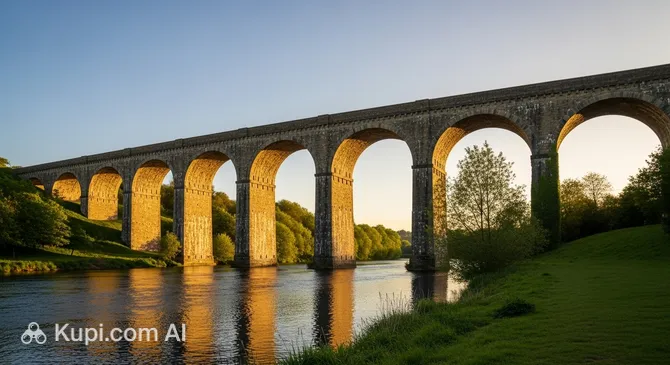
  • An engineering marvel on the River Lune: One of the impressive, though perhaps less widely known, attractions is the Lune Aqueduct. Built at the end of the 18th century to a design by John Rennie, this grand aqueduct is an engineering masterpiece of its time and allowed the Lancaster Canal to spectacularly cross the River Lune.

  • City of lights and traditions: Every year, Lancaster is transformed during the colorful "Light Up Lancaster" festival, when historic buildings and streets are illuminated with thousands of lights and artistic light installations. Additionally, the city is known for its markets dedicated to crafts and local cuisine, preserving living traditions.

How to Get There

Reaching Lancaster, a charming historic city in Lancashire, is possible through several convenient methods. Primary options include flying to one of the nearby international airports followed by a transfer, as well as a well-developed rail network. Furthermore, the city is easily accessible by car thanks to its proximity to major UK motorways such as the M6.

Although Lancaster does not have its own commercial airport, the city is conveniently located relative to several major international aviation hubs. The most popular flight options are:

Manchester Airport (MAN) is one of the UK's largest airports and is located about 84 km south of Lancaster. A trip by car or taxi from the airport to Lancaster takes approximately 2 hours 15 minutes – 2 hours 30 minutes. A more convenient and often faster option is the direct train from Manchester Airport railway station to Lancaster, with a journey time of about 1 hour 15 minutes.

Liverpool John Lennon Airport (LPL) is located approximately 79 km southwest of Lancaster. By car or taxi, Lancaster can be reached in about 2 hours – 2 hours 20 minutes. For travel by public transport, you will first need to take a bus to one of Liverpool's railway stations (e.g., Liverpool South Parkway, from where there are trains to Lancaster, often with one change), with a total journey time of about 2 – 2.5 hours.

Leeds Bradford Airport (LBA) is situated about 77 km east of Lancaster. The journey by car or taxi to Lancaster takes approximately 2 hours – 2 hours 15 minutes. Public transport is available by taking a bus to Leeds railway station and then a train to Lancaster; total travel time starts from 2.5 hours.

For convenience, here is a summary of the main airports used to reach Lancaster:

AirportPassenger trafficDistance
Leeds Bradford International Airport4.2 mln77 km
Liverpool John Lennon Airport5.1 mln79 km
Manchester Airport30.1 mln84 km
Durham Tees Valley Airport228 126103 km
Isle of Man Airport652 274120 km

Lancaster has excellent rail connections thanks to its station, Lancaster Railway Station, which is a major stop on the West Coast Main Line. This line connects London with Glasgow and Edinburgh, providing regular direct trains from major cities such as London (Euston), Birmingham, Manchester, Liverpool, Edinburgh, and Glasgow. A trip from London takes about 2.5 - 3 hours, and from Manchester, about 1 hour.

In addition to the main station in Lancaster itself, for certain routes or if traveling from specific nearby areas, the following stations from the provided list may be useful:

One of the nearest alternative stations is Oxenholme Lake District station (KXN), located in the town of Kendal, about 29.4 km north of Lancaster. This station is also on the West Coast Main Line and is a key point for trips to the Lake District. From Oxenholme, Lancaster can be reached quickly by train (about 20 minutes).

A major transport hub, Manchester Piccadilly Station (QQM), is located in Manchester, about 70.6 km from Lancaster. If your route involves arriving in Manchester, there are regular direct trains from here to Lancaster, with the journey taking about 1 hour.

If you are considering routes via neighboring rail hubs, here is information on some of them:

StationPassenger trafficDistance
Oxenholme Lake District Station542 27029 km
Manchester Piccadilly Station25.8 mln71 km
Lime Street Station12.3 mln72 km
Bradford railway station2.3 mln74 km
Chester Central Station4.5 mln95 km

Main Attractions

Lancaster, a city with a rich history and charming atmosphere, offers its guests many interesting places to visit. From grand engineering structures to cozy corners of nature, everyone will find something here to make their journey unforgettable.

One of the most impressive landmarks is the Lune Aqueduct. This grand structure, spanning the River Lune, is a masterpiece of engineering from the late 18th century. A walk across or along the aqueduct offers picturesque views and allows you to appreciate the scale of this historic monument, which was once a vital part of Lancaster's canal system. It attracts tourists with its monumentality and the opportunity to touch the history of the Industrial Revolution.

Lune Aqueduct. Illustration.
Source: Kupi.com AI

Traveler photos:

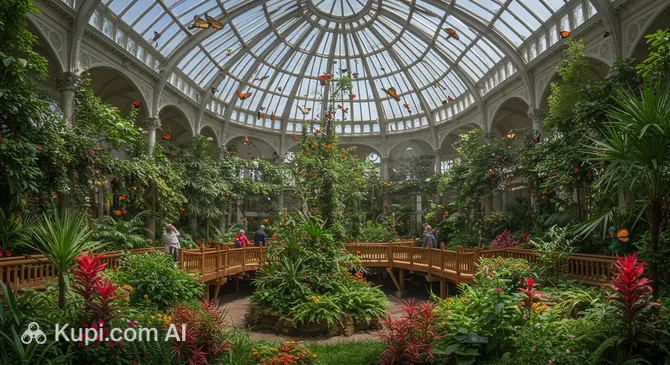
For nature lovers and families with children, a visit to the Butterfly House is a must. In this tropical oasis, you can observe the life of hundreds of exotic butterflies fluttering freely among lush vegetation. This amazing place offers the chance to not only learn more about the life cycle of these beautiful creatures but also to take unforgettable photos surrounded by vibrant colors.

Butterfly House. Illustration.
Source: Kupi.com AI

Traveler photos:

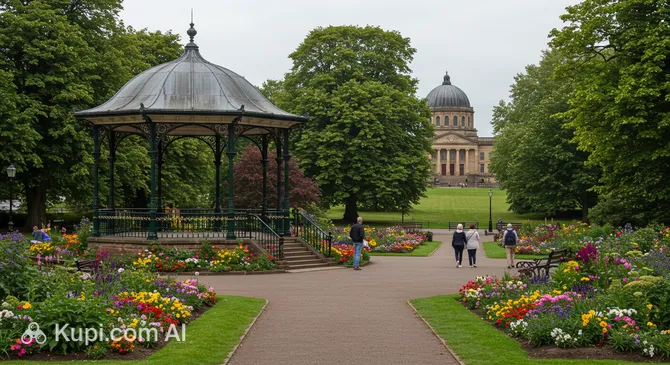
Rylands Park is a wonderful place for relaxation and outdoor walks in Lancaster. The vast green area with well-maintained paths, playgrounds, and scenic views is ideal for picnics, active games, or simply a quiet time. The park is popular with both locals and tourists seeking solitude and the chance to enjoy natural beauty within the city limits.

Ryelands Park. Illustration.
Source: Kupi.com AI

Traveler photos:

Local Cuisine

The gastronomic scene of Lancaster is an appetizing blend of centuries-old English traditions and modern culinary trends. Travelers should definitely try the famous Lancashire hotpot – a hearty stew of lamb with potatoes and onions, which is perfect for warming up in cool weather. Equally popular are the classic meat and fish pies, which are an integral part of the menu in many local establishments.

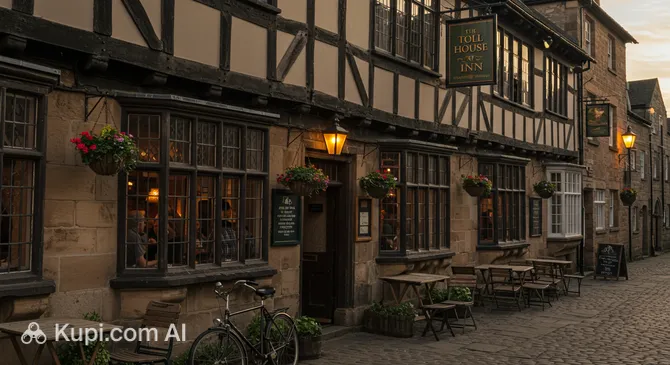
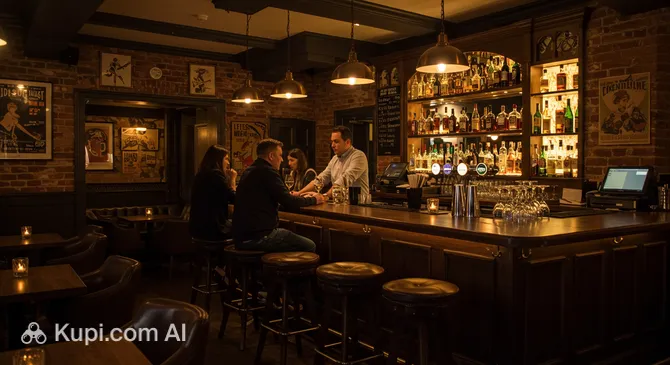
An introduction to Lancaster's cuisine would be incomplete without tasting local drinks. In numerous cozy cafes and traditional pubs, you will be offered fragrant English tea, as well as famous varieties of ale and cider. Many establishments, such as The Toll House Inn, take pride in their atmosphere and choice of drinks, inviting guests to immerse themselves in true British culture.

Toll House Inn. Illustration.
Source: Kupi.com AI

Traveler photos:

For those with a sweet tooth, Lancaster also prepares pleasant surprises. Be sure to try an Eccles cake – a flaky pastry with currants, or Parkin – a spicy oatmeal cake with black treacle. Thanks to its proximity to the sea, dishes made from fresh local fish are often found on the menu. And at farmers' markets, you can discover the wealth of regional products: from fresh vegetables and fruits to artisanal cheeses, aromatic honey, and homemade jams.

For those who prefer a snack on the go, Lancaster offers a variety of street food: from smoked fish sandwiches to hot pies with various fillings. In summer, the city comes alive with gastronomic festivals where you can get to know the best dishes of the region. Overall, gastronomic Lancaster is a place where traditions are respected, but there is no fear of experimentation, offering tourists unforgettable taste experiences.

Travel Tips

Welcome to Lancaster! This charming city with a rich history and a friendly atmosphere awaits you. To ensure your journey goes smoothly and leaves only pleasant impressions, we have prepared some practical tips.

  1. Clothing and Essentials:

    The climate in the United Kingdom, and Lancaster in particular, is temperate and changeable. Always bring several layers of clothing to be prepared for any weather whims. A waterproof jacket or umbrella is your best friend year-round. Be sure to bring comfortable shoes for walking the city's old streets and its picturesque surroundings. Don't forget an adapter for electrical appliances (Type G, British standard). When visiting religious sites, such as Lancaster Priory, modest clothing is recommended.

  2. Transport in the City:

    Getting around Lancaster is quite simple. The main form of public transport is buses, which connect different parts of the city. Lancaster railway station provides excellent connections with other cities in the United Kingdom. Taxis are available and can be ordered by phone or found at ranks; ride-hailing apps may also operate. Renting a car is not necessary for seeing the city center but can be useful if you plan to explore Lancashire or the nearby Lake District. Keep in mind that parking in the center of Lancaster can be limited and paid.

  3. Finances: Currency, Cards, and Tipping:

    The local currency is the British Pound Sterling (GBP, £). Money can be exchanged at banks or exchange offices, but it's often more advantageous to withdraw cash from an ATM. Bank cards (Visa, Mastercard) are widely accepted in most shops, restaurants, and hotels. International cards usually work without problems. ATMs are easy to find throughout the city. An approximate daily budget (excluding accommodation) can range from £50 to £100, depending on your plans. Tipping in restaurants is usually 10-15% if a service charge is not included in the bill. In pubs, it is not customary to tip for drinks at the bar, but you can round up the amount. It is also customary to round up the fare for taxi drivers.

  4. Health and Safety:

    Lancaster is generally a safe city. Follow usual precautions: keep an eye on your belongings, especially in crowded places, and avoid poorly lit and deserted areas late at night. Pharmacies (e.g., Boots, Superdrug) can be found in the city center and other areas; check their hours as not all operate 24/7. Should you need medical assistance, contact Royal Lancaster Infirmary. For emergencies, call 999. Tourists are recommended to have valid medical insurance.

  5. Communication: Language and Internet:

    The official language is English. Most locals speak only English. Knowing basic phrases like "Hello," "Thank you," and "Excuse me" will be very helpful. A local SIM card can be purchased at supermarkets or mobile phone stores. Free Wi-Fi is available in many cafes, pubs, hotels, and some public places. For navigation and route planning, apps like Google Maps or Citymapper are useful, and for train schedules, National Rail Enquiries.

  6. Local Etiquette and Communication:

    Britons value politeness. Always use "please" and "thank you". It is customary to greet people ("Hello," "Good morning/afternoon"). One of the most important cultural features is "queuing"; never try to jump the queue. In public places, try not to speak too loudly. Locals are usually friendly but reserved.

  7. What to Avoid:

    Most importantly, do not try to jump the queue; this is considered extremely impolite. Also, avoid loud conversations or noisy behavior in public places, especially on transport or in restaurants. Be respectful of local traditions and customs.

  8. Extra Tip:

    Be sure to visit the historic Charter Market (usually open on Wednesdays and Saturdays), where you can find local products, crafts, and souvenirs. Also check the event listings at Lancaster Arts or The Dukes theatre – they often host interesting exhibitions, concerts, and plays. Since Lancaster is a university city, it is especially lively during term time.

We hope these tips help you better prepare for your trip and enjoy every moment of your stay in Lancaster. We wish you an exciting journey!

Entertainment & Nightlife

Lancaster, despite its relatively small size, offers guests diverse opportunities for evening and night leisure. The city comes alive after sunset, transforming into a cozy place for those seeking entertainment – from traditional pubs to stylish bars and music venues.

The main concentration of nightlife in Lancaster is found in the city center. The streets around Market Square and the adjacent alleys are full of establishments for every taste. It is also worth paying attention to the River Lune embankment, where some venues offer beautiful views and a special atmosphere for evening walks and gatherings.

The atmosphere in nocturnal Lancaster is quite relaxed and friendly. The crowd is mixed: you can meet students from the local university, older residents, and tourists alike. Most bars and pubs are open until midnight or 1:00 AM on weekdays, and until 2:00–3:00 AM on weekends. There is usually no specific dress code, but some more fashionable venues may refuse entry in sportswear. Concert venues and clubs, where available, offer various musical programs, from live music to DJ sets.

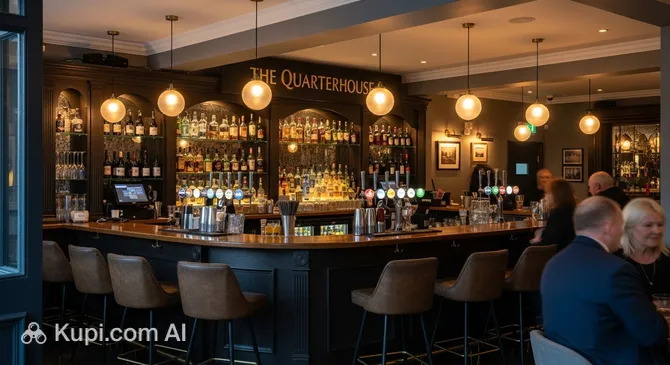
One of the popular spots for evening relaxation is The Quarterhouse. This bar attracts visitors with its selection of drinks and cozy setting, perfect for meeting friends. You can often hear live music here or simply enjoy a pleasant conversation.

The Quarterhouse. Illustration.
Source: Kupi.com AI

Traveler photos:

If you are looking for something with French charm, look no further than the bar Quite Simply French. This establishment is known for its exquisite atmosphere and quality drinks, offering guests an elegant evening out. It is an excellent choice for a romantic evening or quiet socializing.

Quite Simply French. Illustration.
Source: Kupi.com AI

Traveler photos:

For those who prefer dining in the later hours or are looking for a place with a historic atmosphere, The Toll House Inn can be a great choice. This restaurant, located in an old building, offers not only delicious food but also the chance to dive into the city's past while enjoying an evening meal.

The best time to start an evening bar crawl is after 8:00 PM, especially on weekends when the city truly comes alive. Prices in Lancaster's venues are generally moderate, making leisure accessible. You can get back to your hotel or apartment at night by taxi; several local services operate in the city and can be called by phone or through an app. Some bus routes may also run late, but their schedules should be checked in advance.

The central areas of Lancaster, where the nightlife is concentrated, are considered quite safe for walking after dark. However, as in any city, basic precautions should be taken: keep an eye on your belongings and avoid poorly lit and deserted places. Calling a taxi is always a reliable way to reach your destination late at night.

During the day, Lancaster also keeps you entertained. The city is rich in historic landmarks, such as the famous Lune Aqueduct. Nature enthusiasts can visit Rylands Park or the amazing Butterfly House. The city also has theaters and museums offering cultural programs for daytime leisure and enriching the travel experience.

Parks & Museums

Lancaster is a city where history harmoniously blends with nature, offering guests both picturesque green corners for relaxation and a rich cultural program. Here you will find charming parks, interesting museums, and impressive historic monuments that tell the story of this English city's centuries-old heritage.

Among Lancaster's green spaces, Rylands Park stands out. It is a wonderful place for walks, picnics, and active outdoor recreation. The park offers manicured lawns, playgrounds, and a peaceful atmosphere, making it popular with both locals and tourists seeking refuge from the city bustle. The city is also famous for Williamson Park, known for its impressive Ashton Memorial and the magnificent views from its grounds, although it is not featured in our current list for a direct link.

Ryelands Park. Illustration.
Source: Kupi.com AI

Traveler photos:

To learn about Lancaster's history and culture, you should visit its museums. Lancaster City Museum, located in an elegant Georgian building, tells the city's story from Roman times to the present day, showcasing archaeological finds and everyday objects. Another important site is the Judges' Lodgings Museum, Lancaster's oldest townhouse, where you can see beautifully preserved historic interiors, a collection of Gillows furniture, and a museum of childhood. These museums offer a fascinating dive into the past of the city and its residents.

Lancaster is rich in historic structures testifying to its significant past. One of the most impressive engineering wonders is the Lune Aqueduct. This massive aqueduct, spanning the River Lune, was built at the end of the 18th century to a design by John Rennie and still amazes with its scale and architectural grace. A walk along the canal or under its monumental arches will leave an unforgettable impression. One cannot ignore the majestic Lancaster Castle, whose history spans almost a thousand years and is closely linked to key events in English history, including the trials of the Pendle witches.

Lune Aqueduct. Illustration.
Source: Kupi.com AI

Traveler photos:

Nature and exotic lovers will surely enjoy the Butterfly House. Here, in a specially created tropical microclimate, you can walk freely among hundreds of fluttering beauties from all over the world, observing their life and beauty. It is a great place to visit with children and for anyone who wants to add bright colors and positive emotions to their trip to Lancaster.

Butterfly House. Illustration.
Source: Kupi.com AI

Traveler photos:

For an authentic experience, take a walk through the lesser-known streets of the old town branching off the main squares, where you can discover cozy courtyards, ancient buildings, and feel the spirit of the past. Also, explore Lancaster's canal network – a walk or a boat trip along the canal will reveal the city from a completely different, peaceful side, allowing you to enjoy the silence and picturesque landscapes.

Getting Around

When planning a trip to Lancaster, you can count on a convenient and clear public transport system. The primary way of moving around the city and its surroundings is by bus. Lancaster has no metro or tram network, but the extensive bus system effectively connects different parts of the city, university campuses, and nearby settlements.

The fare system in Lancaster is quite flexible. You can purchase single tickets directly from the driver when boarding the bus; it is recommended to have small change, though contactless payment by bank card is increasingly accepted. For more frequent travel, it is more economical to buy day, weekly, or monthly passes. These can be bought online via websites or mobile apps of the main bus operators, and sometimes at special points of sale. Ticket and pass prices vary depending on the zone and duration, but generally remain affordable.

It will be useful for tourists to know a few practical points. Bus schedules are usually available at stops, as well as on transport companies' websites and apps. Buses run regularly throughout the day, with less frequent intervals in the early morning, late evening, and on weekends. Upon boarding the bus, present your ticket or activated electronic pass to the driver. Most bus stops are clearly marked.

Besides buses, other modes of transport are available in Lancaster. Taxis can be ordered by phone, through mobile apps, or found at designated ranks, especially in the city center and by the railway station. Given Lancaster's compact size and picturesque surroundings, cycling is a popular and pleasant alternative, and the city has bike rental points. Many central attractions are also within walking distance of each other, making walking an excellent way to get to know the city.

Accommodation

In Lancaster, travelers will find a variety of accommodation options catering to different budgets and preferences. Available choices range from budget guest houses and traditional B&Bs (Bed & Breakfast) to comfortable mid-range hotels and self-catering apartments that offer more independence.

The most popular area for tourists to stay is the city center. This provides easy access to the main historic attractions, such as Lancaster Castle and the Priory Church, as well as shops, restaurants, and cafes. For example, it is convenient to get to places like Rylands Park for pleasant walks from here. It is also worth considering accommodation near the River Lune embankment or along the Lancaster Canal for more scenic views and a tranquil atmosphere. Proximity to Lancaster railway station is also an advantage for those planning to explore the surrounding area.

While there are no large luxury resorts in Lancaster, there are several high-quality hotels and many charming guest houses. As specific hotels are not listed in the available data, it is recommended to check reviews and offers on specialized websites before booking.

Booking Tip: It is recommended to book accommodation well in advance, especially if your trip coincides with the peak tourist season (summer months), weekends, or during major events and university functions, as Lancaster is a busy university city. During these periods, demand for housing increases significantly.

The price range varies from affordable options for budget travelers to mid-level offerings. Accommodation can be booked through popular online booking platforms, as well as directly on hotel or guest house websites, which can sometimes result in better terms or special offers.

Nearby Cities

For those wishing to explore the surrounding area, Lancaster serves as an excellent starting point for day trips to several interesting nearby locations. For instance, Preston, the administrative center of Lancashire, attracts with its rich history reflected in the Harris Museum and Art Gallery, as well as its lively urban atmosphere. Just a half-hour drive away is the famous Blackpool – a classic British seaside resort known for its beaches, the Pleasure Beach amusement park, and the iconic Blackpool Tower. If you are interested in industrial heritage and nature, Barrow-in-Furness, located on the peninsula of the same name, offers insights into shipbuilding history and the picturesque ruins of Furness Abbey.

CityPopulationDistance
Morecambe34 7685 km
Heysham17 0166 km
Fleetwood25 93921 km
Ulverston11 67825 km
Poulton-le-Fylde18 11526 km

These nearby destinations provide a glimpse into the diverse culture and landscapes of the region.

Shopping & Souvenirs

Shopping in Lancaster offers a pleasant mix of well-known brand stores and unique independent boutiques, making it an attractive destination for shopaholics. While the city is not famous for any specific goods, you can find high-quality local products here, especially in small shops.

Main shopping activity is concentrated in the historic city center. Stroll through the streets around Market Square and Penny Street, where you will find many shops for clothing, footwear, books, and gifts. It is also worth paying attention to the adjacent alleys with their charming storefronts.

Lancaster has several shopping centers where you can find everything you need under one roof. The most famous are St Nicholas Arcades (often called St Nics) and Marketgate Shopping Centre. Here you'll find both popular chain stores and local retailers offering a diverse range of products.

Be sure to visit the Lancaster Charter Market – a traditional street market that operates several days a week (usually Wednesdays and Saturdays) in the heart of the city. Here you can buy fresh local produce, clothing, flowers, books, handmade items, and much more. It's a great place to feel the local flavor and find interesting souvenirs.

As souvenirs from Lancaster, you can bring items related to its rich history, such as those associated with Lancaster Castle or the House of Lancaster. Products by local artisans, ceramics, and textiles are also popular. Look for products from Lancashire, such as local cheeses, jams, or traditional sweets. Books about local history and nature also make good reminders of your trip.

Most shops in Lancaster are open from 9:00 or 10:00 AM to 5:00 or 6:00 PM from Monday to Saturday. Some larger stores and shopping centers may have extended hours and may also be open on Sundays, but usually with reduced hours (for example, from 10:00/11:00 AM to 4:00/5:00 PM). Bank cards (Visa, Mastercard) are universally accepted, but at markets and in small independent shops, it may be more convenient to pay with cash.

Regarding Tax Free, rules changed after the United Kingdom left the European Union. The VAT Retail Export Scheme for tourists was abolished for most goods purchased in the UK and taken out in personal luggage. It is recommended to check the latest information before making major purchases, but in most cases, you should not count on a tax refund.

Reached the end of the page?

That means the route is fully explored