Support

Catton Park

About

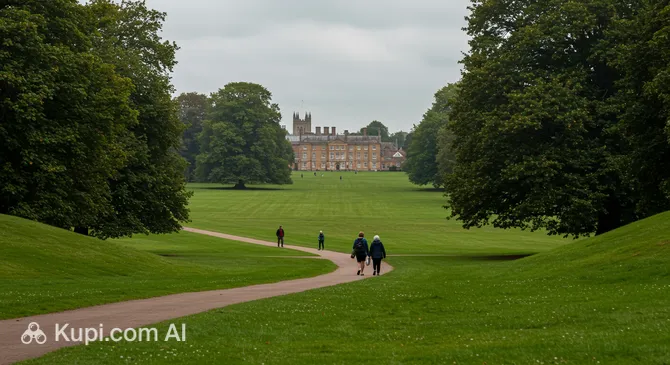
In the northern part of the historic city of Norwich lies the magnificent Catton Park—a place where history and nature are harmoniously intertwined. This site, which holds Grade II listed status, covers an area of about 70 acres and is rightfully considered one of the most inviting corners that Great Britain has to offer travelers.
Catton Park
Catton Park. Иллюстрация. Источник: Kupi.com AI

The park is of particular value as it was the debut work of the legendary landscape architect Humphrey Repton. Strolling here, one can appreciate the mastery of classic English design: open meadows with a carpet of wildflowers give way to shaded woodlands home to ancient oaks, chestnuts, and majestic cedars. It is a perfect example of an 18th-century country park that has retained its charm to this day.

Today, Catton Park is not just a historical monument but also a vibrant community space. It is open to the public year-round, offering tourists the chance to escape the city noise while admiring views of the historic Catton Hall and breathing the fresh air of the woodland groves.

Contacts

For more information about events or visiting rules, you can contact the Catton Park administration directly. The official website provides the latest news about park life and environmental initiatives, while the listed phone number can be used for inquiries regarding group visits.

Below are the main contact details for communication and navigation:

How to contactContact
AddressOak Ln, Norwich NR6 7DB, UK
Phone+44 1603 423880
Websitewww.cattonpark.com

What to Do

The main reason to visit the park is for walks along picturesque routes. You can choose a path through open meadows, which are covered in bright wildflowers in spring and summer, or venture deeper into the woodlands. Keep an eye out: in the woods, you can find original wooden sculptures that give the park a special, fairytale-like atmosphere.

For history buffs, an interesting activity is searching for old design elements, such as the classic entrance gates. Thanks to a well-developed system of paths, most of which are accessible for strollers and wheelchairs, exploring the territory is comfortable for all categories of tourists.

If you are into photography or birdwatching, Catton Park provides plenty of opportunities for great shots. Here you can see rare tree specimens, such as Wellingtonias (giant sequoias), and enjoy the tranquility of the English countryside while being very close to the city centre.

Getting There

Located in the charming village of Old Catton, this green oasis is just 3.2 kilometers north of the historic city centre. Reaching it by car is easy: the main entrances, including the formal entrance on Oak Lane with its elegant iron gates, are conveniently connected to the main road leading out of the city.

If you prefer public transport, use the regular bus routes that connect the central districts with the outskirts. A stop within walking distance allows you to quickly swap the city bustle for the quiet of the park avenues. You can also always take a taxi from the railway station or the central square; the trip will take no more than 10–15 minutes.

For fans of active recreation, there are pedestrian and cycle paths. A walk from the northern districts of the city to the park will be a pleasant addition to your main route, allowing you to take in the suburban architecture of Norwich along the way.

Ближайший город: Norwich

History & Facts

The history of this picturesque location began in the 1770s when the land acquired the status of a country estate. A landmark moment came in 1788 when the new owner, Jeremiah Ives, who served as the Mayor of Norwich, invited the prominent landscape architect Humphrey Repton to design the grounds. It was Catton Park that became the first major commission for the famous master, defining his future success.

Repton approached the task with ambition: he radically changed the landscape and even ordered the removal of some trees on the southern side so that the park would offer a majestic view of the Norwich Cathedral spire. Later, in the mid-19th century, new owners from the Gurney banking family expanded the territory and added a classic lodge, which still graces the park entrance today.

The park's fate in the 20th century was challenging: during the Second World War, the land was requisitioned for the needs of the army, and part of the meadows, including the cricket pitch, was ploughed for crops. Fortunately, in 2005, a large-scale regeneration program was launched with the support of government funds. In 2007, the renovated park was officially opened to the public by the Duke of Kent, once again becoming a protected cultural heritage site.

Time Needed

To leisurely enjoy the atmosphere of the park and walk its main woodland trails and meadows, most visitors need about 1.5–2 hours. This is quite enough time to see the wooden sculptures and ancient trees.

If you are only planning a short introductory walk along the central paths, you can manage it in 60 minutes. However, many people prefer to stay longer, enjoying a picnic on the grass during the warmer months or spending more time observing the local flora and fauna.

Working Hours

One of the main advantages of this attraction is its accessibility. Catton Park is open to visitors 24 hours a day, seven days a week. You can come here for an early morning walk to catch the sunrise or enjoy the silence of the evening avenues at any time that suits you.

The park operates as a public space on a 24/7 basis, allowing tourists to avoid being tied to a strict schedule and visit on any day of the week, from Monday to Sunday.

Круглосуточно

Nearby

A visit to Catton Park can easily be combined with a tour of other interesting locations in the northern part of the city and its surroundings. Its proximity to the historic centre allows you to see both natural beauty and architectural monuments from different eras in a single day.

Check out the list of nearby attractions that can complement your travel itinerary:

NameDistance
Waterloo Park1.5 km
Wensum Park2.1 km
Mousehold Heath2.5 km
Sloughbottom Park2.5 km
City of Norwich Aviation Museum2.8 km
The Fat Cat2.9 km
The Halls3 km

Reached the end of the page?

That means the route is fully explored