Support

Assabet River National Wildlife Refuge

About

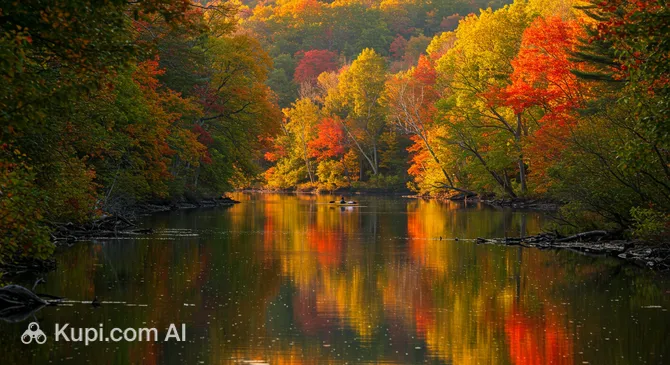
Imagine a corner of pristine nature hidden just a few dozen miles from a bustling metropolis. The Assabet River National Wildlife Refuge is a unique natural site in the USA, covering over 2,200 acres of forests, wetlands, and picturesque ponds. It is a place where a history of military use is closely intertwined with the process of ecological restoration, creating a stunning landscape for relaxation and contemplation.
\n\n
Assabet River National Wildlife Refuge. Source: Kupi.com AI
\n\n

Located near the city of Boston, the refuge is famous for its biological diversity. Here, you can see traces of glacial activity—eskers and kettle ponds—and explore the flora of Atlantic white cedar swamps. One of the most unusual features of this site is the WWII-era concrete bunkers that now stand silently among the dense woods, serving as reminders of the time when this area was a military depot.

\n\n

Today, this territory is managed by the U.S. Fish and Wildlife Service and serves as an important sanctuary for migratory birds and mammals. For tourists, Assabet River offers a primary opportunity to escape the city bustle, stroll along shaded trails, and observe forest life. Its high rating among visitors confirms that the refuge is one of the most attractive natural locations in the state of Massachusetts.

Contacts

To find out current information about events or trail conditions, you can contact the administration directly through the U.S. Fish and Wildlife Service. The refuge is located in Massachusetts, near the city of Boston.

Address 680 Hudson Rd, Sudbury, MA 01776, USA
Phone +1 978-562-3527
Official Website fws.gov/refuge/Assabet_River/

What to Do

The main activity at the refuge is hiking along its extensive network of marked trails. The Old Marlborough Road Trail is particularly popular: it leads through pine-oak forests and allows you to see those mysterious concrete bunkers. Although entering these structures is prohibited for safety reasons, their brutalist appearance against the wild greenery provides excellent opportunities for atmospheric photographs.

\n\n

For nature lovers, the Assabet River National Wildlife Refuge is a true paradise. It is a recognized Important Bird Area, so be sure to bring your binoculars. You can encounter rare feathered species here, and near the water bodies, you can see turtles and various waterfowl. Ecotourism is well-developed here: information boards help explain the stages of forest restoration on the site of former farmlands.

\n\n

The refuge doesn't lose its charm in winter: snow-covered trails are perfect for snowshoeing. At any time of year, visitors are encouraged to stick to the official routes to avoid disturbing the forest inhabitants. Don't forget to bring repellent during the warmer months and wear comfortable shoes, as the terrain can be rugged in places.

Getting There

The easiest way to reach this natural oasis is by car. Assabet River National Wildlife Refuge is located approximately 30 miles (48 kilometers) from downtown Boston. The main route follows I-495 or Route 2; if you are traveling on I-495, take exit 26 for Hudson Rd. Free, though limited, parking is available on-site near the visitor center.

\n\n

If you prefer public transportation, you can take the MBTA Commuter Rail from Boston to the South Acton station. However, please note that the refuge entrance is still about 5–7 miles (8–11 kilometers) from the station, which you will need to cover by taxi or bicycle, as there are no regular bus routes directly to the park.

\n\n

For a comfortable trip, use a GPS and enter the address 680 Hudson Rd, Sudbury. The roads near the refuge entrance may be gravel, but they are perfectly navigable for standard passenger cars. The drive from the city typically takes between 45 and 60 minutes depending on traffic.

History & Facts

The history of these lands dates back thousands of years: long before Europeans arrived, members of the Nipmuc indigenous people hunted and fished here. In the 17th century, the territory was settled by British colonists who transformed the wild forests into thriving farms. Interestingly, in the early 20th century, part of this land was owned by the famous industrialist Henry Ford. Even today, you can see old stone walls that once served as pasture boundaries during your walk.

\n\n

During World War II, the landscape changed dramatically. In 1942, the U.S. Army purchased the plots from local farmers to create the Fort Devens-Sudbury Training Annex. Approximately 50 concrete bunkers were built here for ammunition storage, railroad tracks were laid, and strict patrolling was organized. After the war, the territory was used as a training ground, which kept these forests closed to civilians for decades.

\n\n

Ecological restoration only began in the late 1980s with a massive program to clean the soil of the effects of military use. In 2000, the land was officially transferred to the U.S. Fish and Wildlife Service. Five years later, after 63 years of being a military site, the Assabet River National Wildlife Refuge finally opened its doors to tourists, becoming a symbol of how nature can heal the wounds inflicted by human activity.

Time Needed

To enjoy the peace and beauty of the refuge without rushing, most visitors need 3 to 5 hours. This is enough time to walk the main trails, such as the Old Marlborough Road Trail, take photos of the abandoned bunkers, and have a small picnic in designated areas.

\n\n

If your goal is just a quick walk in the fresh air or a visit to the visitor center, you can manage in 1–2 hours. However, birdwatching enthusiasts and professional photographers often spend the entire day here, waiting for the perfect moment to observe rare birds or wildlife in their natural habitat.

Working Hours

The Assabet River National Wildlife Refuge is open to visitors daily throughout the year. The main trails are accessible for walking during daylight hours, typically from 6:00 AM to 6:00 PM. This allows guests to enjoy the morning birdsong or a walk in the light of the setting sun.

\n\n

It is worth noting that the Visitor Center may have its own operating schedule, different from the general access hours to the grounds. In the event of extreme weather conditions or public holidays, access rules may change, so it is recommended to check the official fws.gov website for current status before your trip.

Nearby

Exploring the surroundings of the Assabet River National Wildlife Refuge can be a great addition to your trip. The area around Sudbury and nearby towns is rich in both natural parks and modern entertainment centers for the whole family.

\n\n

Below is a list of interesting places located relatively close by that may interest travelers:

\n\n\n \n \n \n \n \n \n \n \n \n \n \n \n \n \n \n \n \n \n \n \n \n \n \n \n \n \n \n \n \n \n \n \n \n \n \n \n \n \n \n \n \n \n \n \n \n \n \n \n
Attraction NameDistance (km)
Fitch Water Spray Park19.3
Sky Zone Trampoline Park33
Eco Ride33.2
Boston Common Frog Pond33.7
Suzuki Land35.4
Cowabunga's Indoor Kids Play & Party Center - North Reading35.5
Water Park of New England46.2
Petersen Splash Pad at Watson Park46.2
Urban Air Trampoline and Adventure Park48.7
CFMotorsports Inc51.8

Reached the end of the page?

That means the route is fully explored