Support

Currier Museum of Art

About

Imagine a place where classic European painting sits alongside avant-garde masterpieces by American artists — this is the Currier Museum of Art. Located in the heart of Manchester, this museum is one of the primary cultural gems of New Hampshire, USA. Founded in 1929, it occupies a magnificent building reminiscent of an Italian Renaissance palazzo.
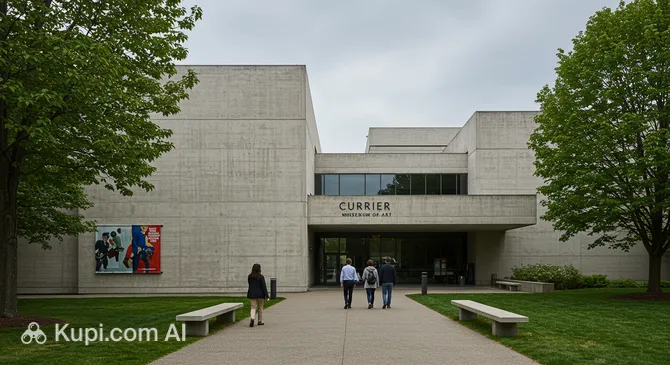
Currier Museum of Art. Source: Kupi.com AI

The museum's permanent collection houses authentic works by titans of art such as Pablo Picasso, Claude Monet, Henri Matisse, and Georgia O'Keeffe. Beyond paintings, visitors can see a rich collection of decorative arts, unique photographs, and modern sculptures, making the museum a must-visit for any art lover.

A unique feature of the Currier Museum is that it manages two houses designed by the legendary Frank Lloyd Wright. This is the only opportunity in New England to see interiors created by the great architect in their original form, including original furniture and landscape design. The combination of historical charm and bold architectural solutions makes a visit to this place truly inspiring.

Contacts

To clarify visit details or book tours of the Frank Lloyd Wright houses, you can always contact the museum administration. The staff is ready to answer questions about current exhibitions and special events via phone or email.

Address 150 Ash St, Manchester, NH 03104, USA
Phone +1 603-669-6144
Website currier.org
Google Maps Open map

What to Do

A visit to the museum is more than just a stroll past paintings. Here, you can literally touch the history of art by examining the details of canvases by Monet or sculptures by Alexander Calder. Fans of the classics will certainly enjoy the American art galleries, which feature works by John Singer Sargent, while modern art enthusiasts will appreciate the bold lines in the Picasso galleries.

A special highlight of the program is the exclusive tours of the Zimmerman House and Kalil House. This is a rare opportunity to step inside residential masterpieces by Frank Lloyd Wright, see his famous "Usonian" designs, and understand how the architect sought to connect human life with nature. Inside the houses, not only the layouts but also original furniture, textiles, and even small interior items created by the master have been preserved.

For those who prefer active participation, the Currier Art Center operates at the museum. It regularly hosts workshops, creative "ARTalks" meetings, and classes for all ages. If you are traveling with family, look out for Family Days — special days when the museum transforms into an interactive space with quests and hands-on art lessons for both children and adults.

Getting There

The museum is located at 150 Ash St, in a pleasant cultural district of the city. If you are already in downtown Manchester, a walk to the building will take about 15–20 minutes, while a car or taxi ride takes no more than 5 minutes. The institution is within walking distance of the scenic Merrimack River.

For those who prefer public transport, it is convenient to use the Manchester Transit Authority buses, with routes passing through Ash Street. If you are arriving in the region by plane, the Manchester-Boston Regional Airport is just a 10–15 minute taxi ride away.

Drivers can reach the museum via I-293 or I-93. Free parking is available for visitors directly at the building. It is important to note that if you have booked a tour of the Frank Lloyd Wright houses, they are located in other parts of the city, and the museum typically organizes a special shuttle for visitors from the main building.

History & Facts

The museum owes its existence to the generous gesture of former New Hampshire Governor Moody Currier and his wife, Hannah Slade Currier. The idea of creating a gallery emerged in the late 19th century, but the official opening took place in 1929. The museum opened its doors during a challenging time—just a few weeks before the start of the Great Depression. Its first director was Maud Briggs Knowlton, who made history as one of the first women to lead a major art museum in the USA.

The museum building itself is an architectural landmark: it was designed in the style of an Italian Renaissance palazzo and was added to the National Register of Historic Places in 1979. In the following decades, the museum developed actively: new pavilions were added in 1982, and a large-scale renovation costing over $20 million was completed in 2008, featuring the creation of a modern atrium.

A special milestone in the museum's history is associated with the name of the legendary architect Frank Lloyd Wright. In 1988, the famous Zimmerman House was bequeathed to the museum, and in 2019, the collection was further enhanced by the Kalil House. These acquisitions made the Currier Museum of Art the only one in the world to own two of Wright's residential structures that are open to the general public.

Time Needed

To explore the museum's main collection and get acquainted with the works of great masters at a leisurely pace, we recommend setting aside 2 to 3 hours. This is sufficient time to walk through the European and American art galleries and visit the temporary exhibitions.

If your plans include exploring the architectural legacy of Frank Lloyd Wright, you should add another 1–1.5 hours for each tour. Since access to the Zimmerman House and Kalil House is only available as part of organized groups, it is highly advisable to book tickets for them in advance.

Families planning to visit the museum on special "Family Days," which feature interactive activities and creative workshops, should count on 3–4 hours so that children can fully enjoy all the activities.

Working Hours

The Currier Museum of Art welcomes guests five days a week. Please note that Monday and Tuesday are days off when the museum is closed to the public.

Current operating hours:

  • Wednesday — Sunday: 10:00 AM – 5:00 PM
  • Monday — Tuesday: Closed
It is recommended to arrive no later than one hour before closing to have time to view the main galleries.

Nearby

The museum's location in the historic part of the city allows tourists to easily combine a gallery visit with other interesting sites. A walk through the neighborhood will reveal the region's industrial past and modern leisure spaces.

Attraction Distance (km)
Amoskeag Mills NH Historical Highway Marker 1.0
Mill Girl Statue 1.2
Weston Observatory 1.4
Sky Zone Trampoline Park 1.6
Smyth Tower 1.9
Merci Train Boxcar 2.1
Stark Park NH Historical Highway Marker 2.2
Dupont Splash Pad 2.4
Frank Lloyd Wright's Zimmerman House 2.7
Kelly's Falls Dam 3.3

Reached the end of the page?

That means the route is fully explored