Support

Wallops Island (Wallops Flt Facility)

About the Airport

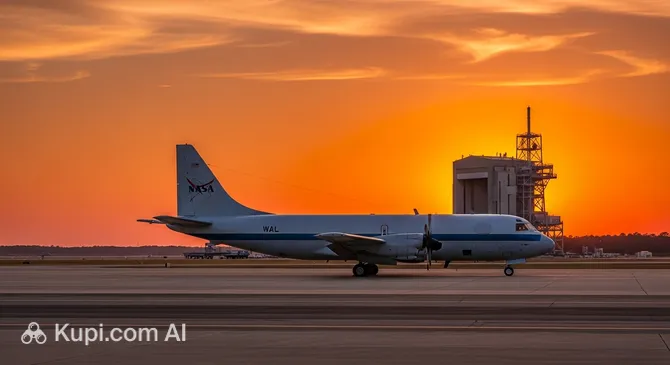
Wallops Flight Facility. Source: Kupi.com Binoculars

The airport, known as the Wallops Flight Facility, is a unique facility on the US map where aviation meets space exploration. Located on the scenic Eastern Shore of Virginia, it is managed by NASA and serves not only as an airfield but also as an active spaceport for rocket launches. This place is steeped in the spirit of scientific discovery and is located just a few minutes' drive from the island's famous beaches and nature reserves. For a traveller, being here means touching the history of the aerospace industry in close proximity to the wild nature of the Atlantic.

AirportWallops Island (Wallops Flt Facility)
IATAWAL
ICAOKWAL
CityChincoteague
TimezoneAmerica/New_York
ScheduleOnline board

Wallops Flight Facility has a number of unique features that distinguish it from standard civil airports:

Research and Scientific Status. This is one of the oldest spaceports in the world belonging to NASA. The main activity here focuses on scientific missions, meteorological rocket launches, and test flights, so it is practically impossible to see standard passenger airliners here.

Tourist Appeal. Although the airfield itself is closed to regular commercial flights, the NASA Visitor Center is located nearby. This is an excellent opportunity for tourists to learn more about space programmes, look at rocket models and, if lucky, observe a launch from a safe distance.

Proximity to Nature. The facility borders the Chincoteague National Wildlife Refuge, known for its wild ponies. Such a neighbourhood of high technology and untouched nature makes the location truly unique for a visit by car.

Contact Information

  • Official Airport Website: www.nasa.gov/wallops
  • Help Desk Phone (Visitor Center): +1 757-824-1404
  • Airport Address: NASA Wallops Flight Facility Visitor Center, Building J-20, Route 175, Chincoteague Road, Wallops Island, VA 23337, USA
  • Email: wff-nasa-visitor-center@mail.nasa.gov (for visitation and tour questions)
  • Airport Social Media: Facebook, X (Twitter)
  • Lost Luggage Information: Since the facility is a NASA test spaceport and does not serve regular passenger flights, there is no classic lost luggage service. If you have lost personal items during a tour, please contact the Visitor Center staff.
  • Passenger Support Contacts: For tourist enquiries and information about rocket launches, please contact the Public Affairs Office or directly the Visitor Center.

How to Get to the Airport

Since the Wallops Flight Facility is an active NASA facility and does not accept regular commercial passenger flights, it is impossible to get here directly "by plane". Travellers usually fly to neighbouring major airports and then continue their journey by land. The main and practically the only convenient way of getting around in this region is by car.

Below are the main options for planning a route to the Wallops Visitor Center and the surroundings of Chincoteague town.

Car and Rental

The most reliable way to get to the spaceport is by renting a car. The road network here is excellent, and the scenic US-13 highway runs along the entire Delmarva Peninsula. A car trip allows you not to depend on schedules and to comfortably visit both the space centre itself and the nearby beaches.

  • From Chincoteague town: The trip will take only about 10–15 minutes (approximately 8–10 km). Follow route VA-175 W.
  • From major cities: The journey from Washington D.C. or Baltimore will take about 3–4 hours, from Norfolk — about 2 hours.

Nearest Passenger Airports

For tourists planning a visit from afar, the optimal solution would be a flight to one of the neighbouring civil airports followed by car rental:

1. Salisbury Regional Airport (SBY) — located closest, in the city of Salisbury (Maryland). The distance is only about 45 km. This is a convenient option if you want to minimise driving time.

2. Norfolk International Airport (ORF) — a major hub located approximately 133 km to the south. Many more flights arrive here, and car rental may be cheaper.

3. Major International Hubs: If you are flying from abroad or want to combine the trip with a visit to the US capital, consider Ronald Reagan Washington National Airport (DCA) or Baltimore/Washington International Thurgood Marshall Airport (BWI). They are located at a distance of about 170 km, the road will take more than 3 hours, but the choice of flights here is maximum. Richmond International Airport (RIC) is also available.

Public Transport and Taxi

The public transport system in the area of Wallops Island and Chincoteague town is poorly developed. There are no metro or railway stations suitable for tourists here.

  • Buses: There are local bus routes (for example, the seasonal Pony Express in Chincoteague), but they are oriented towards movement within the resort zone and do not connect the town directly with major airports.
  • Taxi and Transfer: Taxi services and ride-hailing apps (Uber, Lyft) operate in a limited mode. Calling a car from Salisbury airport is realistic, but the cost of a trip to Wallops will be high (from $60–80 and above), and waiting for a car back may take a long time.

Parking

For guests arriving by car, free parking is provided at the NASA Visitor Center. There is usually enough space, except on days of popular rocket launches, when it is recommended to arrive in advance due to the large influx of spectators. The parking lot is equipped with spaces for vehicles of all sizes, including recreational vehicles (RVs).

Terminals and Map

The structure of Wallops Flight Facility (WAL) differs radically from familiar civil airports. Here you will not find standard terminals with boarding gates, baggage claim belts, or Duty Free shops. Since the facility is an active NASA testing ground, its territory is clearly divided into restricted zones for personnel and open areas for the public.

Terminals and their Purpose

Instead of passenger terminals, the complex consists of three main functional zones located at a significant distance from each other:

  • Main Base: Here are the administrative buildings, hangars, control towers, and runways for research aviation. This zone is closed, and access here is strictly by pass. For an ordinary tourist, it cannot serve as a "terminal".
  • Wallops Island: The zone of the launch pads themselves, located on the Atlantic Ocean coast. It is from here that rockets launch. Access here is also restricted for security reasons.
  • NASA Visitor Center: This is, in essence, the only "terminal" for tourists. It serves as the main hub where guests can receive information, view the exhibition, visit the observation deck, and the gift shop.

Navigation Scheme and Movement

Navigation in the spaceport area is quite simple, as the main traffic occurs along the Route 175 (Chincoteague Road) highway. This road connects the mainland with Chincoteague Island and passes by the main facilities of the centre.

When driving on Route 175, it is important to carefully follow the signs. The turn to the Visitor Center is clearly visible (usually marked with blue NASA signs). An attempt to turn into the checkpoints (Main Base Gate) without special permission will lead to a meeting with armed guards and the need to turn around.

Departure and Arrival Zones

The concepts of "departure zone" and "arrival zone" here have a metaphorical meaning:

  • "Arrival" Zone: This is the parking lot at the Visitor Center. It is located a few minutes' walk from the museum entrance.
  • Observation Zone (instead of Departure Zone): To observe rocket launches (the main goal of the tourist visit), either the territory of the Visitor Center (approximately 6–7 km from the launch pad) or the beach of Assateague Island is used. There are no special waiting lounges with a view of the airfield here.

Check-in and Screening Procedures

Since there are no commercial flights, there is no need to go through classic flight check-in. However, there are specific access features:

To enter the Visitor Center, prior registration or complex screening is usually not required, and admission is free. However, at the entrance, you may be asked to show the contents of your bags. On days of major launches, security measures are strengthened, and the waiting time to enter the parking lot may increase due to the influx of spectators.

Navigation Recommendations for the Tourist

To avoid getting lost and entering restricted zones, follow simple rules:

  • Use a navigator set to the point NASA Wallops Flight Facility Visitor Center.
  • Do not attempt to drive through checkpoints marked "Restricted Area" or "Authorized Personnel Only", even if the navigator suggests a shortcut.
  • On launch days, arrive in advance (at least 2–3 hours before the launch window), as the police may close part of the roads and bridges to ensure safety.

Airport History

The history of Wallops Flight Facility is a fascinating chronicle of the exploration of the sky and space, which began long before humanity took its first steps on the Moon. Unlike many civil airports that developed from postal or military airfields, Wallops was created from the very beginning as a testing ground for advanced technologies.

Foundation and First Steps (1945)

The centre was founded in 1945 by the National Advisory Committee for Aeronautics (NACA), the predecessor of modern NASA. The location on Wallops Island was not chosen by chance: distance from densely populated areas and open access to the Atlantic Ocean created ideal conditions for safe testing. It is symbolic that the very first rocket launch here took place on July 4, 1945, on US Independence Day. It was a small Tiamat rocket designed to research aerodynamics at high speeds.

The NASA Era and the Space Race

In 1958, with the formation of NASA, the Wallops base officially came under the management of the new space agency. In the era of the "Space Race", this facility played a critically important role in preparing manned flights. It was here that tests of the Project Mercury capsules were conducted as part of the Little Joe programme. These tests allowed engineers to verify emergency escape systems and heat shields, which later saved the lives of astronauts.

Modernisation and Commercial Space

Over the decades, the centre has constantly expanded and modernised. An important stage was the creation on its territory of the Mid-Atlantic Regional Spaceport (MARS). This public-private partnership allowed the infrastructure to be adapted for launching heavy carrier rockets.

One of the most significant reconstructions was the building and subsequent restoration of the launch pad Pad-0A. In the 21st century, Wallops became a key hub for commercial cargo missions to the International Space Station (ISS), carried out by Antares rockets with Cygnus cargo spacecraft.

Records and Achievements

Over its long history, the Wallops Flight Facility has become the launch site for more than 16,000 different flying vehicles — from meteorological rockets and balloons to orbital carriers. This makes it one of the most active and oldest continuously operating rocket ranges in the world.

Interesting Facts from History:

  • First Animal Astronauts: Before human spaceflight, Wallops launched rhesus macaques into the sky. The most famous of them — Sam and Miss Sam — successfully flew on Little Joe ships in 1959 and 1960, paving the way for Alan Shepard and other space pioneers.
  • Mobility: Wallops specialists are known for their mobile campaigns. They have conducted launches not only from Virginia but also from the most remote corners of the planet, including Alaska, Norway, and even Antarctica, using portable equipment.
  • Secret Airfield: Initially, the Chincoteague Naval Auxiliary Air Station was located on the site of the base, where World War II pilots trained. Part of the runways of that era is used for NASA research aviation to this day.
  • Lunar Research: Although human launches to the Moon took place from Florida, important atmospheric research was conducted at Wallops using LADEE rockets, which helped scientists better understand lunar dust and the exosphere of the Earth's satellite.

Services and Facilities

Since the Wallops Flight Facility (WAL) is an active NASA facility and does not serve commercial passenger flights, the range of available services here differs significantly from familiar international airports. All infrastructure for guests is concentrated exclusively in the NASA Visitor Center. One should not expect business lounges, Duty Free, or 24-hour restaurants here, but basic amenities for a comfortable educational visit are provided.

Shops and Dining

There are no full-fledged cafes or restaurants on the territory of the Visitor Center. Travellers are strongly advised to eat in advance or bring food with them if a long wait for a rocket launch is planned.

  • Gift Shop: This is the main retail point of the complex. Here you can purchase unique products with NASA symbols: clothing, mission patches, rocket models, space toys, and the famous "astronaut ice cream" (freeze-dried products).
  • Snacks: Only vending machines with water and light snacks are available. The nearest full-service restaurants and cafes are located in the town of Chincoteague, approximately 10–15 minutes' drive away.

Connectivity and Finance

Since the facility is oriented towards domestic tourism and educational tours, there are no bank branches or currency exchange points here. The gift shop accepts major credit cards and US dollars in cash.

  • Wi-Fi: Free guest Wi-Fi is usually available in the Visitor Center building, allowing tourists to promptly share photos of exhibits.
  • Charging Devices: There are no specialised stations for charging gadgets, but standard outlets can be found in rest areas. It is recommended to carry a portable battery (power bank), especially on launch days when you spend a lot of time outdoors.

Services for Passengers with Children

Wallops is an ideal place for a family visit. The infrastructure is maximally adapted for young explorers:

  • Educational Programmes: Interactive lectures and demonstrations explaining the principles of rocketry are regularly held at the centre.
  • Interactive Exhibits: Children can operate robotic arms, try on elements of space suits, and study the structure of the Solar System in a playful form.
  • Amenities: Changing tables are provided in the restrooms.

Accessible Environment

As a US federal facility, the Visitor Center fully complies with the Americans with Disabilities Act (ADA). The building is equipped with ramps, wide doorways, and adapted restrooms. The parking lot has dedicated spaces for people with disabilities located as close to the entrance as possible. The observation deck is also accessible for visitors in wheelchairs.

Hotels and Accommodation

There are no hotels on the territory of the spaceport itself or in the immediate vicinity of the launch pads. Tourists coming to watch rocket launches usually stay in neighbouring settlements. The most popular option is Chincoteague Island and town, located just 8–10 km from the entrance to the Visitor Center.

In Chincoteague, a wide choice of accommodation is presented:

  • Chain Hotels: Popular American hotel brands of 2–3 star level operate here, offering comfortable rooms and breakfasts.
  • Motels and Guest Houses: Many private mini-hotels with local flair.
  • Campsites: For nature lovers, equipped sites for tents and recreational vehicles (RVs) are available, which is especially convenient for those travelling along the East Coast by car.

Where to Eat

The gastronomic landscape of Wallops Flight Facility (WAL) differs significantly from what travellers are used to seeing at standard airports. Since there are no passenger terminals and departure zones in the classical sense here, you will not find familiar food courts, chain coffee shops, or lounges overlooking the runway. Planning meals here requires a special approach.

Dining on the Centre's Territory

Directly in the NASA Visitor Center, which is the only zone accessible to tourists, dining options are extremely limited. There is no full kitchen or cafe with hot dishes here.

  • Vending Machines: Vending machines are installed in rest areas. Here you can buy bottled water, soda, chips, chocolate bars, and crackers. This is suitable exclusively for a quick snack to satisfy hunger during a tour.
  • "Space" Menu: The Gift Shop sells the famous "astronaut ice cream" — a freeze-dried dessert that does not melt. This is perhaps the only "signature dish" that can be tasted right on the territory of the spaceport.
  • Picnic Areas: There are open areas near the parking lot and the museum. Visitors are allowed to bring their own food and drinks (non-alcoholic), which is an excellent option for lunch in the fresh air with a view of the rockets.

Restaurants and Cafes Nearby (Chincoteague Town)

Since you cannot have a full lunch at the facility itself, the gastronomic centre for all Wallops guests is the neighbouring island and town of Chincoteague, located just 10–15 minutes away by car. It is here that restaurants and cafes serving tourists and base personnel are concentrated.

Local Cuisine and Delicacies

The region is famous for its seafood, harvested in the waters of the Atlantic and local bays. If you have time for lunch before or after visiting NASA, be sure to try:

  • Chincoteague Oysters: A local brand known throughout the USA. These oysters are distinguished by a salty taste and meatiness. They are served raw, fried, or in chowder.
  • Crab Cakes: A traditional dish of Virginia and Maryland. Made from blue crab meat with minimal addition of bread.
  • Clam Chowder: A thick soup made from clams, ideal for cool days on the coast.
  • Homemade Ice Cream: There are several historic ice cream parlours (Creameries) in the town offering handmade desserts from farm milk.

Dietary Needs

Restaurants in Chincoteague take into account the needs of different tourists, although the choice may be smaller than in megacities:

  • Vegetarians and Vegans: Most cafes have salads, vegetable rolls, and pasta. There are no specialised vegan restaurants, but "V" marks are often found on the menus of regular establishments.
  • Gluten-Free: Since the basis of local cuisine is fresh seafood, finding gluten-free dishes (grilled fish, steamed shrimp, vegetables) will not be difficult. It is important to check the composition of sauces with waiters.
  • Halal: There are no specialised Halal restaurants in the immediate vicinity. It is recommended to choose seafood or vegetarian dishes as suitable alternatives.

Prices and Opening Hours

The price level in the Chincoteague area is moderate, typical for a resort:

  • Average Bill: Lunch at a cafe will cost $15–25 per person. Dinner at a seafood restaurant with drinks will cost about $30–50.
  • Opening Hours: Most establishments open for lunch around 11:00 and work until 21:00–22:00. In the off-season (winter), many restaurants may reduce opening hours or close, so check the schedule in advance.

Recommendations

If you are going to watch a rocket launch, which may be delayed, be sure to take food with you. The nearest restaurant is outside the perimeter of the base, and leaving the territory may mean losing a good spot on the observation deck or getting stuck in traffic on the way out.

Travel Tips

Visiting the Wallops Flight Facility differs radically from a visit to a regular civil airport. Since there are no regular passenger flights here, and the main traffic consists of rockets and scientific probes, tips for travellers focus not on passing passport control, but on successfully observing launches and a comfortable stay on the territory of a federal facility.

Recommendations on Arrival Time

Planning time here depends on the purpose of your visit:

  • On normal days: To view the Visitor Center exhibition, it is sufficient to arrive at any time during opening hours (usually from 10:00 to 16:00). Allocate 1.5–2 hours for viewing the museum and the grounds.
  • On rocket launch days: This is a critically important moment. You should arrive at least 3–4 hours before the launch window opens. Route 175 is the only artery leading to the island, and it quickly becomes congested. Furthermore, as soon as the Visitor Center parking lot fills up, the gates close, and you risk being left without a convenient observation spot.

Registration and Security Features

There is no classic flight check-in or baggage drop-off counters here, but strict security protocols of a federal facility apply:

  • Documents: Always have photo identification (passport) with you. Although it is not always required to enter the museum, the police may check documents at the entrance to the territory on days of heightened readiness.
  • Personal Screening: Be prepared for your bag or backpack to be asked to be opened for inspection at the entrance to the Visitor Center.
  • Restricted Zones: Watch the signs carefully. Entry to the Main Base is strictly by pass. An attempt to enter there "just to ask" will lead to a serious conversation with security.

Tips on Choosing a Seat (Instead of a Seat on a Plane)

Since you are not flying on a rocket, but looking at it, choosing a "seat" means choosing a location for observation:

  • Visitor Center Bleachers: The best place to listen to the countdown audio broadcast. However, the launch pad itself is not always visible from here (it may be hidden by trees); only the rocket's ascent after gaining altitude is visible.
  • Robert Reed Park (Chincoteague): An excellent view of the water and the rocket, but you need to arrive early to take a seat on a bench.
  • Assateague Island Beach: An ideal option for large-scale night launches. It is recommended to bring folding camping chairs and blankets, as you will have to sit on the sand.

What Can and Cannot Be Brought (Hand Luggage and Baggage)

Specific restrictions apply on the territory of the Visitor Center:

  • Permitted and Recommended: Binoculars, cameras with telephoto lenses, sunglasses, insect repellent (there are many insects in the marshy area), water in plastic bottles.
  • Categorically Prohibited:
    • Drones and Quadcopters: Launching any UAVs in the area of an active spaceport is a federal crime punishable by huge fines and confiscation of equipment.
    • Alcoholic beverages.
    • Glass containers.
    • Weapons of any kind, including penknives (security measures are similar to museums).

Recommendations for Transit Tourists

Since there are no transfers to planes here, the advice concerns those who include Wallops in a car route along the East Coast:

  • Do not plan a visit with a tight schedule. The road along the Delmarva Peninsula (US-13 highway) is scenic but abounds with traffic lights and speed limits in populated areas.
  • Wallops combines perfectly with a visit to the Chincoteague National Wildlife Refuge. First, stop by NASA (while the sun is shining and the museum is open), and meet the sunset on the beach with wild ponies.

Customs Control Features

International passenger flights do not arrive at Wallops, so there is no customs for tourists. However, remember that you are on US territory. If you are an international tourist, always keep your passport with a visa with you, as checks on federal facilities can be sudden.

Tips for Saving Time and Money

  • Free Entrance: Visiting the NASA Visitor Center and parking does not cost a cent. This is one of the most budget-friendly entertainments of this level in the USA.
  • Food with You: Prices in restaurants in the neighbouring resort town of Chincoteague can be high in season. Pack a lunch box in advance and have a picnic at specially equipped tables near the rockets — this will save you about 30–40 dollars per family.
  • Accommodation: If a major launch is planned (for example, an Antares rocket to the ISS), book a hotel 3–6 months in advance. Prices on these dates skyrocket 2–3 times. An economical option is to stay in Pocomoke City or Salisbury, a 30–40 minute drive away.

What to Do in Case of Delay (Launch Scrub)

In the world of astronautics, a flight delay is a scrub (cancellation of launch). This happens very often due to wind, cloud cover, or technical malfunctions.

  • Follow the Status: Do not rely on rumours. Subscribe to official NASA Wallops accounts on social networks (Twitter/Facebook) for instant updates.
  • Do Not Leave Immediately: If the launch is postponed for 24 hours, do not rush to leave the region. Visit the Assateague Lighthouse or go on a kayak tour.
  • Flexible Schedule: When planning a trip for a launch, always allocate 1–2 spare days. The probability that the rocket will fly away exactly at the appointed second on the first attempt rarely exceeds 50–60%.
Reached the end of the page?

That means the route is fully explored