Support

Chincoteague National Wildlife Refuge

About

Imagine endless golden beaches, wild dunes, and shaded maritime forests — this is the Chincoteague National Wildlife Refuge. A unique natural wonder located on Assateague Island near the town of Chincoteague, USA, it covers an area of about 57 square kilometers and is a true paradise for ecotourism lovers.
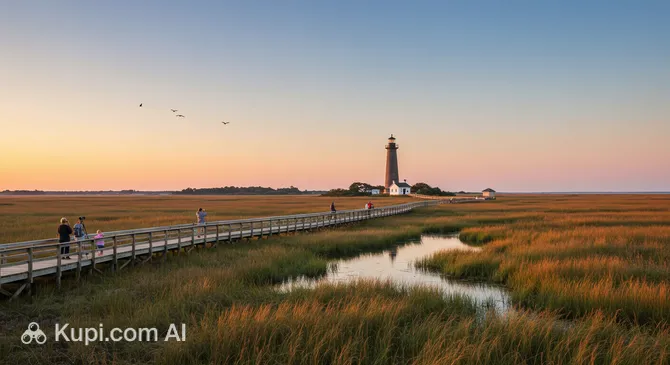
Chincoteague National Wildlife Refuge. Source: Kupi.com Binoculars

The refuge was established to protect the rich ecosystem of coastal zones and serves as a vital sanctuary for hundreds of species of migratory birds. However, its most famous inhabitants — the Chincoteague wild ponies — have brought this place worldwide fame. These short, hardy horses roam freely through the marshes and forests, becoming a living symbol of the region's freedom and natural charm.

In addition to wildlife watching, the refuge offers guests a touch of history through visits to the majestic Assateague Lighthouse and the exploration of the cultural heritage of the indigenous people who once inhabited these lands. It is one of the most visited protected areas in the country, where the pristine nature of the Atlantic coast remains almost untouched.

Contacts

To plan your visit and check current information, you can use the official contact details of the refuge management service.

Phone +1 757-336-6122
Website fws.gov/refuge/chincoteague/
Address 8231 Beach Rd, Chincoteague, VA 23336, USA
Google Maps Open map

What to Do

The main magnet for visitors remains watching the wild ponies. They can be seen grazing in the marshes or resting in the shade of the forests, and in July, the grand "Pony Swim" takes place here, attracting thousands of spectators. For bird lovers, this place is a true Eden: more than 300 species of birds, including rare piping plovers, make the refuge one of the best spots for birdwatchers on the entire East Coast of the USA.

Active tourists will enjoy the numerous hiking and biking trails winding through the dunes and pine forests. Be sure to climb the Assateague Lighthouse: from its height, you'll get a breathtaking panorama of the ocean and coastal lagoons. Kayaking through the calm waters of the coastal zones is also popular, allowing you to see the ecosystem from a completely different perspective.

For family holidays, the refuge provides educational programs and cozy picnic areas. Photographers will find endless inspiration in shots of ghost crabs, foxes, and raccoons, as well as the play of light on the ocean waves. The main rule for all guests is not to feed the animals and to stay on the designated trails to preserve this fragile world for future generations.

Getting There

The refuge is located at the southern tip of Assateague Island, and the way to it lies through the welcoming town of Chincoteague. The main route for travelers is highway VA-175, which leads directly to the bridge connecting the mainland and the islands. Traveling by car is considered the most convenient way: from the town center, you can reach the refuge entrance at 8231 Beach Rd in just 5–10 minutes.

For those who prefer active recreation, renting a bike in town is an excellent option. Dedicated paths allow you to safely reach the park territory while enjoying the sea breeze. If you are planning a visit during the summer, it is wise to head out early, as the location's popularity often leads to traffic congestion at the parking lot entrances.

If you are traveling from afar, the nearest major air hubs are in Washington, D.C. (about 4 hours away) or Philadelphia (about 3 hours). Public transport in the region is limited, so a taxi or car rental will be the best solution for comfortable travel along the USA coast.

History & Facts

The history of this amazing place began in 1943, when the U.S. Fish and Wildlife Service purchased the land from private owners. The primary goal of creating the refuge was to protect migratory waterfowl, for which these shores serve as a vital resting point on the Atlantic Flyway.

Few know that before the refuge was established, a full-fledged Assateague Village existed on the island. In the early 20th century, dozens of families lived here, working at the local lighthouse and fishing. However, after the land passed into the private ownership of Dr. Samuel Fields, residents had to leave their homes, which were literally transported on barges to neighboring Chincoteague. Today, only old foundations and a small cemetery remain of the former settlement.

One of the territory's main historical symbols is the Assateague Lighthouse, built in 1833 and completely rebuilt in 1867. Its bright red and white stripes still serve as a landmark for vessels. No less legendary are the local wild ponies. While there is a beautiful legend about them being rescued from a sinking Spanish galleon, historians believe the horses were brought by colonists in the 17th century to avoid livestock taxes on the mainland.

Time Needed

To enjoy all the beauties of the refuge at a leisurely pace, an average tourist will need between 3 to 6 hours. This is enough time to walk along the main nature trails, climb the lighthouse, and spend time on the beach watching birds or the famous ponies.

If you are planning a serious wildlife photoshoot, a long bike ride to remote sections, or kayaking, it is worth setting aside the whole day. Many travelers prefer to return here several times during a week, especially during bird migration periods or the famous July Pony Swim, to see the refuge in different light and natural states.

Working Hours

The refuge welcomes visitors daily and operates on a consistent schedule. The territory is open for entry from 6:00 AM to 6:00 PM throughout the week, from Monday to Sunday.

Please note that access to the territory after 6:00 PM is restricted, except for those with special permits. Seasonal changes may affect the accessibility of certain trails or facilities, so it is recommended to check the official website for details before your trip.

Nearby

After a stroll through the wilderness of Assateague Island, it's worth taking time to explore the town itself, where you can find many interesting locations. Exploring the surroundings will allow you to dive deeper into the region's culture and try the local cuisine.

Attraction Distance (km)
Museum of Chincoteague Island 1.6
Keko's Bar & Grill 1.9
Maui Jack's Waterpark 2.0
Teaguer's Pub 2.6
Chincoteague Island 3.3
ChincoTiki Caribbean Bar and Grill 3.4
Chatties Lounge 1988 3.4
Bay Cafe 3.4
Ropewalk Restaurant - Chincoteague 3.5
Killock Shoal Lighthouse Tower 4.6

Reached the end of the page?

That means the route is fully explored