Support

Ivy Creek Foundation

About

Imagine a quiet oasis where history and nature are woven into one. Ivy Creek Natural Area is a picturesque territory of about 32 hectares located in Charlottesville, USA. This place serves not only as a sanctuary for local flora and fauna but also as an important monument of African American cultural heritage.
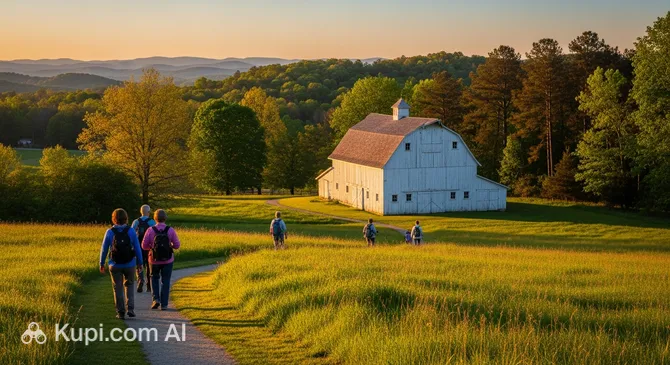
Ivy Creek Natural Area. Source: Kupi.com AI

The centerpiece of the park is the historic River View Farm, which was owned by the Carr-Greer family for nearly a century. Thanks to the efforts of local activists in 1975, these lands were saved from development, preserving their unique ecosystem and authentic buildings, including an old barn and farmhouse. Today, the site is managed by the Ivy Creek Foundation and is open to anyone wishing to touch the region's past.

Visitors value this place for its peaceful atmosphere and the opportunity to see pristine landscapes along Ivy Creek. Here, you can encounter rare birds, walk through shaded trails, and learn the inspiring success story of former slaves who became owners of one of the largest farms in the county.

Contacts

For information about special events, lectures, or volunteer programs, you can contact the administration through official communication channels.

Address 1780 Earlysville Rd, Charlottesville, VA 22903, USA
Phone +1 434-973-7772
Official website ivycreekfoundation.org

What to Do

The main activity here is hiking: there are over 5 kilometers of trails winding through dense forests and sunny meadows. It is an ideal spot for wildlife watching — rare birds and butterflies are often seen here. Please note that to preserve the peace and quiet of the park's inhabitants, dog walking and cycling are prohibited.

History buffs should definitely visit the historic barn, which is open to the public on weekends from April through late November. Inside, you'll find exhibits about the daily life of the Carr family and the development of agriculture. The Foundation also regularly hosts free tours and lectures dedicated to both the area's ecology and its cultural past.

For families with children, a walk here becomes an educational adventure: free brochures with maps and interesting facts are available at a special kiosk near the entrance. It is a wonderful place for landscape photography or quiet contemplation of nature away from the bustle of Charlottesville.

Getting There

Getting to the natural area by car from downtown Charlottesville is quite simple: the drive via US-250 W (Ivy Rd) takes about 10–15 minutes. Convenient free parking is provided for visitors, maintained by a local gardening club.

If you prefer public transportation, you can use Charlottesville Transit Service buses that run to stops on Earlysville Rd. However, keep in mind that you will have to walk about 1–2 kilometers from the bus stop to the park entrance. You can also always order a taxi or use Uber/Lyft services for a more comfortable trip.

For outdoor enthusiasts, cycling is an option, but be prepared for the hilly terrain. Nevertheless, personal transport remains the most preferred option for families with children and those planning to spend a significant part of the day here.

History & Facts

The history of this place began in 1870, when Hugh Carr, a formerly enslaved man who gained his freedom, purchased the first 58 acres of land. Over time, he expanded his holdings to 125 acres, turning them into the thriving River View Farm. This farm became one of the largest African American-owned farms in Albemarle County, serving as a symbol of the Carr-Greer family's resilience and success for an entire century.

The modern chapter began in 1975 thanks to the initiative of Elizabeth Conant. Noticing the natural value of the lands along the creek, she organized a campaign to save them from development. Through the efforts of volunteers and with the support of The Nature Conservancy, the territory was preserved and transferred to the joint ownership of the city and county in 1978, becoming an official natural area.

Today, Ivy Creek Natural Area is listed on the U.S. National Register of Historic Places. It is part of the Virginia African American Heritage Trail, carefully preserving the memory of the Carr family's life and their contribution to the development of agriculture and education in the region.

Time Needed

For a standard introductory walk along the main trails and a look at the exterior of the historic buildings, 1.5–3 hours is sufficient for most visitors. This is enough time to enjoy the silence of the forest and take some beautiful photos by the creek.

If you plan to attend an educational tour, study the barn exhibits in detail, or participate in one of the foundation's bird-watching programs, it's better to set aside half a day (about 4–5 hours) for your visit. A leisurely pace will allow you to truly feel the harmony of nature and history in this unique place.

Working Hours

The natural area is open to the public daily from 07:00 to 20:00, allowing you to enjoy a walk in both the early morning and the rays of the setting sun. Entrance to the park and trails is free.

Please note that access to the historic barn is limited: it is open only on Saturdays and Sundays from 14:00 to 16:00 between April and Thanksgiving. It is recommended to check the schedule of special events and lectures on the foundation's official website in advance, as operating hours on holidays may vary.

Nearby

A visit to the natural area can easily be combined with exploring other iconic sites in the region. Charlottesville and its surroundings are rich in both historical monuments and cozy spots for relaxation that will help you fully experience the atmosphere of Virginia.

Nearby, you'll find famous universities, memorial rooms of great writers, and historic taverns where time seems to have stood still. Below is a list of interesting sites located nearby:

Attraction Distance (km)
The Rotunda 6.2
Edgar Allan Poe Room 6.3
Statue of Homer 6.5
Fry's Spring Beach Club 8.3
Blue Ridge Sanatorium 9.2
Michie Tavern ca. 1784 9.5
Michie Tavern 9.5
Monticello 9.8
Jefferson Vineyards 11.8
James Monroe's Highland 12.5

Reached the end of the page?

That means the route is fully explored