Support

Eagle River

About

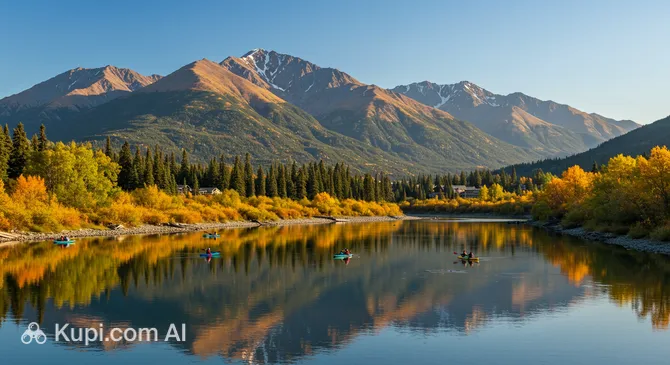
Eagle River is a true gem of northern Wisconsin, surrounded by dense coniferous forests and the vast expanses of the Northwoods. The town is nestled along the banks of the river of the same name and serves as an ideal destination for those dreaming of reconnecting with nature. Located in the northern part of the USA, this corner of the world attracts travelers with its tranquility, crystal-clear air, and the chance to escape the hustle and bustle of big cities.

Eagle River. Illustration.
Source: Kupi.com AI

With a population of around 3,000, Eagle River retains the genuine charm of a small American town. It is the administrative center of Vilas County, where time seems to slow down, allowing you to savor every moment. Eagle River's history is closely tied to the development of the lake country, and today the city harmoniously combines traditions of the past with modern comforts for tourists. Local residents are known for their sincere hospitality, making every guest feel welcome.

The region's greatest pride is its incredible number of water bodies: there are over 1,300 lakes in the county! In summer, people come here for excellent fishing, kayaking, and picturesque sunsets reflected in the calm waters. In winter, the town transforms into a center for active recreation, offering thrilling snowmobile rides along snow-covered trails. Eagle River is worth a visit at any time of year to feel like a part of majestic nature and rediscover the joy of simple pleasures.

Weather Overview

The climate in Eagle River is characterized by pronounced seasonality, offering tourists unique experiences at any time of year. Summers here are moderately warm and comfortable, ideal for outdoor recreation. Traditionally, the hottest month is July, with an average temperature of about 20.5°C, while daytime highs often reach 25°C. However, it's worth remembering that rain is not uncommon in summer: during the warm months, about 12–13 days may have precipitation.

Winter in northern Wisconsin is real and harsh, which creates excellent conditions for winter sports. In January and February, average temperatures stay around -8...-9°C, and nights often cool down to -12°C. The transitional seasons are quite cool: spring takes its time to arrive, with noticeable warming occurring only in May, while September offers a pleasant chill (around 16°C) before temperatures drop toward freezing again in November.

To choose the best dates for your trip, we recommend checking the forecast in advance. In general, expect warm summers with occasional rain and cold winters. Detailed weather in Eagle River will help you pack your suitcase correctly and plan your activities, whether it's summer fishing or winter snowmobiling.

Average monthly temperature

Average monthly precipitation

Interesting Facts

Beyond its main scenic locations, Eagle River holds many fascinating secrets that make it a unique spot on the map. Here are a few surprising facts to help you better understand the character of this town.

  • Eagle River officially holds the proud title of "Snowmobile Capital of the World." It hosts the largest international snowmobile festival and thrilling ice races every year, and the network of specialized trails in the surrounding area exceeds 500 kilometers.

  • The town is the gateway to a unique natural phenomenon—the world's largest chain of interconnected freshwater lakes (the Eagle River Chain of Lakes). Travelers can spend hours moving between the bodies of water by boat, enjoying the fishing and views without ever repeating their route.

  • Eagle River is home to the unusual Carl's Wood Art Museum, dedicated to the art of wood carving. The exposition demonstrates the skill of local artisans and emphasizes the importance of forest resources in the region's history and culture.

  • The local community carefully preserves its traditions, which is why the town is famous for its cultural festivals and craft fairs. Here, the heritage of indigenous peoples and the history of early settlers are harmoniously intertwined, creating a unique atmosphere of warmth and hospitality.

How to Get There

When planning a trip to this picturesque corner of Wisconsin, it is important to think through your logistics in advance, as the town is located far from major metropolises. You can find out more about how to get to Eagle River on our dedicated page, but most tourists prefer a combined route: a flight to one of the regional airports followed by a car rental.

The most convenient option is Rhinelander–Oneida County Airport (RHI). Eagle River itself does not have an airport that handles scheduled flights, so you will need to fly into the city of Rhinelander, which is only 36.5 km away. This is a small but comfortable regional hub. Travel time from the terminal to downtown Eagle River by taxi or rental car is approximately 30–40 minutes. For detailed information, you can visit the transport hub page: Oneida County Airport.

An alternative with more flight options is Central Wisconsin Airport (CWA), located in Mosinee near Wausau. This is a larger hub that handles more passengers, but it is 130.8 km away from Eagle River. The drive from here takes about 1.5–2 hours, but this option is often more cost-effective in terms of ticket prices. Learn more about this hub: Central Wisconsin Airport.

For your convenience, here is a summary of the main airports in the region:

AirportPassenger trafficDistance
Oneida County Airport54 00036 km
Ford Airport39 00088 km
Gogebic County Airport13 94096 km
Central Wisconsin Airport161 680131 km
Houghton County Airport55 000151 km

There is no direct rail service to Eagle River. Given the rural setting, regular bus service may also be limited or non-existent. Therefore, the optimal solution for the final leg of the journey remains renting a car right at the arrival airport. The roads in Wisconsin are of excellent quality, and a self-drive trip will allow you to enjoy views of the famous forests and lakes even before you check into your hotel.

Main Attractions

Eagle River offers tourists entertainment that is inextricably linked with nature and unique local traditions. The main point of attraction is the famous Eagle River Chain of Lakes. This is the world's largest connected system of freshwater lakes, consisting of 28 bodies of water. Travelers come here to rent a pontoon or motorboat and spend the whole day on the water, enjoying trophy fishing for walleye and northern pike or simply admiring the scenic shores lined with thick forests.

Fans of speed and winter sports should definitely visit the World Championship Derby Complex. Since the town bears the title of "Snowmobile Capital of the World," this track becomes the epicenter of events during the winter season. It hosts prestigious world championship snowmobile races, gathering the best riders on the planet. Even if you visit when there are no competitions, the atmosphere of the place, saturated with adrenaline and motorsport history, leaves a strong impression.

A unique seasonal attraction is the Eagle River Ice Castle. This amazing structure is built annually by local volunteers who cut about 3,000 ice blocks directly from frozen Silver Lake. The construction tradition has been alive since the 1920s. The castle, which is especially spectacular under evening illumination, serves as a fairytale backdrop for photos, but keep in mind that it can only be seen during the freezing months, usually from January to February.

For an educational family vacation, the Northwoods Children's Museum is a perfect choice. This space is designed to spark children's curiosity through play. It features more than 20 interactive exhibits dedicated to Wisconsin nature, science, and art. Unlike classic museums, everything here can and should be touched: from a mock-up of a traditional fishing cabin to a science lab, making the visit an exciting adventure for little travelers.

Local Cuisine

Eagle River's gastronomic culture is inextricably linked to its natural riches and its status as a lake country. Fresh fish dishes are rightfully considered the region's hallmark. Tourists are strongly encouraged to try fried walleye with crispy potatoes—a local classic served in many establishments. Northern pike and perch also frequently appear on menus, grilled or in the form of a hearty northern-style fish soup. Smoked fish is so popular here that it has become an essential attribute of family picnics on the shore.

Since the town is in Wisconsin, a cheese plate is a mandatory element of any meal. Special attention should be paid to smoked cheeses, which have a rich aroma. Meat lovers will appreciate sausages prepared according to old German and Polish recipes, which locals have carefully preserved for generations. At farmers' markets, those with a sweet tooth can find natural forest berry jams, homemade pastries, and, of course, the famous maple syrup.

In terms of drinks, the region offers something special that differs from the standard bar assortment. The production of fruit and berry wines is well-developed here. The famous Three Lakes Winery offers unique varieties created from northern berries and fruits grown in these latitudes. A glass of such wine is a great way to get to know the "flavor" of the local terroir.

The food culture in Eagle River is devoid of pretension; it is simple, soulful, and hospitable. In summer, the culinary life spills out onto the streets: outdoor food festivals are popular, where you can snack on hot dogs with local sausages, grilled corn, and fresh pies. Traditional "fisherman's breakfasts" are not just a meal, but an entire ritual that immerses guests in an atmosphere of true northern comfort.

Travel Tips

Welcome to Eagle River! To ensure your journey to the heart of Wisconsin's lake country goes perfectly, we have prepared a list of practical recommendations. These tips will help you focus on your vacation and avoid minor inconveniences in this picturesque corner of the world.

  1. Clothing and Gear. Nature dictates the wardrobe here. In winter, thermal underwear, windproof suits, and warm boots for deep snow are essential. In summer, despite warm days, evenings can be cool, so bring a fleece jacket. Important: be sure to pack long-sleeved clothing and pants for forest walks to protect yourself from mosquitoes and ticks.

  2. Transport Issues. Public transport in the town and its surroundings is practically non-existent. The only reliable way to get around is renting a car. Taxi services or apps like Uber can be unreliable, and wait times are often long. Having your own car will give you the freedom to explore remote lakes and forest trails.

  3. Finances and Payment. The primary currency is the US Dollar. Cards are accepted at most restaurants, hotels, and supermarkets, but it is highly recommended to carry some cash (1, 5, and 10 dollar bills). These will be useful for buying bait in small shops, paying at farmers' markets, or for tipping. The customary tip in cafes is 15–20% of the check.

  4. Health and Safety. Eagle River is a safe town, but the forest requires caution. Use repellents containing DEET to protect against ticks (Lyme disease is present in the region). On the roads, especially at dusk and dawn, be extremely careful: deer frequently run onto the roadway. The nearest large hospital is in neighboring Rhinelander.

  5. Communication and Navigation. In the town center, there are no problems with mobile connectivity, and many establishments offer Wi-Fi. However, deep in the forest or on remote lakes, the signal may disappear. We recommend downloading offline maps of the area in advance. The main language is English; locals speak quite clearly, but knowing basic phrases will be helpful.

  6. Local Etiquette. An atmosphere of "Midwest nice" prevails here. It is customary to greet strangers on walking trails and to be polite to staff. If you are fishing, strictly follow catch regulations and do not take someone else's spot on the docks—respect for personal space and nature is valued above all here.

  7. What to Avoid. Never enter private property without permission. In rural areas, property boundaries are taken very seriously; look out for No Trespassing signs or purple markings on trees. In winter, do not drive a car or snowmobile onto lake ice unless you are 100% sure of the trail's safety—ice conditions can change.

  8. Friday Tradition. If you are in town on a Friday, don't miss the chance to attend a local Fish Fry dinner. Almost all restaurants serve fried fish (usually cod or walleye) with potato salad on this day. It's not just a meal, but an important social ritual that allows you to feel like part of the local community.

Eagle River is a place where nature recharges your energy and the simplicity of life brings peace of mind. By following these simple rules, you can make your stay in the "Snowmobile Capital of the World" as comfortable, safe, and memorable as possible!

Entertainment & Nightlife

Nightlife in Eagle River is fundamentally different from that of noisy metropolises. Here, you won't find massive nightclubs with face control and strict dress codes. Instead, the town offers an immersion into the authentic atmosphere of the American North: cozy taverns, classic supper clubs, and bars with live music where every guest feels like an old friend. Evening entertainment here is imbued with a spirit of neighborliness and relaxation, perfectly complementing an active day in nature.

Most after-dark activity is concentrated in the Downtown area, especially along Wall Street and Railroad Street. Here, you can move from one establishment to another on foot. Another unique feature of Eagle River is its bars located directly on the shores of the lake chain. In summer, people often arrive by boat to enjoy a cocktail at sunset, and in winter, they drive right up on snowmobiles. The atmosphere in these venues is as democratic as it gets: the dress code is casual, with jeans and flannel shirts being appropriate everywhere.

Among the popular spots is the Tribute Brewing Company. This local craft brewery has become a magnet for lovers of quality brews. It offers a relaxed setting, ideal for tasting seasonal ales and socializing. For those seeking a more lively atmosphere with music and billiards, classic American bars like Buckshots Bar & Grill, located just north of the center, are a great fit. Prices in the town are a pleasant surprise: the average check for a drink and a snack is significantly lower than in major tourist hubs.

When planning an evening out, it is important to remember the logistics. Public transport does not run at night, and ride-sharing services (Uber or Lyft) may be unavailable or have very long wait times, especially in the winter season. If you plan to consume alcohol, arrange for a transfer in advance or use a "sober driver" service if provided by your hotel. Eagle River is a very safe town, and night walks through the illuminated center are not a cause for concern; however, in the dark on the outskirts, one should be mindful of wild animals that might cross the road.

Daytime entertainment in the city also deserves attention and often flows into evening gatherings. Families and groups of friends will enjoy Eagle Falls Adventure Golf & Laser Tag—a 1950s-style entertainment complex with mini-golf and laser tag that stays open late during the season. History buffs can stop by local museums, such as the Eagle River Depot Historical Museum, to learn more about the region's railroad past before heading out for dinner.

Parks & Museums

The cultural and natural landscape of Eagle River extends far beyond its famous lakes. The town and its surroundings offer tourists well-kept park areas for quiet relaxation and unique museums that tell the story of the rich logging history, transport development, and life in the northern USA. These are places where you can catch your breath after active adventures and learn more about how the character of this region was formed.

Among the green zones, Riverview Park holds a special place. It is the heart of the town's social life, located very close to the center. The park is ideal for family walks, featuring modern tennis courts, picnic areas, and pleasant alleys. In summer, it becomes the main stage for city events and farmers' markets, and its proximity to the water provides a refreshing coolness on hot days.

For those looking for a beach holiday within the city limits, Silver Lake Park is a real find. It is a picturesque area with a designated sandy beach, where lifeguards are on duty (during the season), and clear water that is perfect for swimming. The park is surrounded by tall trees that provide natural shade, and the presence of changing rooms and barbecue areas makes it a great place to spend the whole day with family or friends.

An immersion into the region's culture is incomplete without a visit to the World Snowmobile HQ. Unlike the race track that many know about, this is specifically a museum and Hall of Fame dedicated to the history of snowmobiling. It houses an impressive collection of vintage machines, from the first clunky prototypes to modern engineering masterpieces. The exhibition clearly shows how the snowmobile evolved from a necessary means of transportation in snowy Wisconsin into an iconic sport and hobby.

History buffs should check out the Eagle River Historical Society Museum, located in a historic railroad depot. The architectural site itself—a beautifully preserved station from the early 20th century—is already of interest. Inside, you will find exhibits telling the story of the "logging boom" era, the lives of early settlers, and the development of tourism. The atmosphere here is very intimate, and volunteers are happy to share little-known facts about the town.

Another important educational center is the Trees For Tomorrow campus. Although primarily a natural resources specialty school, its grounds are open to visitors. Here, you can walk along educational trails, learn about the flora and fauna of the Northwoods, and understand how locals learn to maintain the delicate balance between using forest resources and protecting them.

Insider Tip: If you want to see nature without the tourist crowds, head for a walk to the Otter Rapids Dam. This hydro-technical structure is just a short drive from the town and offers stunning views of rushing water and calm backwaters where you can often spot eagles soaring over the river.

Getting Around

The public transport system in Eagle River is significantly different from what residents of major metropolises are used to. It is important to note right away: there is no subway, tram, or trolleybus system. A city bus network in the traditional sense is also absent. Eagle River is a typical sparsely populated American town whose infrastructure is fully oriented toward personal vehicle owners.

There are limited bus routes for moving around the region served by local transit services (such as Northwoods Transit Connections). However, they operate primarily on a "point-to-point" or "on-demand" system or have an extremely infrequent schedule oriented toward the social needs of the local population rather than tourists. Using them for sightseeing would be highly inconvenient and time-consuming.

The main and practically only comfortable way for travelers to get around is renting a car. Without a car, you will be limited to the town's main street, while the primary attractions—the lakes and forests—are located at a distance. It is recommended to rent a car immediately upon arrival at the airport (for example, in Rhinelander), as the choice of rental agencies in Eagle River itself may be limited.

Taxi services and popular apps (such as Uber or Lyft) do function in the town but have their own peculiarities. Due to the small number of drivers, the wait time for a car can stretch to 30–40 minutes, and at night or in bad weather, the service may be unavailable altogether. Local taxis often accept cash, though apps work on the standard cashless scheme. The cost of trips is above average due to the large distances between sites.

A unique transport feature of Eagle River is its seasonality. In winter, the snowmobile becomes a full-fledged mode of transport. Thanks to the extensive network of trails, you can not only ride a snowmobile through the forest but also pull up directly to the doors of many restaurants, hotels, and shops. In summer, bicycle rentals are popular, but they are best used for rides along dedicated bike paths rather than as a means of travel on motor roads.

The town center (Downtown) is very compact and easy to explore on foot in half an hour. This is where the main souvenir shops and cafes are concentrated. However, if your goal is a full-scale vacation on the lakes, we strongly advise you to arrange for personal transport in advance.

Accommodation

The choice of accommodation in Eagle River fully corresponds to the spirit of this forest region. You are unlikely to find high-rise glass hotels of world chains here. Instead, the region is famous for its unique "Northwoods" style of accommodation—this includes cozy lodges, lakeside resorts, and log cabins scattered among the pines. Travelers have access to a wide range of options: from affordable classic motels along the main roads to luxurious private villas with their own docks.

When choosing a place to stay, you should consider the purpose of your trip. The most prestigious and picturesque area is the shoreline of the Chain of Lakes. Staying here gives you direct access to the water, the ability to park a rented boat right at your cabin, and the chance to enjoy sunsets from your own porch. This is the ideal choice for a summer family vacation and fishing.

For those visiting for active winter recreation, staying near the town center or along Highways 45 and 70 is an excellent option. Many motels and hotels here are "snowmobile friendly": they are located directly on snowmobile trails, allowing you to start your route right from your room's doorstep. This eliminates the need to load your equipment onto a trailer every time.

Booking Tip: Eagle River is an extremely popular destination, especially during peak seasons. If you are planning a trip for July–August or during the World Championship Snowmobile Derby (January), you need to book accommodation at least 3–6 months in advance. The best lakeside cabins are often booked by regular customers a year ahead.

The price range varies from budget (simple motel rooms) to high-end (renting large homes for groups). It is worth noting a feature of the local market: many small family resorts still prefer direct booking by phone or through their own websites, although large aggregator platforms are also widely used to find private apartments and mid-range hotels.

Nearby Cities

For those who want to explore the surrounding area, Eagle River serves as an excellent starting point for day trips to several interesting nearby locations:

Just 15 km to the south is Three Lakes. This is Eagle River's closest neighbor and is often called the "southern gateway" to the famous chain of lakes. A trip here takes very little time but offers new experiences. The town is famous for its cozy atmosphere and its renowned winery, which produces unique wines from local berries like cranberries. It is an ideal spot for a relaxed afternoon break.

If you are willing to drive a bit further for a change of scenery, head to Wausau. This is a larger urban center located at the foot of Rib Mountain. Here, you can visit a magnificent botanical garden, the Leigh Yawkey Woodson Art Museum, or climb to the summit in the state park for a panoramic view of the surroundings. In winter, Wausau attracts skiers to one of the best resorts in the Midwest—Granite Peak.

Lovers of "big water" should consider a trip to Marquette, located on the shores of majestic Lake Superior. Although the drive takes over two hours, the views are worth it. This is a lively university city with a beautiful waterfront, a historic lighthouse, and Presque Isle Park, where you can walk along rocky cliffs overlooking the water. Marquette offers a great combination of outdoor activities and cultural entertainment.

CityPopulationDistance
Three Lakes15 36715 km
Rhinelander7 79834 km
Minocqua4 50036 km
Merrill9 34489 km
Prentice70091 km

These nearby destinations provide a glimpse into the diverse culture and landscapes of the region, complementing your vacation in the lake country with new discoveries.

Shopping & Souvenirs

Overview

Shopping in Eagle River is not about chasing global brands in massive glass malls, but a cozy immersion into the atmosphere of the American North. The "Northwoods" spirit prevails here: shops offer goods that reflect the local way of life, a love of nature, and craftsmanship. The town is famous for its authentic family-run shops, where owners know their regular customers by name. It is the perfect place to find unique rustic home decor, quality outdoor gear, and, of course, the famous local sweets.

Main Shopping Areas and Streets

The heart of the town's commercial life is its historic center—Downtown. The main activity is concentrated on Wall Street and the adjacent Railroad Street. This area is very compact and convenient for walking. Strolling past early 20th-century brick buildings, you will find many clothing boutiques, souvenir shops, and home goods stores. The atmosphere here is especially magical leading up to the holidays, when storefronts are decorated with garlands and the scent of fresh pastries fills the streets.

Shopping Centers

There are no giant shopping malls or outlets in Eagle River of the kind found in metropolises. Trade here is organized differently: large chain supermarkets and essential goods stores are located along the main highways leading into town. However, if you are looking for a concentration of interesting shops under one roof, look for small shopping passages in the center or specialized stores like World Snowmobile HQ, where you can not only view the museum exhibits but also purchase themed clothing and accessories related to snowmobile culture.

Markets

During the summer season, the Eagle River Farmers Market becomes a true hub of activity. It usually operates on Wednesdays and Sundays during the warm months (from May to October). Here, local farmers sell the freshest vegetables, berries, homemade preserves, and flowers. It is also a great place to find items from local artisans, ranging from knitted goods to handmade jewelry. In the fall, the market fills with the vibrant colors of the harvest: pumpkins, cranberries, and apples, turning shopping into a colorful event.

Souvenirs

It is almost impossible to leave Eagle River empty-handed. Here is a list of what you should bring back with you:

  • Sweets and Fudge: The town is famous for its confectioneries, where creamy fudge and taffy are made by hand. An assortment box is the best gift for those with a sweet tooth.
  • Cranberries and Cranberry Products: Wisconsin is a leader in cranberry production. Look for jams, sauces, dried berries, and even cranberry wine.
  • Cheese: You are in the "Dairy State," so be sure to buy a pack of fresh "cheese curds" or aged cheddar.
  • Northwoods Style Clothing: Warm flannel shirts, cozy hoodies featuring moose or bears, and hats will serve as practical reminders of your trip.
  • Wood Decor: Carved animal figurines and interior items made of natural wood are crafted here with exceptional skill.

Opening Hours and Payment

Most shops in the town center open around 09:00 or 10:00 AM and close at 5:00 PM. It is important to remember that the pace of life here is relaxed: on Sundays, many shops may be closed or operate on a reduced schedule (for example, until 2:00 PM). During the peak tourist season (summer and mid-winter), hours may be extended. Bank cards (Visa, MasterCard) are accepted everywhere; however, it is better to have some cash dollars on hand at farmers' markets or when buying small souvenirs.

Tax Free

The Value Added Tax (VAT) refund system (Tax Free) common in European countries is practically non-existent at the federal level for tourists in the USA. Wisconsin has a sales tax (around 5.5%), which is added to the price of the item at the checkout. These funds generally cannot be refunded when leaving the country, so you should account for the tax when planning your shopping budget.
Reached the end of the page?

That means the route is fully explored