Support

Museum of Natural and Cultural History

About

The Museum of Natural and Cultural History is a landmark scientific space located in Eugene, Oregon. As part of the University of Oregon, this venue serves as the primary repository for knowledge about the nature and human heritage of the Pacific Northwest in the USA. The museum harmoniously combines the mysteries of geology, fascinating paleontological finds, and the deep traditions of the region's indigenous peoples under one roof.

Visitors can expect impressive collections numbering thousands of exhibits: from ancient minerals and fossils to rare artifacts of Native American tribes. Special attention is paid to education, so the displays are often complemented by interactive elements that make science clear and engaging for both students and young travelers. Thanks to the high quality of the exhibitions, the site deservedly holds a 4.7 rating among tourists.
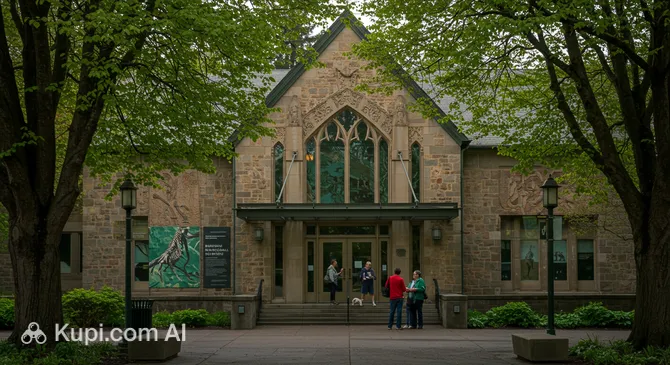
Museum of Natural and Cultural History. Source: Kupi.com AI

At the museum, you can trace the incredible evolutionary path of life in Oregon — from the era of dinosaurs and mammoths to the present day. Thematic halls tell the story of landscape formation, the evolution of fauna, and the rich culture of the Klamath and Molala tribes. This is a must-visit destination for those who want to see the "real" Oregon in all its natural and historical diversity.

Contacts

To confirm the latest information regarding special events or group tours, you can use the official communication channels. The museum is located on the University of Oregon campus.

Address1680 E 15th Ave, Eugene, OR 97401, USA
Phone+1 541-346-3024
Websitemnch.uoregon.edu

What to Do

Within the museum's walls, an exciting journey through the ages awaits you. Be sure to visit the paleontology department, which features mammoth skeletons and the remains of ancient marine reptiles that inhabited this area millions of years ago. Geology enthusiasts will appreciate the collection of rare minerals, which vividly demonstrates the region's volcanic past and the formation process of the famous Cascade Mountains.

For those interested in anthropology, the cultural history hall is a must-see. Here you can view authentic artifacts from indigenous tribes and learn about the lifestyle and traditions of the Klamath and Molala peoples. Interactive screens and 3D dinosaur models allow you to literally touch history, while special educational programs with guides help reveal the secrets of the ice ages in an accessible way.

If you have come with children, be sure to check out the special play areas where young explorers can try their hand as archaeologists at educational "digs." After exploring the indoor galleries, it is pleasant to take a walk through the botanical garden, which features native Oregon plants. It is also an excellent spot for photos: the natural light and unique exhibits provide a beautiful backdrop for memorable shots.

Getting There

Located on the University of Oregon campus, the museum is situated at: 1680 E 15th Ave. If you are planning a trip by car from the city center, the drive via Franklin Boulevard will take only about 5–10 minutes. Parking spaces are available on campus for visitors, with the most convenient lot located next to the Jordan Schnitzer Museum of Art.

Eugene's public transportation is provided by the LTD (Lane Transit District) bus network. To reach the museum, use routes No. 18 or No. 28 — you will need to get off at the University of Oregon - 15th & Agate stop. Those who prefer walking can reach the campus from the downtown area in about 20 minutes, enjoying the vibrant student atmosphere.

For travelers arriving via Eugene Airport (EUG), a taxi or Uber ride will take approximately 20 minutes (the distance is about 15 km). There are also convenient bike paths throughout the campus, making cycling an excellent alternative for active tourists.

History & Facts

The history of the Museum of Natural and Cultural History dates back to the first third of the 20th century. It was conceived as a scientific base at the University of Oregon to systematize the extensive collections gathered during anthropological and geological expeditions. In the 1920s and 1930s, university professors actively explored remote corners of the state, laying the foundation for the future paleontological collection.

The museum received official status and its own building on campus in 1936. This was when the scattered collections found a permanent home, allowing the doors to open to the general public. The museum building itself is an interesting piece of architecture, harmoniously integrated into the university environment.

The mid-20th century was marked by breakthrough discoveries in paleontology. Thanks to large-scale excavations in locations such as John Day, the holdings were enriched with unique finds: skeletons of ancient elephants and saber-toothed cats that roamed these lands millions of years ago. These exhibits remain the pride of the museum and attract researchers from all over the world.

Since the 1970s, the museum has expanded its focus, paying increasing attention to the cultural heritage of the indigenous peoples of the Pacific Northwest. Today, the institution not only preserves artifacts but also conducts active research, regularly publishing data on climate change and the evolution of the region's biodiversity, linking the past with modern ecological challenges.

Time Needed

To leisurely explore the main halls and delve into the details of the exhibitions, most guests require 2 to 3 hours. This is enough time to walk through the anthropology galleries and admire the fossil collection.

If you are traveling with family, it is worth setting aside about 4 hours for the visit. Children often spend a lot of time in the interactive zones, participating in impromptu "digs" or studying 3D models of the planet's ancient inhabitants. You should also budget extra time for a stroll through the museum's small botanical garden.

Working Hours

The museum welcomes visitors from Wednesday to Sunday. Please note that Monday and Tuesday are closed. The standard operating hours are: Wednesday, Friday, Saturday, and Sunday from 10:00 AM to 5:00 PM. On Thursday, the museum extends its hours until 8:00 PM, which is convenient for an evening visit.

As the schedule may change depending on university breaks or public holidays, tourists are strongly encouraged to check for the latest information on the official website before their trip.

Nearby

The museum's location in the heart of Eugene's university district allows tourists to easily combine their visit with other interesting sites. A stroll through the neighborhood will help you get a deeper feel for the local flavor — from cinematic history to peaceful memorial parks.

Below are interesting locations situated within walking distance or a short drive from the museum:

NameApproximate distance (km)
Mayor Carmine DePasto House (from the movie "Animal House")1
Gamma Phi Beta Sorority House1.3
The Eugene Steam Plant1.6
Nobel Peace Park1.9
Hitching Post Square Historical Marker2.1
Eugene Skinner Historical Marker2.9
Skinner Cabin3.1
Springfield Museum of History4
Connors Aquarium Cleaning LLC4.4
Richardson Iron Bridge6

Reached the end of the page?

That means the route is fully explored