Support

Ho'omaluhia Botanical Garden

About

Ho‘omaluhia Botanical Garden is a true oasis of tranquility and natural beauty located in Honolulu, on the picturesque island of Oahu, Hawaii, USA. As one of the city's largest botanical gardens, it covers an impressive area of about 160 hectares at the foot of the majestic Ko‘olau Mountains. The name "Ho‘omaluhia" translates from Hawaiian as "a place to make peace," which perfectly describes the serene atmosphere found here.
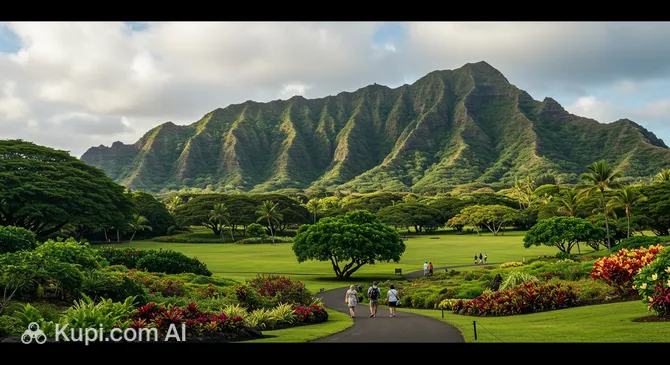
Ho'omaluhia Botanical Garden. Illustration.
Source: Kupi.com AI

Traveler photos:

This unique garden is part of the Honolulu Botanical Gardens system and plays a vital role in the municipal program for the conservation and study of tropical plants. The primary mission of the Ho‘omaluhia Botanical Garden is not only to showcase a rich world of flora but also to create a harmonious space where people can connect with nature.

Visitors can look forward to a fascinating journey through various geographical zones, as the garden houses extensive collections of plants from around the world, primarily from regions with humid tropical climates. You can see flora from Hawaii, Africa, India, Sri Lanka, Malaysia, Polynesia, Melanesia, the Philippines, and Tropical America. A walk along the garden's well-maintained paths against the backdrop of the dramatic Ko‘olau peaks offers an unforgettable experience and allows you to fully appreciate the beauty and diversity of tropical nature.

Contacts

For more information about the Ho‘omaluhia Botanical Garden or to clarify details for your visit, you can use the following contact information. We recommend always checking for the most current information, such as opening hours or entry conditions, directly before your trip.

How to contactContact
Address45-680 Luluku Rd, Kaneohe, HI 96744, USA
Phone number+1 808-233-7323
Websitewww.honolulu.gov

What to Do

A wide variety of engaging activities awaits visitors at the Ho‘omaluhia Botanical Garden. You can set off on a hike along numerous walking trails that lead through themed zones showcasing exotic trees, shrubs, and vibrant flowers from around the globe. A scenic man-made lake lies within the garden, where fishing enthusiasts can enjoy "catch and release" fishing, which is especially popular with families.

For those seeking knowledge, the Ho‘omaluhia Botanical Garden offers various educational programs and guided tours. During these, you can learn fascinating facts about rare and endangered plant species, as well as the traditional use of flora in Hawaiian culture. Photographers and nature lovers will be captivated by the panoramic views of the majestic Ko‘olau Mountains and lush tropical landscapes visible from various points in the garden. Additionally, the garden often hosts art exhibitions, engaging workshops, and themed events dedicated to botany, ecology, and rich Hawaiian heritage. For a complete immersion in nature, camping is available by reservation, allowing you to spend more time in the garden and soak in its peacefulness.

Getting There

Ho‘omaluhia Botanical Garden is located in the scenic area of Kāne‘ohe, approximately 20–25 kilometers from downtown Honolulu. The most convenient way to reach it is by car. The drive from the city center takes about 30–40 minutes via the H-3 or Likelike Highway. For the convenience of visitors, free parking is provided on the garden grounds, so you can easily park your vehicle.

If you prefer public transportation, the Ho‘omaluhia Botanical Garden is also accessible. TheBus routes passing through Kāne‘ohe stop nearby. From the nearest bus stop, it is approximately a 10–15 minute walk to the garden entrance. This is a great option for those who want to combine their trip with a short walk and get a better feel for the local surroundings.

Additionally, you can reach the garden by taxi or by using popular ridesharing services like Uber or Lyft. This is particularly convenient if you are traveling with a group or have a lot of gear. Drivers are generally well-acquainted with the route to this popular Honolulu attraction.

Nearest city: Honolulu

History & Facts

The fascinating history of the Ho‘omaluhia Botanical Garden began in 1982. It was originally conceived not only as a sanctuary of natural beauty but also as a significant engineering project designed to control flooding and preserve the unique natural ecosystems of the Kāne‘ohe valley. From the very beginning, the garden had a dual mission: to protect the rich flora of Hawaii and other tropical regions of the world, and to educate visitors on the vital necessity of preserving biodiversity.

Special attention was paid to the garden's design during its creation. Designers sought to harmoniously integrate all elements, including scenic water reservoirs, into the natural terrain. This resulted in a stunning blend of natural and man-made landscapes where every corner exudes tranquility. Over time, the Ho‘omaluhia Botanical Garden grew beyond its original function, evolving into a significant botanical and cultural center that attracts both Honolulu locals and guests from around the world.

The garden's development is a continuous process. Thanks to active municipal support and the meticulous work of botanists, the collection of the Ho‘omaluhia Botanical Garden is constantly being expanded with rare and valuable plant species from different parts of the globe. This makes it more than just a landmark—it is a living museum of nature, where every visit brings new discoveries and deepens the understanding of the fragility and beauty of the plant world.

Time Needed

To fully enjoy the beauty and diversity of the Ho‘omaluhia Botanical Garden, it is recommended to allocate between 2 to 4 hours for your visit. This time is usually sufficient for an introductory walk through the main thematic zones and to get acquainted with the most interesting plant species gathered here from all over the world.

However, if you are a fan of leisurely strolls, an avid photographer, or are planning a visit with the whole family—especially with children—you might need more time. Participating in the educational tours offered by the garden or organizing a picnic on one of the scenic lawns can also significantly extend your stay in this wonderful place. Ultimately, the duration of your visit depends largely on your interests and how deeply you want to immerse yourself in the atmosphere of tropical nature and the tranquility that the Ho‘omaluhia Botanical Garden provides.

Working Hours

Ho‘omaluhia Botanical Garden is pleased to welcome visitors daily. The garden is open for exploration and discovering the amazing world of plants from 9:00 AM to 4:00 PM. Please note that it is closed on Christmas Day (December 25) and New Year's Day (January 1). Thus, the garden is open year-round, with the exception of these two holidays.

Generally, no advance booking is required to visit the Ho‘omaluhia Botanical Garden, and admission is free. However, if you plan to participate in special programs, tours, or camping, it is recommended to check the conditions and registration requirements in advance on the garden's official website or via their contact number. This will help you plan your visit effectively and avoid any potential inconvenience.

9:00 – 16:00

Nearby

A visit to the Ho‘omaluhia Botanical Garden is an unforgettable experience in itself, but exploring its surroundings can significantly enrich your trip and provide even more vivid impressions. Honolulu and its environs abound with interesting sites, from natural wonders to cultural landmarks, many of which are relatively close to the garden.

By setting aside a little time to explore nearby attractions, you can dive deeper into the Hawaiian atmosphere, see more, and make your trip truly comprehensive and rewarding. Below is a list of some interesting places located near the Ho‘omaluhia Botanical Garden, along with their approximate distances.

NameDistance
Manoa Falls5 km
National Memorial Cemetery of the Pacific9.1 km
Bishop Museum9.1 km
Honolulu Museum of Art10.3 km
Stan Sheriff Center10.3 km
Iolani Palace10.5 km
King Kamehameha Statue10.6 km

Have you reached the end of the page?

So the route has been studied inside and out