Support

Wildlife Sanctuary of Northwest Florida

About

In the heart of the sunny city of Pensacola, located in Florida, USA, lies a wonderful place—the Wildlife Sanctuary of Northwest Florida. It is not just a zoo, but a specialized sanctuary for injured and orphaned local animals, providing help to more than 3,000 individuals annually.
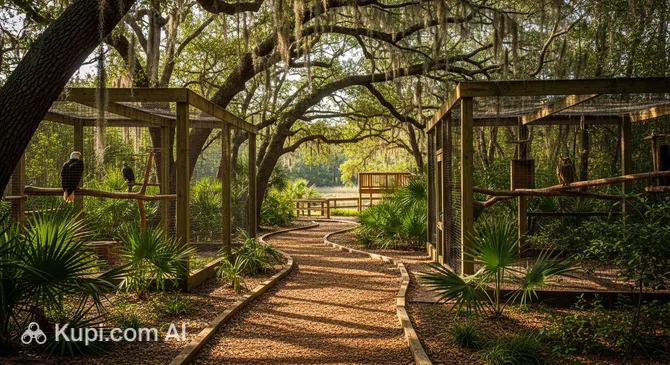
Wildlife Sanctuary of Northwest Florida
Wildlife Sanctuary of Northwest Florida. Иллюстрация. Источник: Kupi.com AI

Founded back in 1982, the sanctuary has become a true home for a wide variety of fauna: from tiny hummingbirds and playful flying squirrels to mighty black bears and noble white-tailed deer. The center's special pride is the bald eagles—the sanctuary is one of the few in the state with official permission to rehabilitate and display these majestic symbols of the nation.

The significance of this place is hard to overestimate, as they not only treat animals but also conduct extensive educational work. Visitors can see how nature recovers after encounters with urban challenges and learn how each of us can help preserve the region's biodiversity.

Contacts

For those planning a visit to this amazing rehabilitation center or wishing to support its work, the current contact details are provided below. You can check information about current programs or visiting rules in advance by phone, or find volunteering details on the official website.

How to contactContact
Address105 N S St, Pensacola, FL 32505, США
Phone+1 850-433-9453
Websitewww.pensacolawildlife.com

What to Do

The main activity here is self-guided tours, which allow you to observe the center's residents at your own pace. You can see rehabilitating owls, pelicans, and eagles in conditions as close as possible to their natural habitat. Be sure to check out the updated pelican viewing area and look for the floating bird platforms—excellent spots for observation and photography.

For curious visitors, there are information panels with QR codes throughout the grounds, revealing fascinating facts about birds of prey's wingspans and the local climate. Children will likely enjoy special photo zones where they can take pictures with images of the sanctuary's inhabitants. After your walk, you can have a small snack at the picnic tables, enjoying the peace and quiet of nature.

If you want to dive deeper into the topic of nature conservation, it is worth looking into the educational programs and summer volunteer internships. For those who have found an injured animal, the sanctuary operates as an intake point daily, providing initial care instructions directly on its website.

Getting There

The sanctuary is located in the central part of the city at 105 N S St, Pensacola. Thanks to its convenient location, it is easy to reach by car using a navigator. Free parking for visitors is provided right next to the center.

If you prefer public transport, you can use the Pensacola Area Transit (PAT) buses, which have stops within walking distance. For those arriving from Pensacola International Airport (PNS), a taxi or rental car ride via I-110 S will take approximately 20–25 minutes.

From the historic city center, the sanctuary is a quick bike ride away, or even accessible on foot if you enjoy long walks. In any case, the journey to this wildlife oasis will not take much of a traveler's time.

Ближайший город: Pensacola

History & Facts

The history of this noble endeavor began in 1982, when a small group of enthusiasts established a refuge in Pensacola to help injured local fauna. Over decades of work, this modest help point has grown into a key rehabilitation center in Northwest Florida, which celebrated its 40th anniversary in 2022.

Its 501C3 non-profit status allows the sanctuary to exist through donations and community support. One notable fact is their long-term partnership with the American Eagle Foundation, spanning over twenty years. This collaboration has helped rescue and return dozens of these majestic birds—symbols of American nature—to the sky.

Interestingly, the sanctuary uses creative fundraising methods: for instance, their aluminum collection and recycling program has been running successfully for over 11 years. Every visit here is not just a chance to see animals but also a touch of the history of dedicated volunteer work and regional environmental care.

Time Needed

To leisurely explore all the enclosures, read the information stands, and take souvenir photos, most guests find 1–2 hours sufficient. This is enough time to get acquainted with the main residents and enjoy a short rest in the shade of the trees.

If you are planning a visit with a large group of children or want to delve deeper into the QR codes containing information about birds of prey, you should allow about 3 hours for your walk. The sanctuary’s calm atmosphere encourages slow contemplation, so you certainly won't feel like rushing.

Working Hours

The sanctuary operates daily from 08:00 to 17:00, accepting injured animals seven days a week. However, it is important to remember that visiting hours for the exhibits are limited.

Self-guided tours are only conducted from Wednesday to Saturday, between 12:00 and 15:30. There is an admission fee (around $5), and it is recommended to check the official website for up-to-date information before your visit, especially if you are planning a group tour.

08:00–17:00

Nearby

After visiting the sanctuary, it is worth spending time at other interesting locations in the city. The surroundings of Pensacola are rich in both historical monuments and modern cultural spaces that will help you get a more complete picture of the state of Florida.

Many of these sites are within a few kilometers, making it easy to plan a full day of sightseeing.

NameDistance
Community Maritime Park3 km
Union Public House3.1 km
Play Pensacola3.1 km
Pensacola Children's Museum3.3 km
Pensacola Museum of History3.3 km
Plaza de Luna3.5 km
Hub Stacey's3.6 km

Reached the end of the page?

That means the route is fully explored