Support

Manito Park

About

Manito Park is a scenic public park spanning approximately 90 acres (36 hectares) in the Manito/Cannon Hill neighborhood of Spokane, Washington, USA. It is more than just a green space; it is a true gem featuring an arboretum, magnificent botanical gardens, and a conservatory. Manito Park is rightfully considered one of Spokane’s top attractions and is even listed on the National Register of Historic Places, highlighting its cultural and historical significance.
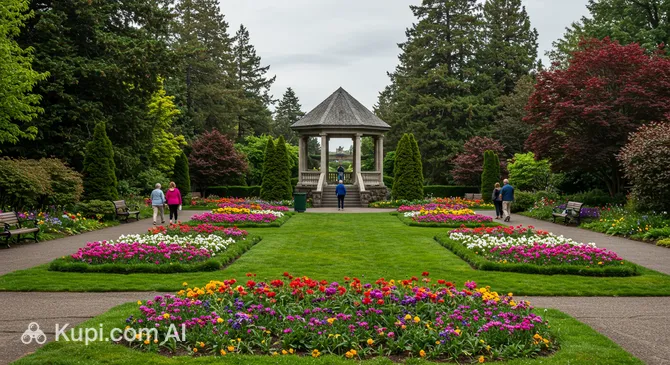
Manito Park. Illustration.
Source: Kupi.com AI

Traveler photos:

The heart of the park is its five main garden areas, each with its own unique character and charm. Visitors can enjoy the tranquil atmosphere of the Nishinomiya Tsutakawa Japanese Garden, admire the classical beauty of the Duncan Garden, breathe in the scent of thousands of roses on Rose Hill, marvel at the diverse shades in the Lilac Garden, or discover the wealth of perennials in the Ferris Garden. Each zone features a unique plant collection and is a true work of landscape design.

One of the wonderful features of Manito Park that sets it apart from many other urban parks with botanical gardens is that admission is completely free. This applies not only to strolling the main grounds but also to visiting all of its specialized gardens. The park is open to guests year-round, inviting them to enjoy its beauty at any time and making it a favorite getaway for both locals and tourists exploring Spokane.

Contacts

For the most up-to-date information about Manito Park, including operating hours, upcoming events, or details for your visit, we recommend consulting official sources. The park is managed by the Spokane Parks and Recreation Department. Additional information, as well as the "Manito Park Walking Tour" brochure, can be found through "The Friends of Manito" organization.

How to contactContact
Address1702 S Grand Blvd, Spokane, WA 99203, USA
Phone number+1 509-625-6200
Websitewww.manitopark.org

What to Do

At Manito Park, visitors can embark on a fascinating journey through various themed gardens, each offering its own unique charm. You can take a leisurely stroll through the classically designed Duncan Garden, immerse yourself in a peaceful atmosphere at the authentic Japanese Garden, admire the splendor of the roses on Rose Hill, or enjoy the beauty and fragrance of the Lilac Garden and the Ferris Perennial Garden. Each of these gardens showcases a unique collection of plants and offers its own special experience.

One of the park's highlights is the Gaiser Conservatory, where you can admire magnificent orchids, exotic flowering plants, and an extensive collection of succulents and cacti year-round. Nearby is the picturesque Mirror Pond—an excellent spot for watching ducks and other waterfowl. The park grounds also feature a historic basalt office building constructed in 1912, adding a touch of historical character to the site.

For those looking for a snack, the Park Bench Café is open seasonally, offering light bites. Families with children will appreciate the upper and lower playgrounds. For fans of panoramic views, there is the Loop Drive and Bridge, which offers majestic vistas, particularly over the Rose Garden. These diverse offerings make Manito Park a wonderful place for relaxation and discovery for visitors of all ages.

Getting There

Manito Park is conveniently located in the picturesque Manito/Cannon Hill neighborhood of Spokane, at the intersection of 17th Avenue and Grand Boulevard. Thanks to its central location, reaching the park by car is straightforward. If you are traveling by car, use these streets as landmarks to easily find this green oasis in Spokane.

Regarding public transportation, while detailed information on specific routes directly to Manito Park may vary, its central position in Spokane makes it accessible by city buses. It is best to check current routes and schedules on the official Spokane transit website or use popular navigation apps once you're on the ground. Of course, a taxi ride from downtown or your hotel is also a quick and comfortable way to reach the park.

If you are traveling through Washington State or the Pacific Northwest USA, reaching Spokane itself is also simple. For example, the city is just a few hours' drive from Seattle. This makes Manito Park an attractive stop on the itinerary for both road-trippers and those using intercity transport to visit Spokane.

Nearest city: Spokane

History & Facts

The history of Manito Park stretches back centuries, to a time when the land it occupies—much like all of modern Spokane and its surroundings—was home to the Spokane people. The arrival of European settlers in the second half of the 19th century marked a new chapter for the region. The population of Spokane began to grow, gradually expanding onto the scenic South Hill overlooking the original settlement at Spokane Falls, where the famous park would eventually be established.

The official founding date of Manito Park is 1904. Interestingly, this 160-acre territory, purchased by newspaperman and entrepreneur Francis Cook, was originally named "Montrose." This name was inspired by the wild roses that grew in abundance on the slopes of South Hill. In those early years, the park was more of an undeveloped recreation area with a few flower beds, picnic spots, and even a small zoo. It was just the beginning of its journey to becoming one of Spokane’s premier exhibition and recreational spaces.

The development of Manito Park went hand in hand with the growth of Spokane itself, which was founded in 1871 (originally as Spokane Falls) and officially incorporated as a city in 1881. By 1910, Spokane's population exceeded 100,000, largely thanks to the expansion of the Northern Pacific Railway, which transformed the city into a vital commercial hub for the Inland Northwest. Amidst this rapid development, Manito Park was gradually transformed, becoming an integral part of the urban infrastructure and a treasured cultural heritage that Spokane residents remain proud of today.

Time Needed

When planning a visit to Manito Park, it's worth setting aside at least 2-3 hours to get a general sense of its beauty and diversity. This allows enough time for a leisurely stroll through several main garden areas, such as the Japanese Garden or Rose Hill, and a visit to the Gaiser Conservatory. However, given the park's extensive grounds and numerous themed gardens, a full and thoughtful exploration of all its corners can take half a day or even longer.

If you wish to study each of the five main garden zones in detail—including the Duncan Garden, Lilac Garden, and Ferris Garden—take photos, relax by Mirror Pond, or visit the café, it's better to plan for at least 4-5 hours. Botany enthusiasts, landscape design lovers, or simply those who prefer a slow-paced retreat in nature can easily spend most of the day here, enjoying the changing scenery and peaceful atmosphere.

Ultimately, the recommended time for visiting Manito Park largely depends on your interests and pace. A couple of hours is enough for a quick look, but to truly soak in the spirit of the place and appreciate all its treasures, it's worth dedicating more time. In any case, even a short walk through this remarkable park in Spokane will leave you with pleasant memories.

Working Hours

Manito Park delights visitors with its accessibility: it is open to the public every day of the year, and entry to all its sections—including famous spots like the Duncan Garden and Japanese Garden, as well as playgrounds and open spaces—is free. This means you can enjoy the park's beauty in any season.

While the park is open year-round, specific daily operating hours are not listed in the provided information. Therefore, to plan your visit optimally and find the most current opening and closing times, it is highly recommended to check the official Manito Park website or consult local Spokane information resources. Given the free admission and general accessibility, advance ticket reservations are typically not required.

Nearby

After you’ve enjoyed the beauty of Manito Park, don’t be in a hurry to leave this charming area of Spokane. Exploring nearby attractions and points of interest can significantly enrich your trip and lead to new discoveries.

In the immediate vicinity of Manito Park, there are several noteworthy sites, ranging from other scenic gardens to cultural and culinary spots. This is a wonderful opportunity to get to know Spokane better and make your journey even more memorable.

NameDistance
Duncan Garden0.6 km
RÜT Bar & Kitchen1.2 km
The Big Dipper1.8 km
Spokane Comedy Club2 km
Churchill's Steakhouse2 km
Wild Sage Bistro2.1 km
Wooden City2.3 km

Have you reached the end of the page?

So the route has been studied inside and out