Support

Trinidad

About

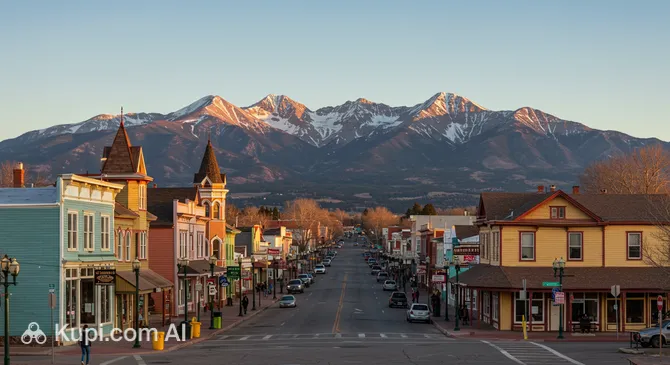
Trinidad is a true hidden gem of southern Colorado, nestled at the foot of the majestic Sangre de Cristo Mountains. Located in the USA near the New Mexico border, this city charms travelers with its unique frontier settlement atmosphere, where different cultures and eras harmoniously intertwine.

Trinidad. Illustration.
Source: Kupi.com AI

Despite its compact size and a population of just over 9,000 people, the city serves as an important cultural hub for Las Animas County. The fascinating history of Trinidad can be felt at every turn: a walk through the historic center with its beautifully preserved architecture allows you to take a real journey back in time and feel the spirit of the American West.

Today, Trinidad attracts tourists not only with its past but also with its vibrant creative life. The city is famous for its numerous art galleries and museums, while its geographical location makes it an excellent starting point for exploring the region's natural beauty — from mountain trails to picturesque lakes. This place is definitely worth visiting for its blend of peaceful relaxation, cultural discovery, and incredible landscapes.

Weather Overview

The climate in this region is characterized by distinct seasonality, making travel interesting at any time of year. Summer in Trinidad is usually warm: in July, the hottest month, the average daytime temperature reaches 28.8°C. However, be prepared for precipitation, as the summer months account for the highest number of wet days.

Winters here are cool and quite dry. In January, the average temperature stays around -1°C, and at night the thermometer often drops to -7.8°C. Expect a warm summer with occasional rain and cold, dry winters.

Spring and autumn bring gradual temperature changes. For example, in May, the air already warms up to a comfortable 21.4°C, although rain is not uncommon during this time. When planning your visit, be sure to check the latest forecast, as the weather in Trinidad can be changeable, especially given its location at the foot of the mountains.

Average monthly temperature

Average monthly precipitation

Interesting Facts

In addition to its main attractions, Trinidad holds many fascinating stories and secrets that make it a truly special place on the Colorado map. Here are a few facts to help you better understand the character of this unique city:

  • Living History of the Wild West. Founded in the mid-19th century, the city quickly became a vital stop on the legendary Santa Fe Trail. Thanks to the gold rush and the development of railroads, it turned into a bustling hub, and today, authentic buildings from that era have been preserved, allowing visitors to touch the past.

  • The Legend of Simpson. The famous Simpson’s Rest overlook towers above the city. Local legend has it that one of the first explorers of these lands, George Simpson, is buried at the summit because he wished to watch over the city from above even after death.

  • A City of Artists. Trinidad is famous for its unexpectedly high concentration of creative people. The city walls are decorated with colorful murals, art festivals are held regularly, and the A.R. Mitchell Museum of Western Art houses an impressive collection of Western art.

  • A Natural Gem. Trinidad Lake State Park is more than just a picnic spot. It regularly ranks among the best recreation spots in the southern part of the state, offering tourists excellent fishing, kayaking, and the chance to enjoy some of the most scenic mountain sunsets in the region.

How to Get There

When planning a trip to this picturesque corner of Colorado, it is important to think through the logistics in advance. The city is located away from noisy metropolises, which gives it a special charm but requires attention to the route. You can find more details on how to get to Trinidad by exploring various options, but the most popular way remains flying into one of the region's major airports and then driving.

Since Trinidad itself does not have a passenger airport, many travelers choose Colorado Springs Airport (COS). This is an optimal choice in terms of distance: the airport is located about 182 km from the city. A trip by rental car or transfer via I-25 will take about 2 hours, which is significantly faster than coming from other major hubs.

For those arriving on international flights or looking for the widest selection of airfares, Denver International Airport (DEN) is the best solution. Although it is further away — at a distance of about 299 km — the drive to Trinidad via the highway usually takes about 3 hours. It is a scenic route that runs along the eastern slopes of the Rocky Mountains.

An interesting alternative is flying into the neighboring state of New Mexico via the Santa Fe (SAF) airport. It is located 224 km south of Trinidad. Choosing this route, you will spend approximately 2.5 hours on the road by car, with the chance to see the beautiful landscapes of the American Southwest.

Below is summary information on the nearest airports to help you plan your trip:

AirportPassenger trafficDistance
Pueblo Memorial Airport12 000124 km
Alamosa Municipal Airport22 981125 km
Colorado Springs Airport2.5 mln182 km
Santa Fe400 000224 km
Gunnison Airport75 000262 km

Railway connections in this area are less developed, so a car remains the primary means of transport. Traveling along the I-25 interstate, which passes directly through the city, is not just a transfer but an opportunity to enjoy views of mountain ranges and endless plains.

Main Attractions

Trinidad offers travelers a unique combination of Wild West heritage, a vibrant art scene, and impressive natural landscapes. A walk through the city feels like a tour of an open-air museum, where every building holds its own secrets. Here is a list of key places you should definitely include in your itinerary.

Trinidad History Museum
This museum complex, occupying an entire block in the historic center, is the heart of the city's cultural life. It includes several iconic buildings, such as the Baca House and the Bloom Mansion, which showcase the contrast between the lifestyle of early settlers and late 19th-century Victorian luxury. Tourists find this site interesting for its deep dive into the Santa Fe Trail era and the rich tapestry of cultures that shaped the region.

Trinidad Lake State Park
Located just a few minutes' drive from the city, this park is a magnet for outdoor enthusiasts. The vast reservoir is surrounded by scenic hills and offers stunning views of the Sangre de Cristo mountain range. It is an ideal spot for fishing, boating, camping, and hiking. Travelers appreciate the park for its tranquility, clean air, and the opportunity to see Colorado's wildlife in close proximity to civilization.

A.R. Mitchell Museum of Western Art
For art lovers and those drawn to cowboy romance, this museum is a true discovery. It is dedicated to the work of Arthur Roy Mitchell, the famous Western illustrator whose work graced the covers of many popular magazines. Besides paintings, the museum houses a collection of Wild West artifacts and Hispanic heritage items. The museum is particularly interesting for its authentic atmosphere, located in an old department store building with preserved hardwood floors and tin ceilings.

Simpson’s Rest
This high point, featuring the recognizable "TRINIDAD" sign on its slope, is the city's landmark. A hiking trail and a road lead to the top, ending at the grave of pioneer George Simpson. Tourists climb up here for the best panorama in the area: from here, the entire city is visible at a glance, while the peaks of the Rocky Mountains rise majestically on the horizon. It is the best place to watch the sunset and take panoramic photos.

Art Cartopia Museum
A relatively new but incredibly popular attraction demonstrating the modern, eccentric spirit of Trinidad. It displays a collection of whimsically decorated cars, each of which is a work of art. This place is worth visiting to see the other side of the city — creative, fun, and a little bit crazy. Tours are often conducted by the artists themselves, making the visit even more memorable.

Local Cuisine

Trinidad's culinary scene is a vibrant reflection of its border location. The city's cuisine is a bold and colorful blend of classic American traditions and the rich flavors of the Southwest. Local establishments don't chase high fashion, preferring to serve hearty, honest dishes made from fresh farm products.

The main culinary symbol of the region is undoubtedly green chili. This thick, spicy pepper stew is prepared here according to old recipes passed down through generations. It is served as a standalone dish with warm tortillas or generously smothered over burritos and eggs. If you want to understand the taste of real Colorado, this is the place to start.

For meat lovers, Trinidad offers excellent steaks and burgers. Thanks to the proximity of many ranches, the beef here is always fresh and of excellent quality. Fish delicacies are also noteworthy: local restaurants often feature river trout caught in nearby lakes and streams. It is prepared simply, often grilled, to preserve its natural delicate flavor.

The farmers' markets in the city center create a special atmosphere. These are the best places to discover local sweets, such as signature caramelized apples or sweet corn cakes. You can also try homemade cheeses and smoked meats here. In the fall, the city's gastronomic life reaches its peak during harvest festivals, where tastings of local wines and craft beer are accompanied by live music and the aroma of barbecue.

Travel Tips

Welcome to Trinidad — a city where the spirit of the Wild West meets the creative energy of today! To make your trip as comfortable and worry-free as possible, we have prepared a list of useful recommendations to help you feel at home and avoid common tourist mistakes.

  1. Clothing and Gear. Colorado weather is famous for its variability, so layering is your best friend. Even in summer, evenings can be cool, so a light jacket or fleece is a must. For walks in the historic center and Trinidad Lake Park, bring comfortable flat shoes or trekking boots. Don't forget sunglasses and sunscreen — the sun is very active at high altitudes.

  2. Transport. The historic city center is compact and ideal for walking, but you will need a car for a full exploration of the surroundings. Public transport is limited, and ride-sharing services (Uber or Lyft) may have long wait times due to few drivers. Renting a car will give you the freedom to visit the lake or drive along the scenic Highway of Legends.

  3. Finances. The local currency is the US Dollar. Bank cards are accepted almost everywhere, from museums to small cafes, but having some cash (bills in $1, $5, $10 denominations) is useful for tips or farmers' market purchases. Don't forget the tipping culture: it's customary to leave 15–20% of the bill in restaurants if you enjoyed the service.

  4. Health and Safety. Trinidad is a quiet city, but standard precautions apply. The main point to note is the altitude; drink more water to avoid symptoms of altitude sickness (headache, fatigue). There are pharmacies in town, but 24-hour ones are hard to find, so it's better to pack a basic first-aid kit in advance. The emergency number is 911.

  5. Communication. The primary language is English, but thanks to its rich heritage, many locals also understand Spanish. Free Wi-Fi is available in most hotels and popular cafes downtown. However, for mountain trips, we recommend downloading offline maps in advance, as mobile reception outside the city can be spotty.

  6. Local Etiquette. People here are open and friendly, and the pace of life is more relaxed than in large cities. It's common to greet shopkeepers and even passersby on quiet streets. In conversation, locals value sincerity and a calm tone. If you visit natural areas, follow the "leave no trace" rule — always take your trash with you.

  7. What to Avoid. Strictly avoid trespassing on private property. This is taken very seriously in rural Colorado: fences and "Private Property" or "No Trespassing" signs mean that entry is strictly prohibited. Also, never feed wild animals (deer or bears), even if you encounter them in a park — it's dangerous for both you and them.

  8. Insider Tip. Pay attention to the Corazon de Trinidad creative district. If you happen to be here on the first Friday of the month, be sure to visit the "Art Walk," when galleries stay open late and music plays in the streets. This is the best way to meet local creatives and see the city at its most vibrant.

Trinidad is a place where time flows a little differently, allowing you to enjoy every moment without unnecessary rush. By following these simple tips, you can focus on the main things: the beauty of the mountains, the richness of history, and the unique hospitality of this colorful corner that travelers to the USA love to visit so much.

Entertainment & Nightlife

Nightlife in Trinidad is not about loud raves or the neon lights of major metropolises; instead, it offers a cozy Old West atmosphere mixed with modern hospitality. Evening entertainment is primarily concentrated in the historic city center, known as the Corazon de Trinidad district. This is where, along Commercial Street and Main Street, you'll find the main establishments where locals and tourists gather after sunset.

The atmosphere in local bars and pubs is casual and relaxed. There is no strict dress code: jeans, comfortable shoes, and a flannel shirt will be appropriate anywhere. The crowd is eclectic — from cowboys and farmers to artists and travelers passing through the state. Most places are open until midnight or until 2:00 AM on weekends, but kitchens often close by 9:00 PM–10:00 PM, so it's better to have dinner early.

If you're looking for a place to grab a drink and socialize, check out Brix Sports Bar & Grill. This is a classic American sports bar in the city center where you can watch game broadcasts, enjoy locally produced beer, and have a hearty meal. It can get lively on weekends, but the atmosphere always remains friendly.

For lovers of live music and authentic flair, Trinidad Lounge is a great choice. This is an establishment with history, frequently hosting local bands playing blues, rock, or country. The interior is simple, but that's exactly what creates that "real" small-town bar feeling in the USA that many travelers look for.

Those who prefer a more cultural pastime should check the schedule at Main Street Live. This community theater and concert venue regularly hosts evening plays, musical shows, and comedy performances. It’s a great alternative to bars for a quiet evening with family or friends.

As for daytime entertainment before the evening begins, Trinidad offers a rich program. The city is famous for its art galleries and unique museums, such as the Trinidad History Museum. Architecture buffs can simply stroll through the center, admiring the magnificently preserved Victorian buildings in the daylight.

Safety and Transport: Trinidad's downtown area is considered safe for evening walks, and the streets are well-lit. However, as in any city, it's wise to stick to crowded places and not leave valuables unattended. Public transport does not run at night, and ride-sharing services (Uber or Lyft) may be unavailable due to a small number of drivers. If your hotel is far from the center, it's better to arrange a transfer in advance or use a rental car, but remember the strict laws regarding driving under the influence.
Parks & Museums

Trinidad harmoniously combines the rugged beauty of Colorado nature with a rich cultural heritage, offering tourists not only walks through historic streets but also relaxation in picturesque green zones. The city and its surroundings invite slow exploration, whether birdwatching by the river or diving into the region's archaeological past.

The Purgatoire Riverwalk is perhaps the city's most scenic pedestrian artery. The trail winds along the riverbed, creating a sense of being at one with nature right within the city limits. It's an ideal spot for morning jogs or evening strolls, where you can see deer coming to drink and enjoy the shade of century-old trees.

Another important green oasis is Kit Carson Park. Located right in the center, it serves as a reminder of the city's frontier past and is named after the famous Wild West explorer. A bronze statue of the hero stands here, while well-kept lawns and benches make the park a wonderful place for a picnic or a rest after touring the downtown area.

The city's cultural scene goes beyond classic exhibits. Of special note is the Louden-Henritze Archaeology Museum, located on the campus of Trinidad State College. The museum's exhibits transport visitors back millions of years, showcasing fossils, dinosaur tracks, and geological finds discovered in the Raton Basin. It’s a fascinating place for those who want to see what this land looked like long before humans appeared.

While the Trinidad History Museum is already known to many travelers, its Heritage Gardens deserve special mention. This is a living open-air museum where plants typical of the Victorian era and early settlers are grown. A walk here allows you not only to enjoy the floral scents but also to understand the daily lives of the people who lived here in the 19th century.

In terms of architecture, the entire downtown area, known as Corazon de Trinidad, is a National Historic District. As you walk along the brick-paved streets, look for Temple Aaron. This is one of the oldest synagogues in the Rocky Mountain region, impressive with its stained glass windows and red brick facade with a distinctive onion dome, a rare example of Moorish style in Colorado.

For a complete experience, we suggest stopping by the Southern Colorado Coal Miners Memorial. While not a traditional museum, this monument located in a small park is a vital point for understanding the region's industrial history and pays tribute to the miners' labor that shaped the city's economy.

Insider Tip: If you want to see the city from an unusual perspective, take a walk through the residential neighborhoods north of Main Street. There you can find stunning examples of Victorian cottages that aren't in standard guidebooks but perfectly capture the atmosphere of old Trinidad.

Getting Around

Trinidad's transportation system differs significantly from what tourists are used to seeing in major metropolises. Since it is a small and compact city, there are no subways, trams, or extensive networks of large buses. Getting around the historic center is most often done on foot, which is the best way to feel the atmosphere of the ancient streets; however, for trips to outlying areas, there are certain nuances.

The main form of public transport is a local bus service managed by the regional council (SCCOG Transit). These are not typical city liners, but rather small shuttles or minibuses that run on fixed routes. They connect residential areas with the center, medical facilities, and retail points. It is important to note that this transport is primarily oriented toward local residents and operates mainly on weekdays during the day. There may be no service at all in the evenings or on weekends.

The fare payment system here is as simple and conservative as it gets. Local minibuses and shuttles do not use contactless transport cards or mobile apps for validation. Payment is made in cash to the driver upon boarding. The fare is very affordable and often symbolic, but tourists are strongly advised to have small bills and coins, as the driver may not have change for large banknotes.

A unique transport feature of the city is the presence of a train station served by the national Amtrak network. The legendary Southwest Chief route, connecting Chicago and Los Angeles, passes through Trinidad. For many travelers, arriving in the city by train is an adventure in itself, and the historic station building serves as a gateway to the region. It is better to buy train tickets in advance online, as this is intercity transport.

Regarding alternative ways of getting around, the most reliable option for a tourist remains renting a car. This is especially true if you plan to visit natural attractions outside the city limits, such as Trinidad Lake. Taxi services exist in the city, but there are few cars, and it's best to order them by phone in advance. Popular ride-sharing apps may be unreliable: waiting times are often long due to the small number of active drivers.

For those who love an active lifestyle, Trinidad offers excellent opportunities for cycling. While there is no centralized city bike-share system with stations, the terrain of the historic center is well-suited for two-wheeled travel. A bicycle is a great aid for viewing the architecture and riding along the riverfront, allowing you to be independent of public transport schedules.

Accommodation

The choice of accommodation in Trinidad, while not matching the scale of large metropolises, offers tourists variety and character that suit the spirit of this historic city. Here, you won't find massive world-class luxury resorts, but you can stay in cozy motels, reliable mid-range chain hotels, or atmospheric inns located in restored Victorian-era buildings.

In terms of location, lodging options can be roughly divided into two main zones. The first is Downtown (the historic center). Hotels here are ideal for those who want to be within walking distance of museums, galleries, and restaurants on Main Street, immersing themselves in the Old West atmosphere. The second popular zone is along the I-25 highway (Exits 11, 13, 15). Modern chain hotels and motels are concentrated here, chosen by travelers who value quick highway access, predictable service, and spacious parking.

Local Bed & Breakfasts and small boutique hotels are particularly popular with those seeking a unique experience. They are often located in old mansions, allowing guests to literally touch history. For nature lovers and road trippers, equipped campgrounds and RV parks are available around the city, especially closer to Trinidad Lake State Park, offering scenic mountain views instead of city noise.

Booking Tip: Even though Trinidad is a small city, it becomes very busy during the summer months and during major cultural events like the Art Cartopia festival. During these times, demand for housing spikes, so it is highly recommended to book rooms in advance to guarantee comfortable accommodation at a fair price.

The price range in the city varies mainly from budget to mid-range. Prices here are generally noticeably lower than in Colorado's popular ski resorts, making the trip affordable for most tourists. Booking is most convenient through major online platforms, where most local properties are listed, though for historic boutique hotels, it's sometimes better to check availability directly through their websites.

Nearby Cities

For those looking to explore the surrounding area, Trinidad serves as an excellent starting point for day trips to several interesting nearby locations. The region is rich in natural and cultural attractions that are easily accessible by car.

Pueblo. Located just over an hour's drive to the north, this city offers a great opportunity for a change of scenery. The main attraction here is the Historic Arkansas Riverwalk, where you can enjoy a stroll along the canal or take an excursion boat ride. Pueblo is also known for its museums and its famous green chili festival, reflecting the region's gastronomic traditions.

Santa Fe. A journey south will lead you to one of the most colorful cities the USA is famous for. The capital of the neighboring state of New Mexico is known for its unique adobe architecture, historic central plaza, and an incredible concentration of art galleries on Canyon Road. It is an ideal place for those seeking cultural enrichment and wanting to try authentic Southwestern cuisine.

Colorado Springs. Although the drive takes about two hours, this city is worth visiting for its natural wonders. It is home to the famous Garden of the Gods park with its whimsical red rock formations and offers views of the majestic Pikes Peak. Additionally, the city offers many family attractions, including a zoo and museums.

CityPopulationDistance
Raton6 00030 km
Angel Fire1 300111 km
Pueblo142 727123 km
Alamosa9 704126 km
Taos6 809128 km

These nearby destinations allow for a full appreciation of the diverse culture and landscapes surrounding Trinidad.

Shopping & Souvenirs

Shopping in Trinidad is not your typical marathon through massive malls with global brands, but rather an exciting treasure hunt in an atmosphere of living history. The city, which has preserved its Wild West flair, offers tourists a unique experience of browsing small private shops nestled in restored Victorian-era buildings along Main and Commercial Streets.

A hallmark of the local trade is the impressive number of antique shops. Collectors and vintage lovers often come here specifically to find rare interior items, antique jewelry, coins, or artifacts from the time of the early settlers. The shopkeepers in these places are true history buffs, ready to tell an amazing legend about every item, whether it's an old miner's lamp or a 19th-century porcelain doll.

Thanks to its status as a certified creative district (Corazon de Trinidad Creative District), the city has become home to many artists and craftsmen. In local galleries and studios, you can purchase truly unique souvenirs: paintings of USA landscapes and majestic mountains, handmade ceramics, textiles, or jewelry made from semi-precious stones found in this region. Buying these items is not just shopping, but support for local culture.

Special attention should be paid to shops with traditional Western-style clothing and gear. Trinidad is the ideal place to buy authentic cowboy boots, a high-quality hat, or a handmade belt with a massive buckle. Natural leather and traditional production techniques are valued here, so these items last for years and look very authentic.

When planning your shopping, it's important to remember the relaxed pace of life in this small city. Most shops are family-run businesses with individual schedules. Generally, shops open around 10:00 AM and close as early as 5:00 PM–6:00 PM. On Sundays, many shops may be closed or have reduced hours, so it's best to set aside time for shopping on weekdays or Saturday mornings.

Reached the end of the page?

That means the route is fully explored