Support

Merida

Attractions

About

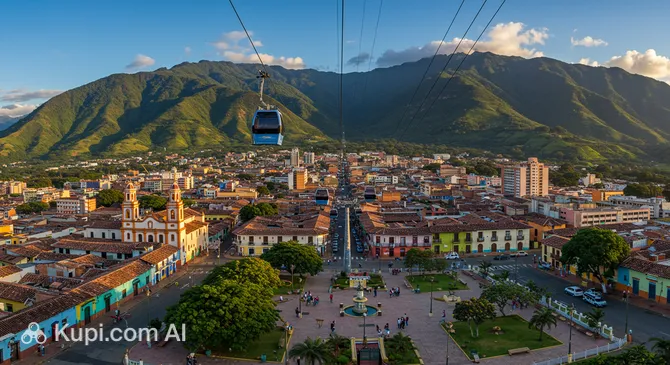
Mérida is not just the administrative center of the state of the same name, but a true tourist gem hidden among majestic mountain peaks. The city is located at an altitude of about 1,600 meters above sea level, in a picturesque valley between the two mountain chains of the Cordillera de Mérida. Situated in western Venezuela, it attracts travelers with its unique "eternal spring" climate and incredible landscapes, where tropical greenery neighbors snow-capped peaks.

With a population of about 300,000, the city maintains a cozy and friendly atmosphere, harmoniously blending the rhythm of modern life with natural tranquility. Mérida is literally immersed in greenery: there are 28 parks here, which is a record for the country. This is a place where clean mountain air and an abundance of squares create ideal conditions for leisurely walks and a break from the hustle and bustle.
Mérida. Illustration.
Source: Kupi.com AI

A special charm is given to the city by its status as the regional university and cultural center. However, modernity here is closely intertwined with the past: the rich history of Mérida is reflected in its colonial architecture, ancient churches, and local traditions. Travelers can enjoy not only the beauty of nature but also the deep cultural heritage carefully preserved by the locals.

The city's main claim to fame is rightfully considered the famous Mukumbarí cable car — the longest and highest in the world, carrying the brave to Espejo Peak. Additionally, Mérida serves as an excellent starting point for ecotourism: routes to mountain lagoons and tropical forests begin here. Whether you are looking for exciting adventures in the Andes or want to enjoy gastronomic delights and the tranquility of park alleys, this hospitable city is sure to give you an unforgettable experience.
Weather Overview

Погода:

Mérida's climate is often called "eternal spring," making the city comfortable to visit year-round. Thanks to its high-mountain location in the Andes, there is no exhausting tropical heat here. The temperature regime is surprisingly stable: average indicators stay around 14–16°C regardless of the month.

During the day, the air usually warms up to a pleasant 17–19°C, creating ideal conditions for active recreation; however, nights can be quite cool, with temperatures dropping to 10–12°C. A characteristic feature of the weather is high cloud cover and frequent precipitation. Judging by the statistics, rainy or foggy days are a common occurrence here: their number varies from 25 to 31 days per month, so an umbrella or raincoat will be your faithful companions.

Expect mild, steady weather throughout the year with moderately warm days, fresh nights, and frequent but often short-lived precipitation. To choose the right wardrobe for your trip, we recommend checking the current weather in Mérida before your journey.

Average monthly temperature

Average monthly precipitation

Interesting Facts

Beyond the main tourist routes, Mérida holds many fascinating secrets and impressive records. This high-mountain city will surprise you not only with its landscapes but also with its rich history of engineering and cultural achievements.

  • Record height. The famous cable car, built in 1958, is a true pride of the region. It starts in the city center at an altitude of 1,639 meters and lifts travelers to Espejo Peak at an incredible 4,765 meters. With a route length of 12.5 kilometers, this attraction allows you to literally soar above the clouds while observing Venezuela's second-highest peak.

  • Mysticism of the Andes. The city is shrouded in legends rooted in the beliefs of indigenous peoples. Local traditions are closely intertwined with the veneration of nature: festivals dedicated to mountain spirits and harvest celebrations are regularly held here, where ancient rituals and ancestral customs come to life.

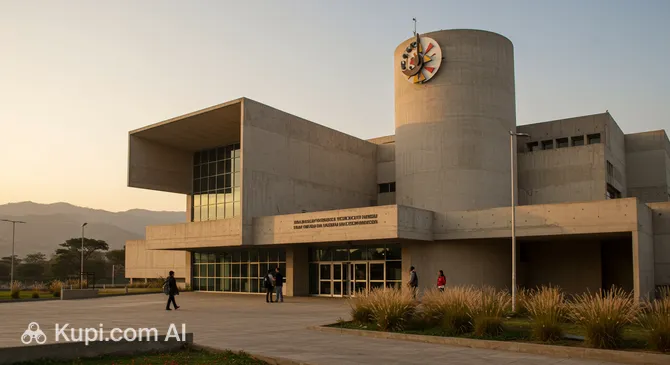
  • Scientific center. Mérida is known as the cradle of Venezuelan science and art, having given the country many outstanding minds. This status is confirmed by the popular Science and Technology Museum, which continues the traditions of enlightenment, making complex knowledge accessible and interesting for every visitor.

Museum of Science and Technology. Illustration.
Source: Kupi.com AI

Traveler photos:

How to Get There

When planning a trip to the heart of the Venezuelan Andes, it is important to consider that a direct path by air is not always possible, and the route often includes a ground transfer. You can learn more about how to get to Mérida by studying various route options. Since the city is located in a mountainous area, many travelers choose to fly to major nearby transport hubs followed by a trip by car or bus.

One of the most popular options is arriving at La Chinita (IATA: MAR). This international airport is located not in Mérida itself, but in the city of Maracaibo, about 228 km from the destination. It is a major transport hub with high passenger traffic, receiving many flights. The journey from here to Mérida by taxi or car will take about 6 hours, allowing you to enjoy the changing landscapes along the way.

Another popular option is arriving at Barquisimeto Airport (IATA: BRM). It is located in the city of Barquisimeto, approximately 258 km from Mérida. This is a regional airport with medium passenger traffic. The trip by taxi or private transfer from here will take approximately 7 hours. It is also worth mentioning Camilo Daza International Airport (IATA: CUC). Note that it is located in the city of Cúcuta (Colombia), about 163 km from Mérida. This is the nearest major international airport, but choosing this route involves crossing the border.

For clarity, here is a summary of the main airports:

AirportPassenger trafficDistance
San Antonio120 000160 km
Camilo Daza International Airport1.7 mln163 km
Arauca Airport120 000173 km
Los Colonizadores34 000194 km
La Chinita Airport2.3 mln228 km

Direct rail connections to the city of Mérida are currently unavailable. Tourists arriving in the region are recommended to use the developed network of intercity buses or taxi services. The roads leading to the city pass through picturesque mountain passes, making the trip itself part of the tourist adventure. It is recommended to plan your transfer in advance, taking into account the mountain terrain and travel time.

Main Attractions

Mérida is a city where history intertwines with modernity, and the majestic Andes serve as a picturesque backdrop for city walks. Travelers come here not only for the mountain landscapes but also to visit unique places that reflect the spirit of this university and cultural center of Venezuela. Among the many interesting locations, several key points of attraction are worth including in your itinerary.

One of the city's landmarks is the Science and Technology Museum. This place will be interesting for visitors of all ages, as complex scientific phenomena are explained in simple and engaging language. The museum is famous for its interactive exhibits dedicated to astronomy, geology, and technological progress. It is not just an exhibition, but a real educational space that emphasizes Mérida's status as a city of knowledge and students.

Museum of Science and Technology. Illustration.
Source: Kupi.com AI

Traveler photos:

For those who want to take a break from the city noise without leaving the city limits, Ciudad de los Niños Park is an ideal place. This is a large-scale green zone created specifically for family vacations and leisurely walks. The park impresses with its well-kept territory, many playgrounds, and cozy alleys. Here you can enjoy the fresh mountain air and the beauty of nature, making it a popular spot for both tourists and locals alike.

Fans of modern leisure and shopping should check out Rodeo Plaza. This shopping center has become one of the hubs of the city's social life. Here you can not only shop but also find entertainment for every taste, from cinemas to cafes. After a busy day of sightseeing, many tourists choose this place to relax and feel the rhythm of modern Mérida.

The city's gastronomic scene also deserves attention as part of the tourist experience. For example, the Montaña Grill restaurant is known for its cozy atmosphere and dishes that allow you to appreciate local culinary traditions. Visiting such places helps to better understand the region's culture through the taste of its cuisine, which is an integral part of any trip through the Andes.

Local Cuisine

Mérida's cuisine is a gastronomic mirror of the Andes, where culinary traditions are intertwined with the wealth of mountain resources. Unlike the coastal regions of Venezuela, hearty and warming dishes prevail here, perfectly suited for the cool high-mountain climate. The basis of the local diet consists of potatoes, corn, grains, and fresh vegetables grown on the mountain slopes, and the use of aromatic herbs gives the food a unique taste.

The main delicacy of the region is rightfully considered river trout (trucha). This fish is caught in the purest mountain rivers and lakes and then prepared in many ways: fried with garlic, baked, or stuffed with mushrooms and ham. Another must-try dish is pisca andina. This is a delicate soup based on potatoes, milk, eggs, and cheese, which locals often eat for breakfast to warm up and recharge for the whole day.

One cannot talk about Mérida's cuisine without mentioning the famous local cheeses. Thanks to developed cattle breeding in the highlands, excellent smoked cheese (queso ahumado) is produced here, which can be bought at markets and in specialized shops. Fans of street food should try arepas — traditional flatbreads that are often made here not only from corn flour but also from wheat flour (arepa andina), filling them with cheese, meat, or vegetables.

For those with a sweet tooth, the city offers unique desserts based on local fruits. The highlight of the dessert menu is strawberries and cream (fresas con crema), sold literally on every corner on the way to the mountains. Also popular are "dulces abrillantados" — colorful glazed sweets made from milk and sugar, which are often taken away as a delicious souvenir.

As for drinks, the consumption culture here also has its own characteristics. Among alcoholic beverages, miche is well-known — a strong liquor based on fennel or anise, which is believed to help against the cold. Those who prefer non-alcoholic options should order hot chocolate made from local cocoa or a cup of aromatic coffee grown in the surrounding valleys. Chicha andina is also popular — a thick fermented drink made from corn or pineapple.

You can get acquainted with the local cuisine both at colorful farmers' markets, where an atmosphere of authenticity reigns, and in the city's cozy establishments. For example, the Montaña Grill restaurant offers guests an excellent opportunity to enjoy meat dishes and local character in a comfortable setting. Gastronomic festivals are regularly held in the city, where the best chefs demonstrate their skills, turning food into a real art.

Travel Tips

Mérida is a city with a unique character, where the high-mountain climate and student atmosphere dictate their own rules of life. To make your trip through the "city of eternal spring" as comfortable as possible and without everyday surprises, we have prepared a list of important practical recommendations relevant to this region.

  1. Wardrobe for changeable weather. It is warm and sunny in the city during the day, but as soon as the sun disappears, the temperature drops noticeably. Dress on the "onion principle": a T-shirt, sweater, and light jacket that can be taken off or put on as needed. Be sure to bring comfortable flat shoes for walking the hilly streets and a quality raincoat or umbrella — sudden rains are common here.

  2. Transport nuances. The safest way for a tourist to get around is by official taxis or hotel transfers. There are no meters in the cars, so always agree on the price before boarding. Local buses ("busetas") are very cheap and colorful but often overcrowded and do not have a clear schedule. Renting a car is only worth it for experienced drivers ready for mountain serpentines and local driving specifics.

  3. Finances and currency. The most important rule: bring cash US dollars in small bills (1, 5, 10, 20). The bills must be in perfect condition: no tears, stains, or extra marks, otherwise they simply won't be accepted. International cards work extremely unstable, and ATMs are practically useless for foreigners due to limits. It is better to exchange currency at the hotel or with trusted guides.

  4. Health and safety. Mérida is considered one of the calmest cities in Venezuela, however, basic precautions are necessary: do not walk in deserted areas at night and do not "show off" expensive phones on the street. Consider the altitude (1,600 m): in the first few days, drink more water and avoid heavy food so your body can adapt. Pharmacies (for example, Farmatodo) are well-supplied, but it is better to bring specific medications with you.

  5. Connection and communication. Not many people here know English, so download an offline translator or learn basic phrases in Spanish — this will greatly predispose the locals to you. Wi-Fi is available in most hotels and restaurants, but the speed can be low. For a reliable connection, it is recommended to buy a local SIM card (Movistar or Digitel), for which a passport is required.

  6. Local etiquette. Residents of the Andes ("andinos") are distinguished by their politeness and restraint. It is customary to say hello ("Buenos días", "Buenas") when entering a shop, elevator, or getting into a taxi. A calm tone and a smile will help solve any issue much faster than being demanding.

  7. What to avoid. Categorically do not drink tap water — use only bottled or boiled water. Also, refrain from photographing military facilities and police posts to avoid attracting unnecessary attention from law enforcement.

  8. Useful life hack. There are periodic power outages in the region. Be sure to bring a powerful power bank (external battery) and a small pocket flashlight. This will allow you to stay connected and feel comfortable even in the event of a temporary evening power cut.

By following these simple tips, you can avoid minor troubles and fully focus on the beauty of the mountain landscapes and the hospitality of the locals. We wish you an exciting and safe journey to the heart of the Venezuelan Andes!

Entertainment & Nightlife

Mérida, being a major university center, is famous for its energetic and democratic nightlife. The main activity here occurs in the second half of the week — from Thursday to Saturday, when students and tourists fill the streets in search of recreation. The epicenter of evening entertainment is often Avenida Las Américas and its surrounding areas, where many establishments for every taste are concentrated.

The atmosphere in local bars and clubs is usually relaxed and friendly. A strict dress code is not so important here; a "casual" style will be appropriate almost everywhere, except perhaps for the most expensive nightclubs. The musical repertoire ranges from traditional Latin American rhythms such as salsa and merengue to modern rock and electronics.

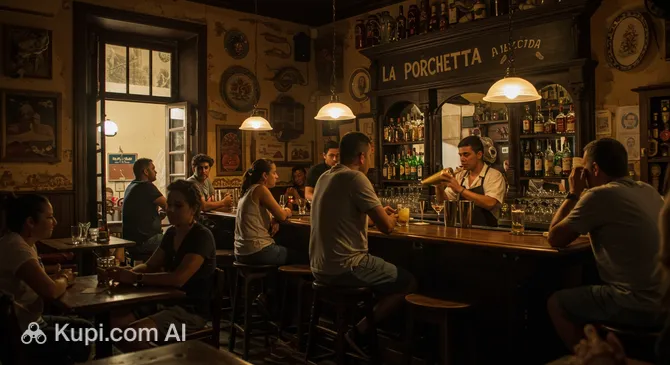
For a great start to the evening or a fun hangout with friends, we recommend checking out La Porchetta bar. This place is popular for its lively atmosphere and good selection of drinks. If you want to combine an evening out with a delicious dinner, it's worth visiting Pizzeria Da Enzo, where you can have a hearty meal before heading out to dance.

La Porchetta. Illustration.
Source: Kupi.com AI

Traveler photos:

During the day, the city's entertainment program is more relaxed and cultural. Travelers can visit local theaters, cinemas in shopping centers, or stroll through the parks. However, it is with the onset of dusk that the city truly comes alive, offering guests a chance to immerse themselves in the rhythm of the fiesta.

Regarding safety, tourists should remain vigilant. While enjoying the nightlife, try not to walk alone on dark or deserted streets. To move between establishments or return to your hotel, it is strongly recommended to call an official taxi or use the services of trusted carriers, avoiding hailing cars "off the street."

Parks & Museums

Mérida rightfully takes pride not only in its majestic mountain peaks but also in its surprisingly green urban landscape, harmoniously combined with a rich cultural heritage. Often called the "city of parks," it offers travelers many well-kept gardens and squares, while local museums carefully preserve the history and traditions of the Andean region.

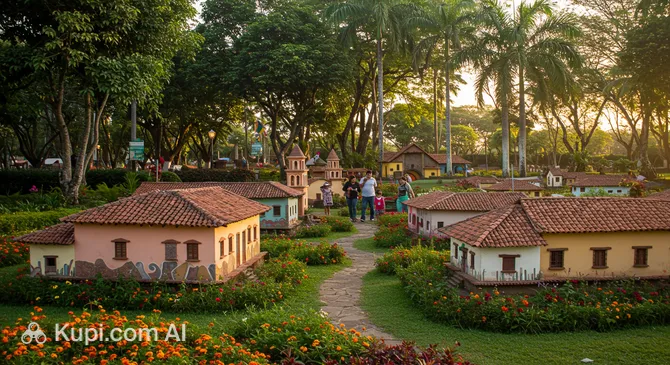
One of the main natural attractions within the city is the Mérida Botanical Garden (Jardín Botánico). It is a true oasis of biodiversity, housing a unique collection of high-mountain plants, orchids, and bromeliads. A highlight of the garden is the "aerial trail" — a system of bridges among the tree canopies, allowing a look at the tropical forest from an unusual perspective. For large-scale family recreation, Ciudad de los Niños Park is ideal. This is a vast territory designed specifically for children and parents, with many attractions, interactive zones, and spacious alleys for walks in the fresh air.

Ciudad de Los Niños Park. Illustration.
Source: Kupi.com AI

Traveler photos:

The city's cultural life is no less rich. You can immerse yourself in the region's past at the Museum of Colonial Art (Museo de Arte Colonial). It is located in a beautiful historical mansion and presents a rich collection of religious art, furniture, and household items from the era of Spanish rule. For those who prefer interactive exhibitions, the Science and Technology Museum remains a must-visit. This is a space where complex physical and astronomical phenomena become understandable and exciting for both adults and young explorers.

Among other significant places is the Chorros de Milla Zoo (Zoológico Chorros de Milla). Located in a picturesque gorge with natural waterfalls, it is considered one of the best in the country and allows you to see rare inhabitants of the Andes, including the famous Andean condor. The architectural appearance of the city is complemented by historical monuments, such as the majestic Cathedral on Plaza Bolívar, which is the heart of Mérida's spiritual life.

If you are looking for privacy and a special atmosphere, stop by Beethoven Park. Here you will find the famous flower clock which, when functioning, plays melodies by the great composer. It is a quiet and cozy place loved by locals but often overlooked by tourists rushing to the main attractions.

Getting Around

Moving around Mérida is quite convenient thanks to a variety of transport options combining modern solutions and local character. The city's main transport artery is the Trolmérida system (or Tromerca). This is a modern network of trolleybuses and buses moving in dedicated lanes, which allows avoiding traffic jams and quickly getting from the suburb of Ejido to the city center. The stations of this system are of a closed type, resembling a metro, and are located along key avenues.

For trips to areas where the trolleybus does not reach, locals and tourists use small buses, which are called "busetas" here. This is the most common type of transport, covering almost the entire city. Stops are not always clearly marked, so it is often enough to just wave your hand at an approaching bus for it to stop. The main destinations are usually indicated on the windshield, but if you are in doubt, it is better to clarify the route with the driver before boarding.

The fare payment system has its own characteristics. To use Trolmérida, a rechargeable smart card is required, which can be purchased at ticket offices at stations; however, tourists sometimes find it difficult to find them in stock. In regular buses ("busetas"), payment is made exclusively in cash to the driver upon entering or exiting. The fare is very affordable, but due to inflation, prices can change, so it is recommended to always have small bills of local currency with you.

As an alternative to public transport, taxis are widespread. Car-hailing apps (like Uber) are practically non-existent or work unstable here, so it is more reliable to use the services of official taxi stands ("líneas de taxi") or order a car through the hotel. Cars usually do not have taximeters, so the cost of the trip must be agreed upon in advance before you get into the car. This is common practice and helps to avoid misunderstandings.

A unique transport attraction of the city is the famous Mukumbarí cable car. Although it functions primarily as a tourist attraction for going up the mountains, its presence gives the city's transport system a special high-mountain character. As for walking, the historic center of Mérida is compact enough and convenient to explore on foot, allowing you to enjoy the colonial architecture without the need for transport.

Accommodation

Where to stay:

Mérida offers travelers a wide range of accommodation options to suit every taste and budget. The city is famous for its hospitality, and you can find everything here: from inexpensive and cozy family guesthouses, which are called "posadas" in Venezuela, to mid-range hotels and comfortable apartments. There are few luxury five-star resorts of international level here, but local hotels compensate for this with character and quality service.

The choice of area to stay largely depends on the goals of your trip. The Historic Center (El Centro) is ideal for those who want to dive headfirst into the atmosphere of the colonial past and be within walking distance of museums, Plaza Bolívar, and the cable car station. Life here is bustling from early morning, so it can be a bit noisy in the center, but all the main attractions will be right at your fingertips.

If you prefer a more modern infrastructure, look into the Avenida Las Américas area. This is a dynamic part of the city with wide streets where major shopping centers like Rodeo Plaza are concentrated, along with restaurants and nightclubs. Hotels here are generally newer and offer more spacious rooms and parking. This area is also convenient in terms of transport accessibility.

For nature and peace lovers, the outskirts of the city or suburban areas are excellent options. Here, so-called «кабаньяс» (cabañas) — cozy cottages or chalets surrounded by greenery — are popular. This is a wonderful choice for families, especially if you plan to visit places like Ciudad de los Niños Park. Staying in such an area will allow you to enjoy the fresh mountain air and the morning song of birds.

Booking tips: Mérida is a popular tourist destination, especially during national holidays (Carnival, Semana Santa, Christmas) and student vacations. During these periods, the demand for housing spikes sharply, so it is recommended to book rooms several weeks or even months before the trip. In the low season, you can find a free room upon arrival, but a prior arrangement is always more reliable.

The price range varies from budget (simple rooms in posadas) to mid-range and above average (rooms in the city's best hotels). It is important to consider the booking specifics in the region: many international aggregators may offer a limited selection or outdated prices. The most effective way to book accommodation is to find the official pages of hotels or posadas on social media (Instagram is very popular) and contact them directly via WhatsApp. This will allow you to clarify the current price, the presence of a generator (which is important during power outages), and agree on a payment method.

Nearby Cities

For those who want to explore the surroundings, Mérida serves as an excellent starting point for day trips to several interesting nearby places.

One of the most accessible options is El Vigía. Located significantly lower in the valley, this city offers a sharp change in climate — it is much warmer and sunnier here. It is an important trade hub and livestock center where you can feel the rhythm of the region's business life and try excellent local steaks.

If you are drawn to the nature of the plains, it's worth heading towards the city of Barinas. The road to it is a breathtaking journey, where the majestic peaks of the Andes gradually give way to the endless savannas of the Llanos. Barinas is known as the capital of the Venezuelan plains, rich in wildlife and the traditions of the llanero cowboys.

Also of interest is Valera, often called the "city of seven hills." Located in the neighboring state of Trujillo, it serves as a good example of colonial and modern architectural mixing. It is a cozy city with pleasant parks and historic churches, allowing you to see Venezuelan provincial life from another perspective.

CityPopulationDistance
Ejido107 0567 km
El Vigia143 00053 km
Socopo110 51254 km
Palmarito67 km
Santa Bárbara de Barinas55 00084 km

These nearby destinations provide an idea of the diverse culture and landscapes of the region, from the hot tropical lowlands to the cultural centers of neighboring states.

Shopping & Souvenirs

Shopping:

Shopping in Mérida is a fascinating immersion into Andean culture, where modern shopping spaces neighbor colorful craft stalls. The city does not claim the title of a high fashion capital; however, one can find unique goods here that cannot be bought in other regions of Venezuela. Special attention should be paid to products by local craftsmen and gastronomic souvenirs reflecting the richness of the mountain land.

The city's main shopping artery is considered to be Avenida Las Américas. Along this busy street are numerous shops, pharmacies, supermarkets, and banks. For those who prefer a more authentic atmosphere, it's worth strolling through the historic center (El Centro) around Plaza Bolívar. Here, in a labyrinth of narrow streets, small shops selling clothes, shoes, and souvenirs are hidden, where you can feel the true rhythm of city life.

Comfortable shopping and entertainment seekers should visit Rodeo Plaza. This is one of the most popular shopping centers in the city, where boutiques, cafes, and recreation areas are gathered under one roof. Here you can purchase clothes from famous brands, electronics, and accessories. Another notable shopping spot is the Traki department store. This chain is known for its wide range of household goods and clothing at democratic prices, making it popular among both locals and tourists.

The true heart of local commerce is the famous Main Market (Mercado Principal). This three-story building is a must-visit for any traveler. An incredible atmosphere reigns here: counters are bursting with fresh fruit, vegetables, flowers, and local cheese. Souvenir stalls and small cafes are located on the upper floors, where you can try traditional Andean dishes. This is the best place to find authentic gifts and chat with the locals.

When choosing souvenirs, pay attention to wool products, which are indispensable in the cool mountain climate. Warm ponchos (ruanas), hats, and hand-knitted gloves will make excellent and practical gifts. Mérida is also famous for its artisans: beautiful wood products, ceramics, and paintings are sold here. Gastronomic souvenirs are no less popular: be sure to buy "dulces abrillantados" (glazed sweets), local coffee, cocoa, or a bottle of traditional herbal liquor.

Shops in the city usually operate from Monday to Saturday, opening around 9:00 or 10:00 AM and closing at 6:00–7:00 PM. In large shopping centers, the schedule may be extended until 8:00 or 9:00 PM. Small private shops may close for a lunch break (siesta) from 12:00 to 2:00 PM. Regarding payment, the most reliable means is cash US dollars. Small bills ($1, $5, $10, $20) in good condition are absolutely necessary, as change is often unavailable. Foreign bank credit cards are accepted extremely rarely, so you should not rely on them.

The Tax-Free system (value-added tax refund) for tourists in Venezuela is currently practically non-functional. You should not expect a VAT refund upon leaving the country, so plan your budget taking into account the full prices shown on the tags.

Reached the end of the page?

That means the route is fully explored