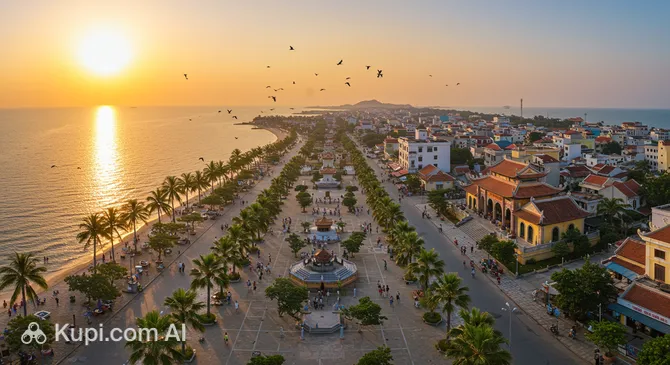
Located in the heart of the Mekong Delta, Bac Lieu is a charming corner of Vietnam where the modern pace of life harmoniously blends with provincial tranquility. This place is not a typical tourist hub, allowing travelers to experience authentic southern hospitality and the gentle nature of the locals. The city, home to about 240,000 people, attracts those seeking solitude and wanting to see the real Vietnam without the unnecessary hustle and bustle.
Geographically, Bac Lieu is located approximately 300 kilometers southwest of Ho Chi Minh City. Its position in the low-lying delta has defined its climate and lifestyle—it is always warm here, and the air is noticeably cleaner than in the megacities. Exploring the city's history, one can find traces of its "golden age" at the beginning of the 20th century, when an economic boom turned this region into one of the most prosperous in the south of the country.
Bac Lieu. Illustration.
Source: Kupi.com AI
Today, the city is known for its colonial-era architectural monuments, such as the famous house of a local wealthy man, and its unique natural landscapes. Bac Lieu is an important center of agricultural production, famous for its rice fields, salt plantations, and abundant seafood. A visit to this region is an excellent choice for those who appreciate quiet walks, cultural diversity, and a slow immersion into the traditions of Southern Vietnam.
Weather Overview
The climate of Bac Lieu is typical of the Mekong Delta and is characterized by consistently high temperatures throughout the year. The city is located almost at sea level, which results in high air humidity. If you are planning a trip, it is worth considering that the weather in Bac Lieu is clearly divided into two seasons: dry and rainy.
The dry season lasts from December to April. During this time, average temperatures range between +26...+29°C, peaking in March and April (up to +33°C). This is the most favorable period to visit, when rainfall is minimal and sunny days are frequent. From May to November, the rainy season arrives, bringing heavy but often short-lived downpours. The wettest months are September and October, when seasonal flooding is possible due to the region's low-lying location.
Overall, the weather in the city is always warm and balmy. The absence of dense high-rise buildings in Bac Lieu promotes good air circulation, so even on hot days, it is easier to breathe here than in large megacities. When packing for your trip, favor light cotton clothing and don't forget your sunscreen.
Average monthly temperature
Average monthly precipitation
Interesting Facts
The original name of the city was Vinh Loi, and only after some time did it receive its current name—Bac Lieu.
Historically, these lands were inhabited by the Khmer, and active development of the region by the Viet people began only in the 17th–18th centuries.
Bac Lieu Province is distinguished by its multi-ethnic composition: representatives of 19 ethnic groups live here, including significant communities of Khmer and ethnic Chinese.
The city's economy is historically based on three "pillars": rice cultivation, salt trade, and seafood harvesting, made possible by an extensive network of canals and proximity to the sea.
In the early 20th century, the city was considered one of the richest in Southern Vietnam, giving rise to many legends about the extravagance of local landowners known as the "Bac Lieu Princes."
How to Get There
The transport accessibility of Bac Lieu allows travelers to reach this peaceful region of Vietnam relatively easily. The main link to the outside world is Ho Chi Minh City, from where comfortable intercity buses depart regularly. Depending on traffic and road conditions in the Mekong Delta, the trip takes between 5 and 7 hours. This is the most popular and economical way to travel, allowing you to enjoy views of the countryside along the way.
For those who prefer air travel, you can consider flights to the nearest major airports in neighboring provinces; however, it is worth noting that there is no passenger airport in the city itself. When planning your route, you can check detailed information on how to get to Bac Lieu to choose the most convenient option.
There is no rail connection in this region, so there are no direct trains to the city. Travelers accustomed to trains will have to combine modes of transport, taking a train to Ho Chi Minh City and then transferring to a bus or taxi. Water transport via canals is also developed within the region, but it is more commonly used for cargo than for tourist trips.
Station
Passenger traffic
Distance
Saigon railway station
13
195 km
Gò Vấp railway station
6
199 km
Biên Hòa railway station
6
220 km
Phnom Penh railway station
12
267 km
Sihanoukville railway station
4
284 km
It is worth remembering that during national holidays such as Tet, bus tickets sell out in advance and roads can be very congested. On ordinary days, getting to Bac Lieu is not difficult, and the city's hospitality more than makes up for the travel time.
Main Attractions
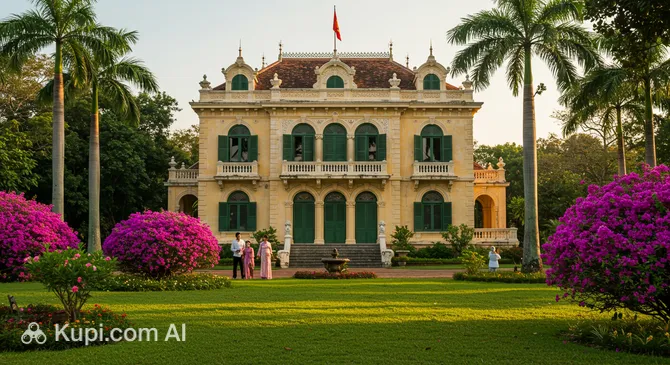
While Bac Lieu is not overloaded with tourist sites, there are several truly iconic places reflecting the region's cultural richness. One of the city's most famous buildings is The Prince of Bac Lieu House. This magnificent early 20th-century estate was built by a French architect and belonged to the legendary local wealthy man Tran Trinh Huy. The house's interiors, furnished with luxurious antique furniture, allow tourists to immerse themselves in the atmosphere of the "golden age" of Southern Vietnam.
Prince of Bac Lieu's House. Illustration.
Source: Kupi.com AI
Traveler photos:
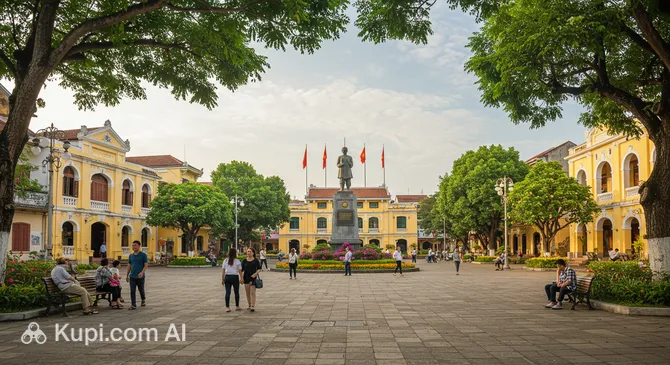
The center of social life in the city is considered to be Hung Vuong Square. This spacious open area is home to important administrative buildings and impressive monuments. In the evenings, the square becomes a meeting place for locals, creating a lively and friendly atmosphere perfect for getting to know the city's daily life.
Hung Vuong Square. Illustration.
Source: Kupi.com AI
Traveler photos:
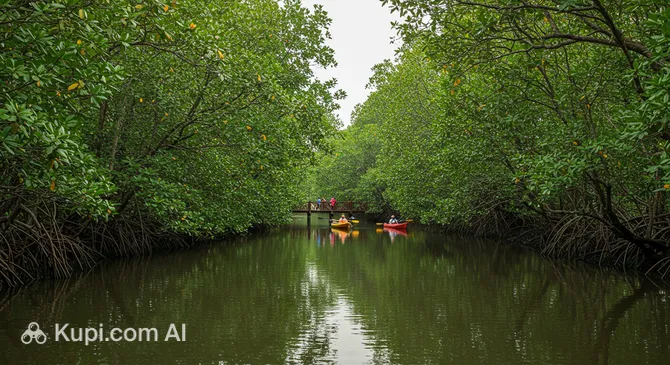
For those seeking communion with nature and comfortable relaxation, the Ho Nam Ecological Tourist Complex is open. This picturesque spot on the outskirts of the city offers guests the chance to enjoy water landscapes and the fresh air of the Mekong Delta. The complex includes restaurants and walking areas, making it a great option for family holidays and getting to know the region's ecosystem.
Ho Nam Ecotourism Area. Illustration.
Source: Kupi.com AI
Traveler photos:
In addition, the city is interesting for its religious buildings, among which the Khmer Pagoda and the Quan Am Phat Dai temple stand out. These places attract pilgrims and tourists with their unusual architecture and the opportunity to see the peaceful coexistence of various cultural and religious traditions in the province.
Local Cuisine
The culinary traditions of Bac Lieu are inextricably linked to the bounty of the Mekong Delta. Local cuisine is a real feast for lovers of seafood, fresh fish, and aromatic herbs. Thanks to years of trading in salt and rice, these ingredients have become the basis for many authentic dishes. You should definitely try the variations of fish soups and crab dishes prepared according to old South Vietnamese recipes.
Small local eateries and street stalls predominate in the city, where the food is always fresh and inexpensive. One notable place that tourists love to visit is Bun Sao Nem Nuong Bang Tam, which serves traditional noodles with grilled sausages. The atmosphere here is simple and friendly, allowing for total immersion in local life.
Prince of Bac Lieu's House. Illustration.
Source: Kupi.com AI
Traveler photos:
If you prefer a buffet format and want to try many different dishes at once, check out the Khoi BBQ Buffet. This establishment is popular among city residents and offers a wide selection of grilled items. A meal in Bac Lieu is usually accompanied by local green tea or strong Vietnamese coffee. Despite the absence of high-end restaurants, the gastronomic impressions of this region will remain among the most vivid thanks to the honesty and simplicity of the flavors.
Travel Tips
Preparing for your trip to Bac Lieu will help you spend your time with maximum comfort and avoid minor troubles. These practical tips are based on the specifics of life in the southern part of Vietnam and will help you adapt to the local rhythm more quickly.
Clothing and essentials: Choose light clothing made of natural fabrics, as it is always hot and humid in the Mekong Delta. Be sure to bring sunscreen, a hat, and insect repellent. When visiting temples and pagodas, remember to cover your shoulders and knees.
Transport: The best way to get around the city is by taxi or renting a motorbike. If you decide to take a scooter, make sure you have an international driving permit and always wear a helmet.
Finances: Cash is king in Bac Lieu. Cards are only accepted in large hotels and some restaurants. It is better to change money at banks, and ATMs are more reliably found in the central part of the city.
Health and safety: The city is considered very safe, and the crime rate is low. However, you should only drink bottled water and avoid ice in street stalls if you are unsure of its origin.
Communication: English is not widely spoken. It is recommended to install a translator app or learn basic phrases in Vietnamese—locals really appreciate such attempts at communication.
Local etiquette: It is customary to remove your shoes when entering a private home or some temples. Greet people with a slight bow; it is a sign of respect, especially toward elderly people.
What to avoid: Do not plan your trip for the peak of the rainy season (September-October), as street flooding is possible. Also, try to avoid discussing political topics in public places.
Additional tip: Try to wake up early to visit the local market at 6-7 AM—this is the best time to see the city in its most vibrant and authentic state.
Following these simple rules will make your trip to Bac Lieu a pleasant and memorable event!
Entertainment & Nightlife
Nightlife in Bac Lieu differs from the bright lights of megacities and has a more quiet, local character. The city is not a center of the club industry, so the main entertainment here is related to leisurely evening relaxation. The main place for nighttime strolls is Hung Vuong Square, where the lights come on and locals gather with their families. It is a safe and pleasant place to feel the rhythm of a South Vietnamese city after sunset.
Hung Vuong Square. Illustration.
Source: Kupi.com AI
Traveler photos:
For those who want to spend the evening over dinner, small cafes and restaurants offering local cuisine operate in the city. One popular establishment is the Khoi BBQ Buffet, where you can try various delicacies in an informal setting. The crowd here is predominantly local, the atmosphere is relaxed, and the prices are quite affordable. In such places, it is customary to chat for a long time over a cup of coffee or refreshing drinks.
Daytime entertainment in Bac Lieu is closely linked to nature and ecotourism. Tourists enjoy visiting the Ho Nam Ecological Tourist Complex, where they can relax by the water or take a walk among the greenery. Trips to surrounding fruit orchards and walks along the canals are also popular, allowing visitors to see the beauty of life in the Mekong Delta. If you are looking for more active fun and noisy parties, you should plan a visit to nearby Can Tho or Ho Chi Minh City.
Parks & Museums
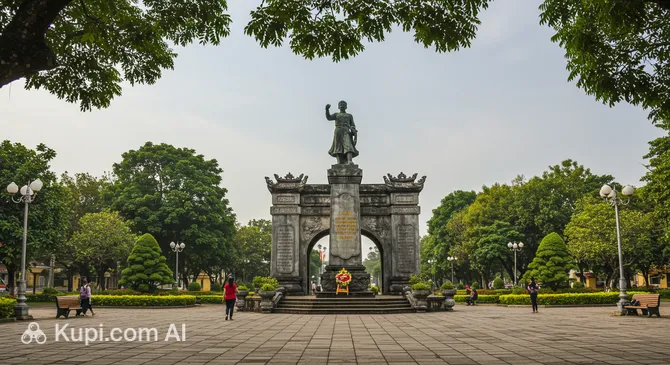
The museum and park infrastructure of Bac Lieu is currently in development; however, the city boasts sites of deep historical significance for the region. An important cultural landmark is the Bac Lieu Victory Monument—a majestic structure dedicated to the historical events of the last century. This place not only serves as a reminder of heroic pages in history but also as a landmark for walks in the central part of the city.
Bac Lieu Victory Monument. Illustration.
Source: Kupi.com AI
Traveler photos:
While there are no large classical museums in Bac Lieu, historical buildings often fulfill this role. For example, The Prince of Bac Lieu House functions as a museum site where the early 20th-century setting has been preserved, demonstrating the lifestyle and wealth of the local elite of the colonial era. A visit to this house provides a deeper understanding of the region's culture than many standard exhibits.
The role of city parks is played by the natural landscapes of the Mekong Delta and the well-kept areas at tourist complexes. The Ho Nam Ecological Tourist Complex is a wonderful example of how a natural zone has been adapted for the relaxation of citizens and tourists. Fruit orchards and protected marshlands also stretch around the city, serving as the main open-air "green halls" for many travelers, allowing them to see the unique flora and fauna of the delta in its natural environment.
Getting Around
The public transport system in Bac Lieu is organized quite simply and is oriented towards the habits of local residents. As in many provincial cities of Vietnam, the main means of transport here is the motorbike. Bus routes exist, but they are not very regular and are rarely used by tourists for travel within the city, more often serving to connect Bac Lieu with neighboring settlements.
For travelers, the most convenient way to get around will be a taxi or a moto-taxi. Official taxi services operate in the city, and you can also use apps like Grab, although their presence here is less noticeable than in the capital. Taxis are usually paid in cash by the meter, and the cost remains quite affordable even for a budget tourist.
If you feel confident on the road, you can rent a motorbike or a bicycle—this will give you complete freedom to move around the picturesque surroundings and along the numerous canals. However, it's important to remember the specific nature of Vietnamese road traffic and the need to have the appropriate license. In Bac Lieu itself, the roads are fairly clear, and traffic jams are extremely rare, making walks and trips around the city quite comfortable.
Accommodation
The hotel sector in Bac Lieu is primarily focused on local travelers and business people, so it is difficult to find large international chains or ultra-luxury resorts here. The bulk of the accommodation consists of small private hotels and cozy guest houses (nha khach), offering a basic set of amenities at very affordable prices. This is a great chance for a tourist to stay in a typical Vietnamese setting and feel the local flavor.
For those looking for more comfortable conditions, modern mid-range hotels can be found in the city center and near popular spots like the Ho Nam Ecological Tourist Complex. Staying in central areas is most convenient, as the main attractions and markets will be within walking distance or a short taxi ride away.
Ho Nam Ecotourism Area. Illustration.
Source: Kupi.com AI
Traveler photos:
If you plan to stay in the region for a long time, you might consider renting apartments or villas in residential sectors. Since the choice of high-quality accommodation in Bac Lieu is limited compared to Can Tho or Ho Chi Minh City, it is recommended to book rooms in advance through online platforms, especially if your trip coincides with public holidays or festivals. Overall, staying here is significantly cheaper than in Vietnam's main tourist centers.
Nearby Cities
The city of Bac Lieu serves as an excellent starting point for exploring the southern provinces of Vietnam. Located in the picturesque Mekong Delta, it is surrounded by interesting settlements, each with its own unique character and cultural heritage.
Just 44 kilometers away is the city of Soc Trang, known for its magnificent Khmer pagodas and vibrant festivals. This destination is ideal for a day trip to see the unique architecture and learn about the traditions of the Khmer community. Also worth noting is the coastal Vinh Chau, located only 29 kilometers away, where you can observe the life of seaside communities.
For those seeking grander experiences, the city of Can Tho—the unofficial capital of the delta, famous for its floating markets—is about 100 kilometers away. Exploring the surroundings of Bac Lieu will give you the opportunity to see multifaceted Vietnam: from quiet agricultural areas like Gia Rai or Long My to the region's bustling commercial centers.
Shopping & Souvenirs
Shopping in Bac Lieu is primarily about experiencing the flavor of local markets rather than visiting modern shopping centers. The main city market is the epicenter of trade, where you can find everything from fresh tropical fruits and famous local rice to textiles and household items. This is where the pulse of city life is felt most strongly, and prices are pleasantly surprising for their affordability.
Special attention should be paid to local goods for which the province is famous. Bac Lieu is known for its salt production, and while a bag of salt might not be the most convenient souvenir, many tourists buy high-quality seasonings and dried seafood. In small shops in the center, as well as near The Prince of Bac Lieu House, you can find handmade water hyacinth products and ceramics characteristic of the Mekong Delta.
Prince of Bac Lieu's House. Illustration.
Source: Kupi.com AI
Traveler photos:
Shops in the city usually operate from early morning until evening, though the most active trading in markets happens in the first half of the day. Payment is made in cash in Vietnamese Dong almost everywhere, so it's worth taking care of currency exchange in advance. If you are looking to buy branded items or visit large malls, it is better to head to neighboring Can Tho or Ho Chi Minh City.