Support

Fujian Assembly Hall

About

The Fujian Assembly Hall (Hoi Quan Phuoc Kien) is one of the most famous and impressive historical buildings in the ancient city of Hoi An, Vietnam. Founded in the late 17th century by members of the Chinese community from Fujian province, this hall is an integral part of the city's cultural and architectural heritage, attracting travelers with its unique atmosphere and rich history.
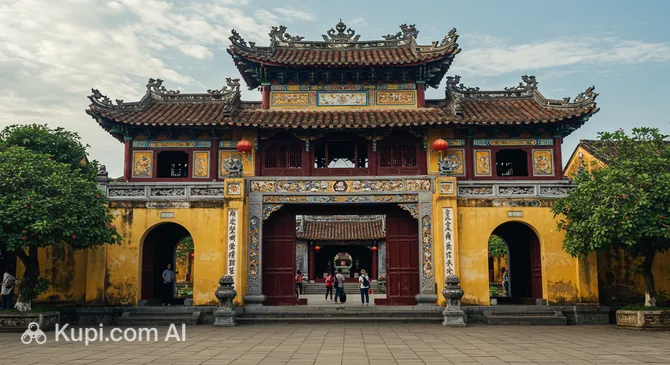
Fujian Assembly Hall. Illustration.
Source: Kupi.com AI

Traveler photos:

This magnificent structure is a brilliant example of traditional Chinese architecture. Visitors are greeted by monumental, richly decorated gates leading into a series of picturesque courtyards. Here, you can admire exquisite sculptures of mythical animals, detailed frescoes, and intricate wood carvings, each telling its own story. The assembly hall impresses with its harmony and attention to detail, creating a sense of stepping back in time.

The Fujian Assembly Hall served a dual purpose: it was both a place of worship and an important community center for the Chinese diaspora. The main altar is dedicated to the sea goddess Mazu (Thien Hau), the protector of seafarers, which was especially significant for the port city of Hoi An. Additionally, other deities from the Chinese pantheon are honored here, making it a key site for understanding the spiritual life and traditions of the local community.

Contacts

Fujian Assembly Hall is located at: 46 Tran Phu, Cam Chau, Hoi An, Vietnam. Since specific contact details such as phone numbers or email addresses may change, we recommend checking the official website (if available) or local tourist information centers in Hoi An for the latest opening hours and contact information upon your arrival.

How to contactContact
Address46 Trần Phú, Cẩm Châu, Hội An, Quảng Nam, Vietnam

What to Do

A visit to the Fujian Assembly Hall in Hoi An begins with a walk through its scenic inner courtyard. Surrounded by ornamental plants and bright flowers, the atmosphere here is calm and peaceful, allowing you to escape the city bustle and prepare for your discovery of this unique site.

Inside the hall, the wealth of decorative elements immediately catches the eye. You can examine numerous colorful sculptures, traditional Chinese lanterns, masterfully crafted bas-reliefs, and wall paintings. Each element carries deep meaning, often reflecting the symbolism of universal harmony and the protection of sea deities, which was vital for Fujianese merchant-seafarers.

Of particular interest are the impressive gates, symbolizing the trinity of "heaven, earth, and man," as well as the main shrine with its richly decorated altar. If you are lucky, you might witness traditional Chinese festivals or ceremonies that are occasionally held here. Visiting the hall is a wonderful opportunity to gain a deeper understanding of the history and culture of the Chinese diaspora in Vietnam and to appreciate the architectural splendor of this historical monument.

Getting There

Getting to the Fujian Assembly Hall is quite simple, as it is located in the heart of Hoi An's historical center on Tran Phu Street. If you are staying in the Ancient Town, this landmark is easily reachable on foot, allowing you to enjoy the atmosphere of the ancient streets along the way. This is the most convenient and pleasant way to admire the architectural details and soak in the local flavor.

For those staying in more distant areas of Hoi An, you can reach the city center where the hall is located by taxi, rental bicycle, or local bus. Cycling is a popular choice among tourists, as it allows for easy navigation of the compact city center and its surroundings.

If your journey to Hoi An begins in other cities in Vietnam, such as Da Nang, you will first need to get to Hoi An itself. Buses and shuttle taxis run regularly from Da Nang, which serves as the nearest major transport hub with an airport and railway station. The trip takes about 40–50 minutes. Upon arrival in Hoi An, you can easily find the Fujian Assembly Hall by following signs or a map, as it is a well-known point of interest.

Nearest city: Hoi An

History & Facts

The Fujian Assembly Hall, also known as the Phuc Kien Assembly Hall, is one of the most iconic and historically rich sites in the ancient city of Hoi An. Its history dates back to the late 17th century, around the 1690s, when Chinese immigrants from Fujian province—who were active participants in Hoi An's flourishing maritime trade—constructed the building. Originally, the hall served not only as a meeting place for the Fujian diaspora but also as an important religious center for ceremonies and rituals.

Central to the religious life of the Assembly Hall is the worship of the sea goddess Mazu (known in Vietnam as Thien Hau). She is traditionally revered as the patroness of seafarers, fishermen, and all whose lives are tied to the sea. Given that Hoi An was one of Southeast Asia's major port cities at the time, and the Fujianese were famous for their maritime trading expeditions, choosing Mazu as the primary deity was deeply symbolic and vital for the community.

Over the centuries, the Fujian Assembly Hall has been rebuilt and expanded several times. Each renovation added new features to its appearance, reflecting changes in architectural styles and the community's growing needs. Today, it is not just a historical monument but a stunning example of traditional Chinese architecture, adorned with intricate wood carvings, ceramic statues, and colorful frescoes. The hall is one of the most recognizable symbols of Hoi An and an integral part of its rich cultural heritage, drawing visitors with its beauty and ancient atmosphere.

Time Needed

When planning a visit to the Fujian Assembly Hall in Hoi An, you should allow for 30 minutes to 1 hour. This duration is generally enough for most visitors to see the main features of this historical site, soak in the atmosphere, and take memorable photos. The hall is one of the most famous and beautiful in the city, making it well worth the time.

During this time, you can leisurely stroll through the courtyards and admire the intricate carvings, vibrant frescoes, and statues for which the hall is famous. If you are passionate about the history and culture of Vietnam or enjoy delving into architectural details and symbolism, you might want to stay a bit longer to explore every corner. However, even a shorter visit will leave you with a vivid impression of this unique monument to the Chinese diaspora in Hoi An.

Working Hours

The Fujian Assembly Hall in Hoi An is typically open to visitors daily. Usually, its doors are open from 8:00 AM to 5:00 PM. However, it is important to remember that this schedule may change slightly depending on the season or during special events and public holidays.

Therefore, we strongly recommend confirming the current opening hours before your visit. You can find the latest information on the official website (if available) or by contacting local tourist information centers in Hoi An. Generally, the Fujian Assembly Hall welcomes visitors year-round, and advance booking for individual visits is not required. However, if you plan to visit during the peak tourist season or as part of a large group, it is best to check in advance to ensure your visit to this amazing site is smooth and wait-free.

7:00 – 18:00

Nearby

A visit to the Fujian Assembly Hall is undoubtedly a highlight of any trip to Hoi An. However, to make your experience even richer, it is worth spending some time exploring the area around this iconic landmark. Often, the most interesting discoveries await just around the corner, allowing you to dive deeper into the city's atmosphere and unique culture.

A stroll through the nearby streets may reveal other gems of Hoi An, from cozy cafes to historic buildings and bustling markets. Each find adds a new dimension to your impressions of Vietnam. Below is a list of interesting places near the Fujian Assembly Hall that might capture your interest.

NameDistance
Mezcal Cocteleria0.1 km
Hoi An Market0.1 km
Moments Hoi An0.2 km
MẸT Hội An0.2 km
Tan Ky Old House0.3 km
Precious Heritage Art Gallery Museum0.4 km
Pharmacy Shopping Center Hoi An0.4 km

Have you reached the end of the page?

So the route has been studied inside and out