Support

Taiz

About

Taiz is one of the most colorful and vibrant cities in Yemen, often referred to as the country's cultural capital. Situated at an altitude of about 1,400 meters above sea level at the foot of the majestic Mount Sabir, the city delights visitors with a milder climate compared to coastal regions. With a population of over 600,000 people, Taiz is a bustling melting pot of tradition, trade, and education, while preserving an ancient spirit within its narrow streets.
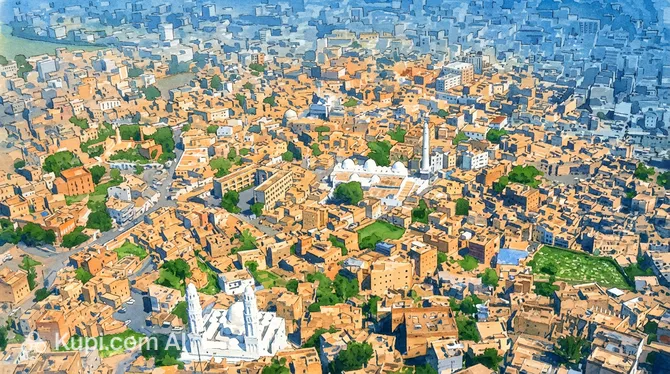
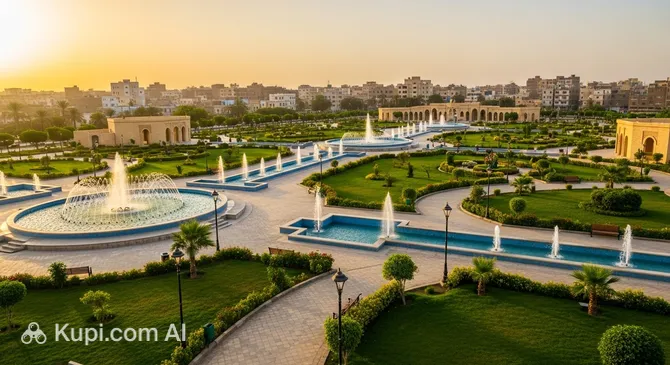
Taiz. Illustration.
Source: Kupi.com AI

The city has deep historical roots and served as the capital of powerful states during various eras. Exploring the rich past of this region, one can find traces of the Ayyubid and Rasulid dynasties, who transformed Taiz into an important center of Islamic science and architecture. Today, the old city, with its traditional houses and mosques, sits alongside modern neighborhoods, creating a unique architectural ensemble.

Among the top reasons to visit Taiz is the chance to see the legendary Cairo Castle and walk along the slopes of Mount Sabir, which offers breathtaking panoramic views of the city districts. This destination is perfect for those who want to experience the authentic atmosphere of the southern Arabian Peninsula, discover local crafts, and enjoy the hospitality of its residents. Taiz invites you on a journey where history comes to life in every stone.
Weather Overview

Thanks to its unique location at an altitude of 1,400 meters, Taiz enjoys a much more pleasant climate than many other cities in the region. A mountain climate with moderate temperatures prevails here: average annual figures range between 20–25°C. This makes the city a true refuge from the exhausting heat characteristic of the lowland territories.

A typical year in Taiz is divided into dry and wet periods. The warmest months are May and June, when temperatures can rise to 30°C, but the mountain breeze softens the heat. Rainy periods usually fall in spring (April-May) and late summer (August-September), when short but intense downpours are possible. Winters in the city are mild and dry: in January, the average temperature is about 19°C, and nights bring a pleasant coolness, dropping the thermometer to 14–15°C.

When planning your trip, it's worth considering that the weather in the city can change depending on the altitude: the higher you climb the slopes of Mount Sabir, the fresher the air becomes. During the dry months, it can be dusty, so travelers with sensitive respiratory systems are advised to carry protective gear. In general, Taiz is comfortable to visit at any time of year, but it becomes most picturesque after the rainy season ends.

Average monthly temperature

Average monthly precipitation

Interesting Facts

  • Taiz was first mentioned in historical chronicles back in the 12th century, when the rulers of the Sulayhid dynasty established a fortress here to protect strategic trade routes.

  • The famous traveler Ibn Battuta visited the city in the 14th century and was so impressed by its architecture and level of education that he called it the most beautiful city in all of Yemen.

  • The city holds the status of "coffee gateway": Taiz is located just an hour's drive from the historical port of Mocha, which gave its name to the famous "Mocha" coffee variety.

  • In the vicinity of Taiz lies the village of Al-Janad, home to one of the oldest mosques in the world, founded in the 7th century by companions of the Prophet Muhammad.

  • Due to its location on the slopes of Mount Sabir, Taiz is considered one of the greenest and "coolest" major cities in the country, which has always attracted rulers seeking refuge from the heat.

How to Get There

Taiz is an important transport hub in the southwestern part of the country, connecting the mountain regions with the Red Sea coast. Despite the challenging terrain, the city remains accessible to travelers thanks to a network of roads and air links, although the mountain serpentines require a certain amount of travel time.

The main aviation facility is Taiz International Airport (IATA: TAI). It is conveniently located close to the city districts, and the journey to the center by taxi or local bus usually takes about 20–30 minutes. This is the fastest way to reach the region, especially if you are planning a visit from other major cities or from abroad.

AirportPassenger trafficDistance
Aden International Airport1.2 mln137 km
Sana'a International Airport50 000211 km
Djibouti-Ambouli International Airport500 000243 km

There is no rail service in this part of the peninsula, so the main burden falls on road transport. If you are heading here from the capital, Sana'a, prepare for a journey of about 300 km, which will take 4 to 6 hours. The road passes through picturesque mountain passes, offering spectacular views but requiring caution from drivers. Routes from the port of Mocha are also popular, with the journey taking only about an hour.

For more detailed route planning and choosing the best modes of transport, you can explore detailed information on how to get to Taiz. Travelers are advised to use intercity buses or rent a car with a driver for maximum comfort on the mountain sections of the journey.

Main Attractions

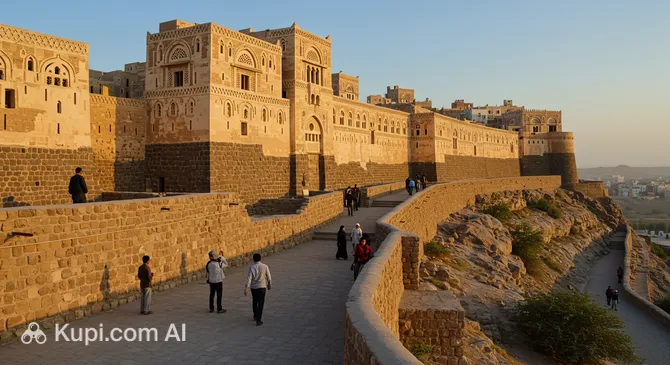
One of the most recognizable features of the city skyline is the majestic Cairo Castle. This citadel, perched on a rocky cliff, served as the region's main defensive post for centuries. Tourists are drawn here not only by the powerful architecture of the ancient walls but also by the magnificent observation deck, from which all of Taiz can be seen in the palm of your hand. Inside the fortress, you can feel the spirit of medieval Yemen while viewing the remains of fortifications and inner buildings.

Cairo Castle. Illustration.
Source: Kupi.com AI

Traveler photos:

For those seeking peace and greenery amidst the dense urban landscape, Sheikh Zayed Park is open to visitors. This is a popular spot for family recreation, where locals love to spend their evenings enjoying the cool air and well-maintained paths. The park is considered a true oasis, offering a rare opportunity in a mountain city to stroll surrounded by trees and decorative plants.

Sheikh Zayed Park. Illustration.
Source: Kupi.com AI

Traveler photos:

Equally significant is the Al-Ashrafiya Mosque, built in the 14th century. It is considered a masterpiece of Islamic architecture from the Rasulid period. Its graceful white minarets and richly decorated domes stand out against the backdrop of the mountain slopes. Unique paintings and decorative elements have been preserved inside the mosque, making it a must-see for history and art lovers.

To round off your introduction to the city, take a stroll through Old Taiz. Its narrow, winding streets, traditional markets, and houses with characteristic masonry create a unique atmosphere. Here, every turn hides small artisan shops or cozy coffee houses where time seems to have stood still, allowing travelers to immerse themselves in the daily life of this Yemeni hub.

Local Cuisine

The gastronomic scene in Taiz is a true paradise for lovers of spicy and hearty dishes. Local cuisine is based on centuries-old traditions, where the main ingredients are fresh meat, rice, and aromatic spices. One of the most popular dishes here is saltah—a thick meat stew served in a stone pot that boils right on the table. Be sure to order malawah flatbread or traditional khubz bread to go with it.

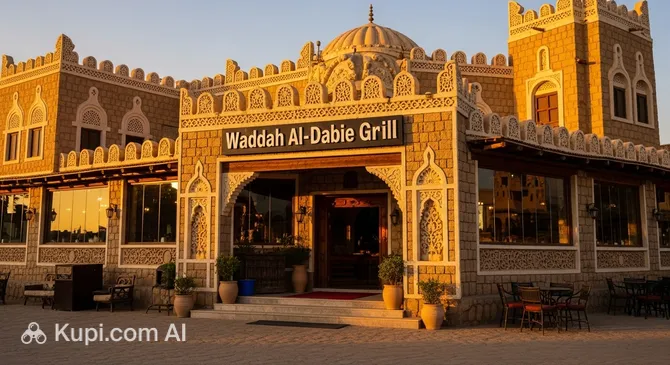
Another signature treat worth trying is fahsa, tender stewed meat with fennel and other herbs. If you are looking for a place to lunch with local flavor, stop by Shawaya Waddah Al-Dabai. This establishment is popular with both locals and visitors thanks to its traditional recipes and welcoming atmosphere.

Waddah Al-Dabie Grill. Illustration.
Source: Kupi.com AI

Traveler photos:

Coffee holds a special place in the culture of Taiz. The region is historically linked to the production of the best Arabica varieties, so a cup of local coffee with cardamom is the perfect end to any meal. Qishr—a drink made from coffee husks and spices—is also popular. Locals usually eat in small establishments in the markets or in the center, where the food is always fresh and prepared right in front of you.

Travel Tips

A trip to Taiz will give you unforgettable impressions if you prepare for the journey in advance and take into account the local features of this mountainous region.

  1. Clothing and belongings: Choose modest clothing that covers shoulders and knees, especially when visiting mosques. For the mountain terrain, comfortable closed shoes with good grip are essential. Don't forget to bring a light jacket—it can be chilly in the mountains in the evenings.
  2. Transport: The best way to get around is by taxi or renting a car with a driver. Public minibuses are colorful but often overcrowded.
  3. Finance: Cash is the primary method of payment in the city. Cards are rarely accepted, so always have a sufficient supply of local money. There are ATMs in the center, but they do not always work with international cards.
  4. Health: Drink only bottled water and avoid ice in drinks. Pharmacies can be found in the city center, but it is better to bring specific medications with you.
  5. Communication: The main language is Arabic. English is not widely spoken, so learn a few basic phrases: "shukran" (thank you) and "as-salamu alaykum" (hello).
  6. Local etiquette: Always remove your shoes when entering a home or mosque. Greet people with your right hand and show respect to elders.
  7. What to avoid: Do not take photos of people (especially women) or government buildings without explicit permission—this can lead to misunderstandings.
  8. Additional tip: Be sure to climb Mount Sabir closer to sunset—it's the best time for photos of the city in soft light.

Following these simple rules will help you feel confident and enjoy every minute of your stay in this amazing city.

Entertainment & Nightlife

Entertainment in Taiz is of a quiet, traditional nature, reflecting the steady pace of life of the local population. You won't find noisy nightclubs or bars here, as the city's social life is centered around cafes, markets, and family gatherings. As twilight falls, the city doesn't go to sleep but rather shifts into a mode of soulful conversations over a cup of tea or coffee.

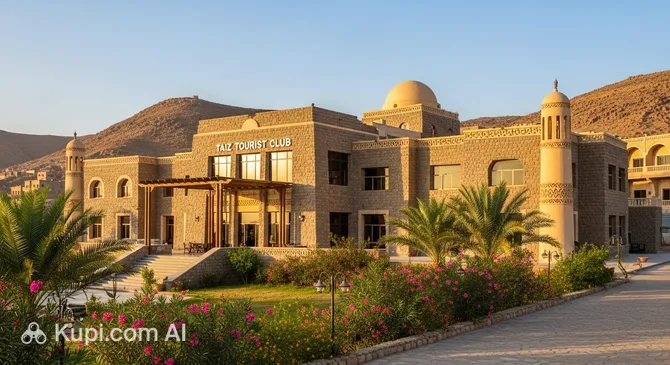
The main center of attraction in the evening is the coffee shops on the slopes of Mount Sabir. Locals and visitors alike head higher up to enjoy the cool breeze and panoramic views of the shimmering lights of Taiz. This is the perfect place to try traditional snacks and spend time outdoors. For more organized leisure, you can visit the Taiz Tourist Club, which offers facilities for relaxation and socializing in a comfortable setting.

Taiz Tourist Club. Illustration.
Source: Kupi.com AI

Traveler photos:

Daytime activities often include visiting local parks, such as Sheikh Zayed Park, or walking through the vibrant markets where you can observe craftsmen at work. If you get hungry, stop by Shawaya Waddah Al-Dabai—a popular spot among residents to enjoy traditional dishes in an authentic atmosphere. Safety in the central areas during the day is good, and it is best to use official taxis for traveling at night.

Parks & Museums

The cultural life of Taiz is inextricably linked with its rich heritage, which is carefully preserved in local museums. One of the most significant sites is the National Museum, located in the former palace of Imam Ahmad in the Al-Ordhi district. The museum's exhibition offers a glimpse into the personal lives of Yemen's rulers before 1962: the authentic setting, personal belongings, and art objects conveying the atmosphere of a bygone era have been preserved here.

There are few park areas in the city itself due to high building density and mountain terrain, but they are a true escape from the hustle and bustle. The most famous place for walking is Sheikh Zayed Park. This green corner on the mountain slopes offers well-kept paths and resting places where you can enjoy fresh air and silence. The grounds of the Taiz Tourist Club are also suitable for a quiet pastime, providing a space to relax away from the noisy markets.

For lovers of architecture and spiritual culture, the Al-Ashrafiya Mosque serves as an open-air museum. Although it is an active religious site, its building with unique murals and an ancient Quranic school (madrasa) is a vital monument of art history. The combination of such historical locations and the natural terraces of Mount Sabir makes Taiz a unique place for a thoughtful study of the region's culture.

Getting Around

Public transport in Taiz is represented mainly by a network of minibuses, which locals affectionately call "dabab." These nimble vehicles ply all major routes, connecting the city center with the outskirts and the airport. This is the cheapest way to get around; however, it is worth considering that during peak hours, minibuses can be overcrowded, and traffic on the narrow and steep mountain streets can be quite chaotic.

For more comfortable trips, tourists are advised to use taxi services. They are numerous, and you can catch a car almost anywhere in the city. It is better to agree on the price of the trip with the driver in advance, as meters are rarely used. Due to the compactness of the central part of the city, most trips within Taiz take from 10 to 30 minutes, not counting the time to navigate the mountain serpentines.

There are no alternative forms of transport such as subways or trams in Taiz. Due to the terrain, cycling here is an activity for physically fit individuals. Main tips for travelers: always carry cash in local currency to pay for fares and try to avoid traveling during peak hours, when mountain roads become most congested due to dust and heavy traffic.

Accommodation

The choice of accommodation in Taiz is primarily geared towards travelers who value authenticity and proximity to historical centers. The market is dominated by mid-range hotels and small guest houses that allow you to immerse yourself in the atmosphere of Yemeni life. Most accommodation options are concentrated in the central part of the city and the Old City area, which is very convenient for walking to the main attractions.

For those looking for a more organized stay with additional services, the Taiz Tourist Club is a great option. This establishment offers guests comfortable living conditions and leisure opportunities, standing out among standard city hotels. In general, it is difficult to find luxury five-star chain hotels in Taiz, but local hospitality and character more than compensate for the lack of excessive polish.

Taiz Tourist Club. Illustration.
Source: Kupi.com AI

Traveler photos:

Accommodation prices remain quite affordable; however, it is worth noting that demand for quality rooms increases during peak periods or local holidays. It is recommended to book accommodation in advance by contacting hotels directly or through local services. Renting furnished apartments is also a popular option among expats and those planning to stay in the city for a long time.

Nearby Cities

Taiz is an ideal starting point for exploring the southern highlands, offering travelers access to unique historical and natural monuments within a radius of just a few hours' drive. The city's surroundings are rich in picturesque landscapes and ancient settlements that have preserved their original appearance.

Just 41 kilometers from Taiz lies the charming Jibla. This city was once the capital under the rule of the legendary Queen Arwa and still impresses with its architecture, terraced fields, and majestic mosque. It is also worth visiting the city of Ibb, known as the "green heart" of the region due to abundant rainfall and lush vegetation on the mountain slopes.

CityPopulationDistance
Al Qaidah39 25424 km
Jibla15 43141 km
Ibb350 86446 km
Ad Dali65 00079 km
Mocha14 56288 km

For those who want to see the coast, a trip to Mocha is an excellent option. This once-great port, which gave its name to Mocha coffee, is today a quiet place with historical charm. A journey through the surrounding areas will allow you to see the real Yemen in all its diversity, from misty mountain peaks to the sunny shores of the Red Sea.

Shopping & Souvenirs

Shopping in Taiz is an immersion into the atmosphere of an Oriental bazaar, where trade follows the same rules as it did hundreds of years ago. There are no giant glittering shopping malls in the city, but there are amazing traditional markets (souks) in the old part of town. Here, the air is filled with the scents of cardamom, cloves, and freshly roasted coffee, and the stalls are overflowing with bright fabrics and local handicrafts.

The main souvenir from Taiz is undoubtedly Yemeni coffee. You can buy beans grown on nearby plantations, as well as beautiful copper utensils for preparing it. Also, look out for silver jewelry and traditional Yemeni daggers—jambiyas, which are true works of art. If you want a snack while walking through the market, be sure to stop by the popular spot Shawaya Waddah Al-Dabai, located near the shopping rows.

Shops and stalls usually open from morning until late evening with a lunch break, and Friday is considered a day off. Payment is made predominantly in cash in the local currency, so it is worth taking care of money exchange in advance. Bargaining in the markets is not just welcomed but is part of the local culture of communication—it is the best way not only to lower the price but also to show respect to the seller.

Reached the end of the page?

That means the route is fully explored