Curacao

Cities in the country

About

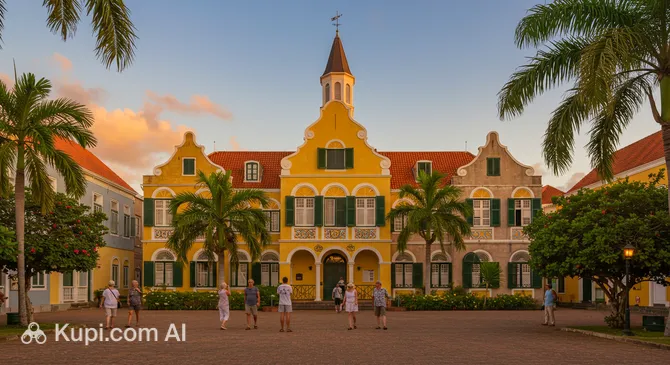
Curaçao is a charming island in the southern Caribbean Sea that attracts travelers with its unique blend of European architecture and Caribbean flair. This small but vibrant island is famous for its colorful buildings, crystal-clear waters, and rich history. The island's capital, Willemstad, is a UNESCO World Heritage site and captures the imagination with its Dutch colonial architecture painted in pastel tones.
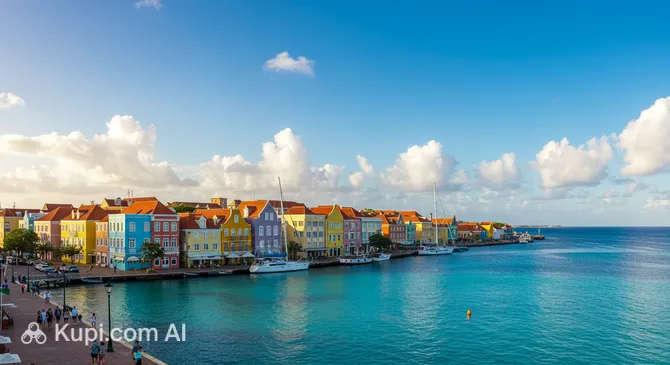
Illustration.
Source: Kupi.com AI

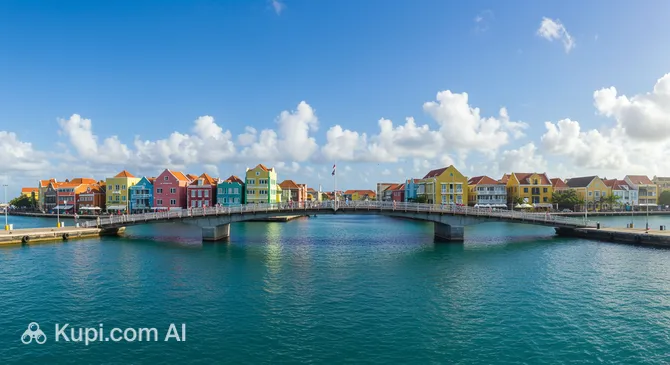
Curaçao's cultural heritage is multifaceted and reflects the influence of various peoples who have left their mark on the island. Strolling through the streets of Willemstad, you can see iconic landmarks such as the famous floating Queen Emma Bridge or visit Landhuis Chobolobo, where the original Blue Curaçao liqueur is produced. The atmosphere on the island is relaxed and friendly, making it an ideal destination for those seeking an authentic Caribbean experience.

In addition to cultural attractions, Curaçao offers magnificent natural beauty. The island is surrounded by more than 35 beaches, ranging from secluded coves to lively coastal areas, perfect for swimming, snorkeling, and diving. The warm tropical climate delights with sunshine all year round, creating excellent conditions for outdoor recreation and exploring the underwater world, known for its coral reefs and rich marine biodiversity.

Currency

The official currency of Curaçao is the Netherlands Antillean guilder (ANG). Interestingly, US dollars are also very widely accepted throughout the island, especially in tourist areas, hotels, and restaurants, often at a fixed exchange rate. Guilder banknotes feature colorful designs, showcasing local flora, fauna, and historical figures.

You can exchange currency for local guilders at banks or official exchange offices, which usually offer a more favorable rate than hotels. It is recommended to avoid exchanging money with street money changers. Credit cards (Visa, MasterCard, American Express) are accepted in most large establishments such as hotels, restaurants, and shops, particularly in the capital, Willemstad. However, for small purchases, paying for public transportation, or visiting local markets, it is always useful to have some cash in guilders or US dollars with you.

Visa Requirements

When planning a trip to Curaçao, it is important to check the visa requirements in advance. For citizens of many countries, including European Union countries and the USA, a visa for tourist trips to Curaçao for a period of up to 90 days is generally not required. However, citizens of some other countries, including certain CIS countries, may need to apply for a short-stay Caribbean visa (a Schengen visa is not valid for the Caribbean parts of the Kingdom of the Netherlands). Such a visa is usually obtained through the embassies or consulates of the Kingdom of the Netherlands in your country of residence.

Regardless of visa requirements, to enter Curaçao, you will definitely need a valid passport, the validity period of which must exceed the planned period of stay. It is also recommended to have return tickets, hotel booking confirmation, and medical insurance. Since visa rules can change, we strongly advise always checking current information on the official websites of the embassies of the Kingdom of the Netherlands or Curaçao visa centers before your trip.

We'll let you know if you need a visa

Enter your destination or
Your nationality
Destination

Timezones

When planning a trip to Curaçao, you won't have to worry about changing time zones within the country. The entire territory of Curaçao operates on a single time zone — Atlantic Standard Time (AST), which corresponds to UTC-4. This means that the time is the same in all corners of the island, including the capital, Willemstad.

It is important to note that Curaçao does not observe daylight saving time, so the time difference with your country may change during the year if seasonal clock changes are practiced there. We recommend checking the current time difference before your trip to properly plan your calls and your first days on the island.

Getting There

Curaçao, being a charming island in the Caribbean Sea, is most accessible to tourists by air. The main air gateway to the country is Curaçao International Airport, located near the capital, Willemstad. Regular flights operate here from North and South America, as well as from Europe, specifically from the Netherlands. For travelers from other regions of the world, convenient connections are available through major international aviation hubs.

In addition to air travel, Curaçao is also a popular port of call for many Caribbean cruise ships, providing another excellent opportunity to visit this picturesque island and enjoy its beauty as part of a sea voyage. It is worth noting that there may not be regular ferry services to the mainland or other large islands in the region, so cruises remain the main maritime way of arrival for many tourists. Regardless of your chosen method of travel, it is highly recommended to book tickets and spots on cruise ships well in advance, especially if your trip is planned for the peak tourist season. This will not only help you secure the best prices but also guarantee availability.

AirportCityIATA
Curacao International AirportWillemstadCUR

Curaçao, a charming island in the Caribbean Sea, offers travelers a variety of vacation opportunities. In addition to world-famous beaches and secluded coves, the island is known for its colorful cities and developed resort areas. Everyone will find something to their liking here: from exploring rich history and culture to serene beach relaxation.

The heart and main gem of the island is undoubtedly its capital – Willemstad. This city, whose historical center is included in the UNESCO World Heritage list, captures the imagination with its unique Dutch colonial architecture and the famous colorful buildings on the Handelskade waterfront. A walk through Willemstad is an immersion into the bright atmosphere of the Caribbean, an introduction to local culture, historical forts, and an opportunity to enjoy excellent cuisine and shopping.

Illustration.
Source: Kupi.com AI

Top Attractions

Curaçao, a charming island in the Caribbean Sea, offers its guests many interesting places. One of the most recognizable attractions is the Queen Emma Bridge in the capital, Willemstad. This unique pontoon bridge, affectionately called the "Swinging Old Lady," connects the Punda and Otrobanda districts and regularly opens for the passage of ships, presenting a fascinating sight.

Illustration.
Source: Kupi.com AI

Traveller photos:

A visit to Landhuis Chobolobo is definitely worthwhile — it's a historical estate where the famous Blue Curaçao liqueur is produced. Here you can learn about the history of this drink, see the manufacturing process, and, of course, taste various types of liqueur, including the iconic bright blue one.

Illustration.
Source: Kupi.com AI

Traveller photos:

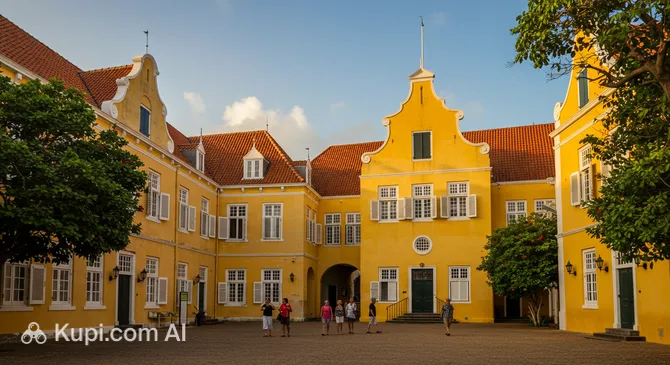
For those interested in the island's rich history and culture, the Kura Hulanda Museum is a must-see. Located in a complex of restored historical buildings, the museum tells the story of the transatlantic slave trade, its impact on the Caribbean region, and introduces visitors to African art and culture.

Illustration.
Source: Kupi.com AI

Traveller photos:

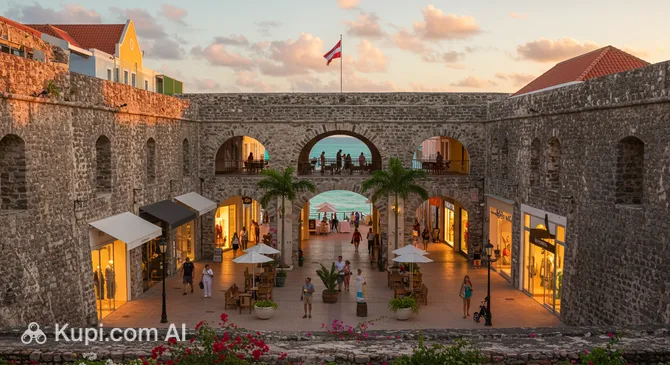
Shopping and history enthusiasts will enjoy the Renaissance Mall & Rif Fort complex. The ancient Rif Fort, which once guarded the harbor entrance, now houses boutiques, restaurants, and cafes, offering a unique combination of historical atmosphere and modern amenities.

Illustration.
Source: Kupi.com AI

Traveller photos:

Best Time to Visit

Curaçao is an island of eternal summer, where the sun shines almost all year round and pleasant trade winds soften the heat. Due to its location outside the main hurricane belt, the island is an attractive destination at any time of year. Nevertheless, two main seasons can be distinguished, each with its own characteristics that may influence your travel experience.

The high season in Curaçao traditionally lasts from December to April. During this time, the weather is at its driest and sunniest, with comfortable air temperatures around +28-30°C, creating ideal conditions for beach holidays, diving, and snorkeling in the crystal-clear waters of the Caribbean Sea. One of the main events of this period is the famous Curaçao Carnival, which usually takes place in February or March. This bright and large-scale celebration attracts many tourists from all over the world. The downsides of the high season include higher prices for accommodation and airfare, as well as more vacationers at popular beaches and attractions.

The low season, or off-season, in Curaçao covers the period from May to November. The weather remains warm, but the probability of short-term tropical rains increases, especially from September to November, although they usually do not last long and are quickly replaced by sun. Air and water temperatures are practically the same as in the high season. The main advantages of this time are noticeably fewer tourists and more affordable prices for hotels and various services. Although some smaller establishments may have reduced opening hours, the main tourist infrastructure functions as usual. At the end of August or beginning of September, the popular Curaçao North Sea Jazz Festival takes place on the island, attracting music lovers from all over the world. Given the island's small size, climatic conditions across its territory are almost identical. Overall, Curaçao is welcoming year-round, and the choice of the best time to visit depends on your personal preferences for weather, budget, and desire to attend certain cultural events.

Traditions

The culture of Curaçao is an amazing blend of European, African, and Caribbean traditions, making it particularly hospitable and colorful. Local residents value politeness and friendliness. When communicating, it is customary to greet people: simple phrases in Papiamento, such as "Bon dia" (good morning), "Bon tardi" (good afternoon/evening), or "Bon nochi" (good night), will be received with warmth, although English and Dutch are also widely spoken. Direct eye contact during conversation is usually welcomed and seen as a sign of openness. If you are invited to a home, a small token of appreciation, such as flowers or sweets, is a nice gesture to show your gratitude.

Regarding clothing, casual style and swimwear are quite appropriate on beaches and in resort areas. However, when visiting churches or some official institutions, it is better to opt for more modest clothing that covers the shoulders and knees. For dinner in a good restaurant or an evening out, an elegant casual style (smart casual) is suitable. There are no particularly strict table manners; generally accepted European etiquette norms are followed. To more deeply experience the spirit of the island, try to visit one of the main holidays: the famous Carnival (usually in February-March) with its colorful parades and music, or King's Day (April 27), when the entire island dresses in orange to celebrate the connection with the Netherlands.

To make your journey through Curaçao as comfortable as possible and leave only positive impressions, it is worth remembering a few simple rules of respect for the local culture. Always ask for permission before taking photos of local residents. Don't rush things – the concept of "island time" here means a more relaxed and unhurried pace of life. Try not to speak too loudly and avoid exuberant displays of emotion in public places. Showing interest in the local language, even if it's just a few phrases in Papiamento, will always be appreciated and will help build rapport with the inhabitants of this beautiful island.

Entertainment

Curaçao offers a variety of entertainment options to suit the tastes of many different travelers. Fans of active recreation will find paradise conditions for diving and snorkeling thanks to the crystal-clear waters of the Caribbean Sea and the rich underwater world. Many of the island's beaches are ideal for water sports, and national parks invite you to explore unique flora and fauna during hikes.

Cultural life on the island is concentrated in its charming capital, Willemstad. Here you can visit interesting museums, such as the Kura Hulanda Museum, get acquainted with colonial architecture listed as a UNESCO World Heritage site, and simply enjoy the atmosphere of the ancient streets. In the evening, the island comes alive: numerous restaurants, such as Grand Cafe Gouverneur de Rouville or Kome, and bars offer local and international cuisine as well as refreshing cocktails to the sound of live music. A walk across the famous Queen Emma Bridge in the lights of the night city will be an unforgettable experience.

For those who cannot imagine a holiday without shopping, Curaçao offers interesting options. In Willemstad, you can find both modern shopping centers, such as the Renaissance Mall & Rif Fort, and colorful markets, such as the Old Market, where local delicacies and souvenirs are sold. The famous "Blue Curaçao" liqueur, produced at Landhuis Chobolobo, as well as products from local craftsmen, are particularly popular. Families with children will appreciate the beautiful beaches, the opportunity to meet marine life, and the overall friendly atmosphere of the island, which promotes a relaxed holiday.

Currency rates

Planning a trip? Wonderful! To make sure the financial side of your journey holds no surprises, it's worth remembering that exchange rates are constantly changing. That's why we strongly recommend keeping an eye on current rates both before departure and throughout your trip. To help with that, you can use the data provided below — we monitor exchange rates 24/7 and strive to provide the most up-to-date information.

Reached the bottom of the page?

Looks like you know this route inside out

We use cookies and services to collect user information. This is essential for the functioning of the site and for marketing purposes. You can find out more in .