El Salvador

About

El Salvador is the smallest country in Central America, often referred to as "the land of thirteen volcanoes." Despite its compact size, this destination offers an incredible variety of landscapes: from majestic peaks and crater lakes to endless beaches with dark volcanic sand. Here, travelers will find an amazing blend of colonial history, living traditions, and a rapidly developing modern culture.
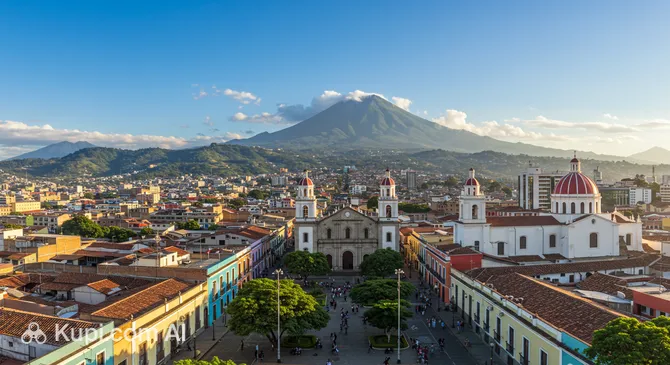
Illustration.
Source: Kupi.com AI

The heart of the country is its capital — San Salvador. It is a dynamic metropolis where bustling markets sit alongside modern shopping centers and green parks. Beyond the capital, El Salvador reveals itself through charming towns like Suchitoto, which has preserved the charm of Spanish architecture, or Santa Ana, nestled among coffee plantations and active volcanoes.

The atmosphere of El Salvador is permeated with the hospitality of the locals and a love for life. Everyone will find something for themselves here: whether it is the adrenaline of conquering waves in La Libertad or peaceful walks through the ancient forests of national parks. The country is actively developing as a tourist hub while maintaining its authenticity and sincerity, making a trip here truly memorable.

Currency

The official currency of El Salvador is the US Dollar (USD). The country fully transitioned to using the American dollar in 2001, so tourists do not need to worry about complex local money exchange. All standard US banknotes and coins are in circulation, although you may occasionally encounter Salvadoran centavo coins, which are equal in value to US cents.

Credit cards such as Visa and Mastercard are widely accepted in hotels, large restaurants, and shopping centers in San Salvador or Santa Ana. However, for trips to small towns, markets, or for paying surf instructors on the coast, it is essential to have cash on hand. Large denomination bills ($50 and $100) may be reluctantly accepted in small shops, so it is better to always carry $1, $5, $10, and $20 bills.

Visa Requirements

For citizens of many countries, including the USA, EU member states, and several South American countries, entry into El Salvador is simplified as much as possible. Most often, tourists do not require a pre-arranged visa; instead, a Tourist Card is purchased upon arrival at the airport or at a land border crossing. Its cost is usually around 12 US dollars, and it grants the right to stay in the country for up to 90 days.

For your trip, you will definitely need a valid passport, which must be valid for at least six months at the time of entry. Border services may also ask to see return tickets, proof of accommodation booking, or medical insurance. Since visa rules and document requirements can change periodically, we strongly recommend checking for current information on the official website of the El Salvador embassy or at a consular department before planning your trip.

We'll let you know if you need a visa

Enter your destination or
Your nationality
Destination

Timezones

The entire territory of El Salvador is in a single time zone. Standard time corresponds to GMT-6. This allows travelers to easily plan their movements around the country without worrying about confusion with transport schedules or attraction opening hours.

It is important to note that El Salvador does not practice daylight saving time. The time difference with other regions of the world remains constant throughout the year, which is convenient for international communication. When planning trips between El Salvador and neighboring Central American countries, there is usually no time difference either, as most neighbors follow the same standard.

Getting There

The fastest and most convenient way to reach El Salvador is by air. The main air gateway to the country is El Salvador International Airport Saint Óscar Arnulfo Romero, located about 40 minutes from the capital. This modern hub receives direct flights from many cities in North and Central America, including major hubs in the USA (Miami, Houston, Los Angeles), Mexico, and neighboring Latin American capitals. Travelers from Europe usually require connections through Madrid or US cities.

Thanks to its central location in the region, El Salvador is also popular with those traveling by land. There is an excellent bus service between El Salvador and neighboring Guatemala and Honduras. Comfortable international buses connect San Salvador with Guatemala City and Tegucigalpa, offering tourists reclining seats and air-conditioned interiors. This is an excellent option for those planning a circular route through Central America.

When planning a trip, especially during national holiday periods (August, December, and Easter Week), it is recommended to book flights and seats on international buses in advance. During peak season, demand increases significantly, and ticket prices can rise substantially. It is also worth considering the time required for crossing land borders, which can vary depending on traffic volume.

AirportCityIATA
El Salvador International AirportSan SalvadorSAL

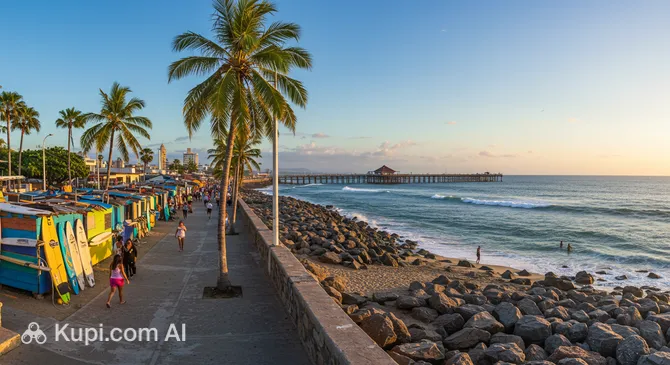
A journey through El Salvador offers an amazing kaleidoscope of impressions: from the modern rhythms of the metropolis to the serenity of colonial villages. The main center of attraction remains the coast, specifically the town of La Libertad, which is rightfully considered the surfing capital of the country. Here, you can not only catch the perfect wave but also enjoy the freshest seafood at the local market by the pier.

Illustration.
Source: Kupi.com AI

For those seeking history and architectural aesthetics, essential stops on the route are the cozy Suchitoto with its cobblestone streets and the picturesque "Flower Route" (Ruta de las Flores), the jewel of which is Concepción de Ataco. The country's capital, San Salvador, will surprise you with its scale, abundance of greenery, and majestic view of the volcano of the same name, which is visible from almost anywhere in the city.

Nature lovers and mountain scenery enthusiasts should head to Santa Ana — the country's second-largest city, which serves as a starting point for climbing the most beautiful volcanoes in the region. Each of these cities has its own unique character, allowing tourists to see El Salvador from many different perspectives — as a progressive country of the future and as a guardian of ancient Central American traditions.

Top Attractions

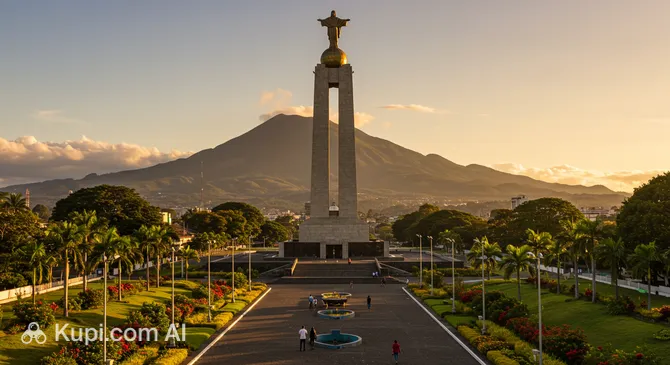
One of the most recognizable and significant landmarks of the capital is the Monument to the Divine Savior of the World. This monument, depicting Jesus Christ on a globe, is located in the Plaza El Salvador del Mundo and is considered a national symbol of the country. The square around the monument is a popular place for walks and festive events, reflecting the deep religiousness and cultural identity of Salvadorans.

Illustration.
Source: Kupi.com AI

Traveller photos:

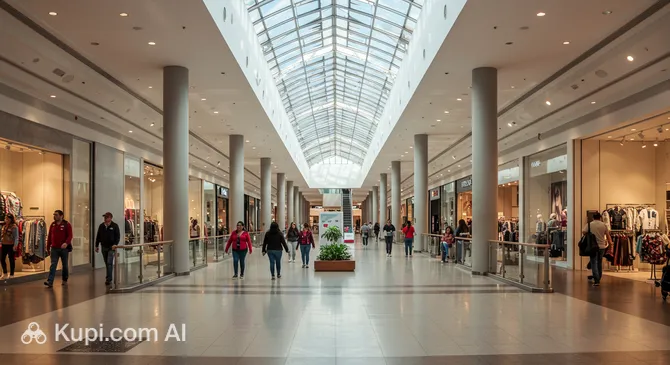
For those who want to combine relaxation with shopping and gastronomic discoveries, the Galerías Shopping Center in San Salvador is a must-visit. It is not just a place for shopping, but a true architectural monument, inside which an old mansion, La Casona, has been carefully preserved. Here you can feel the contrast between the city's historical past and its modern rhythm of life while enjoying coffee in a cozy courtyard.

Illustration.
Source: Kupi.com AI

Traveller photos:

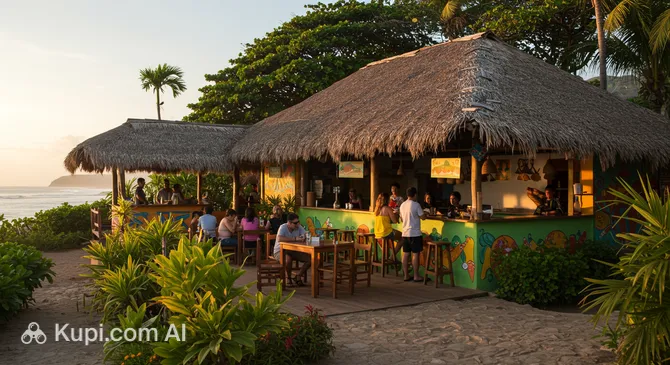
If you are looking for inspiring views and an atmosphere of tranquility, head to Cafe La Cumbre, located on a hill in the La Libertad area. This place is famous for its panoramic terrace, which offers breathtaking views of the mountain slopes and the ocean coast. Here they serve excellent local coffee and traditional dishes, allowing travelers to literally taste El Salvador surrounded by clouds and tropical greenery.

Illustration.
Source: Kupi.com AI

Traveller photos:

Best Time to Visit

The ideal time to visit El Salvador is during the dry season, which lasts from November to April. During this period, stable sunny weather is established, making it the high season. This is the best time for hiking to volcanic craters, sightseeing in San Salvador, and relaxing on the coast. However, keep in mind that accommodation prices may be higher during this time, and popular beaches, such as those in La Libertad, will be more crowded.

The low season coincides with the rainy season (May to October). Despite the name, rains usually occur in the late afternoon or at night, leaving the mornings sunny. For surfing enthusiasts, this is the best time, as the ocean brings the most powerful and consistent waves during this period. A plus for traveling in the off-season is the lower prices and the lush, vibrant greenery of the forests, which often fades during the dry season.

If you want to catch unique cultural events, plan your trip for August, when the capital hosts the large-scale Fiestas Agostinas celebrations in honor of the country's patron saint. Also interesting is Holy Week (Semana Santa), when the streets of many cities are decorated with incredible carpets made of colored sawdust. In any case, due to the tropical climate and proximity to the equator, the temperature remains comfortable year-round, hovering around +25–30°C.

Traditions

The culture of El Salvador is a vibrant mix of indigenous Mayan heritage and Spanish colonial traditions. Salvadorans are known for their exceptional friendliness and politeness. When greeting, firm handshakes and direct eye contact are common, which is considered a sign of sincerity and respect. In conversation, the titles "Don" and "Doña" are often used as a sign of respect for the age or status of the person. Hospitality for locals is not just a rule, but a way of life: if you are invited to a home, it is good manners to bring a small gift, such as flowers or high-quality pastries.

An essential part of daily life is food, and the main tradition here is pupusas. These thick tortillas made of corn or rice flour with various fillings have become a true national treasure. Eating pupusas is a ritual that brings families and friends together, especially on Sundays. A relaxed but respectful atmosphere prevails at the table in El Salvador. Regarding clothing, Salvadorans prefer a neat style in daily life, and when visiting churches or official institutions, tourists should avoid overly revealing outfits to show respect for local norms.

The country's main holidays are steeped in religious and patriotic meaning. One of the most significant is the Day of the Divine Savior of the World (El Salvador del Mundo) in early August, when colorful processions and carnivals take place across the country. During this time, you can see traditional dances and hear marimba folk music. Salvadorans are very proud of their country, and showing interest in their history or attempting to speak Spanish is always met with great warmth and gratitude.

Entertainment

Entertainment in El Salvador is strikingly diverse: from extreme sports to leisurely cultural activities. The main magnet for outdoor enthusiasts is the Pacific Ocean. The country's coastline, especially around La Libertad, is recognized as one of the best places in the world for surfing. In addition to conquering the waves, hiking up volcanoes is popular, such as climbing the Izalco volcano or walking through El Imposible National Park.

For those who prefer cultural recreation, El Salvador offers an immersion into coffee culture. Visiting high-altitude plantations in the Concepción de Ataco area allows you to see the production process of famous Salvadoran coffee and enjoy a tasting. In the capital and cities like Suchitoto, you can visit contemporary art galleries and historical museums that tell the story of Mayan heritage and the colonial past.

Nightlife is most vibrant in San Salvador, where modern bars, clubs, and restaurants are concentrated. Shopping in the country is represented both by huge malls, such as Galerías Shopping Center, and colorful craft markets where you can buy bright textiles and handmade ceramics. Families with children often choose to relax by the lakes, for example, the picturesque Lake Coatepeque, where boat trips and water attractions are available.

Currency rates

Planning a trip? Wonderful! To make sure the financial side of your journey holds no surprises, it's worth remembering that exchange rates are constantly changing. That's why we strongly recommend keeping an eye on current rates both before departure and throughout your trip. To help with that, you can use the data provided below — we monitor exchange rates 24/7 and strive to provide the most up-to-date information.

USD exchange rate for 13/08/2026

3.69 AED
~ 1 USD
367.67 AMD
~ 1 USD
1.42 AUD
~ 1 USD
1.71 AZN
~ 1 USD
2.99 BYN
~ 1 USD
1.40 CAD
~ 1 USD
1 EUR
~ 1.15 USD
1 GBP
~ 1.34 USD
317.64 HUF
~ 1 USD
95.86 INR
~ 1 USD
87.89 KGS
~ 1 USD
1423.55 KRW
~ 1 USD
468.12 KZT
~ 1 USD
3.75 PLN
~ 1 USD
83.16 RUB
~ 1 USD
3.77 SAR
~ 1 USD
1.29 SGD
~ 1 USD
47.99 TRY
~ 1 USD
45.00 UAH
~ 1 USD
11984.22 UZS
~ 1 USD

Reached the bottom of the page?

Looks like you know this route inside out

We use cookies and services to collect user information. This is essential for the functioning of the site and for marketing purposes. You can find out more in .