Martinique

Cities in the country

About

Martinique is an enchanting island in the Caribbean Sea, an overseas department of France that beckons travelers with its unique blend of French chic and Creole exoticism. Often called the "Island of Flowers," it offers more than just a beach holiday: it is a place with a rich history, vibrant culture, and breathtaking landscapes.
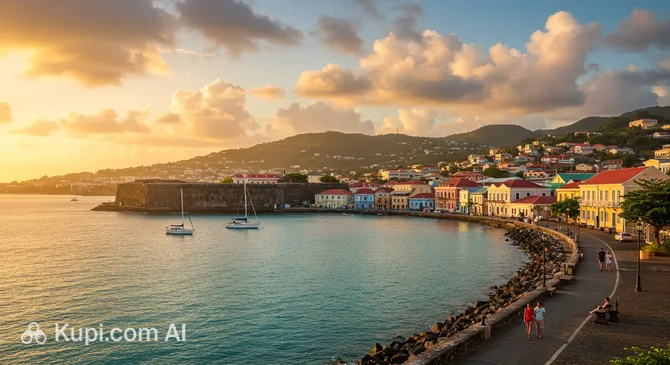
Illustration.
Source: Kupi.com AI

The heart of the island is its bustling capital, Fort-de-France, where colonial architecture stands alongside modern boutiques, and the air is filled with the aromas of spices and fresh fruit from local markets. Here, you can stroll along the picturesque Fort-de-France Waterfront or visit historical landmarks such as the St. Louis Cathedral. The culture of Martinique is a captivating mix of French traditions and Afro-Caribbean heritage, reflected in the music, dance, cuisine, and the warmth of the locals.

Martinique's natural beauty will leave no one indifferent: from the majestic Mount Pelée volcano in the north to the emerald tropical forests, waterfalls, and, of course, magnificent beaches with white and black volcanic sand. The warm tropical climate makes the island attractive to visit year-round. The atmosphere of Martinique is one of relaxation, hospitality, and a sense of celebrating life, which will leave you with the warmest memories.

Currency

The official currency of Martinique, as an overseas department of France, is the Euro (EUR). Banknotes in denominations of 5, 10, 20, 50, 100, and 200 euros are in circulation (the 500 euro note is no longer issued but remains legal tender), along with coins of 1, 2, 5, 10, 20, and 50 cents, as well as 1 and 2 euros. The banknote design is standard for all Eurozone countries, while coins have a common side and a national side with symbols of the issuing country (for Martinique, this is the French design).

You can exchange currency for euros at banks or exchange offices, but the most convenient way to obtain cash is often through ATMs, which are quite common, especially in the capital Fort-de-France and other tourist areas. Credit cards, particularly Visa and Mastercard, are widely accepted in most hotels, restaurants, and shops. However, it is always useful to carry a small amount of cash for minor purchases at markets, in small cafes, or for taxi fares.

Visa Requirements

When planning a trip to Martinique, it is important to clarify visa requirements in advance, as they depend on your citizenship. Citizens of European Union countries generally do not require a visa for short-term stays, as Martinique is an overseas department of France. However, citizens of many other countries, including CIS countries, will likely need a visa to enter Martinique. This is typically a tourist visa that must be obtained in advance at the French consulate or embassy in your country of residence.

Regardless of visa requirements, you will definitely need a valid passport to travel to Martinique. It is also recommended to have return tickets, hotel booking confirmation, and medical insurance. Since visa rules can change, we strongly advise checking the most up-to-date information on the official websites of the French embassy or the visa centers serving Martinique before your trip.

We'll let you know if you need a visa

Enter your destination or
Your nationality
Destination

Timezones

When planning a trip to Martinique, you won't have to worry about changing time zones within the country. The entire territory of the island is in one time zone: Atlantic Standard Time (AST), which corresponds to UTC-4. This means the time is the same in all corners of Martinique, including its capital Fort-de-France.

Thanks to a single time zone, you can easily plan your movements and excursions without fear of clock confusion. Just set your watch to local time upon arrival and enjoy your holiday!

Getting There

Getting to Martinique, a charming island in the Caribbean, is most convenient by air. The island's main gateway is Martinique Aimé Césaire International Airport, located near the capital, Fort-de-France. Regular flights operate from Europe, especially France, and there are convenient connections with flights from North America and other Caribbean islands. Direct flights and one-stop flights make traveling to Martinique accessible from many parts of the world.

In addition to air travel, you can also arrive in Martinique by sea. The island is a popular stop for many Caribbean cruise liners, allowing you to combine a visit to Martinique with a journey to other islands in the region. There is also a ferry service with neighboring islands such as Saint Lucia, Dominica, and Guadeloupe. Regardless of the chosen method, it is recommended to book tickets and accommodation in advance, especially if your trip coincides with the peak tourist season, which usually lasts from December to April, to ensure the best prices and availability.

AirportCityIATA
Martinique Aimé Césaire International AirportFort-de-FranceFDF

Martinique, an enchanting island in the Caribbean, attracts travelers with its diversity: from lively urban centers to secluded beach resorts. Here, everyone will find something to their liking, whether it's exploring rich history and culture or a serene holiday on the coast. Among the most significant and visited places on the island is its capital, offering a unique blend of French charm and Creole flavor.

Illustration.
Source: Kupi.com AI

The main center of attraction in Martinique is undoubtedly Fort-de-France. This bustling city is not only the administrative heart of the island but also its cultural treasure trove. Here, you can stroll through colorful streets, visit historical forts such as Fort Saint Louis, admire the St. Louis Cathedral, and enjoy the atmosphere of local markets like the Grand Marché. Fort-de-France offers tourists both educational excursions and opportunities for shopping and getting to know the local cuisine. Beyond the capital, Martinique is famous for its charming coastal villages and resort areas with magnificent beaches, each with its own unique character waiting to be explored.

Top Attractions

Martinique, the jewel of the Caribbean, offers its guests not only magnificent beaches but also interesting attractions concentrated mainly in its lively capital. Here, everyone will find something to their liking, from historical monuments to modern entertainment centers.

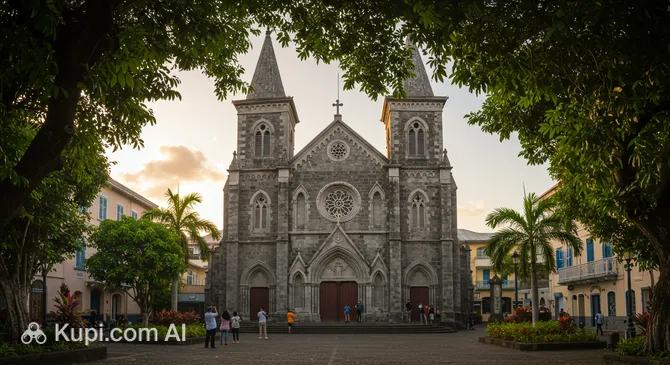
One of the main architectural landmarks of Fort-de-France is the majestic St. Louis Cathedral. This impressive structure, which has survived several natural disasters and reconstructions, is striking with its Byzantine-style metal construction and beautiful stained glass windows. A visit to the cathedral allows you to touch the island's history and enjoy its peaceful atmosphere.

Illustration.
Source: Kupi.com AI

Traveller photos:

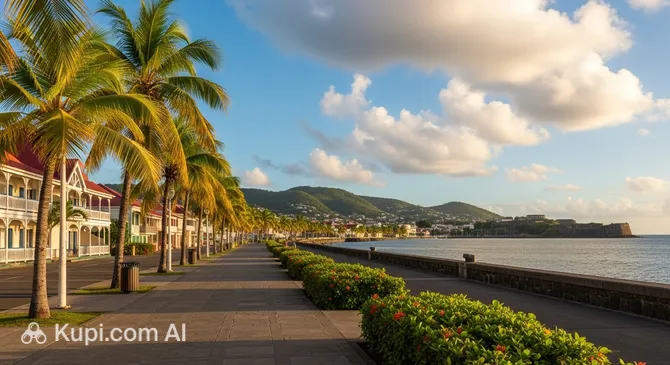
For those who love seaside walks and picturesque views, the Fort-de-France Waterfront is a must-see. This is a popular spot for both tourists and locals to relax. Here, you can take a leisurely stroll while admiring the yachts in the harbor, try local street food, or simply enjoy the sea breeze.

Illustration.
Source: Kupi.com AI

Traveller photos:

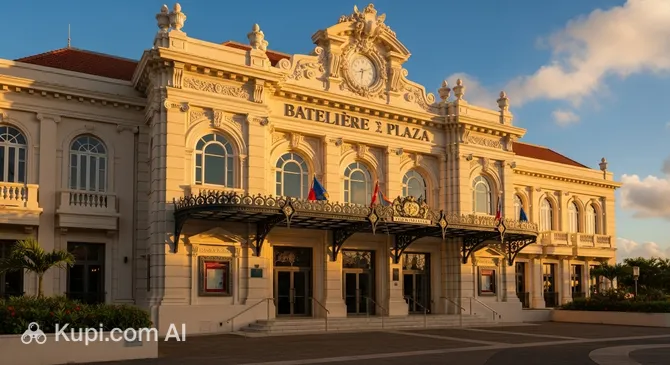
If you are looking for excitement and evening leisure, check out the Casino Batelière Plaza. Located in a prestigious area, this casino offers a wide selection of slot machines and tables, as well as regular entertainment programs, creating an atmosphere of celebration and excitement.

Illustration.
Source: Kupi.com AI

Traveller photos:

Best Time to Visit

Martinique, a charming island in the Caribbean, delights travelers with its tropical climate; however, choosing the best time to visit depends on your plans and preferences. High season in Martinique typically lasts from December to April. During these months, the weather is most comfortable: plenty of sunny days, pleasant warmth, and relatively low humidity, creating ideal conditions for beach holidays, water sports, and exploring the island's lush nature. The air warms up to an average of +28-30°C, and the sea water is very warm. The downsides of this period can be higher prices for flights and accommodation, as well as more tourists at popular resorts and attractions.

Low season, or the rainy season, spans from June to November. During this time, temperatures remain high, but the likelihood of tropical showers increases; these are usually short but intense. Also, from August to October, the risk of hurricanes increases, although severe storms do not affect the island every year. The main advantages of traveling in the low season are significant price reductions and fewer vacationers, allowing for a more peaceful atmosphere. Some smaller establishments may have reduced operating hours. If you are planning a trip, look out for the famous Martinique Carnival—a bright and colorful event that usually takes place in February or March and attracts many guests from around the world, making this period particularly lively.

Traditions

The culture of Martinique is a unique and colorful intertwining of Caribbean, African, and European (predominantly French) traditions. When communicating with locals, it is customary to greet them: standard French "Bonjour" (good day) and "Bonsoir" (good evening) are appropriate everywhere, as is a handshake when meeting. Eye contact during conversation is considered the norm. While daily clothing on the island is quite relaxed, especially in resort areas, you should prefer a more modest style that covers shoulders and knees when visiting churches or attending official events. It is also not customary to appear in only a swimsuit in cities and public places.

Martinicans are famous for their hospitality. If you are invited to a home, a small gift for the hosts (such as flowers, sweets, or a bottle of good rum) is a nice gesture, although not a strict requirement. European etiquette is usually followed at the table; it is customary to start the meal after the host or the eldest at the table has done so. One of the most significant and spectacular events reflecting the soul of the island is the Carnival, which takes place before Lent and is accompanied by colorful processions, music, and dancing. To ensure your communication with locals is comfortable, try to show patience ("island time" is a real concept here), always ask permission before photographing people, and avoid excessive persistence or loud behavior that could be perceived as impolite.

Entertainment

Martinique offers its guests a kaleidoscope of entertainment to suit a wide range of tastes. Fans of active recreation and sports will find a true paradise here: from fascinating hiking through tropical forests and climbing the famous Mount Pelée to thrilling diving among coral reefs, snorkeling in turquoise lagoons, and surfing the Atlantic waves. Sailing and boat trips along the picturesque coastline are also popular.

For those who prefer cultural entertainment, Martinique opens the doors of its museums, where you can learn about the island's rich history, its Creole culture, and art. The capital, Fort-de-France, and other towns offer historical sites and galleries to visit. As evening falls, the nightlife comes alive: numerous restaurants invite you to taste local and French cuisine, while bars and clubs are filled with the sounds of live music and infectious Caribbean rhythms, especially in the lively districts of the capital.

Shopping in Martinique is a pleasant addition to your holiday. Tourists often bring back the famous Martinican rum, aromatic spices, local handicrafts, bright fabrics, and jewelry. The main shopping streets and markets where you can find authentic souvenirs are located in Fort-de-France. For family holidays, the island offers calm beaches with a gentle slope into the water, botanical gardens with exotic plants, and the opportunity to discover the amazing nature of the Caribbean basin, making the trip unforgettable even for little travelers.

Currency rates

Planning a trip? Wonderful! To make sure the financial side of your journey holds no surprises, it's worth remembering that exchange rates are constantly changing. That's why we strongly recommend keeping an eye on current rates both before departure and throughout your trip. To help with that, you can use the data provided below — we monitor exchange rates 24/7 and strive to provide the most up-to-date information.

EUR exchange rate for 14/08/2026

4.26 AED
~ 1 EUR
424.01 AMD
~ 1 EUR
1.64 AUD
~ 1 EUR
1.97 AZN
~ 1 EUR
3.47 BYN
~ 1 EUR
1.62 CAD
~ 1 EUR
1 GBP
~ 1.16 EUR
365.46 HUF
~ 1 EUR
110.54 INR
~ 1 EUR
101.33 KGS
~ 1 EUR
1643.50 KRW
~ 1 EUR
539.54 KZT
~ 1 EUR
4.33 PLN
~ 1 EUR
96.56 RUB
~ 1 EUR
4.36 SAR
~ 1 EUR
1.48 SGD
~ 1 EUR
55.35 TRY
~ 1 EUR
51.83 UAH
~ 1 EUR
1.16 USD
~ 1 EUR
13853.12 UZS
~ 1 EUR

Reached the bottom of the page?

Looks like you know this route inside out

We use cookies and services to collect user information. This is essential for the functioning of the site and for marketing purposes. You can find out more in .