Honduras

About

Honduras is a country in the heart of Central America, washed by the waters of the Caribbean Sea to the north and the Pacific Ocean to the south. This destination attracts travelers with its rich cultural heritage, impressive natural beauty, and authentic atmosphere, offering a unique blend of adventure and discovery.

The history of Honduras is closely linked to the ancient Mayan civilization, which left behind majestic ruins such as the famous Copán Ruinas, as well as a colonial past visible in the architecture of many cities. The country's capital, Tegucigalpa, located in a mountainous area, is a colorful combination of old buildings and modern life, reflecting the multifaceted character of Honduras.
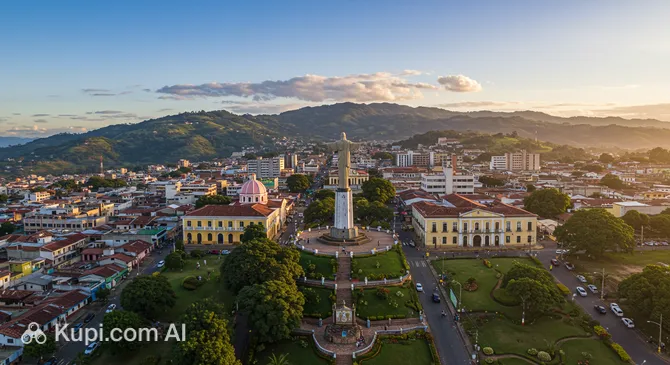
Illustration.
Source: Kupi.com AI

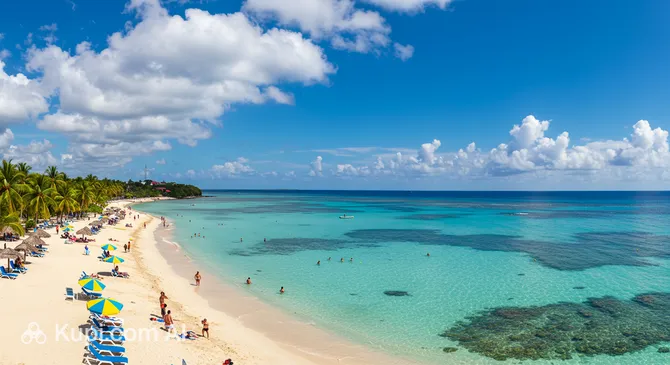
Nature in Honduras is striking in its diversity: from dense tropical rainforests and national parks to magnificent sandy beaches and the world's second-largest barrier reef off the shores of the Bay Islands (Islas de la Bahía). Among these islands, Roatán is particularly popular, being a true paradise for diving and snorkeling enthusiasts. Honduras offers travelers the opportunity to immerse themselves in a world of adventure, explore ancient mysteries, and enjoy the hospitality of the local people.

Currency

The national currency of Honduras is the lempira (international code HNL). The banknotes depict prominent figures from the country's history and national symbols. Various denominations of banknotes are in circulation, along with coins. You can exchange foreign currency for lempiras at banks or official exchange offices (casas de cambio), which usually offer more favorable rates and guarantee transaction security. It is recommended to avoid exchanging money with street money changers due to the risk of fraud or receiving counterfeit notes.

Credit cards (mostly Visa and MasterCard) are accepted in most large hotels, restaurants, and supermarkets in tourist areas and major cities like Tegucigalpa. However, in small towns, local markets, and tiny shops, cash is preferred. Therefore, it is always useful to have some local currency on hand for small expenses and in case card payment is not possible.

Visa Requirements

When planning a trip to Honduras, it is important to clarify visa requirements in advance. For citizens of many countries, including the European Union, USA, Canada, and most Latin American countries, a visa is generally not required for tourist trips of up to 90 days. However, citizens of some other states may need to apply for a tourist visa in advance at a Honduran consulate or embassy in their country of residence. In any case, a valid passport is required for entry, which usually must be valid for more than six months from the date of entry. Return tickets, proof of hotel booking, and medical insurance may also be required.

Visa rules can change, so it is strongly recommended to check the most up-to-date information on the official website of the Ministry of Foreign Affairs of Honduras, or at the country's embassy or consulate in your region before your trip. This will help avoid misunderstandings and make your preparation for your trip to Honduras smoother.

We'll let you know if you need a visa

Enter your destination or
Your nationality
Destination

Timezones

When planning a trip to Honduras, you won't have to worry about time zone changes within the country. The entire territory of Honduras is in one time zone – Central Standard Time (CST), which corresponds to UTC-6. This means that the time in the capital, Tegucigalpa, will be the same as in any other region of the country, simplifying the planning of travel and activities.

Getting There

The primary way to reach Honduras for most international tourists is by air. The country has several international airports, the main ones being Ramón Villeda Morales International Airport in San Pedro Sula, which often serves as the primary international hub, and Toncontín Airport, serving the capital Tegucigalpa. Roatán Airport is also popular for those heading to the Caribbean islands. Direct flights or convenient connections are available from many cities in North and South America, as well as through major hubs in the USA or Europe for travelers from other regions of the world.

For those who prefer land travel or are exploring Central America, Honduras is accessible by land. The country shares borders with Guatemala, El Salvador, and Nicaragua, and international buses run between them, connecting major cities. This is an economical way to see more of the region. Additionally, given the extensive Caribbean coastline and popular islands like Roatán, Utila, and Guanaja, maritime transport also plays a role. Ferries and boats regularly run between the mainland and the islands. Some cruise ships also include Honduran ports, particularly Roatán, in their Caribbean itineraries.

Regardless of the chosen method of travel, it is recommended to book tickets in advance, especially if your trip falls during the peak tourist season (usually December to April) or during major local holidays. This will help not only to save money but also to guarantee seat availability, especially on popular flights and ferry crossings.

AirportCityIATA
Ramon Villeda Morales International AirportSan Pedro SulaSAP
Coronel Enrique Soto Cano Air BaseTegucigalpaXPL
Roatan AirportRoatanRTB
Goloson International AirportLa CeibaLCE

Honduras offers travelers an amazing variety of destinations, from idyllic Caribbean islands to ancient Mayan ruins and lively colonial cities. Everyone will find something to their liking here: beach lovers, adventure seekers, and history and culture enthusiasts alike.

Illustration.
Source: Kupi.com AI

One of the most attractive spots is the island of Roatán, a gem of the Caribbean Sea, famous for its white sand beaches, crystal-clear water, and the world's second-largest barrier reef, ideal for diving and snorkeling. For those fascinated by history, Copán Ruinas is a must-visit, where you can immerse yourself in the mysterious world of the Mayan civilization while exploring impressive stelae and temples.

The country's capital, Tegucigalpa, offers an introduction to colonial architecture, museums, and authentic urban life. Meanwhile, the city of La Ceiba, known as the "ecotourism capital" of Honduras, serves as a starting point for exploring national parks, rafting, and wildlife watching. These and other cities and resorts in Honduras await you to provide unforgettable experiences.

Top Attractions

Honduras is a country capable of surprising even the most seasoned traveler with its treasures. Here, world-famous natural beauties and unique man-made sites await you, each telling its own story. Let's get to know some of the most prominent attractions of this Central American gem.

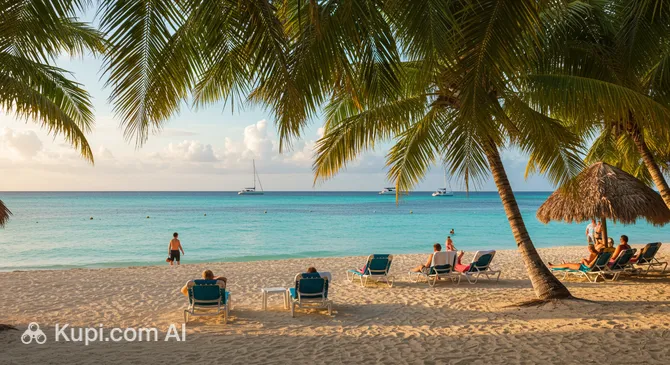
One of the most popular places for a beach holiday is Mahogany Beach on Roatán Island. This is a true paradise with white sand, the azure waters of the Caribbean Sea, and palm trees leaning over the water. Here you can not only enjoy the sun and swimming but also go snorkeling or simply relax in a hammock with a cocktail in hand.

Illustration.
Source: Kupi.com AI

Traveller photos:

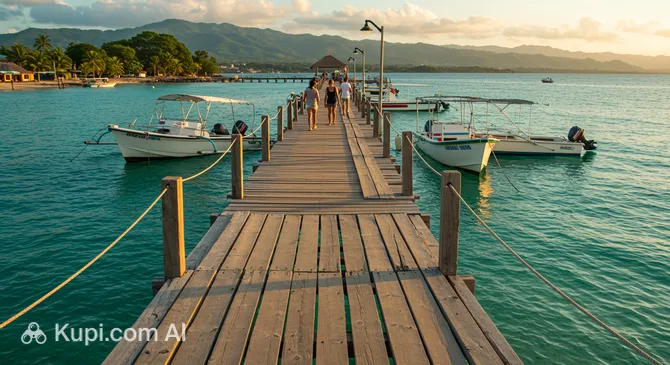
For those who want to feel the authentic atmosphere of a coastal town, Tela Pier is a must-visit. This historical pier is not just a place for walking and admiring the sea landscapes, but also an important part of the city of Tela's history. It offers picturesque views, especially at sunset, and local fishermen often share their catch here.

Illustration.
Source: Kupi.com AI

Traveller photos:

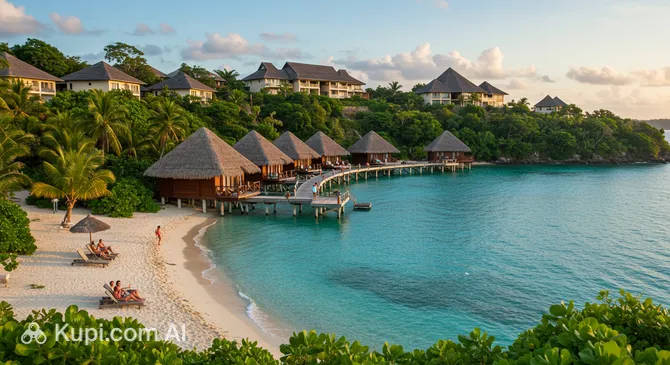
If you dream of an unforgettable experience of immersing yourself in the underwater world and interacting with marine life, then Anthony's Key Resort is what you need. This famous resort on Roatán is known for its swim-with-dolphins programs, excellent conditions for diving and snorkeling among coral reefs, and cozy bungalows located right over the water.

Illustration.
Source: Kupi.com AI

Traveller photos:

Best Time to Visit

When planning a trip to Honduras, it is important to consider the climate seasons to ensure your journey is as comfortable as possible. Generally, the country has a dry season and a wet season. The high season typically falls between November and April. During this time, dry and sunny weather prevails, especially on the Caribbean coast and islands like Roatán, making it ideal for beach holidays, diving, and snorkeling. Air temperatures are comfortable, and evenings can even be slightly cool in mountainous regions, such as the area around Santa Rosa de Copán. The downsides of this period can include higher accommodation prices and more tourists at popular destinations.

The low season, or rainy season, lasts from approximately May to October. During this time, the probability of precipitation increases, especially in the afternoon and at night. Rains can be heavy but are often short-lived, after which the sun comes out again. The advantages of this period are lower prices, fewer tourists, and lush, green vegetation throughout the country. However, it should be noted that during the peak of the rainy season (especially from August to October), hurricanes are possible, particularly on the Caribbean coast, which can affect travel plans and the availability of certain activities. Important events attracting tourists include the Easter celebrations (Semana Santa), accompanied by colorful processions throughout the country, and the June Fair (Feria Juniana) in San Pedro Sula.

The climate in Honduras can vary slightly depending on the region. The Caribbean coast (for example, in La Ceiba or Tela) is usually hotter and more humid than the central highlands where Tegucigalpa is located, or the Pacific coast. It is recommended to check the weather forecast for the specific locations you plan to visit before your trip.

Traditions

Hondurans, affectionately known as "Catrachos," are famous for their warm and open nature. When meeting and socializing, it is customary to exchange a handshake while maintaining eye contact. Using titles like "Señor," "Señora," or "Señorita," especially towards older people or in formal settings, is considered a sign of respect. Hospitality is a truly vital part of the local culture. If you are invited into a home, a small gift such as sweets, flowers, or a souvenir from your country will be warmly received, though it is not a strict obligation. Refusing offered refreshments can be perceived as impolite, so try to at least taste what you are offered.

In everyday life in Honduras, a casual style of clothing prevails; however, when visiting religious sites such as churches, it is better to opt for more modest outfits that cover the shoulders and knees. There are no special complications at the table: usually, the meal begins after an invitation from the hosts or the phrase "buen provecho" (enjoy your meal). It is considered polite to keep your hands visible by resting your wrists on the table. Exercise patience in daily affairs—punctuality here may be treated more relaxed, a phenomenon sometimes called "la hora catracha" (the Honduran hour). Avoid pointing directly with your finger at people or objects, as this can be seen as rude; it is better to use an open-palm gesture.

To better understand the soul of Honduras, pay attention to its festivals. One of the most significant and especially colorful is Semana Santa (Holy Week), during which impressive religious processions take place and the famous "alfombras"—carpets made of colored sawdust and flowers—are created. Independence Day (September 15) is also celebrated on a large scale, accompanied by parades and folk festivities. In communication with locals, try to avoid harsh statements or a confrontational tone; Hondurans value politeness and a desire for harmony. Always ask for permission before photographing people—this simple rule will help you show respect and establish friendly contact.

Entertainment

Honduras offers diverse entertainment for all tastes, from outdoor adventures to immersion in a rich culture. Active recreation enthusiasts will find excellent opportunities here for diving and snorkeling at coral reefs, especially near the island of Roatán, as well as hiking through tropical forests and national parks. Exploring picturesque waterfalls and encountering unique flora and fauna will leave unforgettable impressions.

For lovers of cultural discovery, Honduras preserves the legacy of the ancient Mayan civilization, a prime example of which is the ruins at Copán Ruinas. In cities such as the capital Tegucigalpa or the historical Santa Rosa de Copán, you can visit museums, explore colonial architecture, and learn about local traditions. In the evening, major cities and resort areas come alive: numerous restaurants, bars, and clubs open, offering both local and international cuisine and music.

Shopping in Honduras is an opportunity to bring home authentic souvenirs: handmade crafts, ceramics, textiles, and, of course, the famous Honduran coffee. Trading stalls and markets offer unique local goods, while in large cities like San Pedro Sula, you can also find modern shopping centers such as MegaMall. Families with children will appreciate relaxing on beautiful beaches, many of which are perfect for a quiet time, as well as the chance to visit nature reserves where you can see exotic animals and birds.

Currency rates

Planning a trip? Wonderful! To make sure the financial side of your journey holds no surprises, it's worth remembering that exchange rates are constantly changing. That's why we strongly recommend keeping an eye on current rates both before departure and throughout your trip. To help with that, you can use the data provided below — we monitor exchange rates 24/7 and strive to provide the most up-to-date information.

Reached the bottom of the page?

Looks like you know this route inside out

We use cookies and services to collect user information. This is essential for the functioning of the site and for marketing purposes. You can find out more in .