Dominica

Cities in the country

About

Dominica, often referred to as the "Nature Island" of the Caribbean, is a unique travel destination that attracts visitors with its pristine beauty. This small island of volcanic origin is famous for its lush tropical forests, numerous rivers, impressive waterfalls, and hot springs, offering travelers an immersive experience in the wild.

The capital, Roseau, is a charming town featuring elements of Creole and colonial architecture. Located on the west coast, it serves as a gateway for exploring the island's natural wonders and experiencing the local culture, which is a vibrant blend of Caribbean, African, and European traditions.
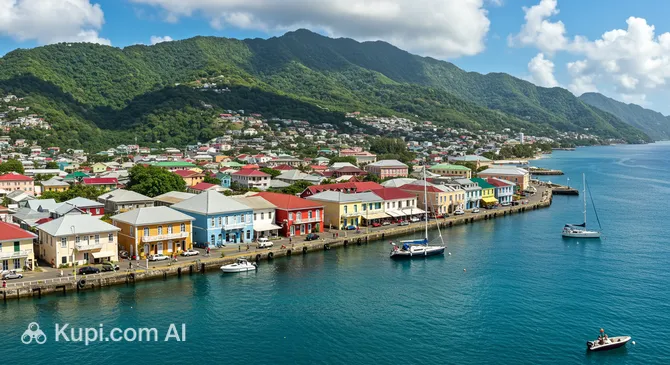
Illustration.
Source: Kupi.com AI

Dominica is a paradise for outdoor enthusiasts and ecotourists. Here, you can hike along challenging yet scenic trails, explore the underwater world with its coral reefs, or simply enjoy the tranquility surrounded by exotic flora and fauna, such as in the famous Dominica Botanical Gardens. The warm tropical climate provides comfortable conditions for visiting the island year-round, although the dry season is considered the best time. Dominica's atmosphere encourages relaxation and connection with nature, offering an authentic experience far from the crowded resorts.

Currency

The official currency of Dominica is the East Caribbean dollar (XCD). This currency is also used in several other Caribbean countries and territories. Banknotes and coins feature various designs, often depicting local birds, flora, fauna, and Queen Elizabeth II, as the currency is issued by the Eastern Caribbean Central Bank. You can find images of ships or maps of the region on the coins.

You can exchange currency upon arrival in Dominica at banks or official exchange offices, which usually offer better rates than hotels. It is recommended to avoid exchanging money with private individuals. Credit cards (mainly Visa and MasterCard) are accepted in most hotels, restaurants, and large stores, especially in tourist areas and the capital Roseau. However, it is always useful to carry some cash, particularly for shopping at local markets, paying for taxis, or visiting small establishments in remote areas.

Visa Requirements

Planning a trip to Dominica? For citizens of many countries, including the European Union, the USA, and the CIS, a visa for Dominica is generally not required for tourist trips of a certain duration (usually up to 6 months, but the exact period depends on your citizenship). However, you will definitely need a valid international passport, the validity of which must cover the entire period of your stay on the island. It is also recommended to have return tickets, proof of accommodation booking, and a medical insurance policy for unforeseen circumstances.

Visa rules and requirements can change, so we highly recommend checking the most up-to-date information for your citizenship before your trip. This is best done on the official websites of Dominican embassies or consular departments in your country of residence or at accredited visa centers. Timely verification will help avoid possible difficulties and make your preparation for a trip to this Caribbean island more peaceful and predictable.

We'll let you know if you need a visa

Enter your destination or
Your nationality
Destination

Timezones

When planning a trip to Dominica, you won't have to worry about changing time zones within the country. The entire territory of Dominica is in a single time zone — Atlantic Standard Time (AST), which corresponds to UTC-4. This means the time is the same in all corners of the island, from the capital Roseau to the most remote natural parks.

The absence of time zone changes makes planning travel around Dominica very convenient. You won't need to adjust your watch or account for time differences when traveling between different regions of this Caribbean island.

Getting There

The primary way to reach Dominica is by air. The island's main international air gateway is Melville Hall Airport (also known as Douglas-Charles Airport), located in the northeast of the island, relatively close to the capital Roseau. There are generally few direct flights from most European or North American countries to Dominica, so most travelers arrive via convenient connections at major Caribbean transit hubs such as Barbados, Antigua, Puerto Rico, or Saint Martin.

In addition to air travel, Dominica can also be reached by sea. Regular ferry services connect the island with neighboring Caribbean countries such as Guadeloupe, Martinique, and St. Lucia, offering a scenic alternative for those traveling around the region. Furthermore, some cruise ships include Dominica in their Caribbean itineraries, providing an opportunity for a short visit. Regardless of the chosen method of travel, it is highly recommended to book tickets and accommodation well in advance, especially if your trip falls during the peak tourist season (usually December to April), to ensure the best options and prices.

AirportCityIATA
Melville Hall AirportDominicaDOM
Canefield AirportDominicaDCF

Dominica, known as the "Nature Island," attracts travelers primarily with its incredible landscapes rather than a large number of bustling cities or standard resorts. Nevertheless, the island has colorful settlements where you can get to know the local culture and begin your exploration of natural wonders.

Among the popular places in Dominica, its capital — Roseau — stands out in particular. This lively city, located on the southwest coast, is the country's main economic and cultural center.

Illustration.
Source: Kupi.com AI

Roseau offers guests an introduction to colonial architecture, walks along the waterfront, visits to the Botanical Gardens, and the colorful local market. It is a convenient starting point for excursions to famous waterfalls, hot springs, and the national parks for which Dominica is so famous.

While the list of large cities and resorts in Dominica is not as extensive as in some other Caribbean countries, it is Roseau that serves as a wonderful base for exploring everything this amazing island has to offer. Other smaller settlements scattered along the coast and in the interior of the island will provide you with an authentic experience and even closer interaction with nature.

Top Attractions

Dominica, known as the "Nature Island" of the Caribbean, beckons travelers with its lush tropical forests, volcanic wonders, and crystal-clear rivers. Among the island's treasures are places that will provide unforgettable experiences and allow for a deeper understanding of its uniqueness.

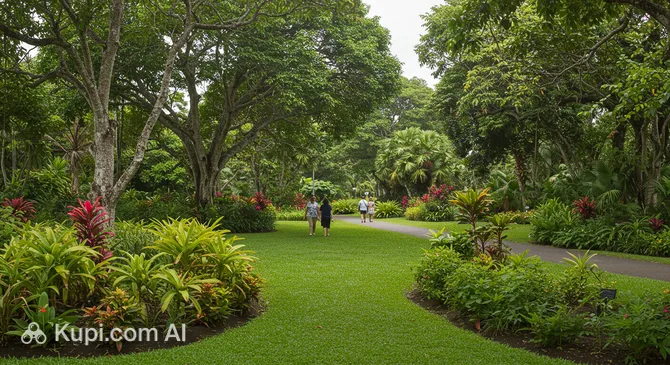
Be sure to visit the Dominica Botanical Gardens, located in the capital, Roseau. This is not just a collection of exotic plants from around the world, but also a place with a rich history. Here you can stroll among blooming orchids and giant trees, and even see the famous crushed school bus under a fallen baobab tree — a reminder of the power of nature and the resilience of the island.

Illustration.
Source: Kupi.com AI

Traveller photos:

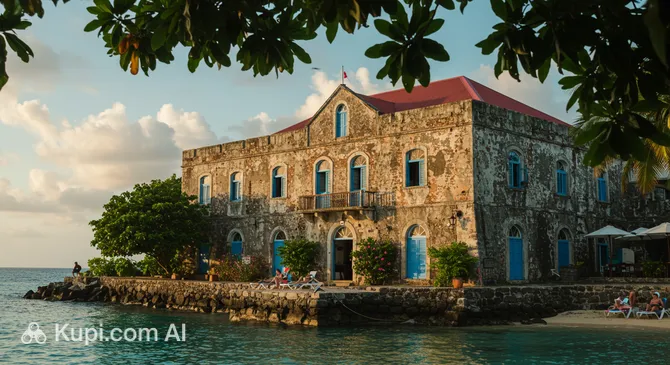
For those who appreciate a combination of history, comfort, and active recreation, the Fort Young Hotel & Dive Resort is an excellent choice. This unique hotel is located on the site of a historic 18th-century fort, offering stunning views of the Caribbean Sea. In addition to comfortable rooms, the resort offers excellent diving opportunities, allowing you to explore Dominica's rich underwater world.

Illustration.
Source: Kupi.com AI

Traveller photos:

Best Time to Visit

Dominica, known as the "Nature Island" of the Caribbean, attracts travelers with its lush tropical climate and unique landscapes. To ensure your trip is as comfortable and fulfilling as possible, it is important to choose the right time to visit, taking into account seasonal weather patterns and island events.

High season in Dominica traditionally lasts from December to April. During this period, the weather is usually at its driest and sunniest, creating ideal conditions for outdoor activities: hiking along numerous trails, including the famous Waitukubuli National Trail, exploring spectacular waterfalls, and diving or snorkeling in the crystal-clear waters of the Caribbean Sea. This is also the peak season for whale watching. In February or March, the island hosts the colorful "Mas Domnik" carnival – one of the main cultural events. Disadvantages of this period include higher prices for accommodation and flights, as well as more tourists on popular routes.

Low season, covering the months from June to November, coincides with the rainy season and the potential hurricane period (especially from August to October). Although rains can be frequent, they are often short-lived, leaving the island's nature appearing in all its emerald glory. The main advantages of this time are significantly lower hotel prices and fewer tourists, allowing for more privacy. Additionally, the popular World Creole Music Festival takes place in October, and sea turtle nesting can be observed from March to October. It is important to remember that due to Dominica's mountainous terrain, weather can vary in different parts of the island, so it is recommended to check local forecasts before traveling to a specific region.

Traditions

Residents of Dominica are famous for their hospitality and open nature. Greetings here are generally simple and heartfelt: a standard "good morning," "good afternoon," or "good evening," combined with a light handshake, is quite appropriate. Direct eye contact is valued during conversation as a sign of sincerity. Hospitality holds a special place in the island's culture. If you are honored with an invitation to a home, a small and thoughtful gift, such as a souvenir from your country or fruit bought at a local market, will be accepted with gratitude, although it is not a strict requirement. Overall, Dominicans value politeness and respect; try to avoid loud conversations in public places and remember that "island time" implies a more relaxed pace of life, so a little patience won't hurt.

Regarding clothing, Dominica is fairly democratic, but modesty is valued outside of beach areas and resorts. Swimsuits are intended exclusively for the beach or pool, and when visiting religious sites such as churches or official institutions, it is worth covering your shoulders and knees. Follow general etiquette at the table; if you are invited for lunch, trying a little bit of everything offered is considered a polite gesture. To better immerse yourself in the spirit of the country, pay attention to its main holidays. Independence Day, celebrated on November 3rd, is the most important national event, accompanied by weeks of cultural festivals, music, and dancing throughout the island, including the capital Roseau. No less vibrant and exciting is the Mas Domnik carnival, known as the "Real Masquerade," which usually takes place in February or March. Always ask permission before photographing local residents and show restraint in public displays of affection to avoid causing discomfort.

Entertainment

Dominica, known as the "Nature Island," offers tourists a wide range of entertainment, primarily related to its unique natural resources. Outdoor enthusiasts will find countless opportunities here for hiking through tropical forests to picturesque waterfalls and boiling lakes, exploring volcanic landscapes, as well as diving and snorkeling in the crystal-clear waters of the Caribbean Sea, where they can admire coral reefs and diverse marine life. Kayaking and whale watching are also popular activities.

For those interested in cultural entertainment, Dominica offers an introduction to Kalinago heritage, local music, and dance, especially during colorful festivals. While there are few large theaters or galleries, an authentic cultural experience can be gained by visiting local villages and interacting with residents. Nightlife in Dominica is quite relaxed and mainly concentrated in the capital, Roseau, and small coastal towns, where you can find cozy bars and restaurants with live music. Regarding shopping, tourists typically bring home local handicrafts such as woven baskets and wooden souvenirs, as well as local spices, rum, and natural cosmetics.

Family entertainment in Dominica is also closely tied to nature. A visit to the Dominica Botanical Gardens, where you can see a variety of tropical plants, or easy walks along maintained nature trails will provide enjoyment for both adults and children. Some resort hotels, such as the Fort Young Hotel & Dive Resort, may offer family-friendly amenities and access to activities suitable for all ages, including swimming and exploring the underwater world in safe conditions.

Currency rates

Planning a trip? Wonderful! To make sure the financial side of your journey holds no surprises, it's worth remembering that exchange rates are constantly changing. That's why we strongly recommend keeping an eye on current rates both before departure and throughout your trip. To help with that, you can use the data provided below — we monitor exchange rates 24/7 and strive to provide the most up-to-date information.

Reached the bottom of the page?

Looks like you know this route inside out

We use cookies and services to collect user information. This is essential for the functioning of the site and for marketing purposes. You can find out more in .