Panama

About

Panama is an amazing isthmus country strategically located between North and South America, washed by the waters of the Caribbean Sea and the Pacific Ocean. It is a place where modernity meets rich history, and nature astounds with its diversity. Panama gained worldwide fame, of course, from the Panama Canal — a magnificent engineering feat that connects two oceans and serves as a key artery of world trade.

The country's capital, Panama City, is a fascinating mix of ultra-modern skyscrapers in the financial district and the colonial architectural charm of the Casco Viejo historic quarter, recognized as a UNESCO World Heritage site. Panama's culture is a vibrant kaleidoscope of indigenous traditions, Spanish heritage, and Afro-Caribbean influences, which are evident in the music, dance, crafts, and, of course, the local cuisine.
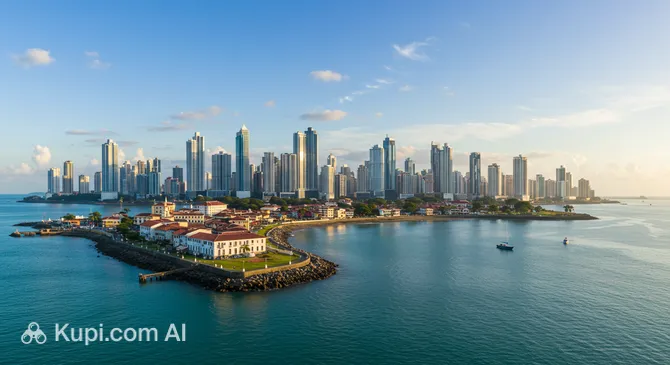
Illustration.
Source: Kupi.com AI

Panama attracts travelers with its lush tropical forests, incredible biodiversity, volcanic landscapes, and magnificent beaches. Here, you can explore national parks such as Parque Omar in the capital, enjoy diving and snorkeling in the crystal-clear waters of the Bocas del Toro archipelago, or head inland to connect with indigenous communities. A warm climate year-round and the hospitality of the locals create a unique atmosphere for an unforgettable journey.

Currency

The official currency of Panama is the Panamanian balboa (PAB). However, it is important to know that the country's economy is effectively dollarized, and the US dollar (USD) is legal tender and the primary currency in circulation. Panama issues its own coins — centésimos (equivalent to cents) and balboas, which are identical in denomination and size to American coins and are used alongside them. Interestingly, Panama does not print its own paper banknotes; instead, US dollars are used everywhere.

Travelers arriving with US dollars generally do not need to exchange currency. If you need to exchange other foreign currency, it is recommended to visit banks or official exchange offices, which can be found in major cities like the capital, Panama City. Try to avoid exchanging money with street money changers. Credit and debit cards (especially Visa and MasterCard) are widely accepted in most hotels, restaurants, and large stores, particularly in tourist areas. Nevertheless, it is always useful to carry some cash in dollars for small expenses, tips, market purchases, or when visiting more remote regions of the country.

Visa Requirements

When planning a trip to Panama, it is important to familiarize yourself with visa requirements in advance. For citizens of many countries, including the European Union and the USA, visa-free entry for tourism purposes for a specific period is generally allowed. Citizens of other states, including some CIS countries, may need to apply for a tourist visa. This information should be verified individually.

In any case, to cross the Panamanian border, you will need a valid passport, which usually must be valid for longer than the intended period of stay in the country. You may also be asked for return tickets, proof of sufficient financial funds, or a hotel reservation. We strongly recommend always checking the current information on visa rules and the list of required documents on the official website of the Panama embassy or consulate in your country of residence, as visa regulations are subject to change.

We'll let you know if you need a visa

Enter your destination or
Your nationality
Destination

Timezones

When planning a trip to Panama, you won't have to worry about changing time zones within the country. A single time zone applies throughout Panama, which corresponds to UTC-5 (Eastern Standard Time, EST) year-round, as the country does not observe daylight saving time. This means the time in the capital, Panama City, will be the same as in any other part of the country.

Getting There

The easiest way to get to Panama is by air. The main gateway to the country is Tocumen International Airport (PTY), located near the capital, Panama City. This modern hub receives flights from many cities in North and South America, Europe, and offers convenient connections for travelers from other parts of the world. Some low-cost airlines also use Panama Pacifico Airport, which expands travel options.

For those who prefer land travel, Panama has a land border with Costa Rica to the west, which international buses cross — a popular way to arrive from the neighboring country. Travel by land from Colombia to the east is significantly difficult due to the Darien Gap. Sea routes to Panama are also available: the country is an important stop for many cruise ships passing through the famous Panama Canal. Additionally, coastal areas like Bocas del Toro can be reached by ferries or private boats from neighboring countries.

When planning a trip to Panama, it is recommended to book flights and accommodation in advance, especially if your trip coincides with the peak tourist season, which usually lasts from December to April. This will not only help save money but also guarantee availability.

AirportCityIATA
Tocumen International AirportPanama CityPTY
Panama Pacifico AirportBalboaBLB
Enrique Malek AirportDavidDAV
Bocas Del ToroBocas del ToroBOC
Rio Hato (Scarlett Martinez International)PenonomeRIH

Panama is a country of amazing contrasts, where modern metropolises neighbor pristine tropical forests, and Caribbean beaches give way to mountain landscapes. Everyone will find something here: from bustling city centers to secluded resorts offering both active recreation and total relaxation.

Illustration.
Source: Kupi.com AI

The heart of the country is undoubtedly its capital — Panama City. This dynamic city impresses with its combination of gleaming skyscrapers, historic quarters with colonial architecture, and, of course, the famous Panama Canal. For lovers of beach holidays and Caribbean exoticism, the islands of Bocas del Toro are a true paradise, beckoning with turquoise waters, rich marine life, and a relaxed atmosphere. Here, you can go surfing, diving, or simply soak up the sun on white-sand beaches.

If you prefer the coolness of the mountains and picturesque landscapes, head to Bajo Boquete. This charming town, nestled in the Chiriquí mountains, is famous for its coffee plantations, flower gardens, and ecotourism opportunities, such as hiking trails and bird watching. And for those seeking a unique cultural experience and seclusion on paradise islands, the San Blas archipelago will be a real discovery. These islands, inhabited by the indigenous Guna people, offer untouched beaches, crystal-clear water, and the chance to get acquainted with an authentic culture.

Top Attractions

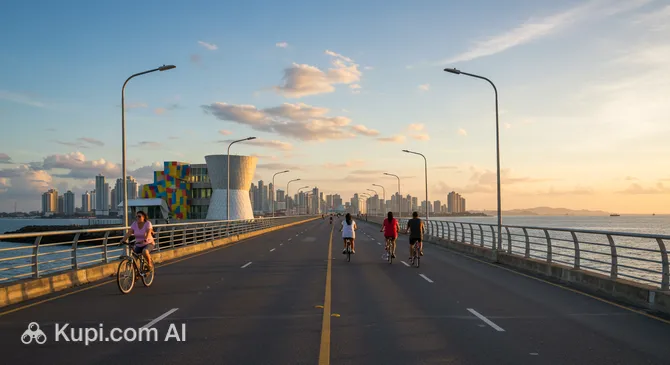
One of Panama's iconic landmarks is the Amador Causeway. This picturesque causeway connects the mainland with four small islands in the Pacific Ocean at the entrance to the Panama Canal. It offers magnificent views of the Panama City skyscrapers and passing ships, and the causeway itself has become a popular place for walking, cycling, and relaxing.

Illustration.
Source: Kupi.com AI

Traveller photos:

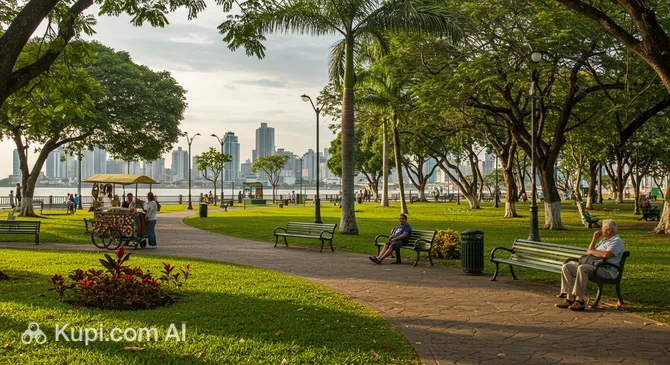
For those seeking a green oasis in the capital, Parque Omar is a true discovery. This largest urban park in Panama City offers many opportunities for active recreation and relaxation: there are running and cycling paths, sports fields, children's play areas, and spacious lawns for picnics. The park often serves as a venue for cultural events and concerts.

Illustration.
Source: Kupi.com AI

Traveller photos:

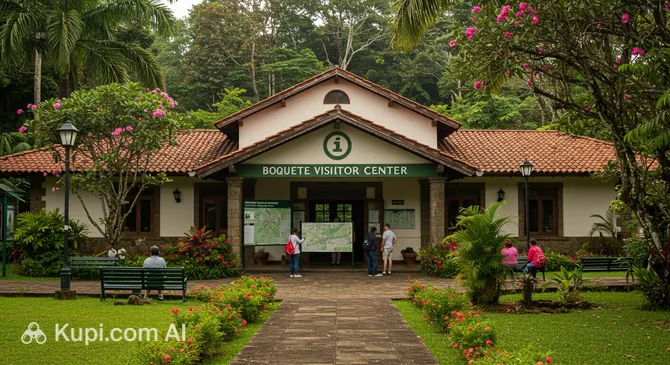
Nature lovers and active tourists should definitely visit the Boquete Tourist Center, located in the mountainous province of Chiriquí. This region is famous for its coffee plantations, scenic hiking trails, waterfalls, and rafting opportunities. The tourist center will help you navigate the variety of activities and choose a route to your liking.

Illustration.
Source: Kupi.com AI

Traveller photos:

Best Time to Visit

The best time to visit Panama largely depends on your plans and preferences. The country has a predominant tropical climate with two main seasons: dry and wet. The high season, also known as the dry season, lasts roughly from mid-December to mid-April. During this time, the weather is sunny with minimal rainfall, making it ideal for beach holidays, diving, surfing, and exploring national parks. However, this is also the peak of the tourist season, so prices for accommodation and services may be higher, and popular spots can be more crowded. Particularly many tourists arrive during the famous Panama Carnival, which usually takes place in February or March before Lent and is one of the most colorful events in the country.

The low season, or "green season," falls between May and November. During this time, there is more precipitation, most often in the form of afternoon showers, but nature comes alive, becoming lush and emerald green. The advantages of this period are fewer tourists and lower prices. It rarely rains all day, so morning hours are often sunny and suitable for excursions. However, humidity is higher during this period, and some remote areas or trails may be less accessible. It is worth noting that the climate can vary slightly by region: the Caribbean coast is generally wetter year-round, while the Pacific side has a more pronounced dry season. Mountainous regions, such as Boquete, offer cooler weather throughout the year.

Traditions

Panama is a country with a rich culture where Spanish heritage, Afro-Caribbean influences, and indigenous traditions intertwine. Panamanians are known for their friendliness and openness. Greetings usually involve a handshake and eye contact; among close acquaintances, hugs or a light kiss on the cheek are common. If you are invited to a home, a small token of appreciation, such as flowers or sweets, will be appreciated, although it is not a strict requirement. In daily life, Panamanians dress quite casually; however, when visiting churches or official institutions, it is worth choosing more modest clothing that covers the shoulders and knees. In the capital, Panama City, a more formal style is adopted in business environments.

At the table, Panamanians follow generally accepted etiquette; it is considered polite to try all the dishes offered. One of the most striking features of Panamanian culture is its festivals. Carnival, taking place four days before Ash Wednesday, is an extravaganza of music, dance, and colorful costumes, particularly grandly celebrated in towns like Las Tablas. Another important holiday is Independence Day (November 3rd), which is celebrated throughout the country with parades and folk festivities, marking the separation from Colombia. To ensure your interactions with locals are pleasant, try to show patience — punctuality is not always a priority here (there is even a concept called "la hora panameña" – the Panamanian hour). It is also recommended to ask permission before taking photos of people, especially in rural areas or of members of indigenous communities.

Entertainment

Panama offers travelers a wide range of entertainment to suit every taste. Active leisure enthusiasts will find excellent opportunities for diving and snorkeling at coral reefs in both the Caribbean and Pacific, surfing at famous spots, as well as hiking through tropical forests, for example, near Bajo Boquete, and climbing volcanoes. The country's cultural life is mainly concentrated in Panama City, where you can visit museums showcasing the region's history and art, theaters, and concert venues, as well as enjoy vibrant folklore festivals reflecting Panama's cultural diversity.

As evening falls, numerous bars, clubs, and restaurants come to life, especially in the capital and popular resort areas like Bocas del Toro. Here, you can immerse yourself in the fiery rhythms of Latin American music or simply enjoy a pleasant time in a cozy atmosphere. For shopping lovers, Panama offers both modern shopping centers, such as Multiplaza Panama in the capital or the Cuatro Altos Shopping Center in Colón, and colorful markets where you can buy traditional souvenirs: handmade goods, the famous Panama hats, colorful "mola" textiles, and high-quality local coffee.

For family vacations, Panama also offers plenty of interest. Besides beach holidays, you can explore national parks where children can see exotic flora and fauna, or visit public spaces like Parque Omar in Panama City. Overall, the country warmly welcomes travelers, offering a fascinating combination of natural beauty, rich cultural heritage, and a variety of modern entertainment.

Currency rates

Planning a trip? Wonderful! To make sure the financial side of your journey holds no surprises, it's worth remembering that exchange rates are constantly changing. That's why we strongly recommend keeping an eye on current rates both before departure and throughout your trip. To help with that, you can use the data provided below — we monitor exchange rates 24/7 and strive to provide the most up-to-date information.

Reached the bottom of the page?

Looks like you know this route inside out

We use cookies and services to collect user information. This is essential for the functioning of the site and for marketing purposes. You can find out more in .