Support

Saranda

About

Saranda is a true resort paradise, snugly nestled on the shores of the Ionian Sea. This sunny city in the south of the country is often called the unofficial capital of the "Albanian Riviera." Located just a few kilometers from the Greek island of Corfu, Saranda serves as the perfect gateway to a mysterious and authentic country like Albania.
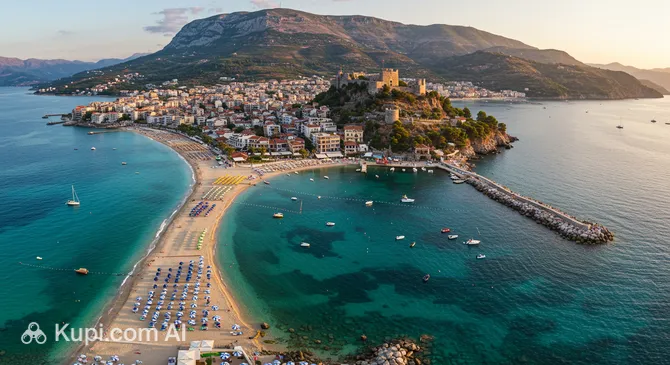
Saranda. Illustration.
Source: Kupi.com AI

Thanks to its mild Mediterranean climate and a large number of sunny days, the tourist season here lasts a long time. The city's population is about 41,000, but in summer this figure increases many times over due to travelers from all over Europe. Despite its popularity, there is a surprisingly relaxed atmosphere here, suitable for both lively parties and secluded relaxation.

The city harmoniously combines modern resort traditions with a rich past. The fascinating history of Saranda has left its mark in the form of ancient fortresses, archaeological monuments, and Orthodox churches, which create a unique local flavor.

Travelers are attracted not only by crystal-clear beaches and a picturesque promenade for evening strolls but also by the region's cultural heritage. This is a place where you can enjoy the sea during the day and in the evening explore antiquities or relax in cozy restaurants. If you are looking for a combination of nature, history, and hospitality, Saranda will be the perfect choice for your journey.
Weather Overview

The resort's climate can be characterized as mild Mediterranean, making the city attractive for visits, especially during the beach season. Summer here is sunny and hot: in the peak months of July and August, the average temperature stays around 24–25°C, and during the day the air often warms up to 28–29°C. This is the driest time of year when rainfall is minimal and rainy days are very rare.

Winter in the region is warm but quite humid. In January and February, the average temperature is about 7–8°C, and frosts are almost non-existent. However, be prepared for precipitation: the highest number of rainy days is recorded from November to January (up to 14–15 per month). Before your trip, we recommend checking the detailed weather in Saranda to pack your luggage correctly depending on the season.

Expect a hot and dry summer with temperatures reaching 29°C, and a mild but rainy winter, with average nighttime temperatures around 4°C.

Average monthly temperature

Average monthly precipitation

Interesting Facts

Saranda is known not only for its picturesque beaches but also for its rich past full of amazing discoveries. This city holds many fascinating secrets that will make your trip even more memorable.

  • In the vicinity of the resort lies the ancient city of Phoenicice, which impresses with the scale of its historical structures. The local acropolis is considered the largest in the region—its size is seven times larger than the area of the famous Athenian Acropolis.

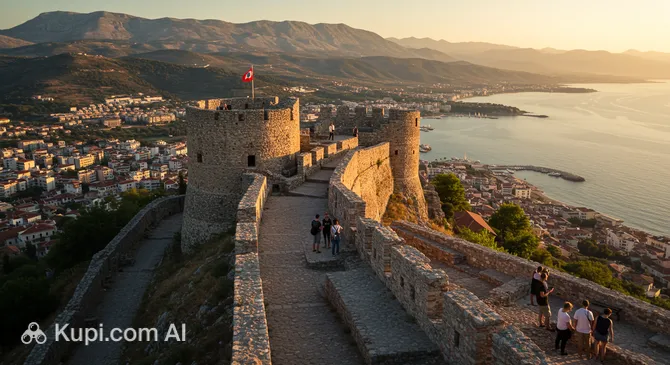
  • Rising above the city on a high hill is Lëkurësi Castle, built back in the 15th century. Legend has it that the fortress repeatedly saved residents from pirate raids, and today it is the best observation deck, offering breathtaking views of the sea and the surrounding area.

  • A true miracle of nature is the "Blue Eye" spring, where the water has an unreal turquoise color and crystal clarity. Interestingly, the water temperature here remains constant year-round at about +10°C, creating an incredible contrast with the summer heat.

  • Saranda is a city with deep multicultural roots. Ruins of ancient synagogues and early Christian basilicas have been found here, testifying to the rich and diverse history of the settlement over many centuries.

Lëkurësi Castle. Illustration.
Source: Kupi.com AI

Traveler photos:

How to Get There

When planning a trip to the south of Albania, it's worth thinking about logistics in advance as there are no direct flights to the city. You can find out more about how to get to Saranda by studying all available routes, but tourists most often choose a combined path through nearby major cities or even neighboring Greece.

One of the most popular and scenic ways to reach the resort is by flying through the Greek island of Corfu. Ioannis Kapodistrias Airport (CFU) is located in the city of Kerkyra, just 31.4 km from Saranda in a straight line. This is an international airport with a large passenger flow. Ferries run regularly from the port of Kerkyra, taking tourists to the Albanian shore; travel time by sea takes from 30 to 70 minutes depending on the type of vessel.

An alternative option is flying to the capital of Albania. Tirana International Airport (TIA) is located in Tirana, approximately 173.6 km from Saranda. This is the country's main aviation hub. From here, you will have to travel to the coast by bus or rented car. The journey takes about 4.5–5 hours but allows you to enjoy views of the Albanian mountains and passes.

You can also consider flying through mainland Greece, for example, to Ioannina National Airport (IOA), located in the city of Ioannina (about 72.6 km from Saranda). From there, you can reach the border by taxi or bus in about 2–2.5 hours.

For clarity, here is a summary of the main airports:

AirportPassenger trafficDistance
Ioannis Kapodistrias Airport4.1 mln31 km
Ioannina Airport134 01173 km
Aktion Airport773 587124 km
Aristoteles Airport4 301126 km
Ohrid Airport265 896158 km

Railway communication in this region is poorly developed, and there is no train station in Saranda itself. The nearest major hubs are in Italy, from where you can reach Albania by ferry. For example, Bari Centrale (BAU) station is located in the city of Bari (approximately 299.7 km in a straight line across the sea). This is a major transport hub. Travelers usually reach Bari by train and then transfer to a ferry to the port of Durrës or Igoumenitsa, continuing to Saranda by bus.

Another option is Brindisi Railway Station (BQD) in the city of Brindisi, located about 195.1 km from Saranda (across the Strait of Otranto). The travel scheme is similar: a train to Brindisi, then a ferry crossing.

Below is a table of the nearest significant railway stations (taking maritime connections into account):

StationPassenger trafficDistance
Durres Railway Station2 000167 km
Brindisi Railway Station2.5 mln195 km
Thessaloniki Railway Station263 km
Bari Centrale Station14 mln300 km

Main Attractions

Saranda offers its guests not only a relaxed beach holiday but also a chance to discover interesting locations within the city or in its immediate vicinity. Here you can touch history, enjoy magnificent panoramas, and feel the rhythm of local life.

The undisputed landmark of the city is the majestic Lëkurësi Castle. This fortress, built in the 16th century by Sultan Suleiman the Magnificent, rises on a hill above the city. Tourists climb up here not only for the historical walls but also for the breathtaking view: from here, the city, the endless Ionian Sea, and even the Greek island of Corfu are visible as if in the palm of your hand. It is especially beautiful here at sunset when the sun paints the landscape in golden tones.

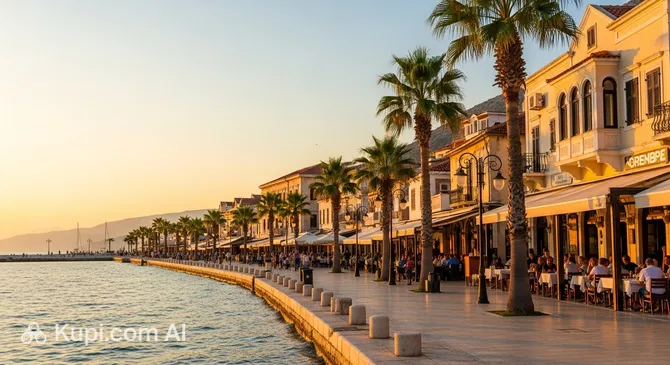
The heart of resort life is rightfully considered the Saranda Promenade. This is a picturesque waterfront lined with palm trees that stretches along the seashore. In the evenings, traffic is closed, and the street fills with people—locals and tourists taking the traditional evening stroll known as "xhiro." Many cafes, souvenir shops, and restaurants where you can try fresh seafood are concentrated here.

Saranda Promenade. Illustration.
Source: Kupi.com AI

Traveler photos:

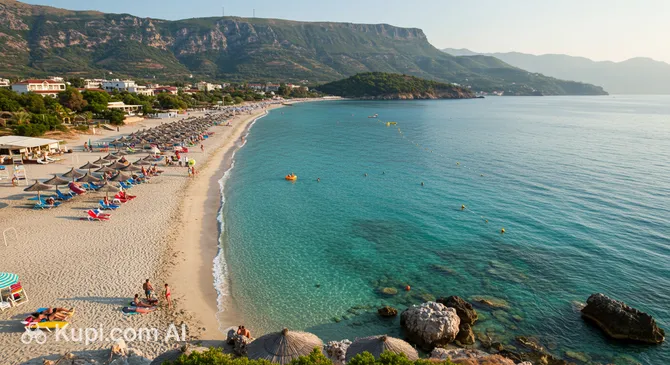
For those who don't want to go far from the center, Saranda Beach is an ideal place to relax. This is the city's main public beach, located right along the promenade. Despite its proximity to the port and the center, the water here is clean and transparent. This is a pebble beach with a gentle entry into the water, making it convenient for families with children and those who want to freshen up in the sea without leaving the city limits.

Saranda Beach. Illustration.
Source: Kupi.com AI

Traveler photos:

Local Cuisine

The culinary life of Saranda is a true celebration of taste, where Albanian, Greek, and Mediterranean traditions are harmoniously intertwined. The main stars of the local table remain the freshest gifts of the sea: mussels, shrimp, squid, and fish, which reach the kitchen directly from the morning catch. Be sure to try the grilled octopus or fish baked to a golden crust—these dishes are prepared here with special skill, preserving the true taste of the sea.

However, the region's gastronomy is not limited to seafood. Meat lovers should order tavë kosi—a tender lamb casserole under a yogurt topping that literally melts in your mouth. Another local specialty is fërgesë, a hearty stew of peppers, juicy tomatoes, and homemade cheese. For a snack, traditional pies with herbs and cheese are excellent, and for dessert, you'll be offered honey-soaked baklava, a reminder of the Ottoman influence on local cuisine.

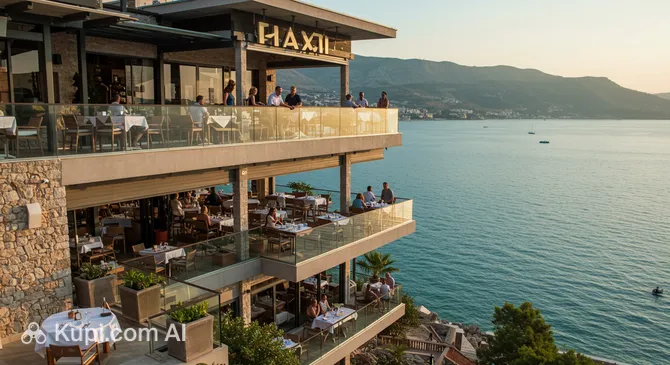
Haxhi. Illustration.
Source: Kupi.com AI

Traveler photos:

No meal in Saranda is complete without drinks. Locals are proud of their wine and, of course, rakia—a strong fruit distillate with which it is customary to welcome dear guests. You can try authentic dishes and drinks both in family taverns, where hosts cook according to ancient recipes, and in popular establishments in the city. For example, the Haxhi restaurant is famous for its hospitality and delicious food, while for morning coffee or a light snack, Lulu Café Saranda is an excellent choice.

The city's gastronomic culture is closely linked to outdoor markets where you can buy fresh olives, seasonal fruits, and homemade cheeses. In summer, Saranda often becomes a venue for culinary festivals dedicated to fish and seafood. Here, food is not just a way to satisfy hunger but an important part of the culture and joy of life that locals generously share with tourists.

Travel Tips

Saranda is an incredibly welcoming and safe city, but as with any trip, knowing the local nuances will make your holiday much more comfortable. We have prepared a list of practical recommendations to help you avoid minor inconveniences and get the most out of your trip to Albania.

  1. Clothing and accessories. It gets very hot here in the summer, so prefer light natural fabrics and be sure to wear a hat. Since many beaches in Saranda and the surrounding area are pebbly and the seabed can be rocky, we strongly recommend bringing special swimming shoes (aqua shoes). For evening walks, especially if you plan to climb to the fortress, you'll need comfortable flat shoes—the city is situated on hills.

  2. Transport. It is most convenient to move around the city center on foot. For trips to neighboring beaches (e.g., Ksamil), you can use buses, which run regularly but are often overcrowded. Taxis are a popular option, but meters are rarely used: always agree on the price of the trip before getting into the car. It's worth renting a car if you plan to explore the coast on your own, but be prepared for heavy traffic and a shortage of parking in season.

  3. Finances and payment. The local currency is the lek (ALL). Although euros are often accepted for payment, the exchange rate may be unfavorable, so it's better to exchange money. The most important rule: always have cash with you. Cards are accepted in large supermarkets and expensive restaurants, but in small cafes, bakeries, and souvenir shops, payment is often only possible in cash. Tips (about 10%) are welcome but remain at your discretion.

  4. Health and safety. Tap water in Saranda is not recommended for drinking—buy bottled water in stores. Pharmacies are marked with a green cross and the sign "Farmacia," and many pharmacists speak English or Italian. The city is safe for tourists even in the evening, but standard precautions (watching your bags in crowded places) won't hurt.

  5. Communication and language. The official language is Albanian, but thanks to tourism and geographical location, many locals understand English, Italian, and Greek well. For navigation and communication, it is most profitable to buy a local SIM card (e.g., Vodafone or One) immediately upon arrival—tourist tariffs include a lot of internet traffic and are inexpensive.

  6. Local etiquette. Albanians are famous for their hospitality. Greetings are often accompanied by a handshake. If a local treats you to coffee or rakia, refusal may be taken as a sign of disrespect—it's better to take a sip as a sign of gratitude. In the evening, it's customary to go out for a stroll ("xhiro")—this is an important part of social life, so don't be surprised by the large number of smartly dressed people on the promenade.

  7. What to avoid. You should not walk around the city, enter shops or restaurants in swimsuits or trunks, even if they are close to the beach. This is considered a sign of disrespect to the locals. Beachwear is appropriate only by the water.

  8. Planning tip. If you want to visit famous attractions like the "Blue Eye" spring or the beaches of Ksamil, try to arrive there as early as possible in the morning (before 9:00 AM). By noon, these places fill up with tourist groups, and it will be difficult to enjoy the natural beauty in silence.

Saranda will charm you with its simplicity, delicious food, and turquoise sea. By following these simple tips, you can feel confident in any situation and enjoy every moment of your sunny Albanian adventure!

Entertainment & Nightlife

When the sun dips below the horizon, Saranda transforms from a relaxed beach resort into an epicenter of vibrant nightlife. The main fun is concentrated along the famous promenade and its adjacent streets, where the evening stroll flows seamlessly into noisy parties. Here, music sounds from every corner, and the lights of bars and clubs are reflected in the dark waters of the Ionian Sea.

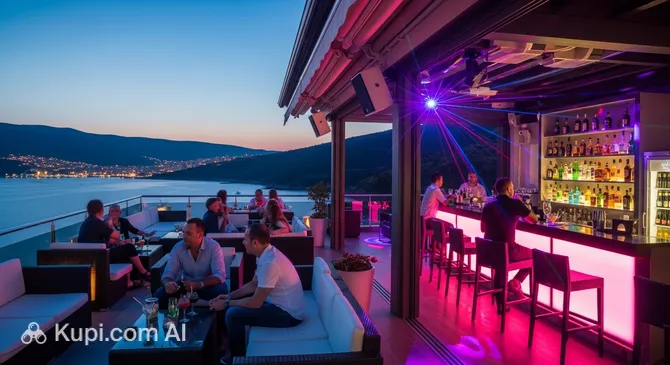
Fans of dancing and beautiful panoramas should check out Hojza Lounge Terrace. This establishment is famous for its stylish atmosphere and a terrace offering a spectacular view of the night city and the bay. DJs often play here, creating the perfect mood for a summer night, while bartenders prepare excellent cocktails.

Hojza Lounge Terrace. Illustration.
Source: Kupi.com AI

Traveler photos:

For those who prefer relaxing right by the water's edge, Naluū Beach Bar & Pizzeria is a great choice. During the day, this place operates as a beach club, and after dark, it transforms into a cozy lounge area where you can relax to the sound of the waves. Another interesting location for evening leisure is Green Life Market, combining the casual atmosphere of a bar with local character.

Practical tips: Nightlife in Saranda starts quite late. Bars fill up closer to 9:00 PM – 10:00 PM, and clubs after midnight. The dress code in most places is casual ("smart casual"), but for higher-end parties, it's better to swap beach shorts for light trousers or a dress. Prices for drinks and entry remain quite affordable compared to popular resorts in Western Europe.

In terms of safety, Saranda is a calm and friendly city. You can walk around tourist areas, especially in the center and on the promenade, without concern even late at night. If your hotel is further away, it's better to take a taxi. Cars are easily found at special stands near the promenade; it is recommended to agree on the price with the driver in advance before getting in.

While the city is famous for its parties, there is also cultural entertainment during the day. In between beach time, you can visit the Archaeological Museum or explore the ruins of an ancient 5th-century synagogue located right in the city center. However, it is after sunset that Saranda reveals its true energy, which is impossible to miss.

Parks & Museums

Saranda offers its guests not only a lazy beach holiday but also the opportunity to touch the rich natural and cultural heritage for which Albania is famous. Although the resort itself is quite densely built up, within its limits and immediate surroundings, you can find picturesque green zones and fascinating museum exhibits telling of the ancient past of these lands.

One of the main natural gems of the region is Butrint National Park, located just a few minutes' drive from the city. This is a unique archaeological reserve under UNESCO protection, where ruins of ancient civilizations are buried in the thick greenery of eucalyptus and laurel trees. A walk here feels like a journey through time among shaded alleys and ancient walls. Right in the city center is the cozy Friendship Park (Parku Miqësia). It is a small but well-kept green oasis with a fountain and benches, where it is pleasant to hide from the midday heat and observe the measured life of the locals.

For those interested in history, the Saranda Archaeological Museum is a must-see. Its collection features rare artifacts found during excavations of the ancient city of Onchesmus (Saranda's ancient name), including magnificent 3rd-century mosaics. The museum is located in the center, near the popular walking spot Saranda Promenade, and provides an excellent insight into the Greek and Roman periods of history. Also worth noting is the Museum of Traditions, where you can learn about the region's ethnography and see national costumes and household items.

Among the historical monuments, a special place is held by the ruins of the Monastery of 40 Saints, located on the hill opposite the famous Lëkurësi Castle. It was this monastery, built in the 6th century, that gave the city its modern name (Agioi Saranda translates from Greek as "Forty Saints"). Although only walls and a crypt remain of the majestic structure, the place has a powerful energy. In the city center, right in the middle of residential blocks, you can see the remains of an ancient synagogue from the 5th century, known for its complex floor mosaics depicting traditional symbols.

If you are looking for authentic experiences, we suggest climbing to the ruins of the Monastery of 40 Saints at sunset. Unlike popular observation decks, it is usually quiet and uncrowded here, and the view of the bay and Corfu island is simply fantastic, allowing for unique panoramic photos without the tourist crowds.

Getting Around

Saranda's transport system is quite simple and intuitive, which perfectly matches the relaxed atmosphere of this resort city. Since the city is compact, there are no subways, trams, or trolleybuses. Most of the center can easily be explored on foot while enjoying sea views, but for trips to remote beaches or attractions, you'll need wheels.

The main form of public transport is buses. For tourists, the most relevant route connects central Saranda with the popular resort village of Ksamil and the Butrint archaeological park. These buses run regularly; in high season, the interval is between 30 and 60 minutes. The departure stop is usually located in the city center, near the port or Mother Teresa Square (near the synagogue ruins). Note that there may not be a clear schedule at the stops, so it's better to gauge by the presence of people or ask local residents.

The fare payment system here is very conservative and based on cash. There are no validators, contactless cards, or mobile apps for paying for public transport in Saranda. Payment is made to a conductor (fatorino) who walks through the cabin after the journey begins. The fare is low and depends on the distance (usually from 100 to 200 lek). It is highly recommended to have small cash in the local currency, as the conductor might not have change for large bills.

A popular alternative to buses is taxis. Cars (usually yellow) can be found at special stands along the promenade and near the port, or simply hailed on the street. An important nuance: taximeters are rarely used. The price of the trip must be discussed and fixed with the driver strictly before getting into the car. There are no apps like Uber or Bolt in the city, but many hotels and restaurants can call a trusted taxi for you by phone.

For those who value freedom of movement, renting a car is a great option. Many rental agencies, both local and international, operate in the city. This will allow you to explore the surroundings at your own pace. However, keep in mind that in peak season (July-August), traffic in the center can be very heavy, and finding a free parking space can be a real challenge. Also, be prepared for the specifics of local driving, which may seem chaotic.

In recent years, renting scooters and bicycles has been gaining popularity. This is a convenient way to get around busy streets and avoid traffic jams. Rental points can be found in the tourist area. If you decide to explore the city on two wheels, remember that Saranda is located on hills, and some streets have a rather steep incline, so gauge your strength or choose motorized transport.

Accommodation

Saranda offers an impressive selection of accommodation to suit every taste and budget: from modest rooms to five-star complexes. In recent years, the city's tourist infrastructure has made a huge leap forward, and today there is no shortage of comfortable places to stay. Travelers can choose inexpensive hostels, cozy family guesthouses, or rent private apartments—this is perhaps the most common and economical type of accommodation in Albania.

When choosing a place to stay, it's important to consider the resort's geography. The city center and the port area are ideal for those who want to be in the heart of the action: nightlife, shops, and bus stops are concentrated here. However, be prepared for noise in the evenings. If your goal is a more peaceful beach holiday, look at the area along Rruga Butrinti (the road south towards Ksamil). Newer hotels are located here, the sea water is cleaner, and the atmosphere is more relaxed, while the center can be reached on foot in 15–20 minutes.

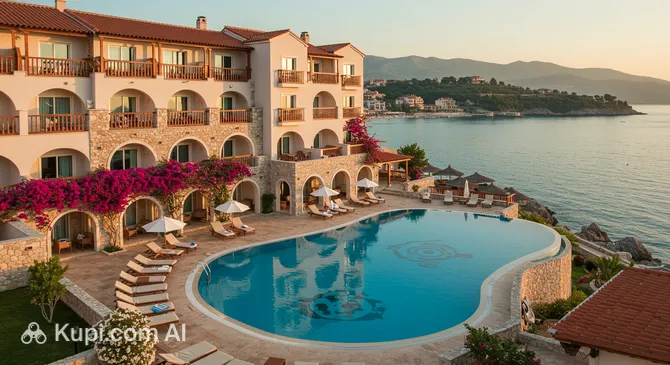
For those accustomed to high service levels and looking for an "all-inclusive" or similar format, there are several iconic properties in the city. An example of a quality stay is the Santa Quaranta Resort. This is one of the most famous complexes on the coast, often chosen for its direct sea access and private atmosphere.

Santa Quaranta Resort. Illustration.
Source: Kupi.com AI

Traveler photos:

Another popular option located right at the water's edge is Aloha Beach Resort & Hotel. Such hotels usually offer guests their own sun loungers, pools, and restaurants on-site, eliminating the need to find a spot on crowded public beaches.

Booking tip: Saranda is experiencing a real tourism boom, especially in July and August. We strongly recommend booking accommodation at least 2–3 months before your trip. During peak season, the best sea-view options are snapped up very quickly, and prices for remaining rooms can double.

The price range in the city is very democratic compared to neighboring Greece or Italy. Budget apartments can be found for 30–50 euros per night, mid-range hotels cost between 60–100 euros, and luxury room stays start from 150 euros and up. It's most convenient to book through major international online platforms, although many apartment owners also work through social networks and messengers, offering discounts for direct contact.

Nearby Cities

For those who want to explore the surroundings, Saranda serves as an excellent starting point for day trips to several interesting nearby places. The south of Albania is rich in historical and natural attractions that can be reached by car or bus, while enjoying the scenic views along the way.

One of the region's main gems is Berat, known as the "City of a Thousand Windows." This unique museum-city, listed as a UNESCO World Heritage site, is famous for its well-preserved Ottoman architecture. White houses cascading down the hill create a unique landscape, while the ancient fortress at the top offers spectacular panoramas of the valley.

Lovers of seascapes and history should visit Vlorë. This place is symbolically important for the country, as it was here that Albania's independence was proclaimed. Additionally, the city is located at the meeting point of two seas—the Adriatic and the Ionian—making its coast particularly beautiful. And if you find yourself near the city of Fier, don't miss the chance to visit the Apollonia Archaeological Park—the ruins of an ancient city where the young Octavian Augustus once studied.

CityPopulationDistance
Gjirokaster23 43725 km
Corfu24 83829 km
Tepelene4 34247 km
Permet5 94550 km
Corovode4 05172 km

These nearby destinations provide insight into the diverse culture and landscapes of the region.

Shopping & Souvenirs

Shopping in Saranda is not a hunt for global brands but an opportunity to find unique items with local flavor. There are no giant malls here, but the city streets are full of small shops and stalls where you can buy everything from fresh farm products to authentic craft items.

Albania is famous for its eco-friendly products, so gastronomic souvenirs are second to none here. Be sure to buy a bottle of olive oil to take home—it's high quality here and cheaper than in Italy. It's also worth looking out for mountain honey, aromatic spices, and mountain tea (çaj mali). Local alcohol also makes an excellent gift: traditional grape rakia or the famous "Skënderbeu" brandy.

For memorable trinkets, it's best to head to the Saranda Promenade. In the evening, dozens of kiosks open here selling magnets, ceramics, and woodwork. Look for ashtrays and souvenirs in the shape of bunkers—they are an ironic and recognizable symbol of the country. Fans of handmade work should look at wool carpets with national patterns and filigree silver jewelry.

An interesting fact for fashion lovers: many Italian factories manufacture their products in Albania. Therefore, in boutiques in the city center, you can often find high-quality leather shoes, bags, and clothes labeled "Made in Albania," sewn to Italian patterns but at very affordable prices.

Fresh fruits, vegetables, and homemade cheeses are best bought at the city market, where you can and should always haggle. Keep in mind that many small shops only accept cash (lek). Shops are usually open from 9 AM until late in the evening, especially at the height of the tourist season, when trade doesn't die down until the night.

Reached the end of the page?

That means the route is fully explored