Support

Villa Mercedes

About

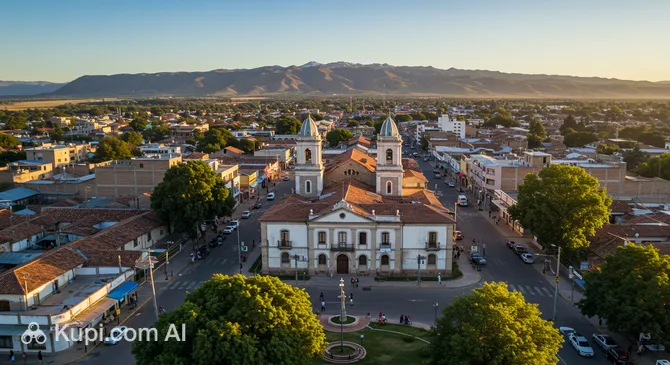
Villa Mercedes is the second most important city in the San Luis province, picturesquely spread along the banks of the Río Quinto. This place harmoniously combines the dynamics of modern development with a deep respect for cultural traditions, attracting travelers with its abundance of greenery and welcoming atmosphere.

Villa Mercedes. Illustration.
Source: Kupi.com AI

Geographically, the city is located in the central part of Argentina. Thanks to its favorable location, Villa Mercedes serves as an important transport and economic hub for the region. With a population of over 111,000 people, it offers tourists a developed urban environment while remaining cozy and comfortable enough for peaceful strolls.

The rich history of Villa Mercedes is closely intertwined with local folklore and music. The true calling card of the city is the legendary Calle Angosta, celebrated in the folk songs of the Cuyo region. This place is considered a symbol of the city's cultural identity, where festivals gathering guests from all over the country are regularly held.

Fans of active recreation and modern architecture should pay attention to "La Pedrera" Park. This is a grand multi-functional complex that includes sports arenas, an amphitheater, dancing fountains, and artificial lagoons. Villa Mercedes is a city that knows how to surprise, and it definitely deserves a spot on your travel itinerary through the San Luis province.

Weather Overview

The climate of Villa Mercedes is characterized by pronounced seasonality, offering travelers different conditions depending on the time of year. Summer, lasting from December to February, is hot here: the average temperature is about 24°C, but during the day the air often warms up to 30°C and higher. This is also the wettest period, especially January, when the number of rainy days can reach thirteen.

Winter months (June, July, and August) bring coolness and dry weather. Average thermometer readings drop to 10–11°C, and nights become cold with temperatures around 4–5°C. Precipitation during this time of year is minimal, and rains practically do not occur.

Expect warm summers with occasional rain and cold, dry winters. The transitional seasons, spring and autumn, please with mild warmth and comfortable conditions for walking. Before planning your trip, we recommend checking the current weather in Villa Mercedes to pack appropriately.

Average monthly temperature

Average monthly precipitation

Interesting Facts

Beyond its main attractions, Villa Mercedes holds many fascinating secrets that reveal the unique character of this place. Here are a few facts that will help you see the city from a new perspective:
  • The street with one sidewalk. The famous Calle Angosta, which became a symbol of the city, literally matches the lines from a folk song: "the street with only one veranda." Historically, residential houses and famous shops were located on only one side of the road, while the other side was occupied by railway tracks. This created a unique asymmetric layout that became a urban legend.

  • Music instead of flour. The "Molino Fénix" cultural complex is a striking example of the transformation of industrial heritage. The building, which served as a large flour mill for many years, has today turned into an arts center. It now houses the "House of Music" (Casa de la Música), which contains some of the most modern recording studios in Latin America.

  • The river's ancient name. Although the city's main waterway is marked as Río Quinto on maps, locals often call it "Popopis." This is the historical name given to the river by the indigenous peoples who inhabited the region before the arrival of the Spanish, and it is still used in the names of local festivals and cultural events.

  • The city of a hundred guitars. Villa Mercedes is often called the unofficial capital of guitar music in the Cuyo region. The love for this instrument is so great here that the guitar is an integral part of the city's identity, and local luthiers are famous for their craft far beyond the province.

How to Get There

When planning a trip to the San Luis province, it is important to think through the logistics in advance, as there is no active civilian airport in the city itself. However, thanks to the region's developed road network, travelers can easily get here from nearby major centers. We recommend checking all ways to get to the city to choose the most comfortable option for your itinerary.

The nearest airport is San Luis Airport (LUQ), located in the provincial capital, the city of San Luis. The distance to Villa Mercedes is about 95 km. This is a regional transport hub convenient for domestic flights. The journey by taxi or rental car via the highway takes approximately 1 hour and 15 minutes.

If you are flying from abroad or looking for more flight options, you should consider Ingeniero Aeronáutico Ambrosio L.V. Taravella International Airport (COR) in the city of Córdoba. This is a large aviation hub with high passenger traffic, receiving many international flights. The airport is located about 286 km from your destination. A transfer or a trip by long-distance bus (micro) will take from 3 to 4 hours, allowing you to enjoy the landscapes of central Argentina along the way.

For convenience, here is summary information on the main airports within reach:

AirportPassenger trafficDistance
San Luis Airport73 36295 km
Rio Cuarto45 000129 km
Valle Del Conlara12 600145 km
Ingeniero Aeronáutico Ambrosio L.V. Taravella International Airport2.9 mln286 km
San Rafael Airport48 000290 km

Since passenger rail service in this region is poorly developed and is not the main way for tourists to travel, long-distance buses (micros) and cars remain the primary ground transport. Villa Mercedes is located at the intersection of important national routes No. 7 and No. 8, making it easily accessible for road travelers from Buenos Aires, Mendoza, and other major cities. The city's bus station receives trips from all over Argentina, providing a reliable connection to the outside world.

Main Attractions

Villa Mercedes offers tourists a fascinating itinerary where historical heritage coexists with futuristic projects. The city takes pride in its traditions while actively developing modern spaces for relaxation and entertainment. Here are several iconic places that should definitely be included in your visit program.

La Pedrera Park. This massive complex is a true source of pride for the province and one of the most modern parks in Argentina. The vast territory houses an international-class football stadium, an amphitheater, and a racing circuit. Tourists are attracted here not only by the sports facilities but also by the picturesque artificial lagoons with "dancing" fountains, a botanical garden, and walking areas. It is an ideal place to spend a whole day with the family, enjoying modern architecture and nature.

Molino Fénix Cultural Complex (Complejo Molino Fénix). An old mill transformed into a cultural center, it is the heart of the city's creative life. While preserving its historical red-brick facade, the building's interior has been fully modernized. Today, it houses cinemas, exhibition halls, restaurants, and art spaces. This atmospheric spot is perfect for an evening promenade, dinner, and getting to know local art in a historical setting.

Calle Angosta. More than just a street, this is an open-air cultural monument and a symbol of local folklore. A walk here allows you to immerse yourself in the atmosphere of the late 19th century, when life buzzed around the railway station. Travelers come here to see the famous "Tunnel" (Túnel de los Arrieros), visit traditional souvenir shops, and dine at restaurants serving regional cuisine steeped in the spirit of history.

Río Quinto Riverfront. For those seeking tranquility and a connection with nature, the riverbanks offer excellent opportunities for relaxation. Developed zones, known as "balnearios," are popular among residents and visitors, especially on warm days. Here, you can have a picnic in the shade of the trees, play sports, or simply walk along the water, enjoying the fresh air away from the city bustle.

Local Cuisine

The gastronomy of Villa Mercedes is a reflection of the generous soul of the province, where the cult of meat is elevated to an absolute. The basis of any serious feast here is asado, but the region has its own unique culinary pride. The main dish every tourist must try is chivito (young goat), the tenderest meat. It is traditionally cooked "a la estaca" (on a cross-shaped spit) or on a grill over a slow fire, giving the meat a unique smoky aroma that melts in your mouth.

Local empanadas are no less popular in Argentina. In Villa Mercedes, these savory pastries are notably juicy: the filling of minced beef often includes potatoes, eggs, green onions, and local spices, and they are usually fried in hot fat until they reach a golden, crispy crust. On cooler days, an excellent choice is locro—a thick and hearty stew of corn, beans, pumpkin, and various types of meat, which perfectly warms and satisfies after long walks.

Among drinks, red wine is the undisputed leader, especially the famous Malbec variety, which perfectly complements meat dishes. However, in informal settings, the king of the table is fernet with cola—a bitter herbal liqueur mixed with soda and plenty of ice. This is a true people's cocktail, an essential part of any party. In the non-alcoholic segment, mate reigns supreme: this toning herbal tea is drunk everywhere, and the offer to share a mate gourd is considered a sign of high trust and hospitality.

The food culture in the city revolves around leisurely socializing with family and friends. Locals prefer to dine late, filling the numerous "parrillas" (steakhouses) and family restaurants. The Calle Angosta area can be called the epicenter of gastronomic tourism. Here you will find colorful establishments where you can not only taste authentic regional dishes but also immerse yourself in the atmosphere of folklore to the sound of a guitar, combining dinner with a cultural experience.

Travel Tips

Preparing for a trip to Villa Mercedes requires attention to local specifics so you can enjoy the culture of the Cuyo region without any worries. We have compiled a list of practical recommendations to help you feel confident and comfortable in this welcoming Argentine city.

  1. Clothing and Essentials. The weather here is changeable, so the principle of layering clothing is your best friend. In summer (December–February), a hat, sunglasses, and light natural fabrics are mandatory, as the sun is very active. In winter (June–August), nights can be cold, so a warm jacket and sweater are necessary. Don't forget to bring a Type I power adapter (with three flat pins at an angle), which is used in Argentina, and comfortable shoes for walking around La Pedrera Park.

  2. Transport. Public transport is represented by buses (colectivos), which require a SUBE card for payment (can be bought at kiosks). However, the most convenient way for tourists to get around is by remises—a type of taxi ordered by phone or through an app, where the price is often fixed or known in advance. Renting a car is worthwhile if you plan to travel outside the city to explore the San Luis province.

  3. Finance. The official currency is the Argentine peso. Although large supermarkets and hotels accept cards, small shops, kiosks, and taxis often require cash only. We recommend always having a supply of small bills. It is better to exchange currency (dollars or euros) at official exchange offices or banks; avoid street money changers. Tips in restaurants are usually about 10% of the bill and are left in cash.

  4. Health and Safety. Villa Mercedes is a quiet city, but standard precautions won't hurt: don't leave things unattended and avoid unlit outskirts at night. Pharmacies (Farmacia) are marked with a green cross; if you need medicine late in the evening or on a weekend, look for a pharmacy with a de turno (on duty) sign. It is better to arrange medical insurance in advance.

  5. Communication. The primary language is Spanish. English is not understood everywhere, so download an offline translator and learn a couple of phrases: "Hola" (Hello) and "Gracias" (Thank you). For connection, it is most convenient to buy a local SIM card (e.g., Claro, Movistar, or Personal)—a passport is required for activation. The main messenger for communicating with local businesses and even booking a table in a restaurant is WhatsApp.

  6. Local Etiquette. Argentines are very tactile and friendly. When meeting, even casual acquaintances often kiss each other on the cheek (this applies to men too). Dinner here starts late: restaurants only fill with people after 9:00 PM or 10:00 PM. Coming for dinner at 6:00 PM means you will likely find the kitchen closed.

  7. What to Avoid. Don't flatly refuse if you are offered to try mate in a group—this may be seen as a lack of respect for hospitality. Also, try not to bring up politics or compare the city with Buenos Aires in a negative way—locals are very proud of their identity and regional culture.

  8. Consider the Siesta Time. This is an important feature of the rhythm of life in the city. Many shops, banks, and institutions close for a break from approximately 1:00 PM to 5:00 PM. Plan shopping and important tasks for the morning or evening, and the hot afternoon hours are better spent resting or walking in a shady park.

By following these simple tips, you will be able to adapt quickly to the local pace of life and avoid typical tourist inconveniences. Villa Mercedes reveals itself to those who respect its traditions and are ready for leisurely, soulful communication!

Entertainment & Nightlife

The nightlife in Villa Mercedes is a vibrant reflection of the soul of the Cuyo region, where folk traditions harmoniously intertwine with modern rhythms. The city does not go to sleep early: it is customary to have dinner closer to midnight, and the fun in bars and clubs often continues until dawn. Most of the action is concentrated in several key zones, each offering its own unique atmosphere.

The heart of traditional entertainment is the legendary Calle Angosta. In the evening, this area turns into a magnet for lovers of live music and authentic cuisine. Here you will find the famous "peñas"—folkloric restaurants where dinner is accompanied by guitar songs and folk dances. One of the most iconic spots is Boliche Don Miranda. This establishment is considered a historical guardian of the city's musical traditions; people come here not just to eat, but to immerse themselves in the cultural environment. The crowd here is very diverse, from families to young people, and the dress code is casual and relaxed.

For those looking for a more modern format, the area around the Molino Fénix cultural complex is the place to be. Trendy bars, craft beer pubs, and discos are located within and around this former mill. This is the epicenter of the youth scene: DJs play here, and rock concerts and themed parties are held. The atmosphere here is more dynamic and loud, and on warm weekends, the fun often spills out onto the open terraces.

Fans of quiet evenings and bar culture should take a walk through the city center, especially around San Martín Square and Mitre Avenue. Here you can find cozy establishments serving excellent cocktails and local wines. Prices in Villa Mercedes remain very affordable compared to large metropolises. Entry to most bars is free, although nightclubs may charge a cover fee, especially after two in the morning.

In terms of safety, Villa Mercedes is a fairly quiet city, but at night it is recommended to stick to well-lit and busy tourist areas like Calle Angosta and the Molino Fénix complex. For moving between districts or returning to your hotel, it is highly recommended to use remises (booked taxis) or call a car through apps; hailing a random car on the street at night is not common and is less safe.

During the day, the city offers more leisurely activities that perfectly complement the nightly adventures. Theatrical life thrives in the halls of the Molino Fénix complex, where plays are regularly staged and new movies are shown. Families with children and fresh air enthusiasts should visit La Pedrera park: in daylight, you can appreciate the scale of the sports arenas, walk through the botanical garden, or relax by the artificial lagoons. Small city museums dedicated to the history of the railway and aviation are also of interest, helping you better understand the past of this important transport hub.

Parks & Museums

Villa Mercedes offers travelers a harmonious combination of well-kept green spaces and places that preserve the memory of the past. The city is proud of how it transforms historical industrial sites into modern cultural centers, while the natural areas along the river create ideal conditions for outdoor recreation in the heart of the province.

La Pedrera Park (Parque La Pedrera). Although this complex is known for its sports facilities, its park zone deserves special attention from nature lovers. It features an extensive botanical garden where you can get acquainted with the region's flora. A system of artificial lagoons and canals creates a pleasant microclimate even on hot days. This is a great place for morning jogs or leisurely walks along well-maintained paths surrounded by modern landscape architecture.

Río Quinto Riverfront (Costanera del Río Quinto). This natural area, often called "Espejo de Agua" (Mirror of Water), is a favorite recreation spot for locals. A spacious linear park stretches along the bank and is perfect for picnics in the shade of the trees. A peaceful atmosphere reigns here: tourists can watch birds, ride bicycles, or simply enjoy the sunset reflecting in the waters of the river that gave life to this region.

San Martín Square (Plaza San Martín). A classic example of a central square in Argentina, located in the historical heart of the city. It is a green oasis among the urban buildings, decorated with old trees, fountains, and monuments. The square is surrounded by important architectural buildings and serves as a wonderful starting point for exploring the city, offering benches for resting after sightseeing.

Railway Museum (Museo Ferroviario). Given that Villa Mercedes developed as a major railway hub, this museum is of particular importance for understanding the city's history. The exhibition includes antique tools, documents, photographs, and equipment elements telling the story of the golden age of railways. A visit to the museum allows you to immerse yourself in the atmosphere of the times when trains were the main artery of the region's economy and communication.

Molino Fénix Exhibition Halls. Inside the famous cultural complex, art exhibitions, photo biennials, and contemporary art displays are regularly held. The space itself is an art object: the industrial interiors of the former mill create a unique backdrop for artworks. This is a place where industrial history meets a creative present, offering guests more than just viewing exhibits, but a full cultural experience.

For those who want to see "living history," we suggest paying attention to the architecture of the Barrio Estación district. Although it is not a museum in the classic sense, a walk here replaces a guided tour: the ancient facades of houses preserved from the early 20th century and the atmosphere around the station allow you to feel the spirit of old Villa Mercedes that cannot be found in guidebooks.

Getting Around

The public transport system in Villa Mercedes is quite compact and easy to use. There are no subways, trams, or trolleybuses. The primary way for locals and tourists to get around is the city buses, which are called "colectivos" here. The route network covers the city center, connecting it with the main residential areas, the bus station, and the popular La Pedrera Park.

A unified SUBE system—a contactless card used almost throughout Argentina—is used for fare payment. It is impossible to pay the fare in cash to the driver. Tourists need to purchase a card in advance at kiosks (Kioscos) or lottery points marked with the blue SUBE logo and top up the balance there. Validation occurs when entering through the front door: simply tap the card against the reader.

An important feature of local transport is the availability of two types of cars for individual trips: classic taxis and remises. Taxis can be found at special ranks or hailed on the street; they operate by a meter. Remises, on the other hand, look like ordinary cars without "taxi" markings and can only be ordered through a dispatch service by phone or WhatsApp. The cost of a trip in a remise is often fixed or known in advance, making this option more predictable and safer for tourists.

Global ride-hailing apps are not yet widely used in the city and may work unstable, so it is more reliable to have the numbers of local remise agencies on hand. Also, Villa Mercedes is located on flat terrain, which makes it convenient for walking and using bicycles. In the La Pedrera Park area and on the riverfront, comfortable zones for cycling are equipped.

When planning your movements, keep in mind that public transport runs at intervals of 20 to 40 minutes, and on weekends and holidays, waiting times may increase. Buses operate approximately from 6:00 AM until midnight. If you need to get somewhere late at night, ordering a remise is the only reliable option.

Accommodation

Villa Mercedes offers travelers a decent selection of accommodation that matches its status as the second-largest city in the province. You won't find a huge number of luxury five-star resorts typical of international tourist centers here, but you can count on quality service and comfort. The core of the hotel stock consists of mid-range city hotels (3–4 stars), cozy apart-hotels, and budget guest houses catering to both business travelers and those touring the Cuyo region by car.

When choosing an area to stay, you should be guided by the purpose of your visit. The city center (Centro), especially around San Martín Square, is the best choice for those who want walking access to shops, restaurants, and banks. Life here is bustling, and all main services are close at hand. If your trip is timed for sporting events or concerts, it makes sense to consider accommodation options closer to La Pedrera Park or in the La Ribera district. For those seeking an authentic atmosphere and proximity to folklore evenings, small hotels near the famous Calle Angosta are ideal.

In recent years, the format of renting apartments and "cabañas"—small houses often located on the outskirts or in greener areas—has been gaining popularity in the city. This is an excellent option for families or groups of friends who prefer more space and the ability to cook for themselves. Prices for accommodation in Villa Mercedes generally remain affordable and more accessible than in the large tourist hubs of Argentina. The range varies from budget options to the mid-price segment, while the price-quality ratio usually pleases guests.

Regarding booking, standard rules apply but with a local flavor. Most large hotels are listed on international online platforms; however, small family hotels and apartments often offer better terms when booking directly via WhatsApp or by phone. Important tip: if your trip coincides with the dates of the National Calle Angosta Festival (usually in December or January), you must book accommodation several months in advance as the city fills to capacity.

Nearby Cities

For those who want to explore the surroundings, Villa Mercedes serves as an excellent starting point for day trips to several interesting nearby locations. Its convenient location at the intersection of national highways makes it easy to reach neighboring cultural and administrative centers.

First and foremost, it is worth paying attention to the provincial capital—San Luis. This is a city with a rich history and beautiful colonial architecture, located at the foot of the Sierras Grandes mountains. A trip here takes just over an hour, and you can enjoy the mountain views, visit Pringles Square, and stroll through the pedestrian streets of the center.

Another attractive destination is Río Cuarto, located in the neighboring Córdoba province. This lively university city, known as the "Empire of the South," offers excellent opportunities for shopping, gastronomic tourism, and walks along the picturesque riverfront. It is an ideal option for those who want a change of pace and to dive into the rhythm of a larger city.

Below is information about the nearest cities that can be visited:

CityPopulationDistance
Justo Daract12 13533 km
San Luis169 94792 km
Rio Cuarto158 298120 km
Huinca Renancó9 426163 km
General Deheza18 000186 km

These nearby destinations provide an idea of the diverse culture and landscapes of the region, complementing the experience of visiting Villa Mercedes with new discoveries.

Shopping & Souvenirs

Shopping in Villa Mercedes is a calm and authentic activity that differs greatly from the hustle and bustle of large commercial metropolises. Here you won't find massive malls with luxury brands, but you can immerse yourself in the atmosphere of traditional commerce. The city is famous for its small family-owned shops, regional goods stores, and friendly service. It is a great place to purchase high-quality leather goods and mementos related to the rich folklore heritage of the Cuyo region.

The center of the city's commercial life is the so-called Microcentro. The main artery for shoppers is Calle Pedernera, the primary shopping street. Strolling here, tourists will find many shops for clothing, footwear, sporting goods, and perfumes. This area is lively in the morning and evening hours, offering not only shopping but also the chance to rest in cozy cafes. Also worth noting is Avenida Mitre, where larger appliance stores and various boutiques are concentrated.

There are practically no large shopping and entertainment complexes in the conventional sense in Villa Mercedes. Trade here is organized in the format of "galerías"—small indoor passages with a collection of private shops. This gives shopping a special charm: instead of retail giants, you are supporting local businesses.

For those looking for unique handmade goods, craft fairs are of interest. On weekends and holidays, Artisan Fairs (Ferias de Artesanos) often take place in the city's main squares, such as San Martín Square or the territory of La Pedrera Park. Here you can buy jewelry, knitwear, ceramics, and homemade preserves directly from the creators.

When choosing souvenirs, be sure to look for items reflecting the gaucho spirit. High-quality leather products (belts, wallets, bags), which are famous for their durability in Argentina, are worth bringing back from Villa Mercedes. A mate set (gourd and bombilla) or a pack of local yerba makes an excellent gift. In the souvenir shops of the Calle Angosta district, you can find traditional ponchos and items of folk art. For those with a sweet tooth, we recommend buying locally produced alfajores or homemade quince and fig jams.

When planning your shopping trip, it is critical to remember the siesta. This is sacred time for locals: most shops (except for large supermarkets) close around 1:00 PM and reopen only after 5:00 PM. Trade continues until late in the evening, usually until 9:00 PM or 9:30 PM. On Saturday afternoons, many shops may be closed, and Sunday is a day off almost everywhere.

Regarding payment, major stores and supermarkets accept credit and debit cards (Visa, Mastercard) without issues. However, in small kiosks, souvenir shops, and at markets, paying in cash pesos is preferred. Moreover, many sellers may offer a small discount when paying in cash (efectivo).

The Tax Free (Global Blue) refund system operates in the country for foreign tourists when purchasing national-made goods in shops marked with a special logo. However, in Villa Mercedes, the number of such shops is limited compared to Buenos Aires, so if you plan major purchases with the aim of a VAT refund, it is recommended to check the availability of this option with the seller in advance.
Reached the end of the page?

That means the route is fully explored