Support

National Film and Sound Archive of Australia (NFSA)

About

Imagine a place where the sounds of the past and scenes from vintage films come to life. The National Film and Sound Archive of Australia (NFSA) is not just a museum, but the primary custodian of the audiovisual memory that Australia is so proud of. Located in an elegant 1930s Art Deco building, this center is a must-visit for everyone visiting the city of Canberra.
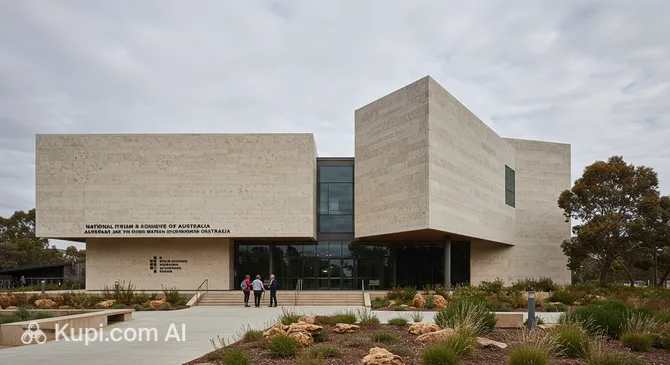
National Film and Sound Archive of Australia
National Film and Sound Archive of Australia. Иллюстрация. Источник: Kupi.com AI

The archive's collection houses millions of items: from the first recordings of the late 19th century to modern video games and digital media. Here you can find rare films, television programs, radio broadcasts, and even oral histories that recreate the face of the country at different stages of its development.

This vibrant public space invites guests not only to look at exhibits but also to immerse themselves in cultural treasures through modern multimedia installations. The archive is considered a leading global center for media heritage preservation, making it a significant world-class site.

Contacts

To find more information about current exhibitions or to book tickets for special screenings, you can use the official contact channels.

How to contactContact
AddressMcCoy Cct, Acton ACT 2601, Australia
Phone+61 2 6248 2000
Websitewww.nfsa.gov.au

What to Do

Visitors can look forward to a fascinating journey into the world of media through thematic exhibitions. You can see original costumes from legendary Australian films, props, and vintage equipment used at the dawn of sound recording and cinematography. This is a unique opportunity to trace how technologies and storytelling methods have changed.

Special attention should be paid to the Cinesound Movietone Australian Newsreel collection. This archive contains about 4,000 newsreels capturing key moments in the country's history, sporting achievements, and entertainment shows from past decades. Watching these clips allows you to literally feel the spirit of bygone eras.

In addition to visual exhibits, the archive offers the chance to listen to rare musical recordings and radio broadcasts. Interactive zones allow visitors to independently explore digital holdings, discovering forgotten voices and images that have shaped the modern culture of the continent.

Getting There

Finding this legendary building in the Acton district is easy, as it is a key part of the cultural landscape that Canberra is proud of. The facility is located at McCoy Cct, Acton ACT 2601, within walking distance of the Civic central district.

If you prefer public transport, buses run regularly to this part of the city. For those who value comfort, a taxi ride from the center will take only a few minutes. Travelers exploring countries like Australia by car will be able to find parking spaces around Acton, although they can be quite in demand on weekdays.

Walking is a great option for those who want to combine a visit to the archive with a stroll along the picturesque shores of Lake Burley Griffin, located nearby.

Ближайший город: Canberra

History & Facts

The history of this unique institution began in 1935, when the National Historical Film and Speaking Record Library was established within the Commonwealth National Library. This was the first step toward the systematic preservation of the nation's media heritage.

For a long time, the collection remained under the library's wing, but in 1984, the government decided to create an independent organization. It was then that Canberra became the home of the autonomous archive, and the official opening of its headquarters was conducted by Prime Minister Bob Hawke.

The building that houses the archive today is a historical landmark in its own right. Built in the Art Deco style in the 1930s, it was originally intended for the Institute of Anatomy. Its elegant facades and interior spaces create the perfect atmosphere for preserving artifacts of the past.

Over decades of work, the organization has evolved into one of the most technologically advanced archives in Australia, carefully digitizing old films and recordings for future generations.

Time Needed

To explore the main exhibitions at a leisurely pace and immerse yourself in the atmosphere of the past, most visitors need 2 to 3 hours. This is enough time to study the interactive displays and discover unique artifacts from the film industry.

If you plan to attend a special film screening, a lecture, or participate in one of the educational events, it is worth setting aside half a day for your visit. The event schedule is often very busy, so we recommend checking the program on the official website in advance.

Working Hours

When planning your visit to this cultural space in the city of Canberra, please note the opening hours. The main access time for visitors is from 10:00 AM to 4:00 PM on most days of the week.

A special schedule applies on Fridays, when the archive doors are open until 8:00 PM, providing an excellent opportunity for evening cultural leisure. The full schedule is as follows:

  • Monday – Thursday: 10:00 AM – 4:00 PM
  • Friday: 10:00 AM – 8:00 PM
  • Saturday – Sunday: 10:00 AM – 4:00 PM

DayWorking hours
Понедельник10:00 – 16:00
Вторник10:00 – 16:00
Среда10:00 – 16:00
Четверг10:00 – 16:00
Пятница10:00 – 20:00
Суббота10:00 – 16:00
Воскресенье10:00 – 16:00

Nearby

The archive's location in the Acton district allows tourists to easily combine their visit with other interesting sites. A walk through the surrounding area will help you get to know the capital better and enjoy its unique layout.

Below are sites located within a few kilometers that can complement your itinerary:

NameDistance
Canberra Museum and Gallery0.9 km
Civic Square0.9 km
Akiba1.1 km
National Museum of Australia1.1 km
Hippo Co1.1 km
Canberra Centre1.1 km
National Capital Exhibition1.2 km

Reached the end of the page?

That means the route is fully explored