Support

Groeningemuseum

About

The Groeninge Museum (Groeningemuseum) is a jewel in the crown of cultural treasures of Bruges, a charming city in Belgium. Located about half a kilometer south of the famous Grote Markt (Main Market Square) at Dijver 12, this municipal art museum takes its name from the Groeninge district. The name, which translates from Dutch as "greenery," serves as a reminder that this part of the city has been known for its abundance of trees and green spaces since the 13th century, creating a peaceful atmosphere around this sanctuary of art.
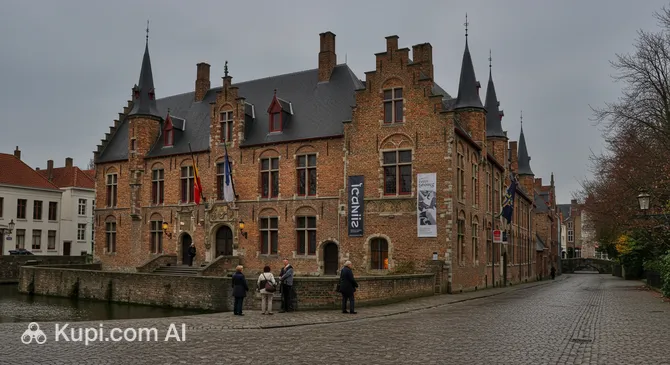
Groeningemuseum. Illustration.
Source: Kupi.com AI

Traveler photos:

The primary pride of the Groeninge Museum is its outstanding collection of early Netherlandish painting. This is where art connoisseurs can see firsthand the masterpieces of the so-called Flemish Primitives—masters whose works laid the foundations of the European painting tradition. Visitors can expect an exciting journey through the centuries, introducing them to the development of Flemish art and its most iconic figures.

The museum building, constructed in 1929–1930, has an interesting history of its own. It was built on land that formerly belonged to an abbey. The main purpose of its creation was to centralize the city's painting collection and provide appropriate conditions for the storage and display of world-class works of art. Today, the Groeninge Museum continues to fulfill this important mission, inviting guests from all over the world to discover its vast artistic heritage.

Contacts

To get the most up-to-date information on opening hours, ticket prices, and upcoming exhibitions at the Groeninge Museum, it is recommended to visit the museum's official website. There, you will find all the necessary details for planning your visit.

How to contactContact
AddressDijver 12, 8000 Brugge, Belgium
Phone number+32 50 44 87 43
Websitewww.museabrugge.be

What to Do

At the Groeninge Museum, visitors immerse themselves in the world of Flemish art, beginning with its crown jewel—the world-renowned collection of Flemish Primitives. Here, you can see masterpieces such as the poignant portrait of Margareta van Eyck by Jan van Eyck, the monumental "Death of the Virgin" by Hugo van der Goes, as well as the impressive diptychs "The Judgment of Cambyses" by Gerard David and "The Last Judgment" by Jan Provost. These works are key to understanding the development of European painting and leave a lasting impression on every visitor.

The journey through the museum's galleries continues with other important periods of Flemish painting. Visitors can appreciate the works of 19th-century Bruges painters whose art developed under the influence of Neoclassicism. Special mention should be made of the collection of works by Flemish Expressionists, acquired by the museum in 1985, as well as post-war works. Thus, a visit to the Groeninge Museum allows you to trace the entire evolution of Flemish art, from medieval masters to more modern movements, making it a valuable and enlightening experience for any lover of fine art.

Getting There

The Groeninge Museum is conveniently located in the heart of historical Bruges, making it easily accessible for visitors. It is situated at Dijver 12, approximately 500 meters south of the central Grote Markt square. This location makes it easy to include a visit to the museum in your walk through this charming city in Belgium.

Thanks to the compactness of the historical center of Bruges—which, by the way, is a UNESCO World Heritage site—the most pleasant and convenient way to reach the Groeninge Museum is on foot. A walk from the Grote Markt will take you only 5–10 minutes. You can enjoy the city's picturesque streets before diving into the world of Flemish art.

If you are arriving in Bruges by train, you can also walk from the main railway station to the city center (about 20 minutes) or take one of the many city buses heading toward the center. From the stop nearest the museum, it’s just a short and pleasant stroll. Of course, a taxi is always an option, and it can quickly take you right to the entrance of the Groeninge Museum from anywhere in the city or from the station.

Nearest city: Bruges

History & Facts

The history of the Groeninge Museum collection dates back to the beginning of the 18th century. In 1716, a group of art enthusiasts and artists, including Jos van de Kerckhove, Jan Herregouts, Marc Duvenede, and Jos Arschoot, founded an independent Academy called the "Free Brotherhood of Drawing and Painting." Their main goal was to free artists from the strict constraints of the Corporation of Painters and Saddlers, membership in which was a mandatory requirement for working in Bruges at that time. This initiative laid the foundation for the future grand collection.

One of the first significant additions to the Academy's collection was the portrait of Margareta van Eyck by Jan van Eyck. This valuable work was donated by Pieter van Lede, an elder of that very Corporation of Painters and Saddlers, who had protected it for many years from French claims. Later, in 1828, the collection was enriched with masterpieces previously kept in the city hall. These included such iconic canvases as Hugo van der Goes' "Death of the Virgin," Gerard David's two paintings "The Judgment of Cambyses," and Jan Provost's "The Last Judgment," which are now the pride of the museum.

For a long time, until the end of the 19th century, the art collection remained under the auspices of the Bruges Academy of Fine Arts. However, as the collection grew, the need for a specialized space arose. This need was met in 1929, when the modern building of the Groeninge Museum, designed by architect Joseph Viérin, was constructed. Today, it still welcomes art lovers from all over the world.

Time Needed

When planning a visit to the Groeninge Museum, you should allow for 2–3 hours to fully experience its main exhibition. This time is usually enough to leisurely view the key masterpieces of the Flemish Primitives, works by Renaissance and Baroque artists, as well as explore the collections from later periods, including Flemish Expressionism.

Of course, the duration of your visit may vary depending on your interest in art and how deep you wish to dive. If you are a great art lover and plan to study each painting in detail, read all the accompanying texts, or listen to the audio guide, your stay at the museum might extend to half a day. You should also take into account any temporary exhibitions, which may require additional time.

For a comfortable visit without rushing and with a chance to soak in the atmosphere, it is recommended to set aside at least two hours. This will give you a fairly comprehensive overview of the rich collection of Bruges and its artistic heritage, carefully preserved within the walls of the Groeninge Museum.

Working Hours

To accurately plan your visit to the Groeninge Museum, it is highly recommended to check the current opening hours on the official museum website or inquire at the Bruges tourist information center. Generally, museums of this level are open year-round but may have closing days (often Mondays) or modified schedules during holiday periods. Standard opening hours typically range from 9:30 or 10:00 AM to 5:00 or 6:00 PM, but these are only general guidelines.

As for ticket booking, for popular museums like the Groeninge Museum, purchasing tickets online in advance is often a good idea, especially during the peak tourist season. This will help you avoid queues and guarantee your entry. Check the official website to see if this option is available and recommended. Occasionally, visiting temporary exhibitions or special events may also require separate booking or registration.

DayOpening hours
Monday9:30 – 17:00
Tuesday9:30 – 17:00
WednesdayClosed
Thursday9:30 – 17:00
Friday9:30 – 17:00
Saturday9:30 – 17:00
Sunday9:30 – 17:00

Nearby

A visit to the Groeninge Museum is undoubtedly a highlight for any guest in Bruges. However, this amazing city offers much more, and exploring its immediate surroundings can significantly enrich your experience. The historical center of Bruges is so compact and packed with sights that exploring what is near the museum will be a natural and exciting continuation of your cultural program.

Stepping outside the Groeninge Museum, you will find yourself in the heart of a medieval fairy tale. A stroll through the nearby streets and canals will allow you to dive deeper into the city's unique atmosphere, discover new architectural gems, picturesque squares, and perhaps other interesting museums and sites that will complement your knowledge of Flemish art and the rich history of Bruges. Below is a list of some notable places located in the immediate vicinity.

NameDistance
Gruuthuse Museum0.1 km
St. John's Hospital0.2 km
Belfry of Bruges0.3 km
Bruges City Hall0.3 km
Au Gusto Wine & Dine0.3 km
Market Square0.4 km
The Burg Square0.4 km

Have you reached the end of the page?

So the route has been studied inside and out