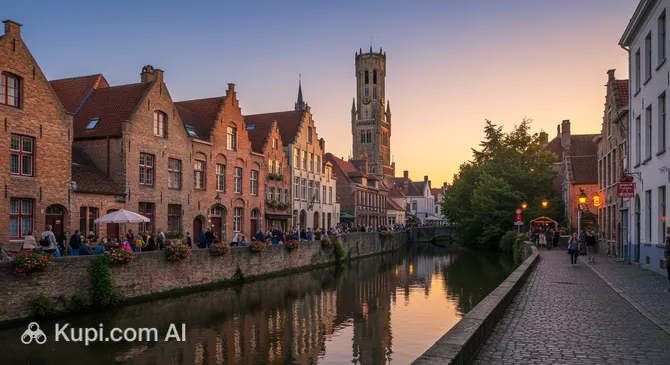
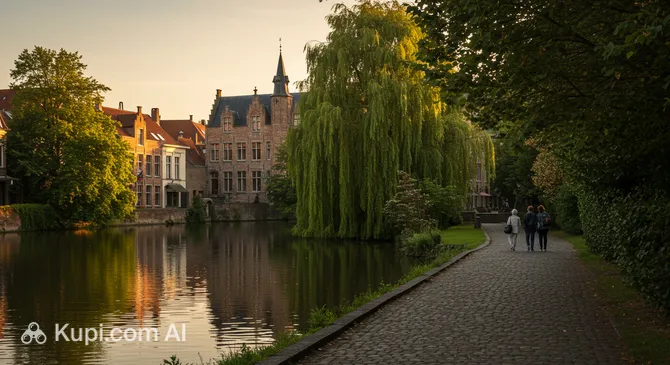
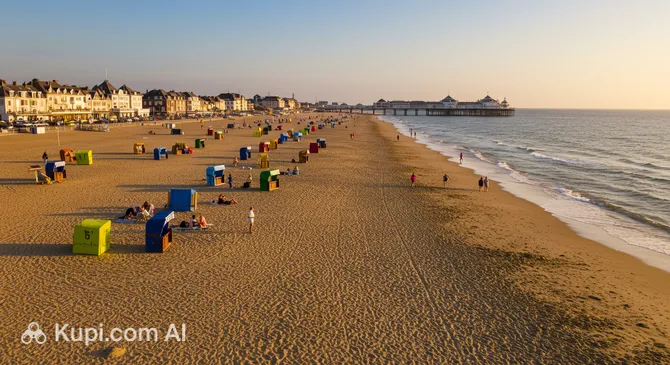
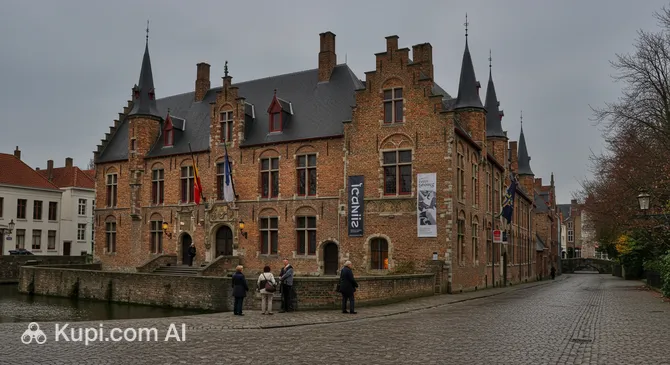
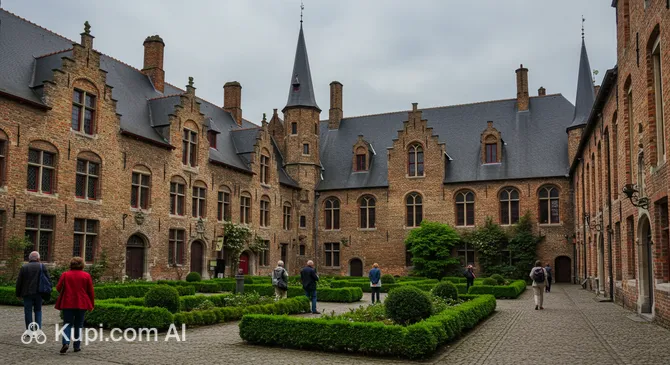
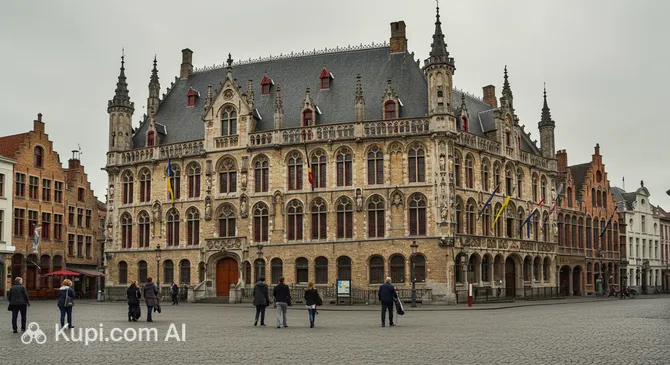
Bruges is a charming city in Belgium, often called the "Venice of the North" due to its extensive network of picturesque canals. This city seems frozen in time, preserving its unique medieval atmosphere that attracts travelers from all over the world.
Bruges. Illustration.
Source: Kupi.com AI
Located in the province of West Flanders, Bruges is one of the best-preserved medieval cities in Europe. Its population is approximately 118,509 people. The climate here is temperate maritime, with mild, humid winters and warm but not hot summers, making it comfortable to visit almost year-round.
The heart of the city is the Market Square (Grote Markt) with its famous Belfry tower; climbing it rewards you with a panoramic view of Bruges' tiled roofs. Be sure to take a boat trip along the canals to see the city from a different perspective, and don't miss the chance to try famous Belgian chocolate and local beer in one of the cozy cafes.
A visit to Bruges is like a journey into the past, full of romance and discovery. This city will undoubtedly enchant you with its beauty, tranquility, and hospitality, leaving you with the warmest memories.
When planning a trip to Bruges, it's helpful to know about the characteristics of its temperate maritime climate. The city is not known for drastic temperature fluctuations, making it comfortable to visit at any time of year, though you should be prepared for frequent, albeit usually light, precipitation.
In general, Bruges is characterized by warm summers (June–August) with temperatures typically ranging between 14°C and 22°C, and occasional but rarely prolonged rain. Winters (December–February) here are mild and humid, with temperatures from 3°C to 9°C and frequent precipitation, mostly in the form of rain or drizzle.
For more detailed planning of your trip and choosing the best time to visit, you can read detailed information about the climate of Bruges, including monthly data.
Average monthly temperature
Average monthly precipitation
Interesting Facts
Beyond its famous canals and medieval architecture, Bruges hides many surprising stories and little-known details. Here are just a few that will add a special touch to your journey through this fairytale city:
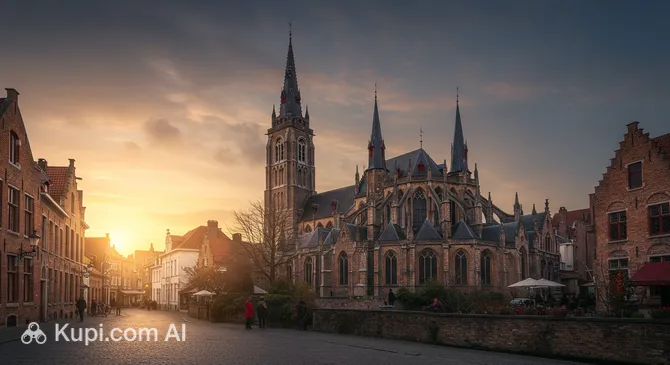
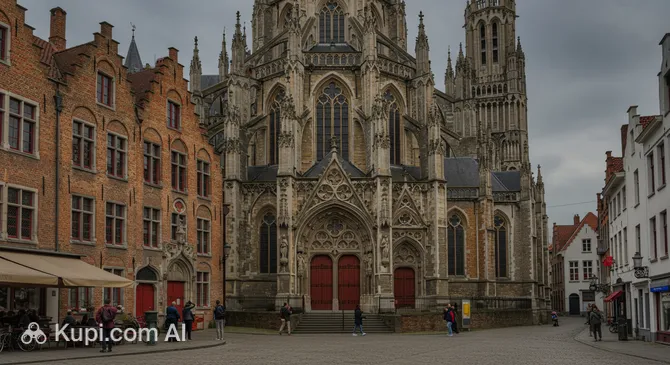
Church of Our Lady. Illustration.
Source: Kupi.com AI
Traveler photos:
Underground Beer Pipeline: In 2016, the famous De Halve Maan brewery opened a unique underground beer pipeline over 3 kilometers long. It connects the historic brewery in the city center with a bottling plant on the outskirts, saving Bruges' narrow streets from hundreds of beer trucks every year.
Michelangelo's Treasure: The Church of Our Lady houses Michelangelo's only sculpture, "Madonna and Child," to leave Italy during the master's lifetime. It was purchased by wealthy merchants from Bruges and secretly transported out of the country.
Swan Loyalty: Legend has it that after suppressing a rebellion in 1488, Emperor Maximilian of Austria ordered the city to maintain swans on the canals forever. This was done in memory of the executed advisor Pieter Lanchals, whose coat of arms featured a swan and whose surname translated to "long neck." Since then, swans have been an inseparable and graceful symbol of Bruges.
The Birthplace of the Word "Exchange": It is believed that the modern word "exchange" (in French bourse) originated from the surname of the influential Van der Beurse family from Bruges. In the 15th century, merchants regularly gathered for trade operations near their house on the square now called Beursplein, effectively creating one of the first prototypes of the modern stock exchange.
How to Get There
Getting to charming Bruges is possible via several convenient methods. The city has good transport links, allowing you to choose the best route by air or rail, connecting it to various parts of Belgium and Europe.
While Bruges itself has an airport serving mostly regional and seasonal destinations, most international travelers arrive via larger aviation hubs. One of the main options is Brussels Airport(BRU). It is located in the Belgian capital, Brussels, approximately 95 km east of Bruges. This is a very large international hub, from which you can reach Bruges by train (often with a transfer at Brussels-Midi station) or by car/taxi in about 2 hours and 45 minutes, depending on traffic.
The closest airport to the city is Ostend-Bruges International Airport(OST). According to the data, it is located in the Bruges area (near Ostend) and is about 25 km from the historic center of Bruges. This small airport mainly serves seasonal flights and budget airlines. A taxi ride to the center of Bruges from here will take about an hour.
Another popular alternative is Lille Airport(LIL), located in the French city of Lille, about 72 km south of Bruges. This is a mid-sized airport from which you can reach Bruges by car or taxi in about 2 hours and 15 minutes, or use the rail link through the city of Lille.
For clarity, here is a summary of the main airports used to reach Bruges:
Rail travel is another popular and convenient way to get to Bruges. The city's main station is Bruges Railway Station(ZGJ). It is located within Bruges. Notably, according to provided data, it is situated at a distance of about 21 km from the historic center. This is a significant distance for a station located within city limits, so a trip to the center by taxi or local bus may take about 50-60 minutes. Be sure to consider this when planning. Despite this location, the station is an important transport hub receiving trains from Brussels, Ghent, Antwerp, and other Belgian cities, as well as international services, such as those from Lille (France).
For travelers arriving from or through France, the stations in Lille can be important transit hubs: Lille-Flandres(XFA) and Lille-Europe(XDB). Both are very large transport hubs located about 64-65 km from Bruges. From these stations, you can reach Bruges by direct train or bus. A taxi ride from Lille's stations to Bruges will take about 2 hours.
Below is information on the main railway stations that can be used for a trip to Bruges:
Additionally, Bruges can be reached by car, as the city is well-connected to major European motorways. When planning your trip, it is also worth exploring intercity bus options, which can offer budget-friendly ways to travel.
Main Attractions
Bruges is a true treasure trove of medieval architecture and romantic corners. A stroll through its cobbled streets, along picturesque canals and ancient squares, will give you unforgettable impressions. Here are just a few key attractions that are definitely worth including in your itinerary through this fairytale city in Belgium:
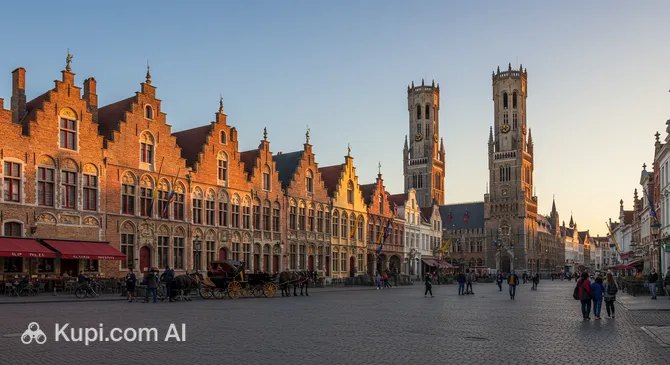
Undoubtedly, the heart of the city is the Market Square (Grote Markt). For centuries, commercial and social life has bustled here, and today it remains the main meeting place. The square is framed by famous guild houses with characteristic stepped gables, as well as the Provincial Court building in the Neo-Gothic style. Fairs, festivals, and Christmas markets are often held here, making it the perfect place to soak up the atmosphere of medieval Bruges.
Market Square. Illustration.
Source: Kupi.com AI
Traveler photos:
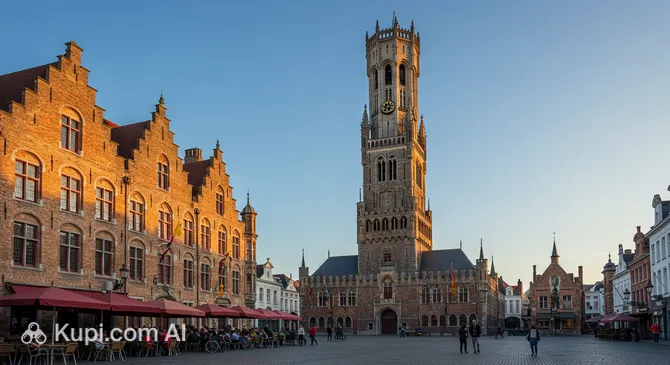
Towering over the Market Square is the majestic 83-meter bell tower — the Belfry of Bruges. This medieval tower is one of the city's most recognizable symbols and is included in the UNESCO World Heritage list. Brave travelers who climb the 366 steps will be rewarded with a breathtaking panoramic view of the entire city and its surroundings. Inside the tower, there is also an impressive carillon of 47 bells, whose melodic chimes regularly ring out over Bruges.
Belfry of Bruges. Illustration.
Source: Kupi.com AI
Traveler photos:
Another iconic site is the Basilica of the Holy Blood, located on the neighboring Burg Square. This small but stunningly beautiful basilica houses one of the most revered Christian relics — a drop of the Holy Blood of Christ, which, according to legend, was brought from the Holy Land during the Second Crusade. The basilica is unique for its two-level structure: the lower Chapel of St. Basil is built in a strict Romanesque style, while the upper chapel, where the relic is kept, is striking for its rich Neo-Gothic decoration.
Basilica of the Holy Blood. Illustration.
Source: Kupi.com AI
Traveler photos:
For a romantic and peaceful walk, head to Minnewater Park, also known as the "Lake of Love." This picturesque lake, surrounded by ancient trees, elegant bridges, and quiet paths, is home to numerous swans — another symbol of Bruges. Legend has it that the love of couples who cross the bridge over the lake will be eternal. It is the ideal spot to take a break from the city bustle, enjoy nature, and take beautiful photos.
Minnewater Park. Illustration.
Source: Kupi.com AI
Traveler photos:
Local Cuisine
Bruges is not just about fairytale canals and medieval architecture; it is also the gastronomic heart of Flanders. The cuisine of Bruges will delight any gourmet, offering hearty traditional dishes, world-famous chocolate, and, of course, magnificent Belgian beer. Prepare for a culinary journey that will become a highlight of your city experience.
Among the dishes you must try in Bruges are mussels and fries (moules-frites) — a Belgian classic, especially good when in season. Equally popular is Flemish stew (carbonnade flamande) — tender beef braised in beer with onions and spices, often served with the same crispy fries or mashed potatoes. By the way, Belgian fries are a point of pride, and they are prepared specially here to achieve the perfect crispy crust.
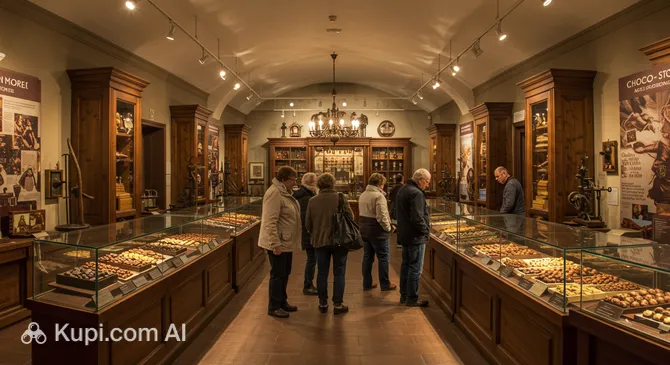
No trip to Bruges is complete without tasting the famous Belgian chocolate. Numerous chocolatiers offer pralines, truffles, and other exquisite handmade treats. To dive deeper into the world of cocoa, you can visit Choco-Story, the Chocolate Museum. And, of course, don't forget the Belgian waffles — fluffy Brussels waffles or the denser and sweeter Liege waffles, served with various toppings ranging from fresh berries and whipped cream to hot chocolate.
Choco-Story, Chocolate Museum. Illustration.
Source: Kupi.com AI
Traveler photos:
Belgium is famous for its beer, and Bruges is no exception. Here you will find a huge variety of styles: from strong Trappist ales to refreshing lambics. Many bars and pubs offer extensive beer menus, and some even have their own small breweries, such as the famous De Halve Maan Brewery, where you can not only taste freshly brewed beer but also learn about the production process. For those who enjoy spirits, the traditional juniper gin — jenever — is worth a try. Among non-alcoholic drinks, thick hot chocolate is popular, especially in cool weather.
The food culture in Bruges is diverse. You can enjoy an exquisite dinner at one of the many restaurants offering both traditional Flemish and modern European cuisine. For a more informal setting, cozy "brown cafes" (bruin cafés) — traditional pubs where locals and tourists gather over a glass of beer and light snacks — are ideal. Don't overlook the street food either: the famous fries from "frietkot" stalls and freshly baked waffles make excellent snacks while exploring the city.
Travel Tips
Welcome to fairytale Bruges! To make your journey through this charming Belgian city as comfortable as possible and leave you with only pleasant impressions, we have prepared a few practical tips.
Clothing and Essentials: The climate in Bruges is temperate maritime, so be prepared for changeable weather, especially rain, regardless of the season. Be sure to bring comfortable shoes for walking on cobblestones — this is key to exploring the city comfortably. Layered clothing will allow you to adapt to temperature changes. Don't forget an umbrella or a raincoat. For electrical appliances, you will need an adapter (Type E sockets are used in Belgium). When visiting churches, such as the Basilica of the Holy Blood or the Church of Our Lady, show respect and choose modest clothing that covers shoulders and knees.
Getting Around the City: The historic center of Bruges is quite compact, and the best way to explore it is on foot. Public transport consists of De Lijn buses, which can be useful if you are staying far from the center or want to visit the outskirts. There are no subways or trams in Bruges. Taxis are available but can be expensive; ride-hailing apps can also be used. Renting a car for getting around the city itself is impractical due to narrow streets, pedestrian zones, and parking difficulties.
Financial Matters: The official currency in Belgium is the Euro (EUR). Credit and debit cards (especially Visa and Mastercard) are accepted in most hotels, restaurants, and shops. However, it's always useful to carry some cash for small purchases or at markets. ATMs are widely available. An approximate daily budget (excluding accommodation) could be 70–150 euros, depending on your preferences. Tips in restaurants are usually included in the bill (service compris), but for good service, you can leave an additional 5–10% or round up the amount.
Health and Safety: Bruges is a very safe city. However, as in any tourist destination, you should watch out for pickpockets, especially in crowded areas like the Market Square or the train station. Pharmacies (Apotheek) are easy to find; information on duty pharmacies is usually posted on their doors. In case of emergency medical assistance, call 112. It is recommended to have travel medical insurance.
Communication and Language: The official language in Bruges is Dutch (Flemish dialect). However, most locals, especially in the tourism sector, speak English well, and many understand French. Knowing a few basic phrases in Dutch will be appreciated: "Hallo" (Hello), "Dank u wel" (Thank you), "Alstublieft" (Please). Wi-Fi is available in many hotels, cafes, and some public areas. You can purchase a local SIM card at mobile network stores.
Local Etiquette: Belgians, and Flemings in particular, value politeness and restraint. It is customary to say hello when entering small shops or cafes. Try not to make noise in public places. When interacting with locals, be tactful and respectful. A handshake is the standard form of greeting.
Things to Avoid: Try not to be excessively noisy, especially in residential quarters and near churches — Bruges values its calm atmosphere. Also, don't start a conversation in French assuming everyone knows it; it's better to start in English or, if you know it, Dutch. And, of course, do not litter — help keep this beautiful city clean.
Insider Tip: To save on museum visits, consider purchasing the Musea Bruges Pass. If you plan to climb the Belfry tower or take a popular canal boat trip, especially during high season, book your tickets online in advance to avoid long queues. And don't be afraid to turn off the main tourist paths — the authentic charm of Bruges is hidden in its quiet alleys and secluded courtyards.
We hope these tips help you plan an unforgettable trip to Bruges. Enjoy its medieval beauty, delicious chocolate, and unique atmosphere!
Entertainment & Nightlife
When the sun sets over the picturesque canals of Bruges, the city doesn't go to sleep; instead, it offers its guests a cozy and atmospheric evening life. You won't find noisy mega-clubs open until dawn here, but you can enjoy magnificent Belgian beer in traditional pubs, spend time in stylish bars, or even dance in a few lively spots.
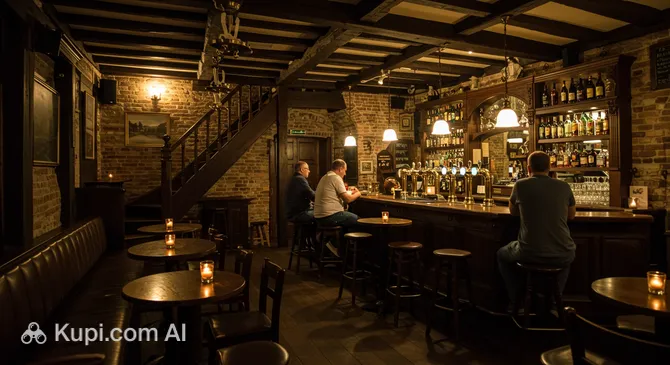
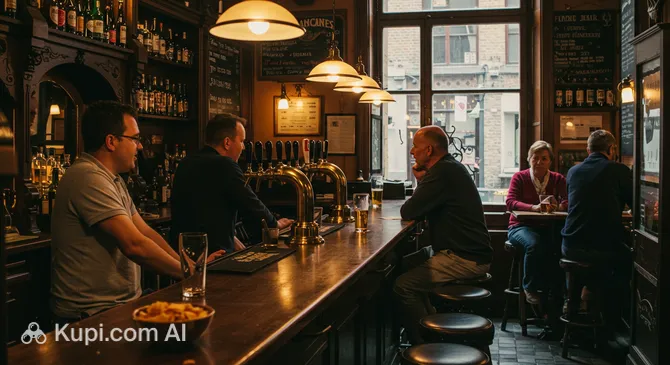
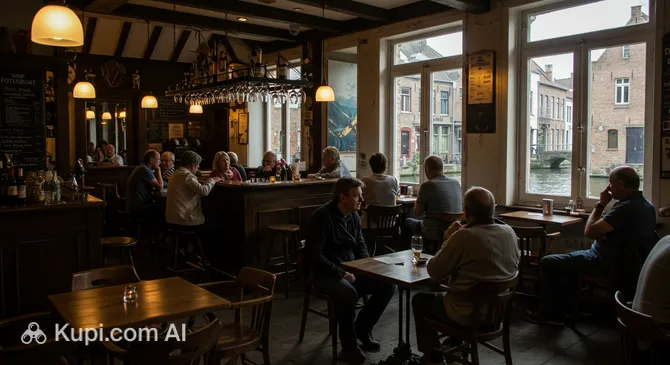
The main concentration of evening entertainment is in the historic center, especially around the Market Square (Grote Markt) and on adjacent streets like Eiermarkt and Kraanplein. Numerous so-called "brown cafes" (bruine kroeg) — traditional pubs with long histories — are located here, alongside more modern bars. The atmosphere in most establishments is relaxed and friendly, encouraging conversation. There is usually no dress code, and casual style is welcome. Most bars stay open until late evening, and some until the early morning, especially on Fridays and Saturdays.
Among the iconic places to experience Bruges' nightlife, it's worth noting:
De Garre: Hidden in a narrow alley, this legendary pub is a true find for beer connoisseurs. Here, you'll be offered a huge selection of Belgian varieties, including an exclusive strong house beer. The atmosphere here is incredibly authentic and cozy.
't Brugs Beertje: Another cult "brown cafe," known for its impressive beer collection (over 300 labels!) and warm, welcoming environment. It's an excellent place to mingle with locals and tourists alike.
't Poatersgat: If you're looking for something more dynamic, check out this night club located in an ancient cellar. You can dance to popular music here; the venue is very popular with young people and students.
De Garre. Illustration.
Source: Kupi.com AI
Traveler photos:
Bij Koen & Marijke. Illustration.
Source: Kupi.com AI
Traveler photos:
't Poatersgat. Illustration.
Source: Kupi.com AI
Traveler photos:
Practical Tips: Nightlife in Bruges usually picks up after 8:00–9:00 PM. The average cost of a glass of good Belgian beer in a bar is about 4–6 euros. It's most convenient to navigate the city center at night on foot. Taxis can be found at designated stands or called by phone; ride-hailing apps are also available. Public transport runs at long intervals at night. Bruges is considered a very safe city, and night walks along the central, well-lit streets are generally comfortable. Nevertheless, it's always wise to follow basic safety precautions.
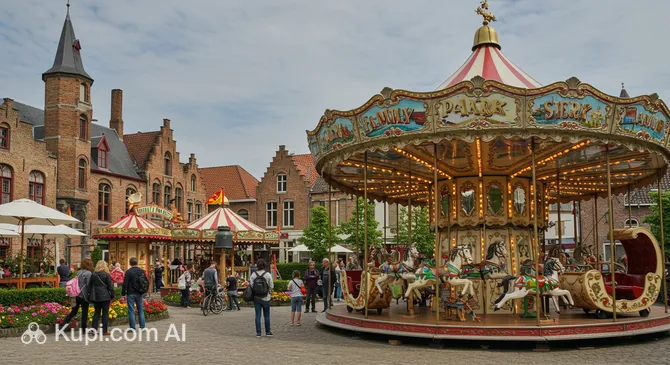
During the day, Bruges offers completely different but equally engaging entertainment. You can immerse yourself in art at the Groeninge Museum, learn about the city's history at the Gruuthuse Museum, or visit the famous Choco-Story Chocolate Museum. For family leisure, walks in Minnewater Park or a trip to the Sierk Family Park, located nearby, are perfect. Thus, Bruges is capable of offering diverse leisure options both by day and after dark.
Family Park Sierk. Illustration.
Source: Kupi.com AI
Traveler photos:
Parks & Museums
Bruges, the city of canals and medieval architecture, offers not only picturesque streets but also wonderful opportunities for outdoor relaxation and immersion into a rich cultural heritage through its numerous parks and museums. Here, everyone will find a corner to their liking — from quiet green oases to treasuries of art and history.
For those seeking a retreat into nature, Bruges and its surroundings offer several wonderful spots. The famous Minnewater Park, or Lake of Love, with its romantic atmosphere, swans, and ancient bridge, is a must-visit for a stroll. Although it is popular, you can always find a quiet corner to relax.
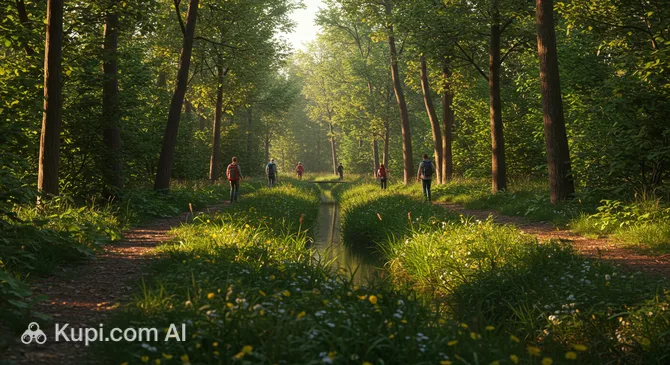
If you prefer wilder nature and open spaces, look toward Waggelwater and Bulskampveld. This large nature reserve located near Bruges is ideal for long walks and cycling trips, allowing you to enjoy the beauty of Flemish forests and fields. It is a wonderful place to escape the city bustle and breathe fresh air.
Vagevuurbos and Bulskampveld. Illustration.
Source: Kupi.com AI
Traveler photos:
Not far from Bruges, on the North Sea coast, lies Blankenberge Beach. This wide sandy beach with its characteristic pier is a great place for a day trip, especially in warm weather. You can walk along the shore, enjoy the sea breeze, and even take a dip if the weather permits.
Blankenberge Beach. Illustration.
Source: Kupi.com AI
Traveler photos:
The cultural life of Bruges is equally rich. The city takes pride in its museums, which house priceless collections. One of the main art museums is the Groeninge Museum. Its exposition covers six centuries of Flemish and Belgian art, with a special focus on the masterpieces of the Flemish Primitives, including works by Jan van Eyck and Hans Memling. It is a true gem for art lovers.
Groeningemuseum. Illustration.
Source: Kupi.com AI
Traveler photos:
Another iconic site is the St. John's Hospital (Sint-Janshospitaal). This is one of the oldest preserved hospital complexes in Europe, now housing a museum. Here you can see not only medieval hospital wards and a pharmacy but also an impressive collection of paintings by Hans Memling, created specifically for this hospital. Visiting this site is a unique opportunity to touch the history of medicine and art.
St. John's Hospital. Illustration.
Source: Kupi.com AI
Traveler photos:
One cannot overlook the magnificent Bruges City Hall on Burg Square. It is not only an active organ of city administration but also a museum. Built in the 14th-15th centuries, it is one of the oldest buildings in the Netherlands and Belgium. Inside, the Gothic Hall is particularly impressive with its magnificent wall paintings and carved wooden ceiling, telling the city's history. This place breathes history and is an important architectural monument.
Bruges City Hall. Illustration.
Source: Kupi.com AI
Traveler photos:
Many museums in Bruges, such as the mentioned St. John's Hospital or the Gruuthuse Museum (dedicated to the city's history and applied arts), are located in historic buildings, which in itself adds a special flair to your visit.
Beyond parks and museums, Bruges offers other interesting sites for cultural leisure. For instance, the quiet and peaceful Beguinage (Begijnhof), a UNESCO World Heritage site with its white houses and ancient church, is a beautiful place for a calm walk and reflection.
For authentic experiences, don't limit yourself to the most famous spots. Peek into smaller but equally interesting museums, like the Bruges Beer Museum, to learn more about famous Belgian traditions. And for quiet relaxation within the city, besides Minnewater Park, look for small squares and gardens hidden behind old facades — they can be a pleasant discovery.
Getting Around
Getting around Bruges is quite simple, especially in its historic center, which is perfect for walking. However, for longer trips or if you are staying outside the center, public transport can be very useful.
The main form of public transport in Bruges is the bus, operated by the company De Lijn. They cover the entire city and its immediate surroundings, linking residential areas, the station, and tourist zones. There are no subways, trams, or trolleybuses in Bruges, so the bus network is key. The routes are well-planned and allow you to reach most points of interest.
The fare system offers several options. You can purchase a single ticket (biljet) from the driver, although this may be slightly more expensive, or at special vending machines, De Lijn points of sale (Lijnwinkel), and some newsstands. More economical options for tourists are often the day pass (Dagpas), which entitles you to unlimited travel throughout the day, or a 10-trip card (Lijnkaart). The approximate cost of a single trip is around 2.50 euros, and a day ticket is about 7.50–8.00 euros (prices may change). It is also possible to pay for travel with a contactless bank card directly on the bus or buy tickets through the official De Lijn mobile app, which also helps in route planning.
Tourists should keep a few practical points in mind. Purchased paper tickets or cards must be validated upon entering the bus using a special device. If you are using the mobile app or contactless payment, follow the instructions on the screen or terminal. Buses usually run from early morning (around 6:00 AM) until late evening (around 11:00 PM), but schedules may vary for different routes and on weekends. It is always helpful to check the current schedule on the official De Lijn website or in their app.
In addition to buses, there are other ways to get around Bruges. Taxis are available, but they are a more expensive option. Given the city's compactness and beauty, renting a bike is an extremely popular and pleasant way to explore Bruges and its picturesque surroundings — there are many rental points in the city. And, of course, don't forget walking, which allows you to fully enjoy the atmosphere of the medieval streets. Car-sharing services are less common in Bruges compared to major metropolises.
Accommodation
In Bruges, you will find a wide range of accommodation options to suit various travelers, from budget seekers to luxury lovers. The city offers cozy guest houses (B&Bs), often located in historic buildings, affordable hostels for youth and solo tourists, charming boutique hotels with unique designs, as well as comfortable apartments for those who prefer more independence.
Most tourists prefer to stay in the historic center of Bruges to be within walking distance of major attractions such as the Market Square, the Belfry, and the picturesque canals. The areas around the Markt and Burg squares are particularly popular due to their unique atmosphere and concentration of restaurants, shops, and museums. Staying here will allow you to fully immerse yourself in the city's medieval charm and enjoy evening walks along the illuminated streets.
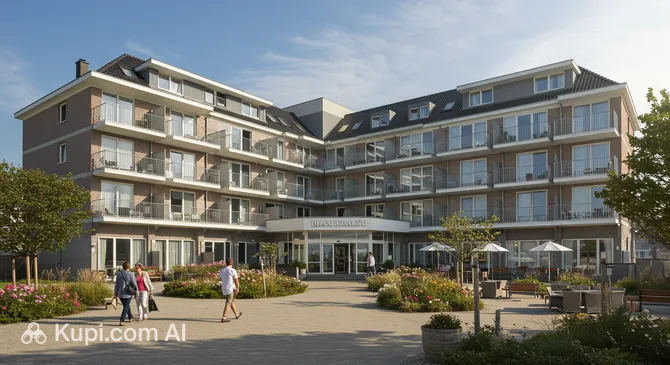
The city features various hotel categories, from small family-run places to options offering an extended range of services. For example, if you are looking for a resort-style option, the list of attractions for the Bruges region mentions Holiday Suites Blankenberge.
Holiday Suites Blankenberge. Illustration.
Source: Kupi.com AI
Traveler photos:
It is highly recommended to book accommodation in advance, especially if your trip coincides with the peak tourist season (spring, summer, Christmas market period) or weekends, as the best options are snapped up quickly. The price range for accommodation in Bruges is quite broad: you can find budget-friendly hostels and rooms as well as luxurious rooms in high-class hotels. The most popular booking methods are international online platforms (such as Booking.com, Expedia, Airbnb), as well as direct booking through the official websites of hotels or guest houses, which sometimes allows you to secure better terms.
Nearby Cities
For those looking to explore the surroundings, Bruges serves as an excellent starting point for day trips to several interesting nearby locations.
Among them, Knokke-Heist (15 km) stands out — a prestigious resort on the North Sea coast known for its wide beaches, fashionable boutiques, art galleries, and the unique Zwin nature reserve. If you prefer a quiet holiday among greenery and historic estates, then Oostkamp (only 6 km) is a wonderful choice, where you can visit the magnificent Loppem Castle with its maze. For fans of industrial history, an interesting destination is Maldegem (16 km), home to the famous Steam Centre, which offers a trip into the past on vintage trains. For a more comprehensive look at other day trip possibilities, check the following list:
City
Population
Distance
Assebroek
19 737
2 km
Sint-Kruis
15 892
2 km
Sint-Michiels
12 045
3 km
Sint-Andries
19 818
3 km
Damme
11 008
6 km
These nearby destinations provide a glimpse into the diverse culture and landscapes of the region.
Shopping & Souvenirs
Bruges offers a delightful shopping experience, especially for those seeking unique Belgian specialties. The city is famous for its exquisite chocolate, intricate lace, and diverse beer. In addition to these iconic goods, you will find charming boutiques, art galleries, and antique shops, making a stroll through its shopping districts a real pleasure.
The main shopping arteries in Bruges are Steenstraat and Zuidzandstraat. These lively streets, stretching from the Market Square (Grote Markt) toward the main station, are full of both international brand stores and local Belgian boutiques, and, of course, numerous chocolatiers. The small streets branching off from Market Square and Burg Square, such as Wollestraat and Breidelstraat, also offer an excellent selection of shops, often specializing in souvenirs and local crafts.
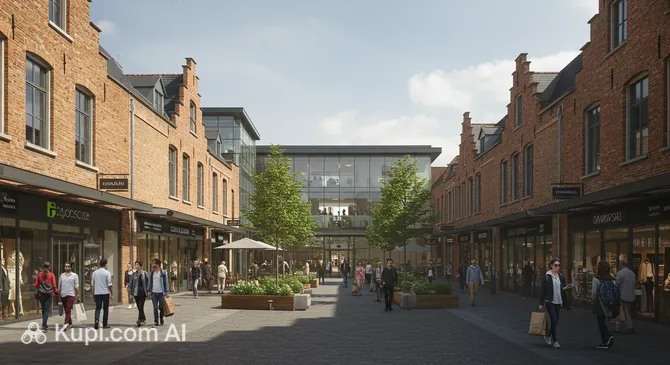
While Bruges is better known for its boutiques, there are also several convenient shopping centers. Zilverpand is a pleasant open-air shopping gallery located in the city center, offering a variety of fashion stores and cafes. It is a good place to find well-known brands in a more concentrated setting.
Zilverpand. Illustration.
Source: Kupi.com AI
Traveler photos:
For a wider choice, especially of everyday items and some clothing, you can visit B-Park. It is located slightly outside the city center and is more of a retail park with large stores and ample parking.
B-Park. Illustration.
Source: Kupi.com AI
Traveler photos:
Markets are an integral part of life in Bruges. The main general market is held on Saturday mornings at the Market Square (Grote Markt), offering fresh produce, flowers, cheeses, meats, as well as clothing and household goods. The charming fish market (Vismarkt) operates from Tuesday to Saturday mornings and is located under a historic colonnade — a great place to soak up the local atmosphere, even if you don't plan on buying fish. On weekends, especially from March to November, you might also stumble upon a flea market (brocantemarkt) along the Dijver canal, the perfect place to hunt for antiques and curiosities.
When it comes to souvenirs from Bruges, the choice is delightful. Belgian chocolate in all its forms — pralines, truffles, bars — is a must-buy. Exquisite Bruges lace, whether doilies, handkerchiefs, or decorative items, makes for a beautiful and traditional gift. A selection of local Belgian beer, perhaps with branded glasses, is another popular choice. You can also find tapestries, reproductions of city views, and small handmade items.
Most shops in Bruges are typically open from 10:00 AM to 6:00 PM from Monday to Saturday. Some small boutiques may close for a lunch break. On Sundays, many shops, especially those outside the main tourist zones, are closed, although souvenir shops and chocolatiers in the city center often remain open for at least part of the day. Major credit cards (Visa, Mastercard) are widely accepted in most shops and restaurants. Nevertheless, it's always useful to have some Euros (EUR) in cash for small purchases, at markets, or in smaller establishments.
Tourists residing outside the European Union may be eligible for a VAT (Value Added Tax) refund on purchases over a certain amount made in participating stores. Look for "Tax Free Shopping" signs in windows. You will need to ask the merchant for a tax-free form at the time of purchase and have it stamped at customs when leaving the EU. It is recommended to check specific requirements and minimum purchase amounts in advance.