Support

De Haan

About

De Haan is a true gem of the Belgian North Sea coast, nestled comfortably on golden sands between picturesque dunes and the vast sea. This charming resort town is located in the province of West Flanders, about 15 kilometers from the famous Bruges, and is part of Belgium. Home to around 12,600 people, De Haan's compact and intimate nature creates a wonderfully peaceful atmosphere, perfect for a tranquil getaway.
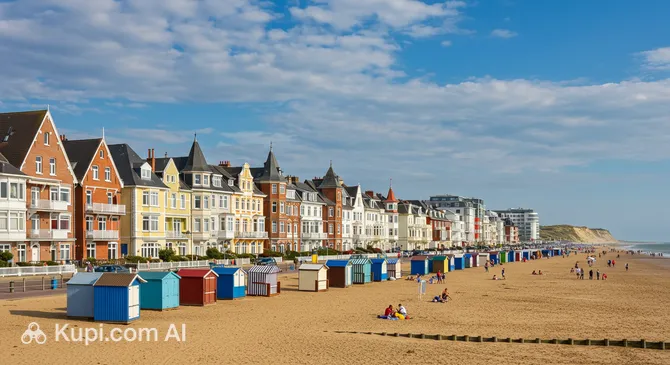
De Haan. Illustration.
Source: Kupi.com AI

De Haan is rightfully considered a classic Belle Époque resort. Its appearance is defined by elegant Anglo-Norman style mansions surrounded by lush, well-kept gardens. Narrow streets, cozy cafes, and historic villas seem to invite you for a stroll into the past. Founded in 1903 by decree of King Leopold II, the resort has since maintained its unique charm and aristocratic elegance.

The main treasures of De Haan are its magnificent sandy beaches and scenic dunes, which provide ideal conditions for a variety of leisure activities. It is an excellent destination for families with children: here you can swim, sunbathe, enjoy water sports, cycle along the coast, or even try horseback riding at the local club. Golf enthusiasts will appreciate the 18-hole course situated right among the dunes.

De Haan attracts visitors not only with its beaches and architecture but also with its special soulful atmosphere. There is no hustle and bustle of big cities here; every guest feels welcome and can truly relax. If you are looking for a place to slowly enjoy life, the beauty of nature, and the charm of a vintage resort, De Haan will be a wonderful choice for an unforgettable vacation.

You can find more interesting facts on the De Haan city history page.
Weather Overview

In De Haan, a moderate maritime climate prevails. Expect mild summers with average temperatures around 18-19°C (July-August, with highs up to 21.4°C) and frequent, but usually not heavy, rain (averaging 10-12 rainy days per month, with total precipitation around 2 mm). Winters here are cool, with an average temperature of about 5.9°C in January (minimums can drop to 4.4°C), and are characterized as cloudier and wetter, with the number of rainy days reaching up to 17 per month (e.g., in January, October, December), although the total amount of precipitation also remains low (about 2-3 mm). For detailed information about the climate and the current forecast, visit the weather in De Haan page.

Average monthly temperature

Average monthly precipitation

Interesting Facts

In addition to its famous beaches and charming architecture, De Haan hides many curious details and stories that make it truly special. Here are just a few interesting facts about this cozy Belgian resort:

Duinbossen. Illustration.
Source: Kupi.com AI

Traveler photos:

  • De Haan has preserved a unique residential quarter from the Belle Époque era, a true architectural gem with Anglo-Norman style villas. Among them stands out the Villa "Savoyarde," where Albert Einstein lived for six months in 1933 while escaping the Nazi regime. A commemorative statue of the great scientist is even installed in the town.

  • De Haan is one of the few resorts in Belgium where the promenade is completely free of tall modern buildings. Local authorities strictly oversee the preservation of the town's historical appearance, which maintains a unique atmosphere of comfort and antiquity.

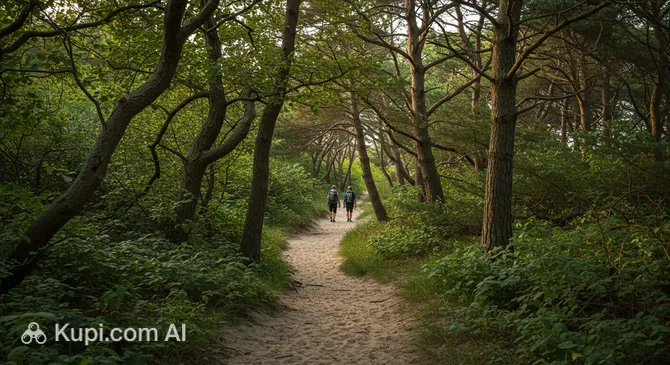
  • The town is famous for its dunes, which are considered among the most picturesque on the entire Belgian coast. Nature routes for hiking and cycling are laid through them, for example, in the Duinbossen area, where you can spot rare birds and enjoy the silence.

  • De Haan is home to one of Belgium's oldest golf clubs—the Royal Ostend Golf Club, founded in 1903. Its golf courses are picturesquely located right among the dunes, which gives the game a special charm.

How to Get There

De Haan is a charming coastal town in Belgium, and it can be reached in several convenient ways. Most often, tourists choose a flight to one of the nearby international airports followed by a transfer.

The closest to De Haan is Ostend-Bruges International Airport (OST), located, according to data, in the city of Bruges (though it is actually in Ostend, it is closely linked with Bruges and serves it as a popular tourist hub), just 13.8 km from De Haan. This is a small but convenient regional airport. A taxi ride from here to De Haan will take about 35-40 minutes. You can also use public transport, including the famous Coastal Tram (Kusttram).

The main international hub for many travelers will be Brussels Airport (BRU), the country's main airport located in Brussels. The distance to De Haan is 109.7 km. A direct taxi ride can take about 1 hour 45 minutes to 2 hours. A more economical and often faster option is to take a train from the airport to Bruges (approximately 1 hour 20 minutes – 1 hour 30 minutes) and then transfer to local transport to De Haan (bus or tram, another 30-40 minutes).

Another international option is Lille Airport (LIL), located in the French city of Lille, about 78.3 km from De Haan. This is a medium-sized airport, and a taxi ride from there to De Haan will take about 1 hour 20 minutes to 1 hour 40 minutes. You can also consider rail links through Lille to the Belgian coast.

For convenience, here is a summary of the main airports through which you can reach De Haan:

AirportPassenger trafficDistance
Ostend-Bruges International Airport386 38714 km
Lille Airport1.8 mln78 km
Antwerp International Airport239 517100 km
Brussels Airport23.6 mln110 km
Rotterdam The Hague Airport2.1 mln123 km

In addition to flights, De Haan is easily accessible by rail, especially if you are traveling from neighboring European countries or other regions of Belgium.

The nearest large and convenient railway station is Bruges Railway Station (ZGJ), located in the historic city of Bruges, just 9.0 km from De Haan. Bruges is a major rail hub with frequent trains from Brussels and other major cities. From Bruges station, you can easily reach De Haan by local bus or the Coastal Tram (Kusttram), which has a stop near the station (you need to travel to Ostend and transfer, or go directly to the coast and transfer to a tram towards De Haan). A taxi ride from Bruges station to De Haan will take about 20-25 minutes.

For travelers from or through France, the railway hubs in Lille are important: Lille-Flandres Station and Lille-Europe. They are about 70-71 km from De Haan, in the city of Lille. From there, you can rent a car or take trains to Belgian stations like Bruges, followed by a transfer to De Haan. A direct taxi ride from Lille to De Haan would take about 1 hour 15 minutes to 1 hour 30 minutes.

Here is information on some railway stations that may be convenient for a trip to De Haan:

StationPassenger trafficDistance
Brugge Railway Station6.6 mln9 km
Tourcoing Station710 22363 km
Roubaix Station127 29365 km
Lille Europe Station7.2 mln71 km
Lille Flandres Station19.5 mln71 km

You can also reach De Haan by car, as the town has good road connections with Belgium's main highways. Traveling by car allows you to enjoy the scenic views of Flanders.

Main Attractions

De Haan, a charming resort on the Belgian coast, offers its guests more than just a beach holiday. The town carefully preserves its history and unique atmosphere, which is reflected in its landmarks. Here, everyone will find something to their liking, from exploring natural corners to immersing themselves in architectural heritage.

One of the main natural jewels is the unique Duinbossen (Dune Forests) nature reserve. This is not just a place for walking among trees growing on sand dunes, but an entire ecosystem where the salty sea breeze mixes with the scent of pines, creating a special healing atmosphere. Exploring its trails, you can discover a variety of plants adapted to life on the sands and enjoy the singing of forest birds accompanied by the sea surf, providing a unique experience of connection with nature.

Duinbossen. Illustration.
Source: Kupi.com AI

Traveler photos:

The heart and soul of De Haan is the Concessie district, a unique architectural ensemble that has preserved the charm of the Belle Époque. Thanks to strict urban planning regulations, high-rise construction is prohibited here, which has allowed for the preservation of its original appearance with elegant villas in Anglo-Norman and cottage styles. A walk through the winding streets of the Concessie is a journey through time, where every house tells its own story and immerses you in the atmosphere of the early 20th century.

De Haan Beach is the true pride of the resort. A wide strip of fine golden sand stretches for many kilometers, offering ideal conditions for relaxation. A distinctive feature is the absence of high-rise buildings along the promenade, which creates a sense of space and harmony with the seascape that is rare for the coast. The beach is perfect for quiet sunbathing and long walks by the water's edge, as well as for active games and family fun.

An iconic site in De Haan and a symbol of its connection with the unique Coastal Tram (Kusttram) is the historic tram station. This charming building, constructed in 1902 and designed in the Belle Époque style characteristic of the town, is not just a functional station. It is an important architectural monument reminding us of the tram's key role in the development of De Haan as a popular seaside resort and is an integral part of its identity.

The memory of the great scientist Albert Einstein's stay in De Haan is immortalized not only by a plaque on the villa where he stayed in 1933 but also by an expressive statue erected in the town. This monument serves not just as a reminder of the short but significant period when the 20th-century genius found temporary refuge at this resort, but it has also become a popular spot for photos, symbolizing De Haan's connection to the global history of science.

Local Cuisine

De Haan is a true paradise for gourmets, especially for lovers of the freshest seafood. Located on the North Sea coast, this Belgian resort is famous for its culinary traditions, based on fresh sea produce. On the menu of almost every restaurant and bistro, you will find magnificent mussels, juicy shrimp, oysters, and various fish caught right here, often served with a crispy baguette and a signature sauce.

Be sure to try the famous grey shrimp croquettes (garnaalkroketten)—they are a true hallmark of the local cuisine and a popular delicacy in the region. Equally popular are dishes made with North Sea fish and scallops, often prepared according to old Flemish recipes. And, of course, you cannot visit Belgium without trying the crispy Belgian waffles and the famous French fries (frites), which in De Haan are served with various sauces and fresh herbs.

The meal is perfectly complemented by a glass of famous Belgian beer—the choice of varieties here is huge, from light ales to rich dark brews. As for non-alcoholic drinks, you can always find freshly squeezed juices or classic sodas. Locals and tourists prefer to dine in cozy coastal cafes and restaurants where a relaxed atmosphere prevails. It's also worth visiting local farmers' markets, where you can buy fresh vegetables, cheeses, smoked meats, and aromatic spices. In the pastry shops, exquisite handmade chocolate, for which Belgium is so famous, awaits you.

The gastronomic scene in De Haan combines respect for tradition with openness to new trends. Many chefs enjoy experimenting, adding modern touches to classic dishes and using unexpected ingredients. Throughout the year, various gastronomic festivals may take place in the town, allowing you to dive deeper into the world of local flavors and discover new types of beer. Whether it's an exquisite dinner in a restaurant or a simple yet incredibly tasty picnic on the beach with fresh seafood, De Haan will give you unforgettable culinary experiences.

Travel Tips

Planning a trip to charming De Haan? To ensure your journey goes smoothly and leaves only pleasant impressions, we have prepared some practical tips to help you navigate this beautiful Belgian resort.

  1. Dress for the weather and essentials:

    The climate in De Haan is maritime, so the weather can be changeable. Bring layered clothing: light items for sunny days and something warmer (a sweater, windbreaker) for evenings or cool weather, especially in spring and autumn. Be sure to bring comfortable shoes for walking on the beach and around town, as well as a raincoat or umbrella in case of rain. Don't forget sunscreen, even on cloudy days. For electrical appliances, you will need a standard European adapter (type E/F).

  2. Getting around De Haan and surroundings:

    De Haan is a compact town that is pleasant to explore on foot or by bike (rentals are available in many places). The main public transport along the coast is the famous Kusttram (Coastal Tram), which connects De Haan with other resorts from Knokke-Heist to De Panne. It is an excellent and scenic way to travel. Taxis are available, but there may not be as many as in large cities. A car rental is not necessary for staying within De Haan itself, but it can be useful if you plan to explore the West Flanders region.

  3. Financial matters: currency, cards, and tipping:

    The official currency of Belgium is the Euro (EUR). Bank cards (Visa, Mastercard) are widely accepted in most hotels, restaurants, and shops. However, it is always useful to have some cash on hand for small purchases or at markets. ATMs are easy to find. In restaurants, a service charge is usually included in the bill, but if you are very satisfied with the service, you can leave a small tip (5-10% or round up the amount).

  4. Health and safety:

    De Haan is a very safe and quiet place. Nevertheless, take standard precautions: keep an eye on your belongings, especially on the beach or in crowded places. Pharmacies (Apotheek) are available in the town; check their working hours. EU citizens are recommended to carry a European Health Insurance Card (EHIC). For all tourists, travel insurance is highly important. The emergency number, as in all of Belgium, is 112.

  5. Language and communication:

    The official language in the Flanders region, where De Haan is located, is Dutch (its local variant is called Flemish). Many locals also speak French and, especially in the tourism sector, have a good command of English. Learn a few basic phrases in Dutch, such as "Hallo" (Hello), "Dank u wel" (Thank you), "Ja/Nee" (Yes/No)—it is always appreciated. Wi-Fi is available in most hotels, cafes, and restaurants.

  6. Local etiquette: how to behave:

    Belgians are generally polite and reserved. When meeting, it is customary to greet with a handshake and say "Hallo" or "Goedendag" (Good day). Follow standard norms of behavior in public places, and respect the quiet, especially in residential areas. Punctuality is valued. If you enter a small shop, it is customary to greet the shopkeeper.

  7. What to avoid:

    Try not to be excessively loud or noisy in public places, especially in restaurants and cafes—locals value a calm atmosphere. Also, while in Flanders, it is better to start a conversation in Dutch (if you know a few phrases) or English, rather than immediately in French, even if you speak it; this shows respect for the local culture.

  8. Special tip for De Haan:

    Be sure to walk through the Concessie district to admire the unique Belle Époque architecture—it is the hallmark of De Haan. Don't miss the chance to ride the Coastal Tram (Kusttram) to explore other coastal towns. And of course, enjoy fresh seafood at one of the local restaurants—it's an essential part of a holiday on the Belgian coast!

We hope these tips help you better prepare for your trip and enjoy every moment in beautiful De Haan. We wish you an unforgettable vacation on the Belgian coast!

Entertainment & Nightlife

De Haan is a charming coastal resort in Belgium, and its nightlife perfectly matches its elegant and calm character. Here, you won't find noisy mega-clubs open until dawn, but you can enjoy a pleasant evening in a cozy and relaxing atmosphere. Evening entertainment in De Haan focuses on quality relaxation, delicious food, and pleasant conversation.

The core of De Haan's nightlife consists of numerous bars and brasseries. Instead of loud clubs, look for the many local establishments that make up the essence of the town's evening life. For example, you can stop by a classic brasserie like L'Esperance, known for its traditional atmosphere and wide selection of drinks, or find a cozy pub such as De Concessie Drinkgelegenheid, where you can sample various Belgian beers. These places are not "nightclubs" in the traditional sense, but rather offer spaces for quiet socializing and enjoying drinks in an authentic setting. You can easily find similar establishments while strolling through the center or along the promenade. During the peak summer season, temporary venues with live music or DJ sets may appear on the beach or in the central area, adding variety to the evening program.

The atmosphere in De Haan's venues is generally calm and friendly. The crowd is mixed—locals and tourists alike who appreciate a laid-back vacation. There is usually no strict dress code; neat casual or smart-casual style is welcomed. Most bars and restaurants are open until late evening, but keep in mind that this is not a town where venues stay open until early morning like in major metropolises.

The main places for evening strolls and finding a cozy bar or restaurant are, of course, the Zeedijk-De Haan promenade. Here you can not only enjoy a delicious dinner or an aperitif but also take in the magnificent view of the North Sea, especially at sunset. Many pleasant spots are also concentrated in the town's central streets radiating from the historic tram station.

Getting around the center of De Haan in the evening is very convenient on foot, as most interesting places are within walking distance. If you need to reach a more remote area or return to your hotel late at night, you can use taxi services. It is recommended to book a car in advance through local services or ask the reception at your hotel to do so. Regarding safety, De Haan is considered a very quiet and safe town, so evening walks here are not only pleasant but also worry-free. The average bill in bars and restaurants corresponds to price levels on the Belgian coast.

During the day, De Haan offers plenty of opportunities for interesting pastimes. You can enjoy its famous sandy beaches, take a promenade through the picturesque streets while admiring the unique Belle Époque architecture, or explore natural beauties. Be sure to visit the Duinbossen nature reserve, which has numerous trails for hiking and cycling among the dunes and pine forest. There are also facilities for golf, tennis, and water sports in and around the town.

Duinbossen. Illustration.
Source: Kupi.com AI

Traveler photos:

Parks & Museums

De Haan, a charming coastal town in Belgium, offers its guests not only magnificent beaches but also pleasant green areas for walking, as well as a unique cultural heritage reflected in its architecture and history.

One of the main natural attractions is Duinbossen—a vast forest-park area stretching along the coast. These "dune forests" are a unique combination of pine groves and sand dunes, offering many paths for walking and cycling. It is an ideal place to enjoy the fresh sea air and the beauty of Flemish nature. No less attractive is De Haan Beach itself—wide and sandy, it is considered one of the most beautiful on the Belgian coast and is perfect for relaxation and long walks.

Although there are no large traditional museums in De Haan, the town itself can be considered a kind of open-air museum. Its main cultural value is the perfectly preserved Belle Époque architecture. Especially noteworthy is the Concessie district, where you will find many elegant early 20th-century villas nestled in greenery. A walk through this area allows you to immerse yourself in the atmosphere of a bygone era. An interesting site is the historic tram station building, which itself serves as an architectural monument and a reminder of the long history of the coastal tram—the longest tram route in the world.

For a deeper immersion into history, look for the Villa "Savoyarde" (Villa Savoyarde), where Albert Einstein lived for a while in 1933; a statue of him is installed nearby. Although the villa is private property, its exterior and the history associated with it attract many tourists. For authentic experiences, turn off the main streets into the quiet alleys of the Concessie to fully enjoy the architectural details of the old villas, or watch the sunrise on a nearly deserted beach, listening only to the sound of the waves.

Getting Around

Public transport in De Haan is primarily represented by the famous Coastal Tram (Kusttram) and buses. These modes of transport are managed by the company De Lijn, which serves the entire Flemish region of Belgium. The Coastal Tram is perhaps the most convenient and scenic way to travel not only within De Haan itself but also along the entire Belgian coast, from Knokke-Heist to De Panne. Bus routes complement the tram network, connecting various town districts and the surrounding areas.

The fare payment system in De Haan, as in all of Flanders, is unified for De Lijn transport. You can purchase single tickets, multi-trip tickets (e.g., a Lijnkaart for 10 trips), day passes (dagpas), or multi-day tourist passes. Prices vary: a single ticket purchased in advance (via the app, De Lijn website, at a machine, or at Lijnwinkel points of sale) usually costs around 2.50 euros. Buying a ticket from the driver will cost more. There are also SMS tickets and the option to pay with a contactless bank card directly on the tram or bus (if such an option is available on the specific route).

It is recommended to buy tickets in advance to save money. This can be done at machines at major stops, at newsstands with the De Lijn logo, at special Lijnwinkel sales points, or via the De Lijn mobile app. Do not forget to validate your ticket every time you board a vehicle by tapping it against the special yellow or orange reading device. Public transport usually runs from early morning until late evening, but schedules can change depending on the season and day of the week. In the summer tourist season, trams and buses run more frequently.

In addition to public transport, other ways of getting around are popular in De Haan. Cycling is a great alternative, given the flat terrain and developed network of bike paths. Bike rental points can be found in many places. Taxis are also available, but they are a more expensive option. Information about car sharing in a small resort town like De Haan is less common, and it is not the primary way for tourists to get around.

The main feature of De Haan's transport system is undoubtedly the Coastal Tram. This is not just a means of transport but a true attraction. The tram line runs through picturesque dunes and connects all the coastal towns, offering passengers magnificent views of the North Sea. A ride on the Kusttram is an excellent way to explore the coast and enjoy its beauty.

Accommodation

In De Haan, travelers will find a variety of accommodation options to suit different preferences and budgets. The town offers a wide choice: from cozy guesthouses and self-catering apartments to comfortable hotels. Many tourists prefer to stay near the picturesque coast or in the charming town center, which provides easy access to the main attractions and allows them to soak in the unique atmosphere of the resort.

While specific famous hotels are not listed in the provided data, De Haan features a range of hotels from mid-range to more luxurious options. Renting private villas and apartments is also popular, especially for family vacations or longer stays. The variety of housing allows both budget travelers and those looking for enhanced comfort to find an optimal choice.

When planning a trip to De Haan, especially during the peak tourist season (summer months), it is recommended to book accommodation in advance. This will allow you to choose from more options and potentially find better deals. Bookings can be made through popular online platforms or by directly contacting hotels or apartment owners. The price range varies from budget options to luxury offers, enabling every tourist to find a suitable place to stay in this charming Belgian town.

Nearby Cities

For those who want to explore the surroundings, De Haan serves as an excellent starting point for day trips to several interesting nearby locations.

We especially recommend checking out Bruges (located about 15 km away), a fairytale medieval city with its famous canals, cobbled streets, and magnificent architecture. Only 10 km away is Ostend—the largest resort on the Belgian coast, offering wide sandy beaches, a lively promenade, and interesting museums. Also worth considering is a trip to Knokke-Heist (about 19 km away), known as a prestigious resort with fashionable shops, art galleries, and the beautiful Zwin nature reserve.

Below is a table with some of the nearest cities that may also be of interest to visit from De Haan:

CityPopulationDistance
Bredene17 8286 km
Blankenberge20 3498 km
Ostend71 55710 km
Oudenburg9 71710 km
Jabbeke13 88011 km

These and other nearby cities and towns offer various opportunities for cultural enrichment and a pleasant pastime, allowing you to get to know the rich history and picturesque landscapes of the Flanders region more deeply.

Shopping & Souvenirs

Shopping in De Haan is more of a pleasant addition to a coastal holiday than an end in itself. The town offers a relaxed atmosphere for shopping, where you will find charming boutiques, beachwear stores, souvenir shops, and confectioneries offering local delicacies. De Haan is not famous for any unique goods, but you can find high-quality items and products with local flair here.

The main shopping spots are concentrated along the main street leading to the sea, as well as on the adjacent side streets and the promenade. Here you will find clothing, footwear, and accessory stores, as well as shops with home and beach goods. It is an ideal place for a leisurely stroll and finding interesting small items.

There are no large shopping malls in the traditional sense in De Haan. Shopping here is more intimate, which fits the overall atmosphere of the resort. Small family-run shops and specialized boutiques form the core of the town's retail infrastructure.

The town may host a weekly market where locals and tourists can buy fresh produce: fruits, vegetables, cheeses, meat delicacies, and flowers. During the summer season, themed fairs or flea markets may also be organized, offering handmade items, antiques, and souvenirs. We recommend checking the market schedule upon arrival.

As souvenirs from De Haan and Belgium in general, you should look for the famous Belgian chocolate, various types of local beer, and perhaps delicate lace. In local shops, you will also find maritime-themed souvenirs: shells, ship models, paintings of seascapes, and other items reminiscent of a holiday on the North Sea.

Shops in De Haan are usually open from Monday to Saturday, roughly from 10:00 to 18:00 or 19:00. During the tourist season, some shops, especially those in popular locations, may also be open on Sundays. Small private shops might close for a lunch break. Bank cards (Visa, Mastercard) are widely accepted, but for purchases at markets or in very small shops, it is better to have some cash (Euros) with you.

For tourists from countries outside the European Union, there is a possibility of a VAT refund (Tax Free) for purchases over a certain amount in participating stores. Don't forget to ask for a special Tax Free receipt when making a purchase and clarify the tax refund procedure, which is usually carried out at the airport when departing from the EU.

Reached the end of the page?

That means the route is fully explored