Support

Le Grand Curtius Museum

About

In the heart of the historical center, on the scenic banks of the Meuse River, lies the Grand Curtius Museum—the largest museum space in Wallonia and a point of pride carefully preserved by Belgium. This grand complex brings together treasures from several former museums under its roof, presenting visitors with over five thousand unique exhibits that tell the region's story over seven millennia.
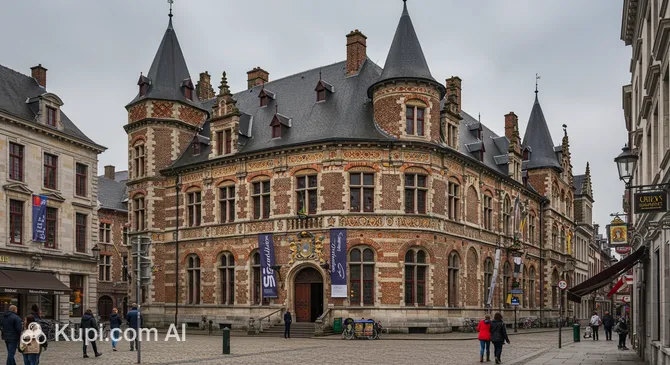
Grand Curtius Museum
Grand Curtius Museum. Иллюстрация. Источник: Kupi.com AI

The museum's architectural ensemble is a masterpiece in itself: it consists of four majestic mansions, the main one being the palace built in the early 17th century for the industrialist Jean Curtius. The building, in the Mosan Renaissance style with its recognizable red brick and white stone facades, has become a landmark visited by every tourist coming to Liège.

Inside the museum, guests can enjoy a fascinating journey through time: from prehistoric flint tools to the luxurious interiors of the Enlightenment. Thanks to the modern design of the exhibition halls and well-thought-out navigation, Grand Curtius is considered one of the most impressive cultural sites in Europe, combining archaeology, decorative arts, and one of the richest collections of weapons in the world.

Contacts

To plan your visit to the Grand Curtius Museum, it is helpful to check its contact details in advance. The museum administration is always ready to answer questions regarding current exhibitions and special events by phone or through the official website.

Below is the essential contact information for reaching out and locating the site:

How to contactContact
AddressFéronstrée 136, 4000 Liège, Belgium
Phone+32 4 221 68 17
Websitewww.grandcurtius.be

What to Do

A visit to the Grand Curtius is, above all, an opportunity to see rare artifacts such as the Notger Gospels, dating back to approximately 1000 AD, and an exquisite 12th-century gilded triptych. Art lovers should pay attention to the Mosan sacred art department, which houses unique sculptures and silver jewelry reflecting the spiritual greatness of medieval Liège.

Of particular interest is the Arms Museum, which features about 13,000 pieces of firearms. For centuries, Liège was famous for its master gunsmiths, and here you can trace the evolution of craftsmanship from the first muskets to the complex mechanisms of the 19th century. Equally impressive is the glass department, where fragile masterpieces from different eras are exhibited, demonstrating the incredible technique of local craftsmen.

In addition to contemplating the permanent collections, visitors can use interactive panels that help them gain a deeper understanding of the history of each object. It is recommended to take an audio guide so as not to miss important details in the labyrinth of halls, as well as to look into the temporary exhibitions that often take place within the museum walls. The atmosphere of the old mansions is ideal for thoughtful study and inspiring walks between the past and the present.

Getting There

Finding the Grand Curtius Museum is easy, as it is located in the heart of the city's historical quarter, right on the embankment of the Meuse river. The exact address of the complex is Féronstrée 136, which is just a few minutes' walk from the famous St. Bartholomew's Church.

If you are arriving at Liège Central Station, the walk to the museum takes about 15–20 minutes. The route leads through picturesque old streets, which is a pleasant addition to the tour in itself. You can also use public transport: bus lines 1 and 4 will take you to the Pont des Arches stop, which is only a couple of hundred meters from the museum gates.

For those who prefer a taxi or a private car, keep in mind that the museum is located in a limited traffic zone. There are several paid parking lots in the vicinity, but finding a free space can be difficult during high season, so public transport remains the most convenient option.

Ближайший город: Liege

History & Facts

The history of this monumental complex began in 1850 when enthusiasts from the Liège Archaeological Institute decided to bring together scattered monuments of regional antiquity. However, the museum owes its current appearance to Jean Curtius—a wealthy industrialist and ammunition supplier who, in the early 17th century, built a magnificent mansion here in the Mosan Renaissance style.

Over the centuries, the buildings changed hands until 1901, when the city authorities purchased the Curtius palace to create a museum. Throughout the 20th century, the collections grew steadily: collections of weapons, glass, and religious art were added to the archaeological finds. Each of the four buildings in the complex, including the Brahy and Hayme de Bomal mansions, preserves a piece of the city's centuries-old history.

The modern stage of the museum's life began in 2009 after a large-scale renovation costing 50 million euros. Five separate exhibitions were combined under one roof, turning the Grand Curtius into one of the most technologically advanced and significant cultural centers in all of Wallonia. Today, it is recognized as a national heritage site, carefully preserving artifacts spanning seven millennia of human development.

Time Needed

Given the colossal scale of the collection, which occupies more than 5,000 square meters, it is worth setting aside at least 2–3 hours to visit the Grand Curtius Museum. This time is enough to briefly see the main sections, from archaeology to the unique weapons exhibition.

For true history and art lovers who wish to study the Notger Gospels in detail or examine the finest work of master glassmakers, it is better to plan for half a day (about 4 hours). The presence of an audio guide significantly enriches the walk but also requires additional time to immerse oneself in the context of each era.

Working Hours

When planning your visit to the Grand Curtius Museum, please note the opening schedule, which remains stable throughout the week, with the exception of one day off. The museum is open to visitors from 10:00 to 18:00, allowing you to comfortably explore the exhibitions in the morning or afternoon.

It is important to remember that Tuesday is a day off, when the museum is completely closed to visitors. On other days, including Monday and Sunday, the doors of the complex are open according to the standard schedule:

  • Monday: 10:00 – 18:00
  • Tuesday: Closed
  • Wednesday – Sunday: 10:00 – 18:00
To check information regarding public holidays, it is recommended to consult the official website.

DayWorking hours
Понедельник10:00 – 18:00
ВторникЗакрыто
Среда10:00 – 18:00
Четверг10:00 – 18:00
Пятница10:00 – 18:00
Суббота10:00 – 18:00
Воскресенье10:00 – 18:00

Nearby

Liège is a city with a rich past, and a visit to the Grand Curtius Museum can easily be combined with other iconic sites located within walking distance. A stroll through the historical center will allow you to see the transition of architectural eras and feel the unique rhythm of life in this Belgian city.

Within a kilometer radius of the museum, you will find both majestic palaces and cozy old markets. Below is a list of interesting sites to include in your itinerary:

NameDistance
Montagne de Bueren0.4 km
Museum of Walloon Life0.5 km
La Bodega0.5 km
La Batte Market0.5 km
Citadel of Liège0.6 km
Yaka - Afrotoria0.6 km
Provincial Palace0.7 km

Reached the end of the page?

That means the route is fully explored