Support

Museum of public transport in Wallonia

About

Have you ever wondered what European city streets looked like a century ago? The Museum of Public Transport of Wallonia invites you on a fascinating journey through time. Located in an old, carefully restored tram depot in the city of Liège, this museum is one of the most interesting technical collections that Belgium is proud of.
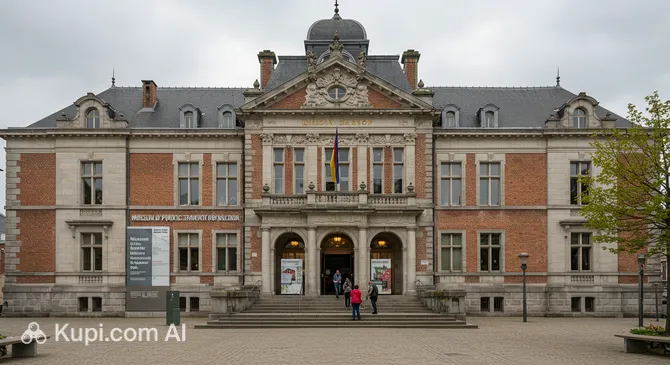
Museum of Public Transport of Wallonia
Museum of Public Transport of Wallonia. Иллюстрация. Источник: Kupi.com AI

The museum's collection covers a vast period of mobility history—from the appearance of the first horse-drawn tram in 1875 to modern buses. Here, on the right bank of the Meuse River, about a hundred vehicles are gathered, including horse-drawn carriages, trams of different generations, and trolleybuses. It is not just an exhibition of machines, but a living chronicle of daily life in the Wallonia region.

All museum exhibits are in excellent condition: they have been restored, painted, and look as if they just left the assembly shop. Among the unique gems of the exhibition, you can see a 19th-century four-seater carriage and legendary trams from the early 20th century that defined the look of city streets for decades.

Contacts

For planning your visit to the Museum of Public Transport of Wallonia, it is helpful to have up-to-date contact information on hand. You can contact the administration by phone or visit the official website for information on special events.

How to contactContact
AddressRue Richard-Heintz 9, 4020 Liège, Belgium
Phone+32 4 361 94 19
Websitewww.musee-transports.be

What to Do

A visit to the museum is a great opportunity not only to observe but also to interact with history. Unlike many classic exhibitions, here you can step inside many of the trams, buses, and trolleybuses. You can sit on original seats from different eras, hold onto the handrails, and imagine yourself as a passenger traveling through old Liège to the sound of a tram bell.

For fans of aesthetics and photography, this place will be a real discovery. The shiny lacquered sides of the equipment, copper details, and retro interiors create a magnificent backdrop for photos. Besides inspecting the main vehicles, it is interesting to study smaller artifacts: old ticket punchers, stop name signs, and the authentic uniforms of transport workers from various years.

Special attention should be paid to the scale models and archival maps, which clearly show how the route network expanded and the city changed. This place is ideal for a family visit, as children are delighted by the opportunity to "take the wheel" in the cabin of an old bus, while adults can enjoy a sense of nostalgia.

Getting There

The museum is located at Rue Richard-Heintz 9, on the right bank of the Meuse River in the Outremeuse district. You can reach it from the city center on foot: a walk from Place Saint-Lambert takes about 20–30 minutes and allows you to enjoy the city scenery.

If you prefer public transport, use the buses heading toward the Outremeuse district. From Liège's main railway station, a taxi or bus ride will take no more than 10–15 minutes. For those arriving by car, parking is available near the museum complex.

Ближайший город: Liege

History & Facts

The history of this place began in 1985, thanks to the initiative of a group of enthusiasts and technology lovers. They decided to preserve the region's rich transport heritage, choosing an old tram depot building as the venue for the exhibition. The museum building itself is an important industrial monument that perfectly conveys the atmosphere of bygone eras.

The timeline of urban transport here dates back to 1875, when the city's first horse-drawn tram line appeared. The exhibition clearly demonstrates the transition from horsepower to electricity and internal combustion engines. Among the exhibits are some true veterans: for example, a tram built in 1905 that regularly carried passengers for six decades, until 1965.

The collection covers not only Liège but all of Wallonia, and also includes examples of vehicles from other Belgian cities and Central European countries. A special point of pride for the museum is the luxurious 19th-century carriage that belonged to one of the Prince-Bishops, recalling the times when traveling through the city was a privilege of the upper class.

Time Needed

To leisurely explore the entire collection, look inside the historical carriages, and take commemorative photos, an average visitor will need between 1.5 and 2.5 hours. This is enough time to soak in the atmosphere and learn about the main stages of transport development.

If you are a true technology enthusiast and want to study the models, old route maps, and worker uniforms in detail, we recommend setting aside about 3 hours for the visit. The exhibition is quite dense, and the number of interesting small details may hold your attention longer than expected.

Working Hours

Please note the museum's opening hours, which vary depending on the day of the week. On weekdays, the museum opens in the morning, while on weekends, it offers afternoon hours for visits.

Official opening hours:

  • Monday – Friday: 10:00 – 17:00
  • Saturday – Sunday: 14:00 – 18:00
Keep in mind that the museum's operation is seasonal: it is generally open to visitors from March 1st to November 30th. It is recommended to check the information on the official museum website before your visit.

DayWorking hours
Понедельник10:00 – 17:00
Вторник10:00 – 17:00
Среда10:00 – 17:00
Четверг10:00 – 17:00
Пятница10:00 – 17:00
Суббота2:00 – 18:00
Воскресенье2:00 – 18:00

Nearby

Exploring the surroundings of the Museum of Public Transport of Wallonia can significantly enrich your visit to Liège. The Outremeuse district, where the museum is located, is known for its unique character and proximity to many historical and cultural sites.

After admiring the retro vehicles, it's worth taking a stroll along the Meuse embankment or visiting local architectural monuments located just a couple of kilometers away. Below are some interesting places nearby:

NameDistance
La Boverie0.4 km
La Boverie Park0.5 km
Chartreuse Park0.8 km
Fragnée Bridge0.9 km
Fort de la Chartreuse1.1 km
Aquarium-Museum of Liège1.2 km
Avroy Park1.2 km

Reached the end of the page?

That means the route is fully explored