Support

Basilica of Saint Francis

About

In the heart of the vibrant city of La Paz stands the majestic San Francisco Basilica—one of the most striking architectural landmarks Bolivia is proud of. This active Catholic church, dedicated to Saint Francis of Assisi, is considered a true symbol of the city and a place where history and the modern life of the capital meet.

The main feature of the basilica lies in its unique architectural style—Andean Baroque. It is an amazing synthesis of European traditions and the distinctive culture of the indigenous peoples of the Andes. Examining the facade, you can notice how classical Christian imagery intertwines with depictions of local flora and fauna, carved in stone by the hands of talented indigenous craftsmen.
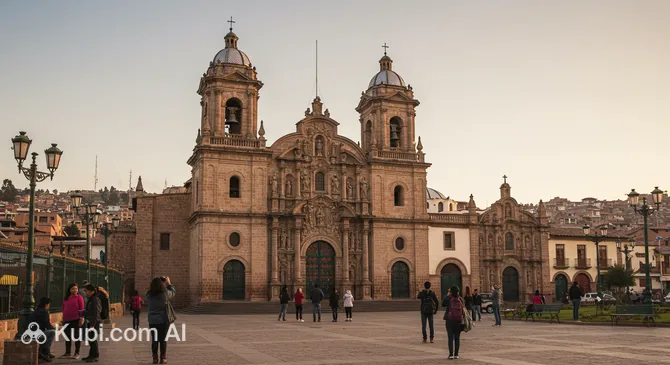
Basilica of San Francisco
Basilica of San Francisco. Иллюстрация. Источник: Kupi.com AI

Located on the central Plaza San Francisco, the church draws the eye with its monumental appearance. It is not just a museum or a religious site, but the living heart of the city, around which life is constantly buzzing, cultural events and fairs take place, creating the unique flavor of the Bolivian capital.

Contacts

If you need to clarify visit details or ask the church representatives a question, you can use the official contact information.

How to contactContact
AddressSagarnaga 173, La Paz, Bolivia
Phone+591 73050360

What to Do

When visiting the basilica, the first thing to do is spend time examining its facade in detail. Here, you can endlessly study the finest stone carvings, where snakes, birds, and tropical fruits—symbols important to the local indigenous culture—are hidden among saints and angels. It is one of the best places in South America to see the harmonious fusion of two worlds.

Inside the church, an atmosphere of solemn tranquility prevails. Be sure to visit the museum operating at the basilica, which houses collections of colonial art, religious relics, and offers a glimpse into the life of Franciscan monks. Sometimes, guests are given the opportunity to climb to the roof, which offers an impressive panorama of the tiled roofs and the dynamic city center.

After visiting the shrine, it's worth lingering on Plaza San Francisco itself. Concerts, street theater performances, and folk craft markets are often held here. It is an ideal spot to feel the spirit of La Paz by simply sitting on a bench and watching the rhythm of life of the local residents.

Getting There

Located in the very heart of the historical center on the square of the same name, San Francisco Basilica is one of the most accessible spots in the city. Getting here at Sagarnaga 173 is easy from any district.

The simplest way is to take a taxi or one of the many shuttle buses that pass through the center. For the driver, the landmark is always Plaza San Francisco. If you are staying in the central part of the city, a walk will allow you to better feel the local flavor and slowly immerse yourself in the atmosphere of the old town.

The lines of the famous cable car (Mi Teleférico), which connects different parts of the city, also pass near the church, although a short walk or a brief ride on ground transport will still be required from the nearest stations.

Ближайший город: La Paz

History & Facts

The history of this majestic structure began back in the mid-16th century. The first church on this site was founded by Franciscan monks in 1549. However, the harsh nature of the highlands made its own adjustments: the original building could not withstand anomalous snowfall and collapsed, leaving no chance for restoration.

Construction of the basilica we see today began only in 1743 and lasted for nearly three decades, finishing in 1772. The craftsmen of that time tried to make the building as resistant to the local climate as possible. The church's famous tower appeared even later—it was erected only in 1885, giving the church its complete look.

In the mid-20th century, the fate of the temple changed again. In 1948, it was granted the honorary status of a Minor Basilica. Although part of the monastery's outbuildings were demolished during urban modernization, the main building has retained its unique historical appearance, remaining a living witness to the colonial era.

Time Needed

For a standard visit, including an inspection of the facade and the interior of the San Francisco Basilica, tourists typically need about 1 to 2 hours. This is enough time to appreciate the fine work of the stone carvers and enjoy the silence inside the temple.

If you plan to visit the monastery museum or want to linger longer on the square to watch street performers and the vibrant crowd, it's worth scheduling about 2–3 hours. The basilica is an excellent place for a peaceful start to the day before further exploring the central quarters.

Working Hours

The basilica is open to visitors daily; however, the schedule varies depending on the day of the week. Please note that the primary time for visits is during the morning hours:

  • Monday – Saturday: from 6:30 AM to 11:30 AM.
  • Sunday: the church is open in two stages—from 6:30 AM to 1:00 PM and in the evening from 6:30 PM to 7:30 PM.

When planning your visit, take into account the times of church services, during which tourist sightseeing may be limited.

DayWorking hours
Понедельник6:30 – 11:30
Вторник6:30 – 11:30
Среда6:30 – 11:30
Четверг6:30 – 11:30
Пятница6:30 – 11:30
Суббота6:30 – 11:30
Воскресенье6:30 – 13:00, 6:30 – 19:30

Nearby

The area around Plaza San Francisco is literally steeped in history, and a walk through the surroundings will help you gain a deeper understanding of the rhythm of life in the Bolivian capital. Here, modern entertainment sits side-by-side with quiet streets where time seems to have stood still.

Below are some interesting places located within a few kilometers of the basilica:

NameDistance
San Francisco Square0.1 km
DT Brew House0.2 km
Coca Museum0.2 km
Oliva Restaurant0.2 km
Witches' Market0.2 km
National Museum of Ethnography and Folklore0.3 km
National Museum of Art0.3 km

Reached the end of the page?

That means the route is fully explored