Support

Natural History Museum "Alcide d'Orbigny"

About

Immerse yourself in the fascinating world of nature in the heart of Cochabamba. The Alcide d’Orbigny Natural History Museum is more than just an exhibition space; it is a vital scientific and educational center dedicated to the unique natural wealth of Bolivia. Here, under one roof, you will find evidence of the evolution of life in the Andes and the Amazon rainforests.
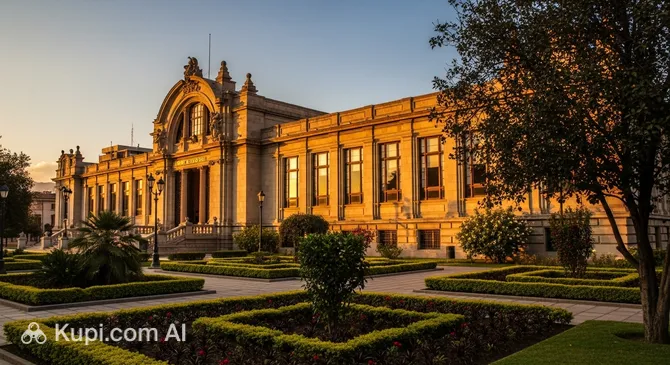
Alcide d
Alcide d'Orbigny Natural History Museum. Иллюстрация. Источник: Kupi.com AI

The museum is named after the famous French naturalist Alcide d’Orbigny, whose 19th-century expeditions introduced the world to numerous species of South American flora and fauna. Today, the museum's collections include impressive displays of fossils, minerals, herbaria, and taxidermy. The live inhabitants are of particular value: the museum houses specialized centers for the conservation of rare amphibian and reptile species.

Visitors appreciate this site for the opportunity to see rare exhibits illustrating the region's biodiversity. With a rating of 4.3 and many positive reviews, the museum is considered a must-visit for those who want to better understand South American nature and the contribution of scientists to its preservation. Informative displays and passionate staff make the visit engaging for both professional researchers and curious tourists.

Contacts

For information about special exhibitions or to book group tours, you can use the official communication channels. The museum maintains an up-to-date website featuring news about scientific discoveries and educational programs.

How to contactContact
AddressJRGW+CGV, Кочабамба, Боливия
Phone+591 4 4486969
Websitewww.museodorbigny.org

What to Do

Within the museum's halls, a grand chronicle of life unfolds before you: from ancient fossils and minerals that tell the story of the Andes' formation to extensive collections of taxidermy representing the modern inhabitants of the Bolivian jungle. You can examine the skeletons of prehistoric creatures in detail and learn how the region's ecosystem has changed over millions of years.

Special attention should be paid to the live exhibit. The museum gained worldwide fame through the story of Romeo the frog, who was long considered the last of his kind. Visitors can see rare amphibians and reptiles in terrariums and learn about modern conservation programs. This is a rare opportunity to see species on the brink of extinction, carefully protected by scientists.

For families with children, there are interactive zones where history literally comes to life. Young naturalists can try their hand at being paleontologists, studying the structure of ancient organisms. The museum regularly hosts temporary exhibitions and lectures, making every visit unique. Before you leave, stop by the souvenir area to pick up mementos featuring local fauna.

Getting There

The Natural History Museum is located in the central part of Cochabamba, making it easily accessible for most tourists. If you are arriving at Jorge Wilstermann International Airport (CBB), a taxi ride to the museum will take 20 to 30 minutes (a distance of about 10 km), costing approximately 50–100 bolivianos.

For those who prefer public transport, city minibuses (micros) and shared taxis passing through the city center are suitable options. From the main square, Plaza 14 de Septiembre, you can walk to the museum in 15–20 minutes while enjoying the local architecture, or reach it by taxi in just a few minutes.

If you have rented a car, parking spaces are available near the museum grounds. When planning your route, it is recommended to avoid weekday rush hours when traffic on central streets is heaviest. Nearby park areas and university buildings can serve as useful landmarks.

Ближайший город: Cochabamba

History & Facts

The institution was named in honor of the prominent French naturalist Alcide Désiré d'Orbigny. In the first half of the 19th century, he undertook a massive expedition across South America, collecting thousands of unique flora and fauna specimens. His scientific works became the foundation for the study of the geology and biology of the Andean region, and the museum itself was established to preserve this priceless heritage.

One of the most touching and world-famous episodes in the museum's modern history is the story of a frog named Romeo. This male of the species Hyla romeroi was considered the last representative of his kind and lived alone in a museum aquarium for about ten years. His story captured the attention of global media and environmental organizations, becoming a symbol of the fight to save endangered species.

A miracle occurred in 2019 when a team of researchers led by Teresa Camacho-Badani discovered a female of the same species in the wild during an expedition; she was named Juliet. The pair's reunion was a true victory for Bolivian science and offered hope for saving these rare amphibians from total extinction.

Today, the museum continues the tradition of its great namesake, acting not only as an exhibition space but also as an active research center. Work continues here on describing new species and conducting paleontological excavations, confirming Bolivia's status as a country of incredible natural richness.

Time Needed

To fully appreciate the richness of the collections and examine the details of the paleontological finds, a typical visitor will need about 1.5–2.5 hours. This is enough time to walk through all the thematic halls and observe the inhabitants of the terrariums.

For families traveling with children, the visit may last up to 3 hours. The interactive zones and live exhibits usually spark great interest in young explorers, requiring more time for detailed study. If you plan to join a guided tour, you should allow extra time to interact with the specialist.

Working Hours

The Natural History Museum welcomes visitors on weekdays. According to the current schedule, the doors are open from Monday to Friday, 09:00 AM to 12:00 PM. Please note that the museum is usually closed on Saturdays and Sundays.

Since opening hours may change due to public holidays or scientific events, we strongly recommend checking for up-to-date information on the official website or by phone before your visit. Operating hours are listed in local time (UTC-4).

DayWorking hours
понедельник09:00–12:00
вторник09:00–12:00
среда09:00–12:00
четверг09:00–12:00
пятница09:00–12:00
субботаЗакрыто
воскресеньеЗакрыто

Nearby

The museum's location in a lively part of the city allows tourists to easily complement their cultural itinerary with visits to other interesting spots. A stroll around the neighborhood will help you soak up the atmosphere of Cochabamba and find places to relax after exploring the exhibits.

NameDistance
Paseo Aranjuez Shopping and Business Center0.1 km
Palacio Portales0.1 km
Estacion Central0.2 km
Hypermall0.4 km
Fidel Anze Park0.4 km
Awra0.5 km
Muela del Diablo Bar0.6 km

Reached the end of the page?

That means the route is fully explored