Support

Freedom House

About

The House of Freedom (or Casa de la Libertad) is not just a building; it is a sacred place for every citizen of Bolivia. Located in the heart of historic Sucre, this majestic architectural monument serves as the primary guardian of national memory and the history of the struggle for sovereignty.
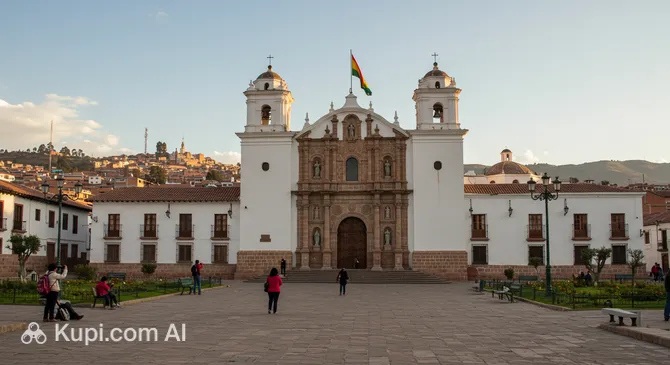
Casa de la Libertad
Casa de la Libertad. Иллюстрация. Источник: Kupi.com AI

Built as far back as 1630 by the Jesuit order, the House of Freedom is an elegant architectural ensemble that harmoniously combines elements of Baroque and Neoclassicism. Its austere stone facade and cozy courtyards transport visitors to the era of the colonial past, creating a unique atmosphere of being part of great historical events.

Today, it houses one of the region's most important historical museums. Its halls store priceless relics, including the original Declaration of Independence of 1825. The building is included in the UNESCO World Heritage list as part of the city's magnificent center, famous for its colonial architecture.

Contacts

To plan your visit and check for current information on special exhibitions or admission rules, you can use the official contact details of the museum administration.

How to contactContact
AddressPl. 25 de Mayo, Sucre, Bolivia
Phone+591 4 6454200
Websitewww.casadelalibertad.org.bo

What to Do

A visit to the House of Freedom offers a deep dive into the history of Latin American statehood. Your first stop should be a guided tour: local experts share passionate stories about the significance of each exhibit, bringing past centuries to life. The main highlight is undoubtedly the assembly hall where the fateful declaration was signed.

Be sure to visit the rooms dedicated to the heroes of the liberation movement and examine the personal belongings of Marshal Antonio José de Sucre. The museum's interiors deserve special attention: look up at the magnificent coffered wooden ceilings and ancient bookshelves, which have been preserved in excellent condition and create a solemn atmosphere.

For photography enthusiasts, the museum offers beautiful views: the play of light in the colonial courtyards and the strict geometry of the ancient halls allow for atmospheric shots. The museum is perfect both for a thoughtful solo study of history and for an educational outing with friends or family.

Getting There

Finding the House of Freedom is very easy—it is located on the city's main square, Plaza 25 de Mayo. This is the very heart of the historic district, so if you are staying in one of the central hotels, it is best to walk to the museum while enjoying the white colonial architecture of Sucre.

If you are coming from the airport (Juana Azurduy de Padilla), a taxi ride will take about 20–30 minutes. You can also use local microbuses that regularly run between the airport and the central part of the city. Taxis in Sucre are considered a quite affordable and convenient way to get around.

To navigate the narrow streets of the old city, it is convenient to use smartphone maps, though landmarks like the cathedral or the town hall located nearby will ensure you don't get lost. Almost any public transport route passing through the center will bring you within walking distance of this iconic site.

Ближайший город: Sucre

History & Facts

The history of this site began long before the proclamation of the republic. Originally, the building served as a chapel and a great hall for the Jesuit University of Saint Francis Xavier, founded back in 1630. It was within these walls that future revolutionary leaders studied law, absorbing the ideas of liberty that would later change the map of the continent.

August 6, 1825, became a turning point in the building's history: here, the First National Constituent Congress officially declared the independence of Upper Peru, giving birth to a new state — Bolivia. From that moment on, the mansion was rightfully named the House of Freedom, becoming the cradle of the Bolivian nation.

For most of the 19th century, until 1899, the Bolivian Congress met here regularly. Despite several restorations, the building has retained its original majestic appearance. Today, the site is under the care of the Cultural Foundation of the Central Bank of Bolivia, remaining the primary national monument and museum of independence.

Time Needed

To leisurely explore all the exhibitions, halls, and courtyards, it usually takes between 1 to 2 hours. This is sufficient time to listen to the main part of the tour and carefully examine the key historical documents.

If you are a history enthusiast who enjoys examining old maps, plans, and the personal belongings of historical figures in detail, your visit might last half a day. In any case, this place is well worth spending enough time to soak in the spirit of the era of independence.

Working Hours

The museum is open to visitors daily, though the operating hours differ between weekdays and weekends. From Monday to Friday, the doors of the House of Freedom are open from 8:30 AM to 4:30 PM.

On weekends, Saturday and Sunday, the museum operates on a reduced schedule: from 9:00 AM to 1:00 PM. It is recommended to plan your visit for the first half of the day to ensure you have enough time to see all the exhibits before closing.

DayWorking hours
Понедельник8:30 – 16:30
Вторник8:30 – 16:30
Среда8:30 – 16:30
Четверг8:30 – 16:30
Пятница8:30 – 16:30
Суббота9:00 – 13:00
Воскресенье9:00 – 13:00

Nearby

Its location in the heart of the historic center makes the House of Freedom an ideal starting point for a city walk. The area around the main square is literally packed with architectural monuments and museums that allow for a deeper feel of the "White City's" atmosphere.

Exploring nearby attractions will help you gain a full understanding of the cultural richness of this region. Below is a list of interesting places located within walking or driving distance of the museum.

NameDistance
25 de Mayo Main Square0.1 km
Museo del Tesoro0.1 km
La Taverne0.1 km
Church of San Felipe de Neri0.3 km
Nativa Restaurant0.5 km
Brewcraft0.6 km
Del Río Resto Bar0.7 km

Reached the end of the page?

That means the route is fully explored