Support

Anthropological Museum DDRH

About

Have you ever wondered how indigenous peoples lived in the heart of South America? The Anthropological Museum of the Federal University of Goiás is a unique space in the city of Goiânia where the history and material culture of the Central-Western region of Brazil come to life. As part of a major university, this institution combines scientific rigor with an engaging pedagogical approach, making anthropology accessible to everyone.
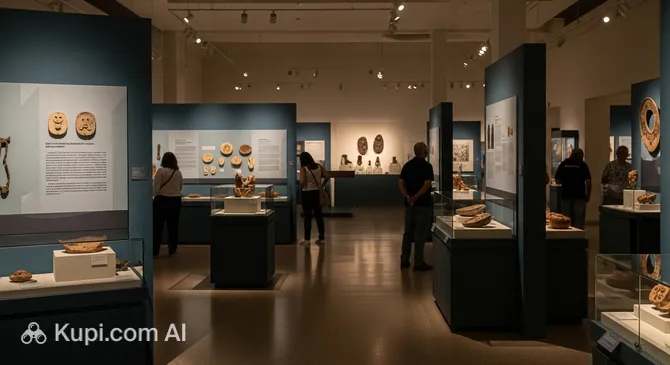
Anthropological Museum of the State University of Goiás
Anthropological Museum of the State University of Goiás. Иллюстрация. Источник: Kupi.com AI

The museum's main pride is its extensive ethnographic collections. Here, remarkable artifacts are gathered: from complex ceramics and skillfully woven items to arrowheads and ritual objects of indigenous tribes. One of the most impressive exhibits is the "Man from Rio das Almas" — human remains estimated to be about 7,500 years old, offering a glimpse into the region's incredibly distant past.

The museum doesn't just store antiquities; it engages in an active dialogue with visitors through the modern "Lavras e Louvores" exhibition. In the museum halls, you can see not only everyday objects but also feel the spirit of the Goiás nature by examining samples of local flora and unique installations, such as the soaring canoe of the Karajá people. It is a place where archaeology meets art, helping guests realize the multifaceted nature of regional identity.

Contacts

To find out the latest information about special events, temporary exhibitions, or to organize group tours, you can contact the museum administration directly. The staff is always ready to help visitors navigate the university's cultural program.

Below are the official contact details of the institution:

How to contactContact
AddressAv. Universitária, 1166 - Setor Leste Universitário, Goiânia - GO, 74605-010, Бразилия
Phone+55 62 3209-6010
Websitewww.museu.ufg.br

What to Do

Immersion in the museum's atmosphere begins with the permanent exhibition "Lavras e Louvores". In the "Lavras" (Workings) section, you will see how humans interacted with nature: tools, traditional ceramics, and magnificent woven goods are presented here. Special attention should be paid to the Karajá canoe — it is dramatically suspended by cables over a "river" of light, creating a sense of movement through time and space.

The "Louvores" (Praises) section offers a more philosophical experience. Be sure to step into the mirrored room, where photographs of Goiás residents — indigenous, mestizo, and white — are reflected infinitely. This technique invites every visitor to reflect on their place in the mosaic of society and how our shared identity is formed. Also, don't forget to visit the display case with the fossil remains of the "Man from Rio das Almas" to grasp the scale of human history in these lands.

The museum often becomes a platform for live creativity: it hosts interactive installations, photo exhibitions, audiovisual performances, and even musical events (such as rap concerts). Thanks to this dynamic approach, a visit turns into an exciting exploration where you can not only look at exhibits behind glass but also listen to music, watch documentaries, and participate in discussions about cultural heritage.

Getting There

The museum is conveniently located on the first campus of the Federal University of Goiás (UFG) in the Setor Leste Universitário district. This is a lively university area that is easy to reach from anywhere in Goiânia. If you prefer public transport, take one of the numerous bus routes passing through this sector; current line numbers can always be checked at city bus stops or via navigation apps.

For those who value comfort, the best option is a taxi or a ride-sharing service like Uber/99. The trip from Goiânia Airport will take approximately 20–30 minutes, depending on traffic. If you have rented a car, parking spaces for visitors are available on the campus grounds.

For precise navigation, we recommend using coordinates or simply entering the museum's name into a map search engine. You can use the university's academic buildings as landmarks, as the museum is a prominent part of the city's educational landscape.

Ближайший город: Goiania

History & Facts

The history of this scientific and cultural center began in June 1969. The initiative to create it came from professors of the Department of Anthropology and Sociology who had returned from an inspiring expedition to the Xingu Indigenous Park. The materials collected during this trip formed the basis of the very first ethnographic collection, serving as the foundation for the future museum.

The museum officially opened its doors to the public on September 5, 1970. Its creation was part of a broader wave of development for Brazilian ethnographic institutions seeking to document and preserve the unique heritage of the country's indigenous peoples. From the very beginning, the museum was positioned as a platform where anthropologists and archaeologists could not only study artifacts but also conduct active educational work, drawing attention to the regional identity of the state of Goiás.

In 2019, the Anthropological Museum of the Federal University of Goiás solemnly celebrated its 50th anniversary. Over half a century of operation, it has grown from a small collection of finds into a key research institution in the region. Today, distinguished curators continue to work here, creating projects that allow the modern generation to touch the ancient roots of Central Brazil.

Time Needed

To leisurely explore all the halls and delve into the details of the ethnographic exhibits, a typical tourist will need about 1.5–2 hours. This is quite enough time to get acquainted with the permanent exhibition, study the interactive elements, and view temporary exhibits that often change depending on the university's current research projects.

If you plan to participate in educational events, film screenings, or musical gatherings that are sometimes held within the museum, it's worth setting aside half a day for your visit. In any case, this place encourages thoughtful contemplation, so we do not recommend visiting in a rush.

Working Hours

The museum usually welcomes visitors from Tuesday to Friday. Opening hours are from 9:00 AM to 5:00 PM (some sources say until 6:00 PM). Mondays and weekends are typically closed, so plan your visit for a weekday.

A significant advantage is that admission to the museum is free. Nevertheless, we strongly recommend checking the official website or calling to confirm before your trip, as the schedule may change due to university holidays or public holidays.

DayWorking hours
понедельникЗакрыто
вторник09:00–17:00
среда09:00–17:00
четверг09:00–17:00
пятница09:00–17:00
субботаЗакрыто
воскресеньеЗакрыто

Nearby

Your exploration of the museum's cultural treasures can be complemented by a stroll through the surrounding neighborhood. The university district and its adjacent blocks offer various leisure options — from cozy parks to modern entertainment centers — making your day in the city even more fulfilling.

Below are some interesting locations situated nearby:

NameDistance
Metropolitan Cathedral of Goiânia (Our Lady Help of Christians)1.1 km
Pedro Ludovico Square1.4 km
Mutirama Park1.7 km
Pedro Ludovico Museum1.7 km
Cora Coralina Cultural Center1.9 km
Buritis Forest2 km
Goiânia Art Museum2.1 km

Reached the end of the page?

That means the route is fully explored