Support

Courtenay

About

Courtenay is a charming town nestled on the east coast of Vancouver Island, in a picturesque valley where the river meets the waters of the Pacific Ocean. This corner of the world, which Canada is rightfully proud of, is literally created for those seeking harmony between wilderness and modern comfort. The city's geographical location is unique: majestic mountains on the horizon, dense forests, and pristine waterfalls create a truly one-of-a-kind landscape.
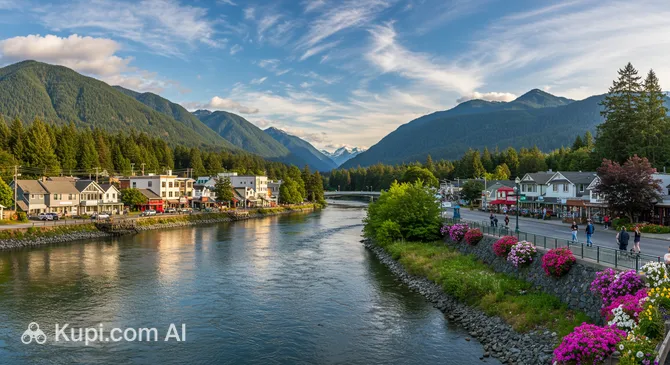
Courtenay. Illustration.
Source: Kupi.com AI

With a population of about 25,600 people, Courtenay maintains an intimate and relaxed atmosphere while offering guests a well-developed infrastructure. It is an important economic and tourist hub for the region, where life flows at a calm pace. Locals are known for their friendliness, environmental awareness, and genuine hospitality, making it easy to feel like part of a large community.

The city not only looks to the future but also honors its past. The unique history of Courtenay and its cultural heritage can be felt while walking the streets, visiting local art galleries, and participating in city events. Numerous cozy cafes and shops, where you can relax after a busy day, add a special charm to the place.

Courtenay is the perfect starting point for exploring the stunning landscapes of Vancouver Island. Outdoor enthusiasts will find entertainment for every taste: from hiking mountain trails and skiing to exciting kayaking trips. Come to Courtenay to be inspired by the beauty of nature and enjoy an unforgettable island getaway.
Weather Overview

The city's climate is characterized by the mildness typical of British Columbia's coastal regions. There are no extremes of heat or severe frosts, allowing you to plan a trip at almost any time of year. Summer is the most favorable period for tourism: in July and August, the average temperature is 18–19°C, with daytime highs reaching a comfortable 23°C and minimal precipitation (only 1–2 mm).

Winter months bring cool weather and high humidity. In December and January, the average temperature stays around 3°C, rarely dropping below zero, but rain is frequent—with up to 23 days of precipitation per month. To make your trip comfortable, detailed information about the weather in Courtenay will help you choose the right wardrobe and select the best days for walks.

Spring and autumn serve as smooth transitions between seasons. May already offers warmth with averages around 12°C, while September maintains a pleasant atmosphere with temperatures around 15°C. In general, expect a warm, predominantly dry summer and a cool, damp winter with frequent rain.

Average monthly temperature

Average monthly precipitation

Interesting Facts

Beyond its main attractions, Courtenay holds many fascinating secrets and features revealed only to inquisitive travelers. This Vancouver Island city knows how to surprise with its unexpected blend of ancient history and vibrant modern culture.

  • Capital of Ancient Reptiles. The city is a real magnet for paleontology enthusiasts. It was in the valley where Courtenay is located that the famous skeleton of an Elasmosaur was discovered—a marine reptile that lived here millions of years ago. Local legends say that lucky tourists can still find small fossils simply by walking along the riverbanks after a rainstorm.

  • The Island's Musical Heart. Courtenay has become one of the region's key cultural venues thanks to the annual Vancouver Island MusicFest. This event blurs the boundaries between genres: you can hear everything on one stage, from traditional folk and blues to exotic ethnic music, attracting artists from all over the globe.

  • Natural Theater. In the city's surroundings, for example, at Nymph Falls, a grand natural performance unfolds in the fall—the salmon run. Fish leaping through turbulent waters to continue their lineage is a spectacle that draws naturalists and photographers from far and wide.

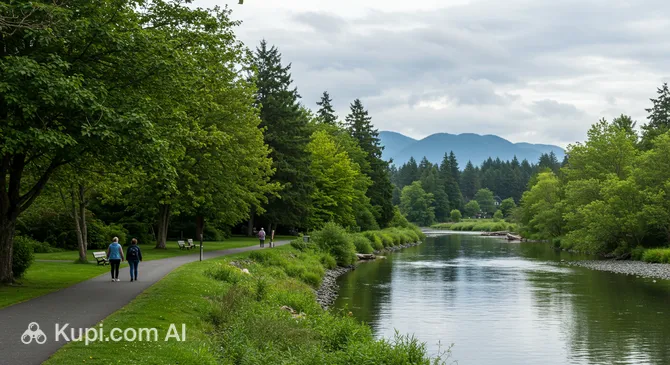
  • Urban Oasis. The picturesque Puntledge Park is a favorite spot for locals not just for its greenery, but for the opportunity to swim in the river right within the city limits. This place perfectly illustrates the local philosophy: nature should be an integral part of everyday life.

Puntledge Park. Illustration.
Source: Kupi.com AI

Traveler photos:

How to Get There

When planning a trip to Vancouver Island, it is important to think through the logistics in advance, as this region offers several routes of varying complexity. You can find out more about how to get to Courtenay and choose the most suitable option, whether it's a quick flight or a scenic trip with a ferry crossing.

For most tourists, air travel remains the most efficient way to reach the region. The nearest hub to the city is Comox Airport (YQQ). While there is no airport in Courtenay itself, this terminal is located in neighboring Comox, just 8.1 km from the center. It is a regional airport receiving regular flights, from which a taxi or bus ride takes very little time.

If you are flying from afar, your main point of arrival will likely be Vancouver International Airport (YVR). It is located on the mainland, approximately 142 km from Courtenay. This is a major aviation hub with massive passenger traffic. To get from there to your destination, you will need to use a ferry and ground transport, which can take about 4 hours in total.

It is also worth considering Nanaimo Airport (YCD), located about 107.5 km from Courtenay. This is a convenient alternative on the island, and the drive from there offers beautiful views and takes a few hours.

For clarity, here is a summary of the main airports in the region:

AirportPassenger trafficDistance
Comox Airport402 7578 km
Campbell River Airport50 63736 km
Powell River39 42239 km
Tofino Airport20 00088 km
Nanaimo Harbour120 00096 km

As for rail connections, the options are limited as island infrastructure has its own specifics. There is no active long-distance passenger station in the city of Courtenay itself. The nearest major hub is Vancouver Station (XEA), which is on the mainland at a distance of about 145 km.

Since the station is separated from the island by a strait, travelers need to account for the ferry crossing time. After the train arrives, you will need to transfer to a ferry to Vancouver Island, and then take a bus or car to Courtenay.

Below is information about the nearest major railway station:

StationPassenger trafficDistance
Vancouver Railway Station265 626145 km
Esbjerg Railway Station753 060159 km

Main Attractions

Courtenay's attractions are a harmonious blend of natural beauty and local urban culture. While the city doesn't strive to impress with the scale of a metropolis, its charm lies in authentic places where you can feel the true spirit of Vancouver Island. Here, park areas flow seamlessly into cozy streets lined with restaurants and pubs.

While Puntledge Park has already been mentioned as a popular vacation spot, its significance as a quiet haven for hiking is worth noting. Unlike bustling beaches, here you can enjoy solitude on forest trails, listening to the sound of the river and watching the play of light through the treetops. It is the perfect location to catch your breath before exploring the city's culinary scene.

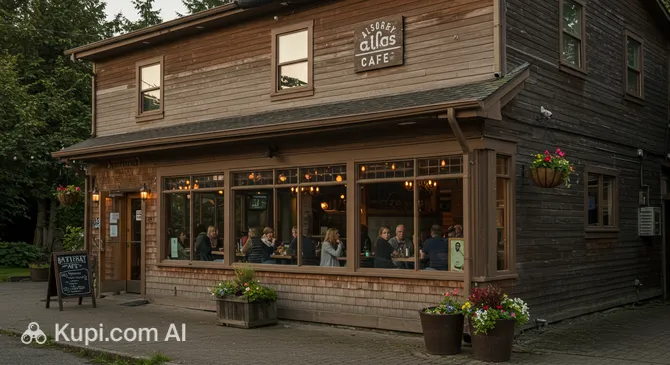
A true legend among local foodies is the Atlas Café. This establishment is famous for its global approach to cuisine while using the freshest local ingredients. The café's menu is a kind of journey through world flavors, from Asian motifs to Mediterranean classics. Its cozy interior and always-friendly staff make it an excellent spot for both a hearty breakfast and a relaxed dinner with friends.

Atlas Cafe. Illustration.
Source: Kupi.com AI

Traveler photos:

You can continue your exploration of local flavors at Gladstone Brewing. Located in a former 1950s garage, this brewery has become a magnet for craft beverage lovers. It boasts a laid-back atmosphere, and the open-air patio allows you to enjoy a glass of fresh ale while watching the city's steady pace of life.

Another colorful establishment worth visiting is the Whistle Stop Pub. The name, referencing a railroad theme, is no coincidence: the pub is steeped in the spirit of past travels. It is a classic spot with hearty food and a comfortable setting where every guest can experience traditional Canadian hospitality.

Local Cuisine

Courtenay's local cuisine is a reflection of the bounty of Vancouver Island's nature. Thanks to its unique location between a fertile valley and the ocean, the city is deservedly considered a foodie paradise. The foundation of the gastronomic scene is the "farm-to-table" concept, where seasonality and freshness of ingredients play the leading role.

The main treasure of the local menu is undoubtedly the gifts of the Pacific Ocean. In city restaurants, you should definitely order dishes made from wild salmon, crab, mussels, and the freshest oysters. Smoked salmon holds a special place, prepared here according to traditional recipes and often served with homemade bread and aromatic herbs. Those who prefer more casual food will enjoy the popular seafood sandwiches and fish tacos found at street stalls and cozy cafes alike.

The food culture in Courtenay is closely linked to supporting local producers. Farmers' markets are not just places of trade but real centers of attraction where you can taste unique apple varieties, craft cheeses, and fresh honey. If you want to see how chefs turn these products into culinary masterpieces, look at the menus of establishments like the Atlas Café, where the emphasis is precisely on local gifts of the land and sea.

Drinks are an integral part of the gastronomic experience. The region is famous for its craft beverages brewed with soul. Local breweries and cideries experiment with recipes, adding seasonal fruits and berries to their drinks. A great example of this culture is Gladstone Brewing, where you can sample exclusive beer varieties in a relaxed atmosphere.

Gladstone Brewing. Illustration.
Source: Kupi.com AI

Traveler photos:

Finish your meal with a cup of freshly roasted coffee, which has a strong following here, and a dessert with maple syrup. Whether it's dinner at a restaurant, a quick snack at a fair, or an evening in a pub, Courtenay's cuisine will treat you to vibrant and natural flavors that are impossible to forget.

Travel Tips

Preparing for your trip to Courtenay is the key to ensuring your Vancouver Island vacation goes smoothly and worry-free. We have gathered the most important recommendations to help you quickly adapt to the local pace of life and avoid common mistakes.

  1. Clothing and Gear. Coastal weather is changeable, so dress in layers. Even in summer, evenings can be cool, so a light windbreaker is a must. If you are planning a trip from October to May, bring a high-quality raincoat and waterproof footwear—rain is a frequent guest here. For electrical devices, you will need an adapter for type A or B sockets (the American standard with two flat pins).

  2. Transport. The city center is compact and pleasant to explore on foot, but for trips to nature parks and waterfalls, it's best to rent a car. Public transport (BC Transit buses) runs on a schedule, but the route network doesn't cover all hiking trails. Ride-sharing apps like Uber are available in the region, but waiting for a car can take time, especially in remote areas.

  3. Finance. The official currency is the Canadian Dollar (CAD). Bank cards (Visa, Mastercard) are accepted almost everywhere, including small coffee shops and souvenir stores. However, having some cash (5–20 dollar bills) is useful for visiting farmers' markets. Tipping is part of the culture: in restaurants and taxis, it is customary to leave 15–20% of the bill total.

  4. Health and Safety. Courtenay is a quiet and safe city, but when heading into nature, remember wildlife. Bears and cougars live in the island's forests; be sure to study the rules for encounters with them and never leave food at campsites. The emergency number is 911. Pharmacies, such as Shoppers Drug Mart, stay open late and offer a wide range of over-the-counter medications.

  5. Communication. The primary language is English. Locals are very friendly and always ready to give directions. Free Wi-Fi is available in most cafes, hotels, and the public library. For reliable connection in nature, we recommend buying a local SIM card (Telus, Rogers, or Bell) or using a travel e-SIM to avoid expensive roaming charges.

  6. Local Etiquette. Politeness is a Canadian trademark. It is customary to greet bus drivers when boarding, hold doors for those behind you, and say "sorry" frequently, even if you haven't bumped into anyone. Also, in British Columbia, there is great respect for Indigenous culture—show reverence toward totem poles and memorial sites.

  7. What to Avoid. Littering is strictly forbidden, especially on nature trails and beaches—it is strongly disapproved of by locals and punishable by fines. You should also avoid smoking in public parks and on beaches; Canada has strict laws restricting smoking in public places.

  8. Local Tip. Be sure to visit the Comox Valley Farmers’ Market, which runs year-round on weekends. It's not just a place for shopping, but a social hub where you can try the best local cheeses and pastries and chat with farmers in an informal setting.

By following these simple tips, you can feel right at home in Courtenay and focus on the main thing—enjoying the incredible nature and hospitality of this cozy Canadian town. We wish you an exciting and comfortable journey!

Entertainment & Nightlife

Entertainment and Nightlife:

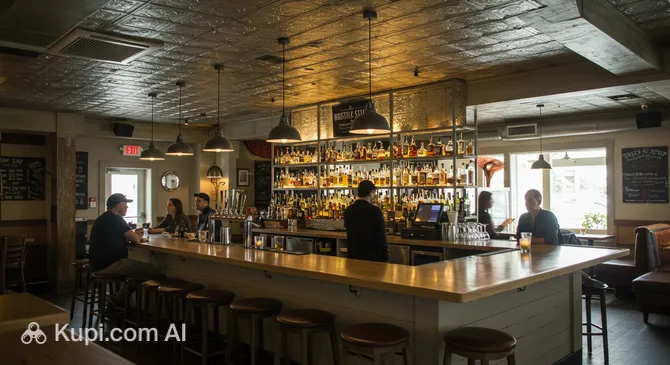
Nightlife in Courtenay, like in many small towns on Vancouver Island, is devoid of the pretentiousness and hustle of big cities. You won't find massive night clubs with lasers and strict face control here. Instead, the city offers a cozy, "warm" atmosphere where evenings are spent over a glass of local craft beer, live music, and heartfelt conversations. The main action is centered in the downtown area, especially around 5th Street, where historic buildings sit alongside modern bars and restaurants.

The evening leisure culture here is closely tied to pubs and lounge areas. One of the most characterful places is the Whistle Stop Pub. This venue offers a classic bar atmosphere where locals often gather to watch sports broadcasts or play a game of pool. The "old school" style interior and wide selection of drinks make it an excellent spot to immerse yourself in the non-touristy life of the city.

Whistle Stop Neighbourhood Pub. Illustration.
Source: Kupi.com AI

Traveler photos:

If you prefer a more gastronomic approach to your evening, it’s worth stopping by the Atlas Café. While it’s a popular lunch spot during the day, at night the lights turn low and the atmosphere becomes more intimate. It’s an ideal location to try signature cocktails and enjoy dinner in a relaxed setting. Another center of evening attraction remains Gladstone Brewing: their outdoor patio is vibrant until late evening, especially during the warmer months when local musicians often perform.

Practical Tips and Vibe:

  • Dress Code: Extremely casual. Casual style (jeans, fleece jackets, comfortable shoes) is appropriate even in the nicer establishments.
  • Opening Hours: Be prepared for the nightlife here to end earlier than in Vancouver. Most bars close around midnight or 1:00 AM, and restaurant kitchens may stop serving as early as 9:00 PM – 10:00 PM.
  • Safety: Courtenay is a safe city, and walking downtown after dark is generally safe. However, the streets can be deserted, so it’s better to call a taxi to return to your hotel. Popular services include Comox Taxi or Joe’s Taxi; ride-sharing apps do not operate as reliably here as in larger centers.

While the nightlife is quiet, the city and its surroundings offer plenty of daytime activities. After a lively evening, travelers often head to nature to recharge. For example, the picturesque Puntledge Park is perfect for leisurely walks along the river. Culture lovers should visit the local paleontological museum or stop by the Comox Valley Art Gallery to discover the works of contemporary Canadian artists.

Parks & Museums

Courtenay offers travelers a harmonious balance between outdoor activities and immersion in the region's rich cultural heritage. The city's green spaces are not just manicured squares but real natural oases where you can encounter wildlife, and local museums house unique artifacts dating back millions of years.

One of the most picturesque places for a walk is the Courtenay Airpark Walkway. This unique pedestrian trail circles an active airstrip for small aircraft and runs along the river estuary. Tourists are attracted by the opportunity to simultaneously watch small planes take off and admire herons, seals, and other inhabitants of the coastal zone. The route is fully paved, making it convenient for cyclists and families with strollers.

For those seeking shade on a summer day, Puntledge Park is an ideal choice. This vast green area is famous for its forest trails winding through ancient trees and its popular river swimming spots. Here, nature feels especially close: the sound of water and birdsong create an atmosphere of complete seclusion despite the proximity to the city center.

The city's main cultural treasure is the Courtenay and District Museum. This place is a must-visit, as it houses the famous skeleton of an Elasmosaur—an 80-million-year-old marine reptile found in the local valley. The museum offers fascinating exhibits on the region's natural history and the lives of the first settlers, and also organizes fossil-hunting tours for everyone interested.

Visual art enthusiasts should visit the Comox Valley Art Gallery. Located in the heart of the city, it serves as the main venue for contemporary art in the region. The gallery frequently hosts exhibitions dedicated to Indigenous culture and the work of local artists, as well as film screenings and creative meetings that reflect the spirit of the community.

Among historical buildings, the Native Sons Hall attracts special attention. Built in 1928, it is considered the largest log building in Canada with a clear-span roof. This majestic structure serves as a living reminder of the peak of the logging industry and is still used today as a community event center.

Insider tip: If you want to take a piece of local culture home with you, stop by the I-Hos Gallery located nearby. Managed by the K’ómoks First Nation, it offers authentic Indigenous artwork, from traditional cedar masks to exquisite silver jewelry, each with its own meaning and story.

Getting Around

The public transport system in Courtenay is quite compact and easy to use, perfectly matching the measured pace of life in this region. You won't find subways, trams, or trolleybuses here. The only form of municipal transport is the bus, operating within the unified Comox Valley Transit System. This network connects Courtenay with neighboring communities like Comox and Cumberland, and provides access to key points such as the Little River ferry terminal and local shopping centers.

Several convenient payment options are available to travelers. The most modern method is the Umo system. You can download the Umo Mobility app or purchase a reloadable card from local retailers. This allows for contactless payment and often costs less due to automatic "best fare" calculation (for example, if you make many trips in a single day). Traditional cash payment upon entering the bus is also possible, but remember an important rule: drivers do not give change, so you must have the exact amount (in coins) ready.

The cost of a single trip is quite affordable, at around $2. If you plan to travel around the city extensively during the day, it's more economical to buy a DayPASS. When paying with cash, ask the driver for it immediately upon boarding; in the app, it activates automatically after reaching a certain daily limit. Children under 12 can use the buses for free, making this transport option great for the family budget.

Tourists should keep several important nuances in mind. Buses run strictly according to the schedule, but intervals can be significant, especially in the evening, on weekends, and on holidays. It is recommended to check routes in advance via Google Maps or the official BC Transit website. Additionally, many routes stop running quite early, so it's best to have a backup plan for late returns to your hotel.

As an alternative to public transport, taxi services are popular in Courtenay (such as Comox Taxi or Joe’s Taxi). This is the most reliable way to reach your destination at night or if you are carrying heavy luggage. Global ride-sharing services and taxi aggregators are not well-developed here or may be unavailable, so it is better to rely on local carriers, whose numbers are easily found online or at hotel receptions.

For fans of an active lifestyle, the city offers excellent conditions for cycling. Courtenay has a network of bike lanes and scenic routes, so renting a bicycle is a wonderful way to explore the surroundings at your own pace. However, for trips to remote natural attractions, waterfalls, or the mountains, car rental remains the most convenient option, as the bus network only covers the main urban zones.

Accommodation

The choice of accommodation in Courtenay reflects the calm and welcoming character of this Vancouver Island city. You won't find massive hotel complexes or ultra-luxury resorts from global chains here. Instead, travelers are offered a wide range of cozy options: from classic motels and reliable mid-range hotels to charming Bed & Breakfasts and vacation rentals.

When choosing a place to stay, you should be guided by your plans. Downtown Courtenay and the 5th Street area are excellent choices for those who want to be within walking distance of cultural life, shops, and dining spots. If you are traveling by car, look at hotels located along Old Island Highway and the Courtenay River. These options often offer convenient parking and picturesque water views while staying close to main transportation routes.

Booking Tip: Courtenay is a popular base not only for summer vacations but also for winter sports, as it is just a 30-minute drive from the Mount Washington Alpine Resort. Because of this, demand for accommodation is high twice a year: in July–August and during the ski season (December–February). It is highly recommended to book rooms in advance, at least 1–2 months before your trip, to get the best prices and selection.

In general, the price range in the city can be described as moderate (mid-level), although costs can rise significantly during peak dates. To find accommodation, it is most convenient to use popular international online booking platforms; however, many small local motels and B&Bs also accept direct bookings through their websites or by phone, which can sometimes lead to better deals.

Nearby Cities

For those looking to explore the surrounding area, Courtenay serves as an excellent starting point for day trips to several interesting nearby locations:

Just a few dozen kilometers to the north lies Campbell River, often called the "Salmon Capital of the World." This destination is ideal for lovers of outdoor activities. Here you can go sea fishing, watch whales in the strait, or visit the impressive Elk Falls Provincial Park with its famous suspension bridge and powerful waterfall.

Heading south along the scenic highway, you will reach the city of Nanaimo. This is a major port center where urban life blends harmoniously with history. Stroll along the beautiful Harbourfront Walkway, visit the historical Bastion, and be sure to try the legendary Canadian "Nanaimo bar" dessert in its birthplace. The city also serves as a gateway for ferries connecting the island to the mainland.

If you drive a little further south, you can visit Duncan, known as the "City of Totems." This is a unique place to learn about Indigenous culture, with over 40 masterfully carved totem poles located throughout the city. Additionally, the area around Duncan is famous for its wineries, where you can sample local wines from the Cowichan Valley.

CityPopulationDistance
Comox14 8285 km
Blubber Bay29 km
Desolation Sound36 km
Gillies Bay36 km
Powell River13 16538 km

These nearby destinations provide a glimpse into the diverse culture and landscapes of the region, from dense forests and waterfalls to historic centers and gastronomic discoveries.

Shopping & Souvenirs

Shopping in Courtenay is a pleasant blend of small-town coziness and urban variety. You won't find endless rows of luxury boutiques typical of big cities, but the town more than makes up for it with unique local shops, art galleries, and craft stalls. Courtenay serves as a commercial hub for the entire Comox Valley, so the range of goods is quite wide: from practical outdoor gear to exclusive works of art by local masters.

The heart of the city's shopping life is Downtown Courtenay, specifically the 5th Street area. This is a picturesque pedestrian zone where historic buildings are occupied by fashion boutiques, home decor stores, bookstores, and toy shops. Walking here is an aesthetic pleasure: the storefronts are lovingly decorated, and shop owners often greet customers themselves. If you get tired of shopping, this area is perfect for a gastronomic break—for instance, you can stop by the nearby Atlas Café to relax in a cozy atmosphere.

For those seeking familiar brands and large chain stores, the main attraction is Driftwood Mall. This is a classic indoor shopping center where you can find everything you need: from supermarkets and pharmacies to electronics and mass-market clothing stores. It's a convenient place to restock provisions or buy gear if you forgot something at home before heading into the mountains.

Markets hold a special place in the city's consumer culture. The Comox Valley Farmers’ Market is a true legend of the region. It operates year-round (outdoors in summer, indoors in winter) and offers not only the freshest produce but also products from local artisans. Here you can buy natural soap, handmade jewelry, knitted items, and homemade preserves that make excellent gifts.

As souvenirs from Courtenay, it's worth bringing back something authentic. Look for Indigenous art: carved masks, silver jewelry, or the famous Cowichan sweaters. Gastronomic souvenirs are also popular: smoked wild salmon, local honey, craft chocolate, or coffee beans from local roasters. A great idea would be to buy a bottle of a local beverage, inspired by visits to places like Gladstone Brewing.

Opening hours for downtown shops are usually limited to the interval from 9:30 or 10:00 AM to 5:30 PM. Large shopping centers and supermarkets stay open longer, often until 9:00 PM, especially on Thursdays and Fridays. On Sundays and holidays, many small shops may be closed or have reduced hours. Credit and debit cards (Visa, Mastercard) are accepted everywhere; cash will only be needed for small market stalls.

It is important to remember the tax system. In Canada, sales tax (GST and PST) is usually not included in the price shown on the tag and is added to the total at the checkout (in British Columbia, this totals 12%). There is currently no special Tax Free return system for tourists on regular purchases in Canada, so you should account for this surcharge when planning your budget.

Reached the end of the page?

That means the route is fully explored