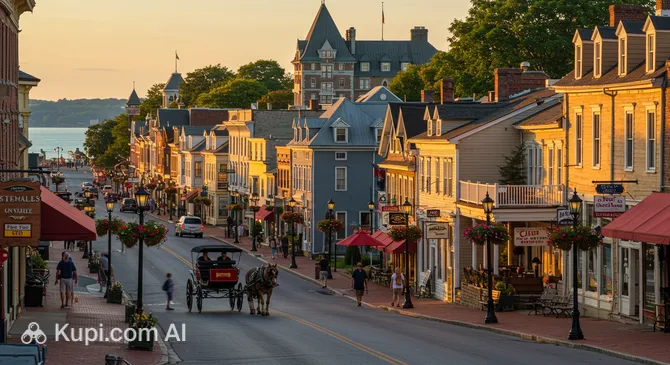
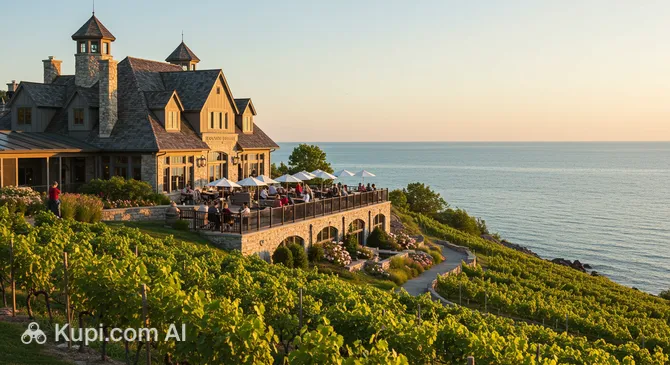
Niagara-on-the-Lake is a charming historical town often called "the prettiest town in Canada." It draws travelers with its unique 19th-century atmosphere, well-kept streets, and the sense of tranquility that reigns here.
The town is located in the province of Ontario, where the Niagara River meets Lake Ontario. Thanks to its southern location, Niagara-on-the-Lake enjoys a relatively mild climate, perfect for viticulture, which has made it the heart of a famous wine region. The town has a population of about 17,500 residents, giving it a cozy and intimate feel.
Niagara-on-the-Lake. Illustration.
Source: Kupi.com AI
Niagara-on-the-Lake is famous not only for its beauty but also for its cultural events. It hosts the renowned Shaw Festival, attracting art lovers from all over the world. Be sure to stroll through the historic town center, admire the beautifully preserved Victorian-era buildings, and browse the numerous boutiques and art galleries. Don't miss the chance to visit local wineries to taste famous Canadian wines, including the world-renowned icewine, and learn more about the region's history at the Fort George National Historic Site.
A visit to Niagara-on-the-Lake is like a journey back in time, full of charm, exquisite flavors, and cultural discoveries. This town will not leave any tourist indifferent who is looking for beauty, history, and peace.
The weather in Niagara-on-the-Lake is characterized by distinct seasons. Summer, especially in July and August, is warm here, with average temperatures around 22-23°C, while maximums can reach 25°C. During these months, there is about 3 mm of precipitation, and there are approximately 11 rainy days. Winters, by contrast, are cold: in January, the average temperature is about -1.6°C, with possible drops to -3.9°C. The winter months also bring about 3 mm of precipitation, but the number of days with precipitation is slightly higher—up to 14 days. Spring and autumn are transitional periods with moderate temperatures and changeable weather. Overall, expect warm summers with occasional rain and cold winters with precipitation. To learn more details, visit the Niagara-on-the-Lake Climate page.
Average monthly temperature
Average monthly precipitation
Interesting Facts
In addition to its world-famous wineries and the Shaw Festival, Niagara-on-the-Lake holds many surprising stories and little-known details that make it even more alluring. Ready to discover some secrets of this charming town?
Queen's Royal Park. Illustration.
Source: Kupi.com AI
Traveler photos:
First Capital of Upper Canada: Few know that from 1792 to 1796, Niagara-on-the-Lake, then known as Newark, was the first capital of the province of Upper Canada. It was here that the foundations of future Ontario were laid.
The Ghost Capital of Canada? The town is often called one of the most "haunted" places in Canada. Old buildings and historical corners, including the scenic Queen's Royal Park, are rumored to hold many secrets and stories of supernatural encounters.
Home of Icewine: Although many wineries in the region produce excellent icewine, Inniskillin Winery is considered one of the pioneers that gained international recognition for this unique Canadian dessert beverage.
The Smallest Chapel: On the outskirts of town lies The Living Water Wayside Chapel, considered one of the smallest active chapels in the world. It is so tiny that it only fits a few people at a time!
How to Get There
Niagara-on-the-Lake is a popular tourist destination that can be reached in various ways, although there are no major transport hubs within the town itself. Travelers usually have to combine a flight or train trip with a transfer by bus or car. You can find all the ways to get to the city and plan your route in more detail on our dedicated page.
Since there is no airport in Niagara-on-the-Lake itself, most tourists fly into major air hubs in neighboring cities. The most popular option is Toronto Pearson International Airport (YYZ) in the city of Toronto. It is located about 65 km from Niagara-on-the-Lake. This is the region's largest airport, handling flights from all over the world. The journey from there by taxi or rental car takes about 2 hours.
Another convenient option, especially for travelers from the USA, is Buffalo Niagara International Airport (BUF), located in the city of Cheektowaga. It is closer, only 45 km from Niagara-on-the-Lake, but requires a border crossing. Travel time by car is approximately 1.5 hours. For domestic or regional flights, you can also consider Billy Bishop Toronto City Airport (YTZ), located in downtown Toronto, about 50 km from the destination.
For convenience, here is a summary of the main airports:
If you prefer rail travel, keep in mind that there is no train station in Niagara-on-the-Lake itself. The nearest major hub is Toronto Downtown Station (often called Union Station) in the city of Toronto. It is located approximately 51.5 km from Niagara-on-the-Lake. From there, you can reach the town by taxi or bus in about 1 hour and 40 minutes. During the summer season, special GO Trains often run from this station to the neighboring city of Niagara Falls, from where Niagara-on-the-Lake can be quickly reached by local transport.
Below is information about the nearest railway stations:
Niagara-on-the-Lake offers its guests many interesting places, from scenic parks to world-famous wineries. This charming town is rich in history and culture, and here are just some of the attractions that will make your trip unforgettable:
Queen's Royal Park
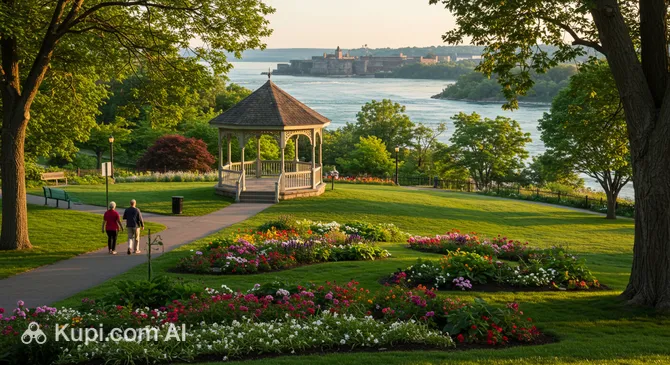
This beautiful park, located on the shores of Lake Ontario where the Niagara River flows in, is one of the oldest and most scenic in the town. Queen's Royal Park offers magnificent views of the water and historical Fort Niagara on the American side. It is the ideal place for leisurely strolls, picnics, and watching sunsets. Town events are often held here, and its manicured lawns, flower beds, and ancient trees create an atmosphere of peace and beauty. The park also features the famous gazebo-rotunda, a popular spot for photos.
Inniskillin Winery
As one of Canada's most famous and award-winning wineries, Inniskillin Winery played a key role in establishing the Niagara region as a world-class winemaking hub. It is particularly famous for its icewine, which has received numerous international awards. Visitors can take a fascinating tour of the vineyards and production facilities, learn the secrets of creating unique wines, and, of course, taste their exquisite products. This is an iconic site that wine connoisseurs and those wishing to touch the history of Canadian winemaking must visit.
Inniskillin Winery. Illustration.
Source: Kupi.com AI
Traveler photos:
Fort Niagara Park
Located on Canadian soil, this park immerses visitors in the region's rich military past. While the famous historical Fort Niagara is on the American side of the river, Fort Niagara Park on the Canadian side likely offers its own unique historical artifacts or serves as a magnificent vantage point with views of the river and the American fort. This place will be of interest to history buffs and those who want to better understand the strategic importance of this region in past centuries, as well as enjoy the picturesque scenery.
Fort Niagara State Park. Illustration.
Source: Kupi.com AI
Traveler photos:
Trius Winery & Restaurant
Another landmark winery in the Niagara region, Trius Winery, is renowned for its high-quality wines and excellent, award-winning restaurant. The winery offers a wide range of wines, including famous sparkling varieties, as well as various tours and tastings that allow guests to immerse themselves in the world of winemaking. Here, you can not only learn about the winemaking process from vine to glass but also enjoy fine dining at the restaurant, where dishes are masterfully paired with local wines. A visit to this winery promises gastronomic discoveries and pleasant experiences.
Trius Winery & Restaurant. Illustration.
Source: Kupi.com AI
Traveler photos:
These and many other attractions make Niagara-on-the-Lake a truly unique holiday destination, combining historical heritage, natural beauty, and wine culture.
Local Cuisine
The gastronomic scene of Niagara-on-the-Lake is a true reflection of the region's fertile lands and its status as the heart of winemaking in Canada. A "farm-to-table" philosophy prevails here, so you will always find dishes made from the freshest seasonal products grown literally next door on local restaurant menus. The town offers an amazing variety of flavors, from refined delicacies to cozy home-cooked meals, all in a unique atmosphere of historical charm.
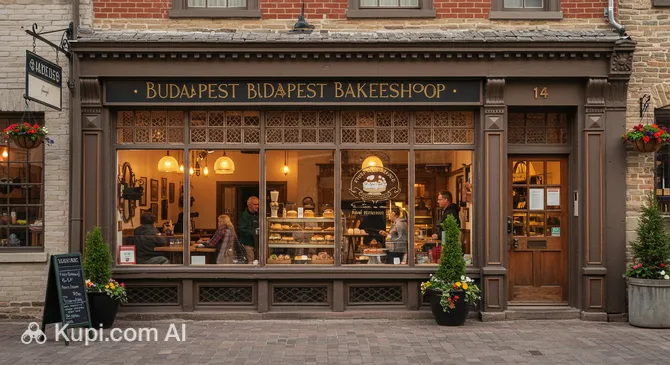
Be sure to try dishes featuring the famous Niagara peaches and other seasonal fruits and vegetables—they are used in salads, main courses, desserts, and, of course, in pastries. One of the town's unique gastronomic finds is the Budapest Bakeshop, where you can enjoy freshly baked chimney cakes (kürtőskalács)—a traditional Hungarian pastry. It is also worth looking out for local artisanal cheeses, which perfectly complement wine tastings, and fresh fish dishes caught in Lake Ontario.
Budapest Bakeshop. Illustration.
Source: Kupi.com AI
Traveler photos:
Speaking of drinks, it is impossible not to mention the world-famous icewine—a sweet dessert wine that is the region's signature. In addition, Niagara-on-the-Lake wineries, such as Pillitteri Estates Winery or Caroline Cellars, offer a wide selection of high-quality VQA wines—from elegant whites and rich reds to sparkling varieties. Beer lovers will also find local craft breweries here. Among non-alcoholic drinks, fresh-pressed juices and ciders made from local fruits are popular.
The food culture in Niagara-on-the-Lake is diverse and caters to both locals and tourists. You can choose to dine at one of the elegant winery restaurants, where fine dining dishes are perfectly paired with local wines. The historic town center is home to many charming cafes, bistros, and pubs, such as Sandtrap Pub & Grill, offering a more informal setting and hearty meals. In summer, outdoor terraces and patios are especially popular, allowing you to enjoy food and drinks in the fresh air while admiring the town's beauty. Don't forget to stop by the farmers' markets if they are open during your visit to buy fresh produce and local delicacies.
Travel Tips
Planning a trip to charming Niagara-on-the-Lake? Wonderful! To ensure your journey goes smoothly and leaves only pleasant impressions, we have prepared some practical tips. They will help you better navigate this beautiful corner of Canada.
Clothing and Essentials: What to Pack
The climate in Niagara-on-the-Lake has four distinct seasons. In summer (June–August), it is warm and sunny, so bring light clothing, shorts, T-shirts, and definitely sunscreen and a hat. Spring and autumn are changeable—layered clothing, a light jacket or sweater, and an umbrella will come in handy. In winter (December–February), it is quite cold with possible snowfall, so a warm jacket, hat, gloves, and waterproof shoes are essential. A key element of your wardrobe at any time of year is comfortable shoes, as you will be doing a lot of walking in the historic center and potentially at wineries. Don't forget an adapter for electrical appliances (Canada uses Type A and B sockets).
Transport: Getting Around Town
The historic center of Niagara-on-the-Lake is quite compact and best explored on foot. For visiting the numerous wineries in the surrounding area or taking trips to neighboring Niagara Falls, renting a car is most convenient. Taxis and services like Uber/Lyft are also available. Public transport within the town itself is limited, but there are regional buses connecting it with other settlements. Bike rentals are popular in summer—a great way to enjoy the scenery of the wine region. Note that parking in the town center, especially during high season, can be paid and limited.
Finances: Currency, Cards, and Tipping
The local currency is the Canadian Dollar (CAD). You can exchange money at banks or exchange offices (more common in Niagara Falls or larger cities). Credit and debit cards (Visa, MasterCard) are accepted almost everywhere; American Express is less common. ATMs are easy to find. An approximate daily budget can vary, but keep in mind that Niagara-on-the-Lake is a popular tourist destination, and prices for accommodation and meals can be above average, especially in fine-dining restaurants and during the Shaw Festival. In Canada, tipping is customary: 15–20% of the bill in restaurants, $1–2 per drink for bartenders, and 10–15% for taxi drivers.
Health and Safety: Be Prepared
Niagara-on-the-Lake is a very safe and peaceful town. Nevertheless, standard precautions don't hurt: keep an eye on your belongings and don't leave valuables unattended. There are pharmacies in town, but 24-hour ones may only be in larger neighboring cities like St. Catharines or Niagara Falls. If you need medical assistance, tourists should go to walk-in clinics or hospitals in those same cities. Having travel medical insurance is highly recommended.
Communication: Language and Connectivity
The official languages of Canada are English and French, but in the province of Ontario, and Niagara-on-the-Lake specifically, the primary language of communication is English. You will have no trouble communicating with locals. Wi-Fi is available in most hotels, cafes, and restaurants. If you need a local SIM card, you can purchase one at the airport upon arrival or at mobile stores in major cities. Useful apps include maps (like Google Maps) and potentially the Shaw Festival app if you plan to attend.
Local Etiquette: How to Behave
Canadians are generally very polite, friendly, and hospitable. It is customary to say "hello" or "hi," and use "please" and "thank you." In public places, respect the queue (if there is one) and try not to be excessively noisy. Smoking is prohibited in public buildings and many outdoor areas. In restaurants and cafes, it is customary to wait for a host to seat you at a table.
What to Avoid: A Couple of Important Points
Try not to compare Canada to the USA in a derogatory way—Canadians are proud of their identity. Also, despite the proximity to the American border, don't assume that rules and customs here are identical to American ones. And, of course, don't litter—help preserve the beauty of this charming town.
Extra Tip: Book in Advance
Niagara-on-the-Lake is a popular destination, especially in the summer months and during the Shaw Festival. If you plan a trip during this period, it is strongly recommended to book accommodation, theater tickets, and tables at popular restaurants in advance. This will help avoid disappointment and make your stay more comfortable.
We hope these tips help you plan an unforgettable trip to Niagara-on-the-Lake and enjoy its unique charm, history, and hospitality!
Entertainment & Nightlife
In the evening, Niagara-on-the-Lake offers its guests an atmosphere of refined relaxation rather than loud parties until dawn. Nightlife here is centered around cozy pubs, elegant wine bars, and restaurants serving gourmet dishes and local wines. Instead of noisy nightclubs, you will find venues with live music that encourage pleasant conversation and drink tastings.
The main hub for evening entertainment is the historic Queen Street. As the sun sets, it transforms; shop windows and restaurants light up, creating a magical atmosphere. the crowd here is usually sophisticated, appreciating quality leisure. Many establishments stay open until late evening, especially during the tourist season and on weekends. There is usually no specific dress code, but smart casual style is appropriate in most places.
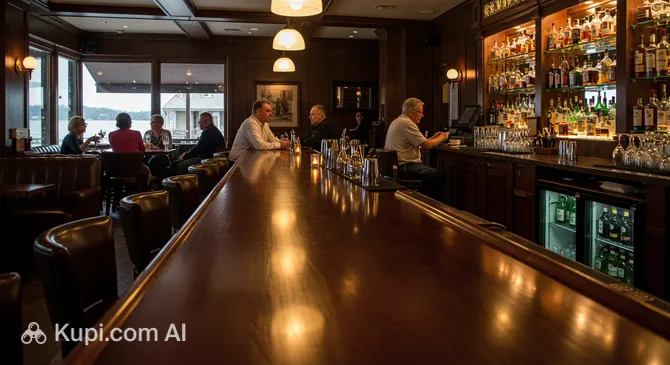
Among the venues where you can spend a pleasant evening, Sandtrap Pub & Grill is worth noting, offering a classic pub atmosphere and a good selection of drinks. Another interesting spot is the Aura on the Lake bar, where you can enjoy cocktails in a stylish setting. While there are no large nightclubs in town, some restaurants and bars host music nights or performances by local artists.
Sandtrap Pub & Grill. Illustration.
Source: Kupi.com AI
Traveler photos:
When planning an evening out, it is best to aim for the time after dinner, roughly from 8:00 PM to 11:00 PM, when venues are most lively. Prices in the bars and restaurants of Niagara-on-the-Lake can range from moderate to quite high, especially in wine-focused establishments. Getting around the town center in the evening is convenient on foot. For trips to more distant wineries or hotels, you can use taxi services, which are available in town.
Aura On The Lake. Illustration.
Source: Kupi.com AI
Traveler photos:
Niagara-on-the-Lake is considered a very safe town, and evening strolls along the well-lit central streets usually pose no concerns. Nevertheless, standard precautions should always be taken. You can call a taxi by phone or through local service apps, or ask your hotel or restaurant staff to do so.
During the day, Niagara-on-the-Lake offers plenty of other activities. The town is famous for its Shaw Festival, which presents world-class theatrical productions. You should also visit historical museums, explore scenic parks like Queen's Royal Park, and, of course, go for a tasting at one of the many local wineries, such as Trius Winery & Restaurant or Inniskillin Winery.
Parks & Museums
Niagara-on-the-Lake is not just about famous wineries and charming streets; it is also a place where you can enjoy the tranquility of well-kept parks and immerse yourself in the region's rich history by exploring its museums and historical landmarks. The town carefully preserves its heritage, offering visitors diverse opportunities for cultural enrichment and outdoor relaxation.
One of the most scenic places for a stroll is Queen's Royal Park. Located on the shores of Lake Ontario at the mouth of the Niagara River, this park offers magnificent views, manicured lawns, and the famous gazebo that has become a symbol of the town. It is the perfect spot for a picnic, a leisurely walk, or simply watching the sunset over the water.
Queen's Royal Park. Illustration.
Source: Kupi.com AI
Traveler photos:
For those interested in military history who also want to enjoy nature, Fort Niagara Park is worth a visit. Although the historical Fort Niagara itself is on the American side, this park on the Canadian shore offers not only beautiful landscapes but also a chance to touch the region's past through numerous historical events. Here, you can walk the trails and imagine what the area looked like during the battles of yesteryear.
Fort Niagara State Park. Illustration.
Source: Kupi.com AI
Traveler photos:
To gain a deeper understanding of Niagara-on-the-Lake's history, be sure to visit the Niagara Historical Society Museum. It is one of Ontario's oldest museums, housing an extensive collection of artifacts, documents, and photographs that tell the story of town life since its founding, including the War of 1812 period. The museum's exhibits cover various aspects—from the daily lives of early settlers to military events.
An integral part of the town's historical heritage is the Fort George National Historic Site. This beautifully restored military fort played a key role during the War of 1812. Visitors can see the barracks, officers' quarters, and gunpowder magazine, as well as watch reenactments of military drills and the daily life of soldiers from that era, making the visit particularly engaging.
Another unique site is the Niagara Apothecary. This is an authentically restored late 19th-century pharmacy where you can see original medicines, tools, and equipment from the time. A visit to this museum is like a journey back in time and allows you to learn many interesting things about the development of medicine and pharmacy.
For an authentic experience, stroll through the town's less busy streets, paying attention to the many private gardens that are true ornaments of Niagara-on-the-Lake. Also, do not miss the opportunity to walk or cycle along the Niagara River Recreational Trail, which stretches along the river, offering scenic views and a peaceful retreat away from the tourist bustle.
Getting Around
Getting around Niagara-on-the-Lake is characterized by its coziness and compactness, making walking one of the most pleasant ways to explore the town. The historic center, with its charming streets, shops, and cafes, is easy to cover on foot. However, for longer distances or trips to wineries located in the surrounding areas, other options exist.
The main form of public transport in Niagara-on-the-Lake is the NRT OnDemand system. These are not traditional buses with fixed routes and schedules, but rather a "transport on demand" service. Passengers book a trip through a dedicated mobile app or by phone, specifying the starting and ending points of their route within the service zone. The vehicle picks up passengers heading in the same direction, making it a convenient and relatively inexpensive alternative to taxis for moving around the town and its immediate surroundings.
Payment for trips in the NRT OnDemand system is usually made directly through the app at the time of booking or by bank card. The fare is typically fixed within certain zones or calculated based on distance. It is recommended to check current rates and payment methods on the official transport service website or in the app beforehand. Long-term transit passes for this system are usually not available, as it is oriented toward one-time trips on request.
Tourists planning to use NRT OnDemand should keep a few points in mind. It is best to book your trip in advance, especially during the peak tourist season, as the number of available vehicles may be limited. It is also important to check the service's operating hours, which may vary. The app usually shows the estimated waiting and arrival times. This is an excellent option if you want to visit wineries without resorting to taxis or a car rental.
In addition to NRT OnDemand, popular ways to get around Niagara-on-the-Lake include:
Bicycles: The town and its surroundings are ideal for cycling. Many rental shops offer bikes for every taste, and scenic trails, including the famous Niagara River Recreational Trail, provide plenty of enjoyment.
Taxis: Taxi services are available in town and can be called by phone or found at designated stands. This is a convenient, though more expensive, way to reach your destination, especially if you are traveling with luggage or late at night.
Walking: As mentioned, the historic town center is best explored on foot, enjoying its atmosphere and beauty.
In the summer season, tourist shuttles connecting major attractions and hotels may also be in operation. It is best to check for information on such shuttles on-site or at tourist information centers. For trips to neighboring Niagara Falls and the famous waterfalls, there are regional bus routes and shuttles, but for moving directly within Niagara-on-the-Lake, the options listed above are the most relevant.
Accommodation
In Niagara-on-the-Lake, travelers will find a wide selection of accommodation options to suit various tastes and budgets. The town is famous for its charming Bed and Breakfasts (B&Bs), historic inns, and elegant boutique hotels. Larger hotels, apartments, and vacation rentals are also available, offering a comfortable stay for both short and long trips.
A particularly popular area to stay is the historic Old Town, specifically around Queen Street. Staying here provides easy access to major attractions, theaters (including the famous Shaw Festival), fine dining restaurants, shops, and the Lake Ontario waterfront. For those seeking a more secluded atmosphere, there are accommodation options slightly away from the center, often in scenic locations among the vineyards, which adds a special charm to the stay.
While specific famous hotels are not listed in the provided data, Niagara-on-the-Lake boasts many well-established historic inns and cozy B&Bs, each offering a unique experience. The price range for accommodation in the town varies from medium to high, reflecting its popularity as a tourist destination. Budget options, such as hostels, are less common, but more affordable guesthouses can be found. It is recommended to book accommodation through popular online platforms or directly on hotel websites. Given the high demand, especially during the peak tourist season (from spring to autumn, during the Shaw Festival) and on weekends, it is strongly recommended to book your stay in advance to ensure the best choice and prices.
Nearby Cities
For those looking to explore the surrounding area, Niagara-on-the-Lake serves as an excellent starting point for day trips to several interesting nearby locations. This region of Ontario is rich in both major urban centers and charming small towns, each offering something unique.
For example, just a few dozen kilometers away is Toronto, Canada's largest metropolis, offering endless opportunities for cultural leisure, shopping, and entertainment—from the famous CN Tower to numerous world-class museums and lively neighborhoods. Very close by, just 12 kilometers away, is St. Catharines, known as the "Garden City." It attracts visitors with its picturesque parks, gardens, and proximity to the impressive Welland Canal. Also worth noting is Hamilton, which can surprise you with its more than 100 waterfalls and the Royal Botanical Gardens.
These nearby destinations provide a more complete picture of the diverse culture, history, and natural landscapes of the Niagara region and Southern Ontario, complementing the experience of staying in Niagara-on-the-Lake itself.
Shopping & Souvenirs
Shopping in Niagara-on-the-Lake is a charming adventure, far from the hustle and bustle of big shopping centers. The town is famous for its unique boutiques, art galleries, antique shops, and specialty food stores, many of which are located in beautifully preserved historic buildings. Here, you will find exclusive items, handmade goods, and, of course, famous local wines rather than mass-market products.
The main shopping destination is the picturesque Queen Street. A stroll along it is a pleasure in itself: well-kept shop windows, floral arrangements, and a cozy atmosphere encourage leisurely shopping. Most clothing, jewelry, souvenir, book, and home goods stores are concentrated here. It is also worth exploring the side streets, where you can discover interesting little shops and galleries.
In Niagara-on-the-Lake, you won't find large modern shopping malls in the conventional sense. The town maintains its historical charm, and shopping here is primarily about visiting individual stores and boutiques. Instead of malls, there is an atmosphere of small, often family-run businesses offering high-quality and original products.
While there are no permanent large markets in the town, during the warmer months, you may come across seasonal farmers' markets or craft fairs where local producers offer fresh food, flowers, and handmade goods. It is best to check for information about such events on-site or at tourist information centers.
Konzelmann Estate Winery. Illustration.
Source: Kupi.com AI
Traveler photos:
The ultimate souvenir from Niagara-on-the-Lake is undoubtedly icewine, for which this region is famous. It can be purchased at numerous wineries, such as Inniskillin Winery or Konzelmann Estate Winery, as well as in specialized shops. Besides icewine, look out for other local wines, artisanal cheeses, jams, maple syrup, and chocolate. Items by local artists and craftsmen, antiques, and goods related to the town's rich history and the famous Shaw Festival are also popular.
Shops in Niagara-on-the-Lake usually operate from 10:00–11:00 AM until 5:00–6:00 PM. During the tourist season (May to October) and on weekends, many may extend their hours. Major credit cards (Visa, MasterCard, American Express), debit cards, and Canadian dollars (CAD) in cash are widely accepted. ATMs are easy to find in the town center.
As for tax refunds (Tax-Free), the general GST/HST refund program for tourists on most purchases in Canada was discontinued several years ago. Therefore, tax refunds are typically not available for standard retail purchases. However, some stores, especially those catering to tourists or selling high-value items, may offer to ship purchases abroad without charging local taxes, or you can use duty-free shops at international airports when departing the country.