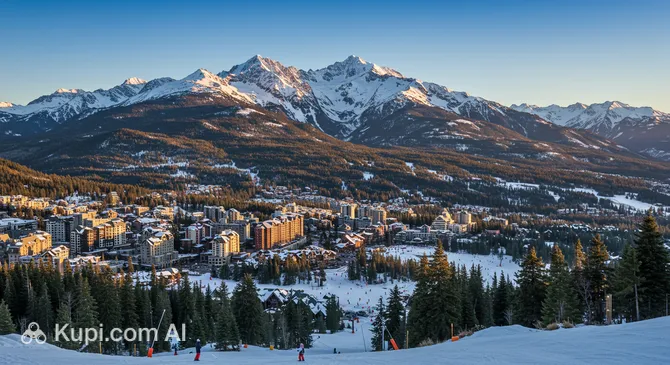
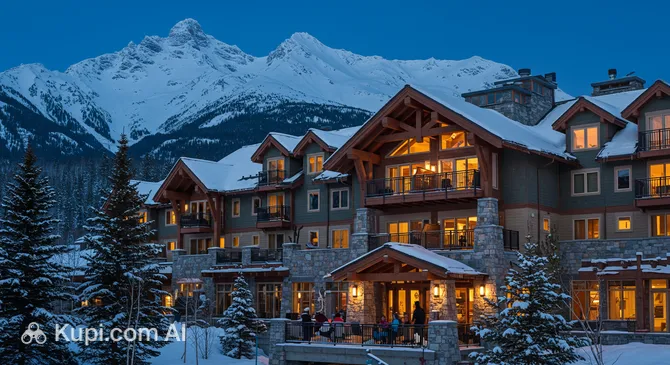
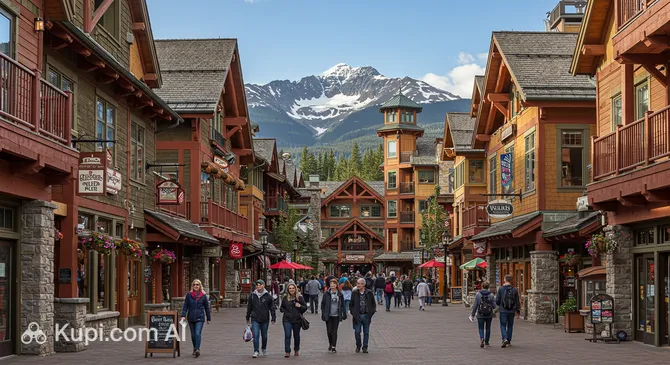
Whistler is not just a town, but a true legend among fans of outdoor activities and mountain landscapes. Located in the heart of the picturesque Coast Mountains of Canada, in the province of British Columbia, this world-class resort attracts tourists year-round with its unique atmosphere and boundless opportunities for adventure. Roughly a two-hour drive north of Vancouver, Whistler, with a population of about 12,000 people (which increases significantly during peak season due to tourists), offers a unique blend of wilderness and developed infrastructure.
Whistler. Illustration.
Source: Kupi.com AI
The main pride of Whistler is undoubtedly the mountains Whistler and Blackcomb, which form one of the largest ski resorts in North America. In winter, it is a paradise for skiers and snowboarders of all levels, while in summer, the slopes transform into trails for mountain biking and hiking. A ride on the Peak 2 Peak gondola, which connects the two mountain peaks and offers breathtaking panoramic views, provides an unforgettable experience. At the foot of the mountains lies the charming pedestrian Whistler Village with its numerous shops, restaurants, bars, and a lively après-ski atmosphere.
Whistler is a place where everyone can find something to their liking: from extreme sports to peaceful nature contemplation and gastronomic discoveries. If you are looking for an unforgettable vacation filled with bright emotions and the beauty of the Canadian mountains, Whistler is waiting for you!
The weather in Whistler is characterized by notable seasonal changes, offering a variety of conditions for vacationers throughout the year. Summers are generally warm and relatively dry, while winters are cold and snowy, making the resort an ideal destination for winter sports. For instance, in July and August, average temperatures stay around +14-15°C, reaching highs of about +19-20°C, and rainfall is minimal. Winter months like January and December bring average temperatures of around -4°C to -6°C, with frequent snowfall.
Expect warm summers with little rainfall and cold, snowy winters. Spring and autumn are transitional seasons with moderate temperatures and changeable weather. To get a more detailed idea of weather conditions by month, you can check the information about the Whistler climate.
Average monthly temperature
Average monthly precipitation
Interesting Facts
Beyond the world-famous ski slopes and breathtaking scenery, Whistler hides many interesting details and unexpected facts. Ready to discover this famous resort from a new, less obvious side?
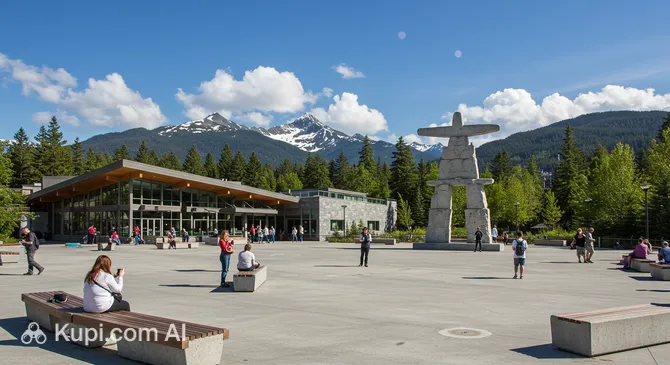
Whistler Olympic Plaza. Illustration.
Source: Kupi.com AI
Traveler photos:
Whistler owes its name not to birds, as one might think, but to hoary marmots. Their characteristic high-pitched whistle often echoes across the surrounding alpine meadows, which gave the name first to the mountain and then to the entire resort.
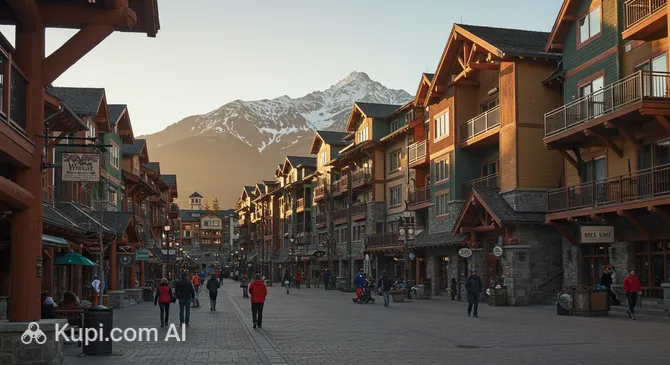
The central part of the resort, known as Whistler Village, is almost entirely pedestrian. This was an intentional design choice to create a relaxed and safe atmosphere where guests can stroll freely between shops, restaurants, and hotels without worrying about car traffic.
At Whistler Olympic Plaza, the famous Olympic rings still stand proudly. They serve as a reminder of the 2010 Winter Olympic Games, which Whistler co-hosted with Vancouver, and are a popular spot for photos.
The territory where Whistler is located today is the ancestral land of the Squamish and Lil'wat indigenous peoples. Their rich cultural heritage and history are carefully preserved and presented at the Squamish Lil'wat Cultural Centre, which is an important attraction in the region.
How to Get There
Whistler is located in the mountains, and the journey there is an exciting adventure in itself, especially if you drive along the famous Sea-to-Sky Highway. Since the resort is somewhat removed from major transportation hubs, travelers usually need to make a transfer. You can find all the details and plan your route by visiting the more about how to get to Whistler page.
There is no airport in the town of Whistler itself, so the majority of tourists arrive via Vancouver. The most convenient and popular option is Vancouver International Airport (YVR). It is located in the city of Vancouver, approximately 104 km from Whistler. This is the region's largest air hub, receiving flights from all over the world. The journey from the airport to the resort by car or bus takes about 3 hours, and this route is famous for its picturesque views of the ocean and mountains.
Alternatively, you can consider Abbotsford International Airport (YXX), which also serves the Vancouver region. It is a bit further away, at a distance of about 128 km from Whistler, with a travel time of approximately 3.5 hours. For those who prefer unusual modes of transport, there is the Coal Harbour Seaplane Base (CXH) in downtown Vancouver (93 km from the resort), from where you can reach Whistler by seaplane during the summer season, enjoying a flight over glaciers.
For convenience, here is a summary of the main airports:
Rail service to Whistler has its own specific characteristics. There is no train station in the town of Whistler for regular passenger trains. The nearest major hub is Vancouver Station, located in the city of Vancouver, about 94 km from the resort. Long-distance trains arrive here, for example, from Toronto or Seattle. From the station, tourists need to transfer to a shuttle bus or rent a car to cover the remaining part of the journey along the mountain highway, which takes about 2.5–3 hours.
Below is information about the nearest railway stations:
In addition to flights and trains, the most common way to get to Whistler remains by car or bus along Highway 99, known as the Sea-to-Sky Highway. This road is considered one of the most beautiful in the world, offering travelers unforgettable landscapes on the way from the coast to the mountain peaks.
Main Attractions
Whistler, the jewel of the Canadian mountains, is famous not only for its slopes but also for many other fascinating places. When planning your trip, be sure to include the following attractions in your itinerary for an unforgettable experience:
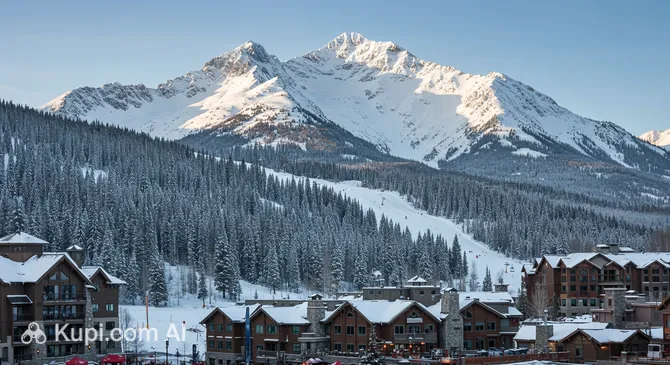
One of the main highlights is undoubtedly the Whistler Blackcomb ski complex. These two majestic peaks, connected by the famous Peak 2 Peak gondola, form one of the largest and most famous ski resorts in North America. In winter, it's a haven for skiers and snowboarders with over 200 trails of varying difficulty, and in summer, the slopes turn into scenic routes for hiking and mountain biking. Stunning panoramic views and developed infrastructure make this place a must-visit at any time of year.
Whistler Blackcomb. Illustration.
Source: Kupi.com AI
Traveler photos:
The heart of the resort is the charming Whistler Village. This entirely pedestrian area at the foot of the mountains is filled with cozy cafes, restaurants for every taste, diverse shops, art galleries, and hotels. Whistler Village is the perfect place for leisurely strolls, shopping, and enjoying the après-ski atmosphere after an active day in the mountains, as well as being the center for many of the resort's festivals and cultural events.
Whistler Village. Illustration.
Source: Kupi.com AI
Traveler photos:
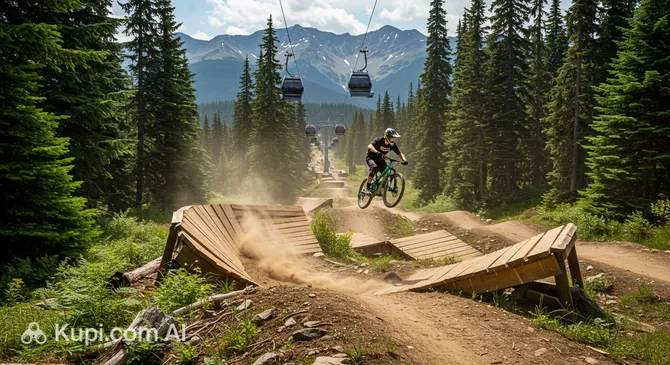
For thrill-seekers and active summer vacationers, the Whistler Mountain Bike Park offers unparalleled opportunities. This world-renowned mountain bike park attracts riders from across the globe with its diverse trails—from gentle descents for beginners to extreme trails for professionals. Breathtaking descents, technically challenging sections, and incredible views make it one of the best places in the world for this sport.
Whistler Mountain Bike Park. Illustration.
Source: Kupi.com AI
Traveler photos:
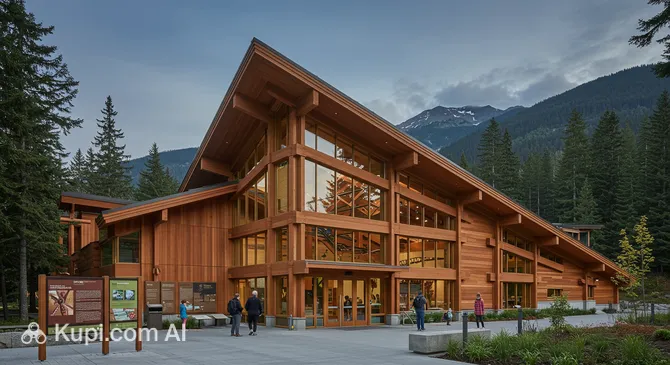
To gain a deeper understanding of the region's history and culture, visit the Squamish Lil'wat Cultural Centre. This modern and impressive center is dedicated to the rich heritage of the indigenous peoples who have traditionally lived on these lands. Through interactive exhibits, artifact displays, traditional songs, dances, and storytelling, you can connect with the unique culture and traditions of the Squamish and Lil'wat nations, making your journey even more meaningful.
Squamish Lil'wat Cultural Centre. Illustration.
Source: Kupi.com AI
Traveler photos:
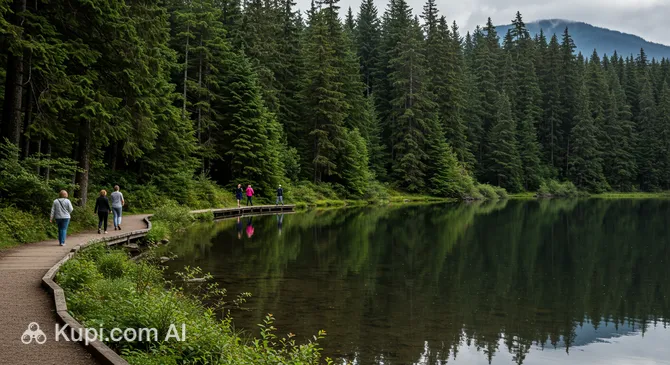
If you are looking for a place for a peaceful break in nature, head to Lost Lake Park. This picturesque lake with designated beaches, surrounded by a network of hiking and biking trails, is located in close proximity to Whistler Village. In summer, you can swim, have a picnic, or simply enjoy the sun here, and in winter, the park transforms into a popular spot for cross-country skiing and snowshoeing on well-maintained trails.
Lost Lake Park. Illustration.
Source: Kupi.com AI
Traveler photos:
Local Cuisine
The culinary scene in Whistler is a delightful blend of world-class sophistication and the laid-back atmosphere of a mountain resort. The "farm-to-table" philosophy is highly valued here, with the freshest local British Columbia products forming the basis of many restaurant menus. You can expect Pacific Northwest cuisine with an emphasis on seasonal ingredients, as well as hearty dishes perfect for refilling your energy after an active day on the slopes or trails.
Be sure to try the famous Pacific salmon, prepared in various ways—from grilled to smoked. Meat lovers should look out for local game dishes, such as venison or elk, often served with berry sauces. And, of course, being in Canada, don't miss the chance to taste a classic poutine—french fries topped with cheese curds and hot gravy, especially popular as a filling snack. Many establishments also take pride in using fresh vegetables, fruits, and mushrooms gathered from the surrounding area.
As for drinks, Whistler will delight connoisseurs of craft beer—British Columbia has many excellent breweries. It's also worth trying wines from the famous Okanagan Valley, known for its vineyards. A signature alcoholic cocktail for Canada is the "Caesar"—a savory drink made with vodka, clamato juice, and spices. Among non-alcoholic options, local ciders, fresh-pressed juices, and drinks with added maple syrup are popular.
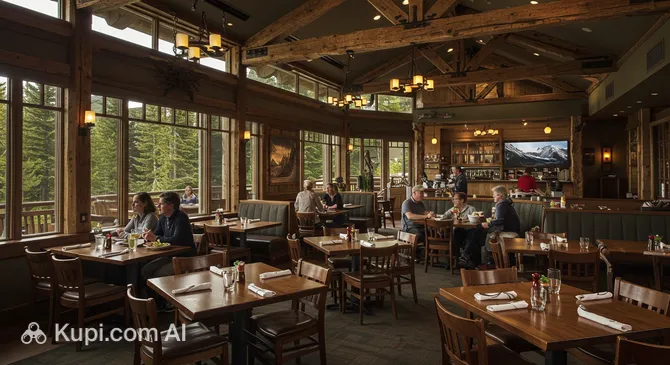
Dining culture in Whistler is mainly concentrated in the pedestrian Whistler Village, where you will find a huge variety of establishments for every taste and budget—from cozy cafes and lively pubs to fine dining restaurants. The après-ski atmosphere is particularly vibrant here, as tourists and locals gather in bars and lounges after a day in the mountains. For a special gastronomic experience, you can visit famous spots like the Rimrock Cafe, renowned for its seafood and game dishes. Many restaurants focus on using organic products and supporting local farmers.
Rimrock Café. Illustration.
Source: Kupi.com AI
Traveler photos:
Whistler's gastronomic scene is not just about food; it's part of the overall resort experience. Here, you can enjoy both simple, high-quality dishes and true culinary masterpieces prepared from the region's best products. The combination of fresh mountain air, stunning views, and delicious food makes every meal in Whistler truly special.
Travel Tips
Welcome to Whistler! To make your trip to this famous mountain resort in Canada as comfortable and filled with pleasant experiences as possible, we have prepared some practical tips for you.
Clothing and Essentials: The climate in Whistler is mountainous and changeable, so the main principle is layering. In winter, you'll need warm, waterproof outerwear, thermal underwear, a hat, gloves, and comfortable winter boots with non-slip soles. In summer, bring light clothes, but be sure to pack a raincoat or windbreaker, as mountain weather can change quickly, as well as sturdy shoes for hiking. At any time of year, sunscreen and sunglasses will come in handy (in winter, the sun reflects intensely off the snow). Don't forget an adapter for electrical appliances for North American outlets (Types A and B).
Resort Transport: The central part of Whistler, Whistler Village, is mostly pedestrian, making strolls very pleasant. For traveling longer distances, you can use the efficient public bus system, some of which are free within the resort zone. Taxis and services like Uber/Lyft are also available but can be more expensive. Renting a car makes sense if you plan to explore the area outside of Whistler, but for getting around within the resort, it is not a necessity, plus parking can be expensive and limited.
Finances: The official currency is the Canadian dollar (CAD). You can exchange currency at banks or exchange offices in Whistler Village; ATMs are also widely available. Credit cards (Visa, MasterCard) are accepted almost everywhere; American Express is slightly less common. Whistler is considered a premium resort, so be prepared for a corresponding price level. Tipping in Canada is common practice and is usually 15-20% of the bill in restaurants and for quality service (guides, instructors).
Health and Safety: There are pharmacies in Whistler Village where you can purchase over-the-counter medications. Medical care is available at the Whistler Health Care Centre. It is strongly recommended to have valid travel medical insurance. Whistler is a very safe place, but standard precautions (not leaving valuables unattended) are always relevant. An important safety aspect is wildlife: be aware of the rules of conduct for possible encounters with wild animals, especially bears (do not feed them, do not leave food or trash unattended, keep your distance).
Communication: The primary language of communication is English. French is also an official language of Canada, but in British Columbia, you will have no trouble with just English. Local residents working in tourism generally speak it fluently. You can buy a local SIM card at specialized stores or upon arrival at Vancouver Airport. Free Wi-Fi is available in many hotels, cafes, and public areas of Whistler Village. The official resort app, Whistler Blackcomb (for lift and trail information), and standard navigation apps can be useful.
Local Etiquette: Canadians, and Whistler residents in particular, are known for their friendliness and politeness. Standard greetings ("Hello", "Hi") are used. In public places, respecting others and following queues is valued. Don't hesitate to ask for help or advice—people will likely be happy to assist. Smoking in public buildings and many outdoor areas is prohibited.
What to Avoid: It is strictly discouraged to feed wild animals, especially bears. This is dangerous for both the animals and people and can result in fines. Also, always pay attention to warning signs and information about trail or area closures on the mountain—this is done for your own safety.
Additional Tip: Plan and book ahead! Whistler is a popular destination year-round. Especially during peak seasons (winter for skiing, summer for mountain biking and hiking), it is recommended to book in advance for accommodation, lift passes, equipment rentals, lessons, and tables at popular restaurants. This will not only guarantee availability but can sometimes save you money.
We hope these tips help you better prepare for your trip and enjoy all the wonders that Whistler has to offer. We wish you an unforgettable vacation full of vivid impressions and active adventures surrounded by magnificent Canadian nature!
Entertainment & Nightlife
When the sun sets behind the majestic mountain peaks, Whistler doesn't go to sleep; instead, it transforms, offering its guests a variety of evening and night entertainment. The famous après-ski atmosphere flows seamlessly into a lively nightlife, concentrated primarily in the heart of the resort — Whistler Village. This pedestrian zone becomes the epicenter of fun, where bars, pubs, and clubs are all within walking distance of each other.
The atmosphere of Whistler at night is mostly relaxed and friendly, where you can meet tourists from all over the world as well as locals. Most venues do not require a strict dress code; comfortable and stylish casual clothing is appropriate. The evening usually begins with a visit to pubs and lounges where you can enjoy craft beer or cocktails while discussing the day's adventures on the slopes. Closer to nightfall, clubs open their doors, offering music for every taste — from DJ sets to live performances.
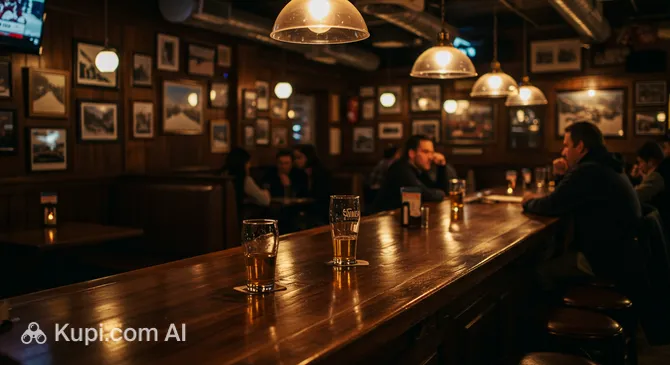
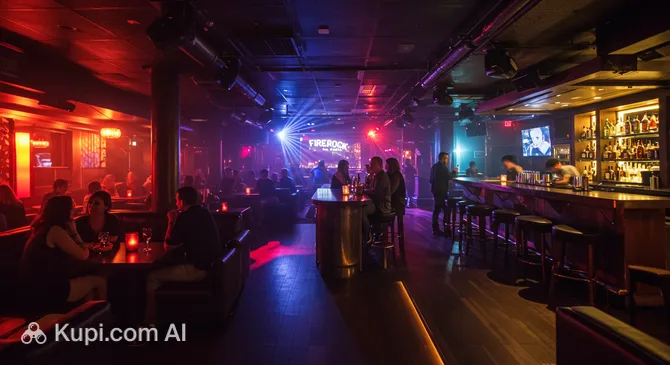
Among the popular spots for evening relaxation, several venues stand out. For example, Tapley's Neighbourhood Pub is famous for its authentic pub atmosphere, wide selection of drinks, and sports broadcasts. For those looking for a more club-like setting with dancing until dawn, FireRock Lounge, known for its high-energy parties, is an excellent choice. Another place to have a great time is Bar Hop, which offers a vibrant program and a friendly crowd.
Tapley's Neighbourhood Pub. Illustration.
Source: Kupi.com AI
Traveler photos:
Practical tips for Whistler nightlife:
The best time to visit bars for après-ski is from 4:00 PM to 7:00 PM. Clubs usually start to fill up after 10:00 PM-11:00 PM and stay open until 2:00 AM or later. As with many popular ski resorts, the cost of drinks and entry fees to some clubs in Whistler can be higher than average; it is recommended to check a specific venue's pricing policy in advance or be prepared for some expenses. It is convenient to get around Whistler Village on foot. If your accommodation is further away, you can always use taxi services, which are available at night. Whistler Village is considered a safe area for nighttime walks, but as always, basic precautions should be observed.
FireRock Lounge. Illustration.
Source: Kupi.com AI
Traveler photos:
While Whistler is famous for its nightlife and active recreation, there is also plenty to do during the day beyond the ski slopes or hiking trails. You can immerse yourself in indigenous culture by visiting the Squamish Lil'wat Cultural Centre, or appreciate the art collection at the Audain Art Museum. These places offer a peaceful and educational contrast to active outdoor fun and noisy parties.
Squamish Lil'wat Cultural Centre. Illustration.
Source: Kupi.com AI
Traveler photos:
Parks & Museums
Whistler is not only a world-famous ski resort but also a place where you can enjoy the beauty of nature in well-kept parks and immerse yourself in the region's cultural heritage by visiting its museums. Everyone will find something to their liking here, whether it's a peaceful walk by the lake or an introduction to the art and history of British Columbia.
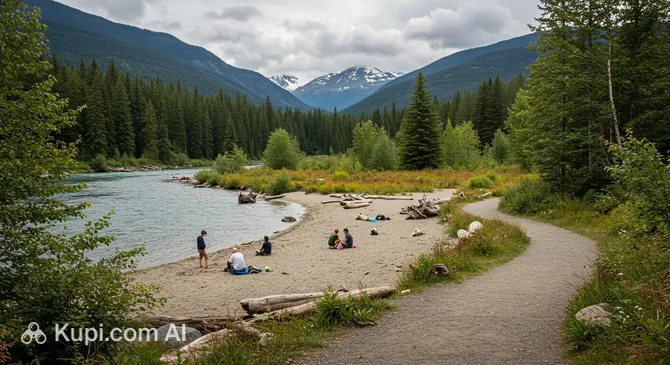
Among Whistler's many green spaces, Lost Lake Park is particularly notable. It is a true oasis of tranquility located near the center of the village. In summer, you can swim in the pristine lake, sunbathe on the beach, have a picnic, or go for a bike ride or hike on the numerous trails surrounding the lake. In winter, the park transforms into a paradise for cross-country skiing and snowshoeing enthusiasts. Its peaceful atmosphere and picturesque landscapes make it an ideal place to escape the hustle and bustle.
Lost Lake Park. Illustration.
Source: Kupi.com AI
Traveler photos:
Another popular spot for outdoor recreation is Rainbow Park. Located on the shores of Alta Lake, it offers magnificent views of Whistler and Blackcomb mountains. The park is equipped with a beach, picnic areas, a volleyball court, and a children's play area, making it a wonderful choice for families. You can also rent kayaks or paddleboards here to explore the lake from the water.
Rainbow Park. Illustration.
Source: Kupi.com AI
Traveler photos:
You shouldn't overlook Lakeside Park, also located on Alta Lake. It offers similar opportunities for recreation by the water, including swimming, boat rentals, and picnic spots, and is often a bit less crowded than Rainbow Park.
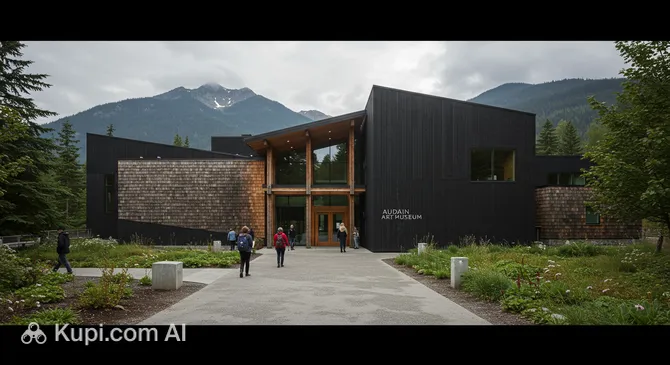
For lovers of art and history, Whistler offers several interesting cultural sites. One of the key locations is the Audain Art Museum. Its collection features artworks by British Columbia artists, from historical to contemporary works. The museum aims to showcase the province's rich artistic heritage and regularly hosts temporary exhibitions, introducing visitors to new names and movements in art.
Audain Art Museum. Illustration.
Source: Kupi.com AI
Traveler photos:
Equally significant is the Squamish Lil'wat Cultural Centre. This is a unique place where you can learn about the rich culture and traditions of the indigenous peoples who have lived in this region for thousands of years. The center offers fascinating tours, artifact exhibits, workshops, and cultural performances, allowing for a deeper understanding of the history and heritage of these two nations.
Speaking of historical and iconic sites, one cannot fail to mention Whistler Olympic Plaza. Created for the 2010 Winter Olympic Games, it became the heart of many festive events and remains a popular meeting and walking spot today. Here you can see the famous Olympic rings, and in winter, a skating rink is set up on the plaza, creating a festive atmosphere. It's a great place to feel the Olympic spirit and take memorable photos.
For those looking for lesser-known but equally charming spots, we suggest checking out the Valley Trail. This extensive network of paved hiking and biking paths connects various Whistler neighborhoods, parks, and lakes, allowing you to explore the resort at your own pace and discover scenic corners away from the main tourist routes.
Getting Around
Getting around Whistler is quite simple thanks to a well-thought-out public transport system and the compact layout of many key sites. The resort is designed to minimize the need for a personal car, especially in the central part—Whistler Village.
The main form of public transport in Whistler is the Whistler Transit System bus network. Buses run on various routes, connecting Whistler Village, residential areas (such as Creekside, Nesters, Alpine Meadows), major attractions, and recreation zones. Routes and schedules can change depending on the season, so it is recommended to check the latest information on the official BC Transit website (the system operator) or at bus stops.
Regarding fare payment, single tickets are usually available and can be purchased directly from the driver when boarding (exact change is often required), as well as day or multi-day passes, which can be more economical for frequent trips. Sometimes tickets or passes can be purchased at designated points of sale in Whistler Village, such as guest centers or certain shops. Fares are relatively low, but it's best to confirm specific rates before your trip.
Practical tips for tourists: Buses in Whistler run quite regularly, especially during peak seasons. To stop a bus, you must signal to the driver at the stop. Inside the bus, stops are usually announced or displayed on a screen. Most buses are equipped with racks for skis and snowboards in winter and for bicycles in summer, which is very convenient for tourists.
In addition to buses, other methods of travel are popular in Whistler. Whistler Village is a completely pedestrian zone, and walking here is the best way to experience its atmosphere. For longer trips or for exploring the scenic surroundings, a bicycle is an excellent choice. Whistler has many bike rental shops and an extensive network of bicycle paths, including the famous Valley Trail, which connects different parts of the resort. Of course, taxi services are always available and can be called by phone or found at designated ranks. Some hotels and apartment complexes also offer their guests free shuttles to the lifts or the village center.
Types of transport such as subway, tram, or trolleybus do not exist in Whistler due to its nature as a resort town. The famous gondolas and lifts, such as the Peak 2 Peak, are part of the ski infrastructure and serve for ascending mountains, not for traveling within the town itself.
Accommodation
Whistler offers a wide range of accommodation options to suit the needs of many different travelers. You'll find everything here: from relatively budget-friendly hostels and guesthouses to mid-range hotels, luxury full-service resorts, as well as apartments and chalets available for short-term rentals. This variety allows you to choose accommodation according to your budget and preferences.
The most popular areas for tourists to stay are Whistler Village and Creekside. Whistler Village is the heart of the resort, a pedestrian zone with many shops, restaurants, and direct access to the lifts for Whistler and Blackcomb mountains. Staying here provides maximum convenience and puts you in the center of the action. Creekside, located a bit further south, offers a quieter atmosphere, also has its own lift access (Creekside Gondola), and well-developed infrastructure. Other areas, such as Nesters or Alpine Meadows, offer more secluded options, often in the form of chalets or houses, and are just a few minutes' drive from the center.
Resort Whistler. Illustration.
Source: Kupi.com AI
Traveler photos:
Among the well-known hotels and resort complexes in Whistler, one might note, for example, the Whistler Resort, offering comfortable rooms and a convenient location. Also popular is the Whistler Village Centre, located in the heart of the village of the same name. Many ski-in/ski-out resorts, such as Fairmont Chateau Whistler, also provide high-end accommodation with direct access to the slopes.
The price range for housing in Whistler varies from budget to luxury. The cost depends on the season, type of accommodation, location, and level of comfort. It is recommended to book accommodation in advance, especially if your trip falls during the peak ski season (from December to March) or the summer months when the resort is also very popular. For booking, you can use popular online platforms such as Booking.com, Expedia, and Airbnb, or contact the websites of hotels and management companies directly.
Nearby Cities
For those who want to explore the surrounding area, Whistler serves as an excellent starting point for day trips to several interesting nearby locations:
These nearby destinations offer a variety of experiences: from discovering the vibrant urban life of a major metropolis like Vancouver to exploring quieter suburbs and their parklands. Each trip will allow you to get to know British Columbia's rich culture and scenic landscapes better.
Shopping & Souvenirs
Shopping in Whistler is a pleasant addition to active recreation on the slopes and strolls through the picturesque surroundings. The resort offers diverse shopping opportunities, from specialized sports equipment and clothing stores to elegant boutiques, art galleries, and souvenir shops. Although Whistler is not famous for unique goods produced only here, it is an excellent place to purchase high-quality winter sports gear, apparel from famous outdoor brands, as well as indigenous art and Canadian crafts.
Whistler's main retail activity is concentrated in several key areas. The primary shopping destination is undoubtedly the pedestrian Whistler Village. Here, walking along the famous Village Stroll, you will find many shops for every taste: from sporting giants to small boutiques with designer clothing, jewelry, and home goods. Another area where you can find shops is Creekside Village. It is smaller and offers a quieter atmosphere, but it also has everything you need, including grocery stores, equipment rentals, and several specialized retail outlets.
Whistler Village. Illustration.
Source: Kupi.com AI
Traveler photos:
There are no large shopping malls in Whistler in the traditional sense, as you would find in big cities. Shopping here is more of an experience of walking through charming village streets where shops are seamlessly integrated into the resort's overall architecture. The Whistler Village Centre complex is an important hub in the heart of Whistler Village, bringing together various shops, cafes, and services under one roof, but it functions more as part of the village's general infrastructure rather than a separate mall.
Regarding markets, you should look at Creekside Market, where you can buy fresh produce and essential goods. During the summer and autumn months (usually from May to October), the Whistler Farmers' Market also operates, typically located in the Upper Village. Here, local farmers and artisans offer their products: from fresh vegetables and fruits to baked goods, cheeses, honey, and unique handmade items. It's a great place to try local delicacies and buy authentic souvenirs.
Creekside Market. Illustration.
Source: Kupi.com AI
Traveler photos:
As souvenirs from Whistler, tourists often bring back: items with the resort logo or 2010 Winter Olympic Games branding, high-quality sports clothing and accessories, maple syrup products, as well as art and crafts from Canada's indigenous peoples. In art galleries, you can find interesting paintings, sculptures, and ceramics from local masters.
Shops in Whistler are generally open daily. Standard hours are roughly from 10:00 AM to 6:00 PM-8:00 PM, but during peak season (winter and summer), many shops, especially in Whistler Village, may stay open later. Major credit cards (Visa, MasterCard, American Express), debit cards, and Canadian dollar cash are accepted everywhere. It's recommended to have several payment options with you.
Regarding tax returns (Tax Free), it's worth knowing that in the province of British Columbia, a federal Goods and Services Tax (GST) and a provincial sales tax (PST) are added to the cost of most goods and services. The general tax refund program for tourists on most regular purchases in Canada was discontinued several years ago. Therefore, you should not count on a VAT refund for everyday purchases, as in some European countries. It's best to check the latest tax information directly before your trip or when making large purchases.