Support

Pender Harbour

About

Pender Harbour is not just a town, but a stunning mosaic of cozy coves, islands, and inlets nestled on British Columbia's picturesque Sunshine Coast. Locals and captivated travelers often call this place the "Venice of the North" due to its complex and beautiful system of waterways. If your goal is to see how serene and majestic Canada can be, then this corner will be an ideal point on your travel map.
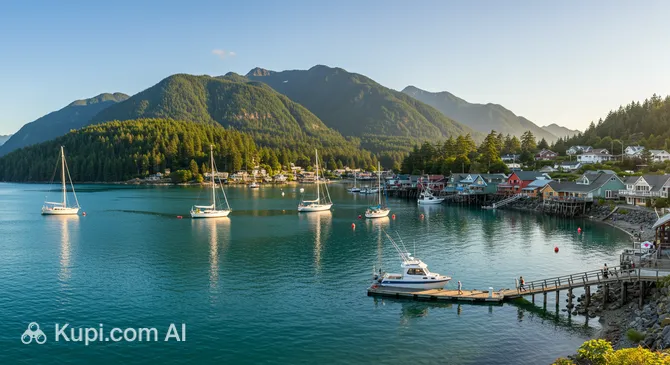
Pender Harbour. Illustration.
Source: Kupi.com AI

With a population of around 2,500, this community maintains an atmosphere of seclusion, peace, and genuine friendliness. Thanks to the region's mild microclimate, you can enjoy nature here almost year-round. The rich history of Pender Harbour is inextricably linked to the sea and the cultural heritage of indigenous peoples, which gives this place a special character and depth.

The main attraction here is undoubtedly the water. Pender Harbour is considered a paradise for lovers of kayaking, sailing, and fishing. For those who prefer exploring by land, Francis Point Provincial Park is well worth a visit, where scenic trails lead to rocky cliffs overlooking the Strait of Georgia. Additionally, the region is famous for its creative spirit: many talented artists and artisans work here, and their studios are often open to visitors.

Pender Harbour invites you to slow down and immerse yourself in the relaxed rhythm of coastal living. It is a wonderful place to escape the city bustle, breathe in the fresh sea air, and recharge with the energy of the wild.

Weather Overview

The climate of this region is characterized by the mildness typical of the British Columbia coast, making it possible to travel here at almost any time of year. Summer in Pender Harbour is usually warm and comfortable, without exhausting heat. The highest temperatures are seen in July and August, when the air warms up to an average of 18.7°C, with maximums reaching 22°C. This is also the driest period, when the number of rainy days drops to a minimum (about 8 days per month).

The winter months bring cool temperatures and high humidity, but severe cold is practically non-existent here. In December and January, the average temperature stays around 3°C, and nightly minimums rarely drop below 1.5°C. However, be prepared for frequent precipitation: in winter, rainy weather in Pender Harbour can last for 20–21 days a month, creating a misty and mysterious atmosphere.

Expect warm summers with occasional cloudy days and cool, wet winters. Spring (especially May) and early autumn offer a pleasant balance of temperatures, with the thermometer hovering between 10°C and 15°C, which is excellent for leisurely walks in nature.

Average monthly temperature

Average monthly precipitation

Interesting Facts

In addition to its scenic landscapes, Pender Harbour holds many fascinating secrets and historical details that often escape the notice of typical tourists. Here are a few facts that offer a fresh look at this place:

  • Ancient "Winter Capital." Long before the arrival of Europeans, this territory was known to the shishalh people as kalpilin, meaning "shelter." Due to the abundance of fish and protection from storms, the bay served for centuries as a major winter gathering place, where several thousand people lived during the season, making it one of the most densely populated spots on the coast at that time.

  • Missionary Heritage. The Columbia Coast Mission played an important role in the region's history, providing aid to remote settlements. In the Garden Bay area, you can still find the historic St. Mary’s Hospital building, constructed in the 1930s. This is a rare monument from an era when doctors and priests traveled between villages exclusively on special hospital ships.

  • Geographical Labyrinth. Pender Harbour's coastline is so convoluted that its total length exceeds 100 kilometers, even though the water area itself covers a relatively small space. This unique feature, creating dozens of secluded corners, earned the place its reputation as the "Venice of the North."

  • Jazz on the Water. Despite its modest size and distance from major cities, Canada knows this town as a significant musical hub. The annual Pender Harbour Jazz Festival has been held for decades, turning local wharves and halls into stages for world-class performers.

How to Get There

When planning a trip to this picturesque corner of the Sunshine Coast, it's worth thinking through the logistics in advance. The town is located in a secluded area crisscrossed by bays, so direct land access is limited by geographical features. You can find out more about how to get to Pender Harbour to plan connections between land and water transport.

Since there is no major airport in Pender Harbour itself, the primary hub for tourists is Vancouver International Airport (YVR). It is approximately 78 km away in a straight line, but the actual journey will take longer due to the required ferry crossing. From the airport, you need to get to the Horseshoe Bay terminal, take a ferry to Langdale, and then drive or take a bus along the scenic highway. The entire trip usually takes 3 to 4 hours depending on the ferry schedule.

Travelers should be careful when choosing alternative routes. For example, Nanaimo Airport (YCD) is located only 64 km away in a straight line, but it is on Vancouver Island, separated from Pender Harbour by the strait. Logistics through this airport are extremely difficult: it would require a ferry crossing to the mainland, a transfer, and waiting for the next connection. In this case, the journey would take more than 4 hours, so this option is only convenient for those planning to visit both the island and the coast in one trip. It is much faster to get there by seaplane, for example, via the Vancouver Harbour Flight Centre (CXH) in downtown Vancouver—the flight offers unforgettable views.

Below is information about the nearest airports (distances are in a straight line):

AirportPassenger trafficDistance
Powell River39 42242 km
Nanaimo Harbour120 00051 km
Comox Airport402 75763 km
Nanaimo Airport375 00064 km
Coal Harbour Seaplane Base500 00076 km

There is no direct rail service to Pender Harbour. The nearest major station where long-distance trains arrive (including the famous The Canadian route) is Vancouver Pacific Central Station. From the station, tourists need to reach the ferry terminal by taxi or public transport to continue their journey to the Sunshine Coast by water.

Nearest railway hub:

StationPassenger trafficDistance
Vancouver Railway Station265 62678 km
Esbjerg Railway Station753 06096 km

Main Attractions

The main attractions of Pender Harbour are, first and foremost, natural masterpieces created by the ocean and rocks. There are no noisy entertainment complexes here; instead, there are places where the beauty of the landscapes takes your breath away. Travelers come here to explore scenic parks, panoramic viewpoints, and unique waterways.

One of the most popular spots for active recreation enthusiasts is Pender Hill Park. This place is famous for its hiking trail leading to the top of a 231-meter hill. The climb is quite steep but short, and it pays off handsomely at the finish: the viewpoint offers a magnificent panorama of the Strait of Georgia, mountain ranges, and the labyrinth of islands below. In the spring, the hillsides are covered with bright wildflowers, adding color to the rugged rocky landscape.

For a more leisurely pastime, Garden Bay Marine Provincial Park is ideal. This small but cozy park includes a section of the shoreline and the area around Sakinaw Lake. Tourists love this place for the opportunity to have a picnic with a view of the harbor, watching yachts and fishing schooners enter the bay. A peaceful atmosphere reigns here, perfectly capturing the spirit of life on the Sunshine Coast.

Although Skookumchuck Narrows is located slightly to the north in the Egmont area, it is considered a must-see for all guests of Pender Harbour. Here, you can witness one of the most powerful tidal currents in the world. Twice a day, massive volumes of water rush through the narrow strait, creating impressive whirlpools and standing waves that attract extreme kayakers from around the globe. The walk to the viewpoint through a mossy rainforest is an adventure in itself.

The heart of local life is the Madeira Park area. This is not just an administrative center, but a colorful place for strolling. It’s worth visiting the government wharf to feel the true rhythm of a fishing village, browse local art galleries, or simply enjoy a coffee with a view of the water. This is where local festivals and fairs often take place, introducing guests to the region's culture.

Local Cuisine

Pender Harbour's dining scene is a hymn to freshness and the bounty of the Pacific Ocean. Since the water is the center of life here, local cuisine is expectedly built around the highest quality seafood. The region's main culinary treasure is spot prawns, whose harvest season locals anticipate like a holiday. Their sweet, tender meat is usually served simply—lightly boiled or sautéed with garlic so as not to overpower the natural flavor.

It is impossible to imagine a visit here without tasting wild Pacific salmon. It is prepared in every possible variation: from cedar-plank smoked to a classic grilled steak. Another mandatory menu item is Dungeness crab, which is often caught right in the local waters. For fans of simpler but hearty food, it's worth ordering traditional fish and chips made from fresh halibut or cod—a dish that has become a signature of coastal cafes.

As for beverages, Canada, and especially British Columbia, is famous for its craft brewing culture. While there may not be large breweries in the village itself, local pubs always offer a wide selection of ales and lagers from Sunshine Coast Ale Trail breweries. It's also worth trying wines from the Okanagan Valley or Vancouver Island, which pair perfectly with local fish dishes. On cool days, hot drinks are popular, as coffee culture is very well-developed here.

The dining culture in Pender Harbour is devoid of pretension and formalities. You won't find restaurants with strict dress codes here; instead, you'll find cozy family establishments and pubs with open terraces in the Madeira Park and Garden Bay areas. Locals and tourists prefer to dine with a view of the harbor, watching yachts and seaplanes. A special pleasure is buying fresh seafood or baked goods at the farmers' market and having a picnic on the ocean shore, enjoying the taste of food surrounded by wilderness.

Travel Tips

A trip to Pender Harbour promises an unforgettable communion with nature, but the region's distance from major cities requires some preparation. To ensure your vacation on the picturesque Sunshine Coast is as comfortable as possible and free of surprises, we've gathered a list of the most important recommendations.

  1. Clothing and Gear. Coastal weather is changeable, so dress in layers. Even in summer, you'll need a waterproof windbreaker and a fleece jacket for cool evenings by the ocean. If you plan on hiking (for example, up Pender Hill), be sure to bring comfortable trekking shoes with non-slip soles. In winter and autumn, rubber boots and a high-quality raincoat are not just a style choice, but a necessity.
  2. Transport. Pender Harbour is a spread-out community rather than a compact town, so renting a car is practically essential here. Public transport exists but runs infrequently and doesn't cover all the scenic spots. Apps like Uber may not be available, and local taxis should be called in advance. Most importantly: if you are driving from Vancouver, be sure to book your ferry spot (BC Ferries) in advance, especially during the summer season and on weekends.
  3. Finances. The official currency is the Canadian dollar (CAD). Most restaurants, shops, and gas stations accept credit cards (Visa, Mastercard). However, it's recommended to carry some cash: it will be useful for purchases at farmers' markets, in small craft shops, or for paying for parking in remote areas. Tipping in Canada is the norm: it's customary to leave 15–20% of the bill in cafes and restaurants.
  4. Health and Safety. The crime rate here is extremely low; it is a very peaceful place. The main danger can come from wildlife. Pender Harbour is black bear territory. Never leave food or trash outside and be attentive on forest trails. Pharmacies are located in the Madeira Park area, but they are not open 24/7, so it's better to pack a personal first aid kit in advance.
  5. Communication. The primary language is English. Locals are very open, and a basic knowledge of the language will be sufficient. Mobile service and 4G work well in the center of settlements but may drop out in deep bays or on forest trails. We recommend downloading offline maps of the region to your smartphone beforehand.
  6. Local Etiquette. A relaxed and friendly atmosphere prevails on the Sunshine Coast. It's customary to say hello to people on walking trails or in shops, even if you are strangers. Respect private property: many wharves and piers are privately owned, so do not walk onto them without permission or moor without an invitation.
  7. What to Avoid. Strictly avoid feeding wildlife (deer, raccoons, and especially bears)—this is dangerous and punishable by fines. Also, do not underestimate the power of the tides: if you rent a kayak or boat, always check the tide schedule so you don't end up grounded or caught in a strong current, especially in the Skookumchuck Narrows area.
  8. Useful Life Hack. Life here flows at the pace of "Island time," even though it is technically the mainland. Many shops and cafes may close earlier than you are used to in big cities (for example, at 5:00 PM or 6:00 PM), and some restaurants might be closed on Mondays or Tuesdays. Plan your dinners and grocery shopping in advance so you don't go hungry in the evening.

By following these simple tips, you can avoid minor domestic hassles and fully focus on the beauty of the fjords and forests. Canada has a way of making you fall in love with it, and to a prepared traveler, Pender Harbour will reveal its very best sides!

Entertainment & Nightlife

Nightlife in Pender Harbour has its own unique, steady rhythm, which is strikingly different from noisy metropolises. Here, you won't find huge nightclubs with DJs and dance floors until dawn. Evenings in this picturesque corner of British Columbia are about coziness, genuine conversation, and enjoying sunsets with a glass of local wine or craft beer. Traditional pubs and hotel restaurants become the epicenters of evening activity, where locals and tourists alike gather to discuss the day's events.

The primary evening life is concentrated in the Garden Bay and Madeira Park areas. The atmosphere here is as relaxed and informal as possible: there is no strict dress code, and in most establishments, you will feel comfortable in casual everyday clothes. Keep in mind that venues close quite early by city standards—kitchens often stop serving at 8:00–9:00 PM, so it's better to plan dinner in advance.

Among the places where you can spend a pleasant evening, The Grasshopper Pub, located on a hill at the Pender Harbour Hotel, is particularly popular. This establishment is famous for its breathtaking panoramic views of the harbor, which are especially beautiful at sunset. A casual atmosphere prevails: guests can play billiards, watch sports broadcasts, and try classic bar snacks. If you are looking for a more refined atmosphere for a romantic dinner, consider The Lagoon Restaurant at the Painted Boat resort. It serves fine cuisine prepared with local ingredients in an elegant setting overlooking the marina.

The region's cultural evening program is often associated with the Pender Harbour School of Music. This performing arts center is the heart of the community's creative life. "Coffee House" style concerts are regularly organized here, featuring both local talent and guest artists. Musical genres range from classical and jazz to folk, offering a wonderful alternative to bars for those who want to spend time in an inspiring atmosphere of art.

Daytime entertainment harmoniously complements your stay. Art enthusiasts should visit the local galleries and artist studios scattered along the coast, which are often open to guests. For active leisure, the Pender Harbour Golf Club is ideal, featuring a scenic 9-hole course whose challenging terrain will interest players of all levels. A visit to the Sarah Wray Heritage Hall, which houses artifacts from the region's past, is also informative.

Practical tips and safety: Pender Harbour is an exceptionally safe place, and walking here does not carry criminal risks. However, the main feature of the night is the lack of street lighting on many roads and the activity of wildlife. For moving between restaurants and your hotel after dark, it is strongly recommended to use a car. It is impossible to hail a taxi on the street at night, and ridesharing services may be unavailable, so transfers should be booked in advance. Be extremely careful while driving: deer often wander onto the road at dusk.

Parks & Museums

Pender Harbour is a unique place where the majestic nature of British Columbia harmoniously intertwines with a rich cultural heritage and the creative energy of local residents. There are no huge museum complexes typical of metropolises; instead, Canada reveals itself to travelers through scenic trails, cozy historic halls, and art studios hidden among the forests.

Among the natural areas, Francis Point Provincial Park deserves special attention. This place is considered the ecological gem of the region. The walk here follows an easy trail that winds through a dense forest of mossy firs and whimsical Arbutus trees with their characteristic reddish bark. The route leads to a rocky point offering a breathtaking view of the Malaspina Strait. It is an ideal location to spot harbor seals, eagles, and, if you're lucky, whales swimming in the distance.

For those seeking more active immersion in nature and wishing to see the region from a bird's-eye view, a visit to Mount Daniel is a must. The climb to this summit, which locals call the "Garden of Eden," requires some effort, but it pays off completely. At the top, you'll find ancient trees twisted by the winds and a 360-degree panoramic view: you'll see the complex mosaic of Pender Harbour's lakes, bays, and islands sparkling in the sun.

You can dive into the region's past at the Sarah Wray Heritage Hall, located in Irvine's Landing. This small but soulful institution, managed by the Living Heritage Society, occupies a historic former school building. The museum's exhibits carefully preserve the memory of the first settlers, loggers, and fishermen who developed these shores. Here you can see old photographs, tools, and everyday items, and learn the history of the local hospital that served the coast in the early 20th century.

The cultural life of Pender Harbour is unthinkable without mentioning its art galleries. One of the most colorful spots is Fibre Works Studio & Gallery. This unique exhibition space is located in a complex of traditional yurts in a forested area. The gallery specializes in textile art but also exhibits works by local artists working with wood, ceramics, and paint. The atmosphere here is saturated with creativity and seclusion, making a visit here a true aesthetic adventure.

Insider tip: If you are interested in ecology and biology, be sure to stop by the Iris Griffith Field Studies Centre. This is not just an educational institution, but a beautiful building constructed to ecological standards, surrounded by wetlands. Here you can stroll along quiet paths and learn more about the flora and fauna of the Sunshine Coast in a peaceful, almost meditative setting, away from the main tourist routes.

Getting Around

The public transport system in Pender Harbour has its own peculiarities, dictated by the geography and size of this secluded community. You won't find a metro, trams, or trolleybuses here. The only form of land-based public transport is the bus, served by the regional Sunshine Coast Transit System. This is a reliable but not very frequent way to get around, connecting the area with larger settlements along the coast.

The main route useful for tourists connects disparate parts of Pender Harbour (such as Madeira Park and Garden Bay) with the town of Sechelt. The buses are modern and comfortable, often equipped with bike racks on the front, which is convenient for active travelers. However, it's important to remember that trips run at long intervals, so you need to plan your journey strictly according to the schedule, which may change on weekends and holidays.

The fare payment system here is quite conservative. Buses accept cash (coins), and drivers do not give change, so you must have the exact amount ready. There are also paper tickets and cost-effective DayPASSes that allow for unlimited travel throughout the day. Tickets can be purchased from the driver (cash only) or at sales points in the region's larger villages.

Given the complex coastline, an important alternative to land transport is the water taxi. This is a local "highlight," allowing you to quickly reach islands or cross the bay, saving time on driving around by land. Water taxis operate on call or on a schedule during the high season, and it's not just a means of transport but also an opportunity to enjoy the views from the water. Prices for such services are higher than for the bus, but the experience is worth it.

Classic taxi services exist in Pender Harbour, but their fleet is limited. Unlike in major cities, you cannot simply hail a car on the street; trips must be ordered by phone in advance. Popular ride-hailing apps (like Uber) may not work in this remote area or may have extremely limited coverage, so they should not be relied upon as a primary mode of transport.

For those who prefer freedom, the best option remains renting a car or using a bicycle. A bicycle is a great way to see the surroundings, but you should consider the hilly terrain. If you decide to use the bus, we recommend downloading the schedule from the official BC Transit website in advance and arriving at the stop 5–10 minutes early, as transport runs strictly on schedule.

Accommodation

Where to stay:

Accommodation in Pender Harbour is almost always about proximity to the water and being at one with nature. Options here range from cozy family-run bed and breakfasts (B&Bs) and forest campgrounds to luxury resort complexes with spas and private marinas. Most accommodations are designed so that guests can enjoy views of the ocean, bays, or dense forest right from their room window.

Geographically, the most convenient and popular areas for tourists are Madeira Park and Garden Bay. Madeira Park serves as the community's commercial hub: this is where the main shops, cafes, and services are concentrated, making it a convenient base for those who want everything within reach. Garden Bay, located on the opposite side of the harbor, offers a more secluded and romantic atmosphere, ideal for a peaceful getaway far from the crowds.

Resort hotels oriented toward relaxed waterfront vacations are well-represented in the region. Often, these places offer guests more than just a room, but private villas or cottages with kitchens, which is very convenient for longer stays. Private vacation home rentals are also popular, allowing large groups or families to feel at home. For budget travelers and those seeking maximum proximity to nature, there are equipped sites for RVs and tents in beautiful park areas.

Booking tip: Since Pender Harbour is a favorite summer vacation spot for residents of Vancouver and the surrounding areas, demand for housing during the high season (July–August) is very high. It is recommended to book accommodation at least 2–3 months before your trip. The same rule applies to booking ferry spots to ensure you reach your destination on time.

The price range in the region varies from mid-range to high. "Luxury" offerings usually include stays at resorts with ocean views and extra amenities like pools or boat rentals. The budget segment is limited to campgrounds and inexpensive motels. You can book accommodation through major international online aggregators, although many small guesthouses and cottages prefer direct booking via their websites or by phone.

Nearby Cities

For those who want to explore the surroundings, Pender Harbour serves as an excellent starting point for day trips to several interesting nearby locations. While the region itself is famous for its seclusion and natural beauty, a short trip by ferry or car will allow you to immerse yourself in the rhythm of larger cities or visit neighboring picturesque corners.

The undeniable center of attraction is Vancouver, located to the south. This is a dynamic metropolis where you can spend a busy day: strolling through the famous Stanley Park, visiting the Aquarium, or enjoying fine dining in historic districts. Nature and mountain landscape lovers should look toward North Vancouver. This is home to the famous Capilano Suspension Bridge and the Grouse Mountain resort, offering breathtaking views and wildlife encounters just minutes from the ferry terminal.

CityPopulationDistance
Egmont16 km
Sechelt10 20026 km
Gillies Bay34 km
Parksville12 51440 km
Powell River13 16543 km

These nearby destinations provide a sense of the region's diverse culture and landscapes, harmoniously complementing a quiet coastal holiday with vibrant impressions.

Shopping & Souvenirs

Shopping in Pender Harbour has its own unique charm that perfectly matches the relaxed pace of life on the Sunshine Coast. You won't find multi-story shopping centers, high-fashion boutiques, or noisy outlets here. Instead, Canada reveals itself through small family shops, art galleries, and farmers' markets. Shopping here is more of a leisurely process of finding unique treasures and chatting with locals than simply acquiring goods.

The commercial heart of the community is the Madeira Park area. This is where the town's main infrastructure is concentrated. Strolling through this area, tourists will find everything they need: from grocery supermarkets and pharmacies to cozy clothing and gift shops. Particular attention should be paid to the Oak Tree Market complex. While technically it's not a "mall" in the traditional sense, but rather an open-air shopping plaza, it is the primary place to buy groceries, visit a liquor store, or find useful travel essentials.

Seasonal markets are a significant part of the local flavor. During the summer period (usually from May to September), a farmers' market is held on Fridays at the Pender Harbour Community Hall. It is the perfect place to buy the freshest vegetables, homemade baked goods, and handcrafted items. The atmosphere here is always festive, often with live music, and vendors are happy to talk about their products.

When it comes to souvenirs, Pender Harbour offers items reflecting the spirit of the ocean and creativity. The region is famous for its high concentration of talented artists and artisans. As a memorable gift, consider purchasing:

  • Art pieces: ceramics, glassware, or paintings by local landscape artists that can be found in small galleries.
  • Bounty of the sea: smoked salmon in gift-ready wooden boxes or locally produced canned seafood—a delicious and practical souvenir.
  • Indigenous crafts: wood carvings, jewelry, or prints with traditional motifs reflecting the rich coastal culture.

When planning your shopping, it's important to keep the local schedule in mind, which tourists often call "island time." Most shops open around 10:00 AM and close as early as 5:00 PM or 6:00 PM. On Sundays and Mondays, some small shops may be closed. Major stores and supermarkets widely accept credit and debit cards, but for visiting markets or buying from street artisans, it is highly recommended to have Canadian dollars in cash.

Regarding Tax Free systems, tourists should be aware that in British Columbia, taxes (GST and PST) are added to the price of the item at the checkout, totaling 12%. Tax refund programs for goods for individual travelers are not currently active in Canada, so you should not count on a VAT refund upon leaving the country. The price you see on the tag is usually not the final price.

Reached the end of the page?

That means the route is fully explored