Support

Telegraph Harbour

About

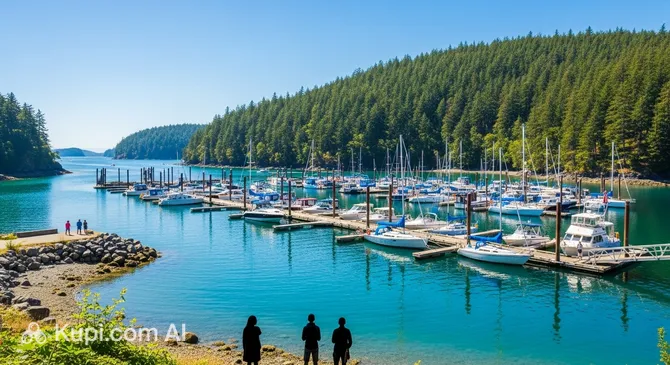
Telegraph Harbour is a true paradise for nature lovers and marine adventure seekers, nestled cozily on the picturesque coast of British Columbia. The town is situated between Vancouver Island and Thetis Island, surrounded by crystal-clear waters and dense coniferous forests. It is the perfect destination for those looking to escape the hustle and bustle of the city and see how beautiful and harmonious Canada can be.

Telegraph Harbour. Illustration.
Source: Kupi.com AI

There is no metropolitan noise here; life in this secluded settlement flows at a measured pace, following the rhythm of the tides. Telegraph Harbour is particularly popular among sailors: the local marina is considered one of the best in the region and serves as an excellent starting point for journeys through the archipelago. Guests can expect an atmosphere of complete tranquility, fresh sea air, and the opportunity to enjoy long walks by the water.

Despite its apparent simplicity, the history of Telegraph Harbour preserves the spirit of maritime traditions and coastal exploration. Today, this place attracts those seeking inspiration, birdwatchers, or anyone who simply wants to watch the sunset to the quiet sound of lapping waves. Come here to forget about time and feel a true connection with the wild.

Weather Overview

The climate in Telegraph Harbour can be described as mild and temperate, making this corner of British Columbia attractive to visit almost year-round. Thanks to the ocean's influence, there are no harsh frosts here, and summer heat is easily tolerated due to the fresh sea breeze.

Summer is undoubtedly the best season for travel, especially for sailing and walking enthusiasts. In July and August, the average temperature is a comfortable 19.6°C — 19.9°C, and on the warmest days, the air can heat up to 24–25°C. This is also the driest time of year: the number of rainy days drops to a minimum (about 5 days per month), allowing you to enjoy the sun.

Winters here are cool but without extreme cold. In January and December, the average temperature stays around 3.6°C — 4.0°C, rarely falling below 1°C. However, this period is characterized by high humidity: the number of days with precipitation can reach 20–21 per month, so waterproof clothing is a must-have item in your wardrobe.

Before planning your trip, we recommend checking the current weather in Telegraph Harbour to choose the right clothing and gear. Overall, expect a warm, mostly dry summer and a mild but rainy winter.

Average monthly temperature

Average monthly precipitation

Interesting Facts

Beyond its main attractions, Telegraph Harbour holds many fascinating secrets and local lore that make it special. Discover what lies beneath the calm waters and the hospitality of the local residents.

  • A Connection Through Generations. The town owes its name to the telegraph station that once played a key role in providing communication between the islands and the mainland. This historical heritage is highly valued by residents, and stories of the first telegraph operators have become part of local folklore.

  • The Special Marina Atmosphere. Telegraph Harbour is considered one of the friendliest harbors on the entire coast. Travelers on yachts and powerboats return here year after year, not just for the convenience, but to soak in the unique atmosphere of warmth and friendliness.

  • Neighbors from the Ocean. The local waters teem with marine life, making the coast an ideal platform for animal watching. You can often spot seals and sea lions here, and sometimes you might even see orcas in their natural habitat.

  • Legends by the Campfire. Local residents share a legend about an old lighthouse keeper from a neighboring islet. It is said that he not only lit the way for ships but was also a master storyteller of incredible sea adventures, which are still retold on the shore in the evenings.

How to Get There

A trip to this picturesque corner of British Columbia is a true mini-adventure. Since Telegraph Harbour is located on an island, it is impossible to get here solely by land: the final leg of the journey will inevitably involve a water crossing. To plan your logistics down to the smallest detail, we recommend exploring all the ways to get to the town, and below we will highlight the key transport hubs that will serve as your starting points.

The closest facility to the location is Nanaimo Airport (YCD), located in the city of Nanaimo, just 17.7 km from Telegraph Harbour as the crow flies. This is a convenient regional airport that receives flights from Vancouver and other cities in the province. Despite its proximity, keep in mind that the journey will require a transfer to a ferry or water taxi, as the airport is on the neighboring large Vancouver Island.

For those arriving from afar or on international flights, the main hub will be Vancouver International Airport (YVR). It is located on the mainland, approximately 43.7 km from the destination (straight-line distance). This is the largest gateway on the West Coast with excellent service. From here, your journey will continue by bus or car to a ferry terminal, followed by a scenic boat ride to the islands.

A convenient alternative is also Victoria International Airport (YYJ), located 39.6 km away. This is an excellent option if your route takes you through the capital of British Columbia.

Below is a summary table of the nearest airports for route planning:

AirportPassenger trafficDistance
Nanaimo Airport375 00018 km
Nanaimo Harbour120 00030 km
Victoria International Airport1.9 mln40 km
Vancouver International Airport24.9 mln44 km
Coal Harbour Seaplane Base500 00054 km

Train enthusiasts should consider the island specifics of the region. Rail connections here are developed differently than in Europe. The nearest major station is Vancouver Station, located on the mainland, approximately 53.8 km from Telegraph Harbour (across the strait). After arriving by train in Vancouver, you will need to transfer to a ferry crossing to reach your final destination.

Information about the nearest railway station:

StationPassenger trafficDistance
Esbjerg Railway Station753 06049 km
Vancouver Railway Station265 62654 km

Main Attractions

The main attractions of Telegraph Harbour are inextricably linked to its unique location on Thetis Island. You won't find noisy entertainment complexes or massive museums here; the essence of this place lies in harmony with nature, maritime traditions, and the slow pace of island life. Travelers come here to slow down and enjoy simple yet breathtaking experiences.

Telegraph Harbour Marina is undoubtedly the heart of the settlement and its main point of attraction. It is not just a place to moor yachts but a true social hub where life is always buzzing. Tourists love this spot for its historical atmosphere and its famous bistro, where you can taste fresh seafood while enjoying views of the boats bobbing on the waves. A walk along the wooden piers at sunset, as the sky turns shades of pink, will be one of the most vivid memories of your trip.

For outdoor enthusiasts and those seeking panoramic views, Burchell Hill is a must-visit. Although it is a natural landmark of Thetis Island as a whole, the trail to it often begins right from the harbor. The climb up the hill doesn't require specialized climbing gear, and the reward for your efforts is a breathtaking view of the Trincomali Channel and the neighboring Gulf Islands. It's the perfect spot for a picnic and photo sessions surrounded by wilderness.

Another gem in the vicinity is Pilkey Point Park, located on the northern tip of the island. You can reach it from Telegraph Harbour by bicycle or car. This place is famous for its rocky shores and secluded beaches where you can watch marine life for hours. This is where you are most likely to spot seals basking on the rocks, otters swimming by, and if you're lucky, majestic orcas.

Local Cuisine

The culinary scene in Telegraph Harbour is a hymn to freshness and the bounty of the ocean. There are no pretentious fine-dining restaurants here, but there is a sincere love for high-quality local products. Seafood takes center stage on the menu, arriving in the kitchen literally hours after being caught. Tourists must try the local oysters, mussels, and tender scallops. A true highlight is the salmon: it is masterfully grilled or smoked here using traditional recipes, preserving its juiciness and rich smoky aroma.

Special attention should be given to the homemade crab soup—thick, hearty, and aromatic, generously seasoned with fresh herbs and spices. This dish is perfect for warming up after a boat trip. Lovers of unusual flavor combinations will appreciate dishes featuring seaweed, often served with farm-fresh vegetables grown right on the archipelago's islands. Such food perfectly reflects the philosophy of the locals: simplicity, naturalness, and wholesomeness.

The sweet side of Telegraph Harbour is represented by homemade baked goods. Don't miss the chance to try pies with wild berries gathered in the surrounding forests—it's the taste of a real Canadian summer. At small farmers' markets, you can buy organic honey and homemade jams, which make excellent souvenirs. Popular drinks include wines from the Okanagan Valley or neighboring Vancouver Island, as well as local craft beer, which perfectly complements fish dishes.

The dining culture in the town is very relaxed and friendly. Locals and guests prefer to dine on open terraces overlooking the marina or arrange picnics right on the shore to the sound of the surf. In the summer, small food festivals are often held here, turning into cozy neighborhood gatherings where fishermen share their catch, and everyone enjoys the food and good company.

Travel Tips

Preparing for a trip to Telegraph Harbour requires special attention, as this secluded island community lives by its own rhythm, different from that of big cities. To ensure your vacation is as comfortable as possible and free of surprises, we have compiled a list of useful recommendations to help you enjoy the harmony of this place without unnecessary worries.

  1. Clothing and Gear. The weather on the coast is changeable, so dress in layers. Even in summer, evenings by the water can be chilly, so a fleece jacket and a waterproof windbreaker are essentials in your suitcase. Choose comfortable, flat-soled shoes (sneakers or boat shoes), as you will be walking on the marina's wooden piers and forest trails.

  2. Transport Accessibility. On Thetis Island, where the town is located, there is no public transport (no buses or taxis in the usual sense). The best way to get around is in a rental car brought over on the ferry. For outdoor enthusiasts, a bicycle is a great option, but be prepared for hilly terrain.

  3. Finances and Cash. The official currency is the Canadian dollar. While the marina and local pub accept cards, we strongly recommend withdrawing cash in advance while still on the "mainland" (for example, in Nanaimo). ATMs may not be within walking distance, and cash will be useful for buying handmade souvenirs or fresh produce at farm stalls. In Canada, it is customary to leave a tip of 15–20%.

  4. Communication and Internet. Be prepared for a "digital detox." Mobile service and 4G work reasonably well around the harbor but may drop out in the interior of the island. Wi-Fi is usually available in the marina area and cafes, but speeds may be limited. Download offline maps and any necessary documents in advance.

  5. Medicine and Safety. Telegraph Harbour is a very safe place, but there are no hospitals or 24-hour pharmacies here. The nearest qualified medical assistance is on neighboring Vancouver Island, which requires a ferry crossing. Be sure to bring a personal first-aid kit with all necessary medications.

  6. Local Etiquette. The island's residents are a friendly and open community. It is customary to greet those you meet while walking and even wave to drivers of passing cars. The main rule is not to rush. Service can be leisurely, which is part of the relaxed "island time" atmosphere.

  7. What to Avoid. Respect private property. Many picturesque stretches of shore and forest are private land. If you see a "Private Property" sign or a closed gate, do not enter without an invitation to avoid inconveniencing the locals.

  8. Planning the Crossing. Town life depends entirely on the BC Ferries schedule. Sailings can be delayed or canceled due to weather, and in the summer season, car spots fill up quickly. We advise arriving at the terminal in Chemainus at least 30–40 minutes before departure.

By following these simple tips, you can avoid minor everyday hassles and fully immerse yourself in nature. Telegraph Harbour is a place where you need to forget about the rush, turn off your phone, and simply enjoy the sound of the waves and the cries of the gulls. We wish you an unforgettable journey!

Entertainment & Nightlife

Entertainment and nightlife in Telegraph Harbour have a unique "island" character that differs drastically from noisy metropolises. Don't look for nightclubs with loud music, red-light districts, or 24-hour dance floors here. The evening life of this cozy settlement centers around socializing, delicious food, and contemplating nature under the starlit sky. This is a place where "going out" means dinner at the local bistro in the company of sailors and island residents.

The epicenter of all evening activity is the Telegraph Harbour Marina area. This is where the crowd gathers on the wooden boardwalks by the water after sunset. The atmosphere in the establishments is as relaxed and informal as possible: there is no strict dress code, and you would likely look out of place in formal evening wear. A comfortable fleece, jeans, and boat shoes are the perfect choice for a local evening. The crowd here is exceptionally friendly: you might find millionaires from luxury yachts, local artists, or fishermen at neighboring tables.

The main and essentially only hub for evening leisure is the Telegraph Harbour Marina Bistro. This establishment is the heart of the town's social life. In the evenings, quiet music plays, and on weekends during the peak season, local musicians often perform acoustic sets. It's the perfect place to try a local craft beer or a glass of British Columbia wine while discussing tomorrow's routes. Another popular meeting spot is the Thetis Island Marina Pub (located in the neighboring bay but frequently visited by Telegraph Harbour guests), which offers a classic English pub atmosphere with billiards and sports broadcasts.

When planning your evening, keep a few important practical points in mind:

  • Operating Hours: Island life winds down early. Kitchens in establishments may close as early as 8:00–9:00 PM, even in summer. Arrive early to ensure you can place an order.
  • Safety and Lighting: Telegraph Harbour is an extremely safe place with virtually no crime. However, the main "danger" is the darkness. Street lighting is minimal, so a flashlight is your best friend for returning to your yacht or cottage.
  • Transport: There are no night taxis or services like Uber here. If you plan on drinking, rely on your own feet or arrange a designated driver in advance if you are staying further inland.

As for daytime entertainment, it harmoniously complements the quiet evenings. There are no large museums or amusement parks. During the day, guests visit small galleries of local artisans showcasing woodwork and ceramics, or head out in kayaks to explore the coastline. History buffs can stop by the small old schoolhouse or simply enjoy a picnic in one of the nature parks while watching the ferries pass by.

Parks & Museums

The green spaces and cultural areas of Telegraph Harbour are inextricably linked with the unique ecosystem and creative spirit of Thetis Island. You won't find pompous museum complexes or strictly defined urban parks with paved paths here; instead, guests are greeted by untouched protected forests and cozy creative studios where history and art intertwine with the daily lives of islanders.

The main natural gem for hiking is the Moore Hill Nature Reserve. This is one of the highest points in the area, reached by a picturesque trail through dense forest where you can encounter ancient trees and rare bird species. The climb is worth the effort: from the summit, you get perhaps the best panoramic view of the channels and neighboring islands. It is an ideal spot for those seeking silence and wanting to see true British Columbia wilderness without the crowds of tourists.

For a more relaxed time by the water, visit Lawrence Point Park. This coastal stretch is famous for its rocky shores lined with arbutus trees, known for their characteristic reddish bark. A walk here allows you to enjoy the fresh sea breeze and observe the life of the intertidal zone. This spot is often chosen by locals for morning meditations or evening walks at sunset when the sun paints the rocks in golden hues.

Cultural life in Telegraph Harbour is intimate and very personal. Instead of classic museums, the role of history keeper is played by the Thetis Island Library, located in the Forbes Hall community center. It houses archives and books telling the stories of the first settlers, the development of telegraph communication, and the region's maritime traditions. For a tourist, it's a great opportunity to immerse yourself in the context of the place and learn what life was like on these shores a century ago.

The role of art galleries is played by the studios of local artisans. The island is famous for its ceramicists, painters, and woodcarvers. Many of them open their workshops to visitors by prior arrangement or during seasonal art tours. A visit to such a studio is not just about viewing exhibits, but a live conversation with the creator, a chance to see the process of art being born, inspired by the surrounding nature.

If you want a truly authentic experience, look out for the small "Honesty Stalls" along the roads. While not museums in the literal sense, these little kiosks with homemade jam, crafts, or fresh flowers, where payment is left in a box based on trust, are the best monument to the local culture of honesty and neighborliness.

Getting Around

A public transport system as a city dweller would know it—with subways, trams, or regular bus routes—is completely absent in Telegraph Harbour and across Thetis Island. This is a secluded island community where the infrastructure is geared toward privacy and personal transport. Therefore, it is important for travelers to plan their logistics in advance to move around the area comfortably.

The main transport artery connecting the location to the "mainland" is the BC Ferries service. Ferries run between the terminal in the town of Chemainus (on Vancouver Island) and Thetis Island. Essentially, this is the only way to get here for most tourists. The schedule changes depending on the season and day of the week, so it must be checked on the carrier's official website in advance. There are only a few sailings a day, and missing one can seriously disrupt your plans.

The payment system for the ferry has its own pleasant quirks. Tickets are purchased at the terminal booths in Chemainus before boarding, and payment is only collected for the one-way trip—when entering the island. The return trip from Thetis Island is free and does not require a ticket or inspection. You can pay with cash, as well as Visa, Mastercard, and American Express cards.

For getting around the immediate vicinity of Telegraph Harbour, the primary means is a car. Since there are no taxi services, Uber, Lyft, or car-sharing on the island, it is highly recommended to rent a car in larger cities (such as Nanaimo or Victoria) and bring it over on the ferry. Without a private vehicle, you will be limited to walking around the marina area, which will significantly narrow the scope of your holiday in Canada.

A popular and eco-friendly alternative to the car is the bicycle. Many guests bring their own two-wheeled transport, as there are no rental points on the island. The roads here are picturesque with minimal traffic, making cycling very pleasant. However, you should account for the hilly terrain—the ride will require some physical effort.

An interesting feature of the local transport culture is informal hitchhiking. There is no official program with roadside signs for ride-sharing on Thetis Island (unlike on neighboring Pender Island), but there is a long-standing tradition of mutual aid here. Locals often stop to pick up pedestrians walking along the road. This is an expression of neighborliness and trust characteristic of small communities. While it is a safe and friendly way to get from point A to point B, tourists should not rely on it as a guaranteed form of transport.

For boat owners, the "roads" are the straits and bays. Many travelers move between the islands of the archipelago on their own or rented powerboats and yachts. In this case, Telegraph Harbour Marina acts as the main transport hub, providing convenient mooring and access to onshore infrastructure.

Accommodation

Accommodation options in Telegraph Harbour perfectly match the spirit of this secluded place: you won't find high-rise chain hotels, noisy hostels, or all-inclusive resorts here. The town's lodging capacity is very limited and focused on creating a cozy, home-like atmosphere. The offerings mainly consist of small bed and breakfasts (B&Bs), private vacation cottages, and, of course, the option of staying on the water.

For many travelers, their own or a rented yacht moored in the local marina becomes their "hotel." If you prefer land, the most popular and convenient area to stay is the coastal zone near Telegraph Harbour Marina. By staying here, you will be at the heart of local life, with bistros, a shop, and picturesque sunset views close by. Locations deeper within Thetis Island are suitable for those seeking total seclusion and quiet surrounded by the forest.

Since there are no large hotels in the town, the housing market is primarily represented by the private sector. Tourists have access to cozy cottages and rooms in local residents' homes, which are often decorated in a nautical or rustic style. This provides a unique opportunity to immerse yourself in authentic island life. The price range varies from mid-range to high, which is explained by the exclusivity of the location and the limited number of offers.

Booking Tip: It is necessary to plan your stay in Telegraph Harbour well in advance. During the summer season (from May to September), demand significantly exceeds supply, and the best options are booked several months ahead. If you are traveling by yacht, a slip in the marina should also be reserved in advance, especially for weekends.

To find accommodation, it is best to use popular international short-term rental platforms or look for the websites of specific Thetis Island guest houses. Direct booking often allows you to discuss check-in details with the hosts, who are famous for their hospitality and can recommend the best spots for relaxation in the area.

Nearby Cities

For those who want to explore the surrounding area, Telegraph Harbour serves as an excellent starting point for day trips to several interesting nearby locations:

CityPopulationDistance
Chemainus4 0006 km
Ladysmith8 53711 km
Maple Bay17 km
North Cowichan29 67618 km
Ganges Harbour1 10018 km

Vancouver is the region's largest metropolis, offering a striking contrast to the quiet and measured life on Thetis Island. A trip here allows you to dive into a dynamic urban atmosphere: visit the famous Stanley Park, stroll through the historic Gastown district, or stop by the Museum of Anthropology. It is an ideal destination for shopping, gastronomic tourism, and experiencing the cultural life of the West Coast.

Richmond, located just south of Vancouver, is famous for its unique cultural environment and is considered one of the best places in North America to experience Asian cuisine. A must-visit here is the historic Steveston Village, where you can learn about the history of the canning industry and enjoy the freshest seafood right on the wharf.

Saanich, located on Vancouver Island, attracts nature lovers and fans of garden art. This area is known for its picturesque rural landscapes and proximity to the world-famous Butchart Gardens. A trip here is suitable for those who want to combine the comfort of urban infrastructure with the beauty of manicured parks and sea views.

These nearby destinations offer a glimpse into the diverse culture and landscapes of the region.

Shopping & Souvenirs

General Overview: Shopping in Telegraph Harbour is the polar opposite of the hectic trips to big-city shopping malls. People come here not for fashion brands or electronics, but for authenticity and warmth. The shopping infrastructure of the town and all of Thetis Island is minimal and primarily focused on meeting the basic needs of sailors and locals, as well as supporting local artisans. Shopping here becomes part of a slow-paced vacation, allowing you to get acquainted with the creativity of the islanders.

Main Shopping Areas/Streets: There are no shopping streets in the traditional sense in Telegraph Harbour. All commercial life is concentrated around the Telegraph Harbour Marina. This is where the main shop—the General Store—is located, serving as a grocery store, a shop for basic necessities, and a souvenir kiosk all in one. It is the only place where you can buy everything from fresh bread and ice cream to nautical charts and commemorative T-shirts with harbor logos. Walking along the marina's boardwalk and visiting this little shop is a mandatory ritual for every guest.

Shopping Centers: There are no large shopping centers, malls, or chain stores in Telegraph Harbour or on Thetis Island. If you need extensive shopping, clothing, or specialized equipment, it is best to plan a trip to nearby towns on the "mainland" (Vancouver Island), such as Nanaimo or Duncan. There you will find familiar supermarkets and shopping galleries.

Markets: The most interesting part of local shopping is the seasonal fairs and the unique system of "Honesty Stalls." During the summer season, a weekend market is often organized on weekends (usually near the Forbes Hall community center), where local farmers and artisans sell fresh vegetables, homemade baked goods, and handicrafts. Along the island's roads, you can find small, unattended stalls with jams, flowers, or eggs: you simply take the item and leave the money in a special box. It is an amazing experience that demonstrates the high level of trust within the community.

Souvenirs: From a trip to Telegraph Harbour, it's worth bringing back something handmade by local residents. Thetis Island is famous for its artisans, so a great gift would be original ceramics, woodwork, paintings by local artists, or knitted items. Gastronomic souvenirs are also popular: local honey, wild berry jams, or smoked salmon. At the marina shop, you can purchase branded clothing (hats, hoodies) with the Telegraph Harbour logo, which will serve as a reminder of your maritime journey through Canada.

Hours of Operation and Payment: The marina shop during the high season (summer) is open daily, usually from morning till evening, catering to the rhythm of life of the sailors. During the off-season, hours may be reduced. Canadian dollars in cash and major credit cards (Visa, Mastercard) are accepted. However, for purchases at markets, creative studios, or roadside stalls, it is highly recommended to have cash on hand (preferably small bills), as terminals are very rare there.

Taxes: In British Columbia, a sales tax (a combination of the federal GST and provincial PST) is added to the price of goods at the checkout, totaling 12%. Tourists should remember that shelf prices are usually listed without tax. Tax-free programs for tourists on everyday goods are not currently active in Canada.
Reached the end of the page?

That means the route is fully explored