Support

Ganges Harbour

About

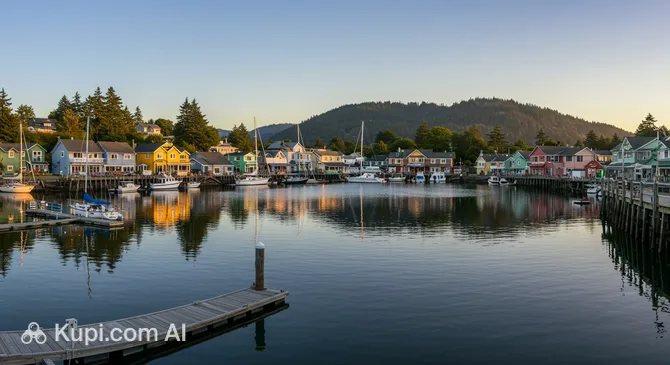
Ganges Harbour is the picturesque heart of Salt Spring Island and the perfect destination for those seeking tranquility in nature. Located in the province of British Columbia, Canada, this cozy town welcomes travelers with pure air and breathtaking views of the bay, framed by soft green hills and ancient forests.

Despite its modest size and a population of about 1,100 people, the town possesses a remarkably lively and warm atmosphere. Ganges Harbour is rightfully considered the cultural and creative hub of the region. Walking through its streets, you will notice many galleries, craft shops, and workshops where local artists exhibit their work, turning the town into a true open-air art space.

Ganges Harbour. Illustration.
Source: Kupi.com AI

The harmonious blend of modernity and tradition gives the place a special charm. Curious travelers will find the history of Ganges Harbour particularly interesting, as it helped shape this unique spirit of community and hospitality. It’s customary to take things slow here: locals are always happy to share a tip or a story, and tourists quickly feel at home in the cozy cafes and lively markets.

Ganges Harbour is more than just a point on the map; it’s an opportunity to escape the hustle and bustle of megacities and enjoy the moment. Be sure to visit this place to witness the famous golden-pink sunsets over the water and feel how time slows down surrounded by inspiring nature.

Weather Overview

The climate of Ganges Harbour is characterized by the mildness typical of coastal British Columbia. There are no extremes of heat or severe frosts, creating comfortable conditions for travelers year-round. Expect warm, sunny summers with minimal rainfall and cool, rather damp winters.

The best time to visit is considered July and August, when the average temperature stays around 20°C, sometimes rising to 25°C. Rain is a rarity during these months, and the number of rainy days usually doesn't exceed four. Spring and early autumn also offer pleasant weather: in May and September, the air warms up to 14–16°C, perfect for long walks.

The winter period here is mild but overcast. The average temperature in December and January is around 4°C, but be prepared for frequent precipitation—up to 20 rainy days per month. To choose the best dates for your trip and prepare for nature's whims, you’ll find a detailed weather in Ganges Harbour with monthly forecasts helpful.

Average monthly temperature

Average monthly precipitation

Interesting Facts

Beyond its main attractions and natural beauty, Ganges Harbour holds many fascinating secrets that reveal themselves only to the observant traveler. This town lives in its own special rhythm, filled with creativity and respect for the past.

  • A Nautical Heritage. The town was named after the British warship HMS Ganges, which was anchored in local waters in the late 19th century. There is a popular local legend stating that it was from this ship that European settlers first landed on the island, marking the beginning of Salt Spring's modern history.

  • The Coastal Art Capital. Ganges Harbour is known as one of the most creative places in Western Canada. The town has become the home or sanctuary for a vast number of Canadian artists, writers, and sculptors. It is believed that the mild climate and tranquil nature serve as the perfect source of inspiration.

  • The Salt Spring Market Phenomenon. The famous local market is more than just a place to shop; it is a true celebration of art. Every year, the island's best artisans gather here, and the commerce is accompanied by street musicians and theatrical performances, turning shopping into a cultural event.

  • The Magic of the Friday Sunset. Locals have a heartwarming tradition known as "Friday evening." Every week, residents and tourists gather on the waterfront to watch the sun dip below the horizon together to the sound of live music. They say it is in these moments that one can best feel the unique energy of unity and mutual support that reigns in the town.

How to Get There

A trip to this picturesque corner requires advance planning, as the town is located on an island in the Strait of Georgia. It can only be reached by water or air, which turns the journey itself into an exciting adventure. You can find out more details about how to get to Ganges Harbour, but below we will look at the main transport hubs through which most travelers pass.

Since there is no large airport in Ganges Harbour itself, the main hub for tourists is Vancouver International Airport (YVR). It is located about 44 km from the town (as the crow flies), but actual travel time depends on the ferry or floatplane connection. This is the region's largest aviation hub, receiving flights from all over the world. From here, you can reach the Tsawwassen ferry terminal to cross over to Salt Spring Island or use local airlines.

An alternative and often faster option is Victoria International Airport (YYJ), located just 24 km away. The journey from the airport to the Swartz Bay ferry terminal takes very little time, and the ferry crossing to the island takes about 35 minutes. It’s also worth considering Nanaimo Airport or the unique Victoria Inner Harbour Airport, which serves floatplanes that can deliver you directly to Ganges Harbour.

Below is a summary table of the nearest airports:

AirportPassenger trafficDistance
Victoria International Airport1.9 mln24 km
Nanaimo Airport375 00035 km
Vancouver International Airport24.9 mln44 km
Nanaimo Harbour120 00047 km
Victoria Inner Harbour Airport200 00049 km

If you prefer to travel by train, it’s important to note that rail service ends on the mainland. The nearest major station is Vancouver Pacific Central Station. Trains from other regions of Canada and the USA arrive here. After arriving at the station, you will need a transfer (bus or taxi) to the ferry terminal to continue your journey to Ganges Harbour by water.

Information about the nearest railway station:

StationPassenger trafficDistance
Esbjerg Railway Station753 06043 km
Vancouver Railway Station265 62655 km

Main Attractions

Ganges Harbour is the cultural and community heart of Salt Spring Island, where much of the local life is concentrated. Despite its compact size, this town offers travelers a rich program: from walking along the scenic waterfront to discovering the unique creativity of local artisans. Here are the top places to visit to feel the atmosphere of this cozy corner of Canada.

Salt Spring Saturday Market
This is perhaps the town's most famous attraction, drawing tourists from all over the region. Held in Centennial Park from April to October, the market is celebrated for its strict "make it, bake it, or grow it" philosophy. You won't find mass-produced goods here—only the freshest farm products, unique ceramics, jewelry, and paintings created by the hands of locals. It is the perfect place to buy authentic souvenirs and chat with the islanders.

Centennial Park
The green heart of Ganges, located right by the water. The park serves as the main venue for town events, festivals, and open-air concerts. It’s a lovely place to stroll along well-kept paths, have a picnic on the grass, or simply sit on a bench admiring the harbor views. There is an excellent playground for children, while adults will appreciate the proximity to the cafes and shops of the town center.

Ganges Harbour and Marina
A stroll along the docks is a must for any visitor. Life here is bustling: you’ll see yachts docking and floatplanes taking off and landing, connecting the island to the mainland. The wooden promenade along the water offers spectacular views of the bay and the surrounding hills. It’s the best spot for evening walks when the setting sun paints the water in golden hues.

Mahon Hall
A historic building that serves as the center of the town's artistic life. During the summer season, it hosts the famous ArtCraft sale and exhibition, featuring works from hundreds of Gulf Island artisans. Even if you don't plan on buying anything, it’s worth stopping by to appreciate the building's architecture and the high level of craftsmanship of local artists, as Ganges is often called one of the country's best "art villages."

Local Cuisine

The culinary scene in Ganges Harbour will surprise even sophisticated gourmets with its focus on sustainability and local production. The menu here is based on products grown right on the island: from juicy farm vegetables and organic fruits to famous craft cheeses. Travelers should be prepared for the fact that the taste of dishes here is defined by the season, as local chefs prefer to use only the freshest ingredients delivered from neighboring family farms.

Among the must-try delicacies, smoked salmon takes first place. In Ganges Harbour, it is prepared by skillfully combining modern culinary techniques with traditional Indigenous recipes, giving the fish a unique flavor. No less popular are the gifts of the sea: fresh oysters and mussels, caught in the crystal-clear waters of the bay, are served in many waterfront establishments. You can complement your meal with homemade bread and jams made from wild berries, which can often be found at farm market stalls.

The dining culture in town encourages relaxation and enjoying the moment. Cozy bakeries and small coffee shops hold a special place, where the morning begins with the aroma of freshly roasted coffee and hot pies with seasonal fillings. For connoisseurs of fine drinks, local wineries and breweries offer tastings of original products, many of which have received national awards. If your visit falls in the summer, try to attend the annual Food and Drink Festival to immerse yourself in the festive atmosphere and sample the best creations of local culinary masters.

Travel Tips

Traveling to Ganges Harbour means immersing yourself in the relaxed rhythm of island life, which will be even more enjoyable if you consider a few local peculiarities in advance. To ensure your vacation goes smoothly without any hitches, we have prepared a list of practical recommendations specific to this cozy corner of British Columbia.

  1. Clothing and Gear. The style of dress here is extremely democratic and relaxed—casual and "sporty chic" are perfect. The main principle is layering. Coastal weather is changeable, so even in summer, be sure to bring a waterproof windbreaker and a fleece jacket. For walks along the waterfront and nature trails, you'll need comfortable, non-slip shoes, as it can be damp after rain.

  2. Transportation. There are no subways or trams in Ganges Harbour, and public transport is limited to the BC Transit bus system, which runs on a schedule (sometimes with long intervals). To freely explore the surroundings and distant beaches, it is highly recommended to rent a car. E-bike rentals are also popular due to the hilly terrain. Ride-sharing apps like Uber may not be sufficient here; it's better to rely on local taxi services.

  3. Finances and Cash. The official currency is the Canadian Dollar (CAD). While most restaurants and shops in town accept cards, you will definitely need cash. It is critical for visiting the famous Saturday Market and buying goods from street artisans. There are ATMs in town, but it’s better to withdraw money in advance. It is customary to leave a 15–20% tip in cafes.

  4. Health and Safety. Ganges Harbour is a very safe place with low crime rates. The main threat comes not from people, but from wildlife: be extremely careful on the roads at dusk, as deer frequently run onto the roadway. The town has pharmacies (operating during standard hours, not 24/7) and Lady Minto Hospital for emergencies.

  5. Communication and Internet. The primary language is English. There are no issues with Wi-Fi in the town center or cafes; however, remember that mobile service can drop as soon as you drive away from Ganges into the island's interior or toward remote beaches. We recommend downloading offline maps in advance.

  6. Local Etiquette and Ecology. Salt Spring islanders are very passionate about the environment. It is considered good manners to go to the store with your own reusable bag (plastic bags are often not provided) and to carry a reusable coffee mug. Be polite, greet shopkeepers, and don't be surprised if strangers smile at you on the street.

  7. What to Avoid. The main rule is to avoid rushing and aggressive driving. Locals live on "island time," so impatience in a queue or honking on the road will be perceived as rudeness. It is also categorically discouraged to leave trash in nature—this will draw sharp disapproval from the community.

  8. Planning Your Crossing. Since Ganges is on an island, your connection to the "mainland" depends on ferries. During the summer season and on weekends, ferry tickets sell out very quickly. We strongly recommend booking a spot for your car on the ferry in advance (several weeks ahead); otherwise, you risk spending many hours waiting at the terminal.

Ganges Harbour is a place that teaches you to enjoy the moment and appreciate the simple joys of life. By following these simple tips, you’ll quickly feel like a "local" among the friendly islanders and take home only the warmest memories of Canadian hospitality.

Entertainment & Nightlife

Nightlife in Ganges Harbour is a world away from bustling metropolises. You won't find neon signs for massive nightclubs or discos that run until dawn. Evening leisure in this town is steeped in the relaxed atmosphere of "island time," where the main attractions are live music, craft drinks, and heartfelt conversations in cozy pubs.

The center of evening life is concentrated along the town's main artery—Lower Ganges Road—and right by the harbor. This is where locals and tourists gather after sunset, with views of yachts swaying on the waves. The crowd is diverse but invariably friendly, ranging from local artists and farmers to travelers from around the world. There is practically no dress code—casual style is appropriate in any establishment.

If you're looking for a place to spend the evening, be sure to check out these iconic spots:

  • Moby’s Pub — perhaps the most famous venue for evening relaxation in Ganges, located right by the water. The pub is known for its laid-back atmosphere and regular concerts by local bands playing everything from blues and jazz to rock. It offers an excellent selection of local craft beers and hearty food. It’s the perfect place to dance on a Friday night or catch a sports match.

  • The Tree House Cafe — a unique restaurant built around a living tree. During the summer season, it is the heart of the island's musical life, with musicians performing under the open sky every evening. The atmosphere here is more intimate and romantic, perfect for dinner under the stars.

When planning your evening, it’s important to keep local operating hours in mind. "Nightlife" here ends quite early. Kitchens in many restaurants may close as early as 8:00–9:00 PM, and bars rarely stay open past midnight, even on weekends. Prices are average for British Columbia standards but higher than on the mainland: dinner with drinks will cost approximately 40–60 CAD per person.

Safety and transport deserve a separate mention. Ganges Harbour is an extremely safe place, and nighttime walks pose no threat from people. However, streets are often poorly lit, so a flashlight will come in handy. The main challenge is getting home. Services like Uber do not operate here, and local taxis must be called in advance as there are few cars on the line. If you are staying outside of town, arrange your transfer in advance to avoid being stranded in the center after the venues close.

During the day, Ganges Harbour offers quieter but equally engaging activities. The town is known for its numerous art galleries and studios, which can be explored on foot. Outdoor enthusiasts can rent a kayak to paddle around the bay or go hiking in nearby Mount Maxwell Provincial Park, which offers breathtaking panoramas of Canada and the neighboring islands.

Parks & Museums

The cultural and natural landscapes of Ganges Harbour are inextricably linked: art here draws inspiration from the surrounding scenery, and green zones often become venues for creative expression. For tourists, this means the chance to combine walks through ancient forests with visits to world-class galleries without leaving the bounds of this cozy town in British Columbia.

Among the natural areas, Mouat Park holds a special place. Located just a few minutes' walk from the bustling center, it transports visitors into the atmosphere of a true rainforest. Here you can walk among majestic cedars and Douglas firs, some hundreds of years old. For tourists, the park is interesting for its accessibility and network of well-maintained trails, perfect for easy hiking. Additionally, it features a popular disc golf course that attracts both locals and island guests.

Another important green spot is Rotary Marine Park. This is a small but incredibly scenic area on the waterfront, known for its views of the harbor and passing floatplanes. The park is famous for its "Mermaid" sculpture, which has become one of the symbols of the town. It’s an ideal place for those who want to enjoy the sea breeze, have a picnic on the shore, or simply watch the life of the port in a calm setting.

Ganges Harbour is often called one of Canada's best "small art capitals," and local galleries confirm this status. The Waterfront Gallery is a must-visit. This is a unique cooperative run by the artists themselves, featuring works by over a hundred local makers. Here you can find everything from ceramics and textiles to jewelry and paintings. For tourists, this place provides a rare opportunity to speak with the creators directly and purchase authentic souvenirs made on the island.

Fine art lovers should visit the Pegasus Gallery of Canadian Art. This gallery specializes in significant Canadian art, including historical and contemporary works, as well as pieces by Northwest Coast Indigenous peoples. A visit to the gallery is an immersion into the history of Canadian painting and sculpture. The collection is impressive in its scale and quality, offering a museum-level cultural experience in the intimate setting of an island town.

While major historical museums are located a bit further from the center, Ganges itself is steeped in history. Walking through town, notice the preserved buildings from the early 20th century, such as Bitancourt House (located on the Farmers' Institute grounds), which serves as an excellent example of pioneer architecture. For those wanting to dive deeper into the past, we recommend finding time for a visit to this historic complex, where exhibitions about the island's first settlers are regularly held.

Insider Tip: Don't limit yourself to the main streets. Pick up an "Art Walk" map from the visitor center and take a self-guided tour of the smaller studios. Many artists open their workshop doors to visitors, and it is there, amidst the scent of paint and wood, that you can feel the true creative pulse of Ganges Harbour.
Getting Around

The public transport system in Ganges Harbour and across Salt Spring Island is set up quite differently from major metropolises. You won't find subways, trams, or high-speed commuter trains here. The primary and only form of municipal transport is BC Transit buses. This small but efficient network (the Salt Spring Island Transit System) connects the center of Ganges with ferry terminals (Fulford Harbour, Long Harbour, and Vesuvius) and major residential areas, including the vicinity of Ruckle Park.

A simple system is in place for paying bus fares. Drivers accept cash, but it’s important to remember they do not provide change, so you must have the exact amount in coins. If you plan on making several trips in a day, the most economical option is to purchase a DayPASS—a day pass that can be bought directly from the driver when boarding. For those staying on the island longer, booklets of 10 tickets are sold at local supermarkets and pharmacies (such as Thrifty Foods or Pharmasave), which works out cheaper than individual fares.

Tourists should keep one important detail in mind: buses run strictly according to a schedule, which can change depending on the season and day of the week. Intervals can be significant, so it is highly recommended to check departure times in advance on the BC Transit website or pick up a paper "Rider’s Guide" at the visitor center or on the ferry. All buses are also equipped with bike racks, which is very convenient for active travelers.

Since public transport does not cover all corners of the island and stops running fairly early in the evening, many guests prefer alternative ways of getting around. The most popular option is renting a car, which provides complete freedom of movement. Local taxi services also operate in Ganges Harbour, but common apps like Uber practically do not function here, or there are very few cars available. It is best to order a taxi by phone in advance, especially in the evening or on weekends.

In recent years, e-bike rentals have become a real hit. The local terrain is full of hills, so an electric motor significantly eases the climb, allowing you to enjoy the views without exhausting physical exertion. The center of Ganges Harbour itself is very compact: shops, galleries, the market, and the waterfront are all within walking distance of each other, so you likely won't need transport to explore the town itself.

Accommodation

The choice of accommodation in Ganges Harbour perfectly reflects the island's relaxed and creative atmosphere: you won't find large, impersonal hotel chains or high-rise hotel complexes here. Instead, the town and its surroundings offer tourists cozy boutique hotels, historic inns, charming Bed and Breakfasts (B&Bs), and many options for renting private cottages and forest cabins. The focus is on individual approach, sustainability, and homey comfort.

In terms of location, the most convenient area to stay is the town center and the waterfront. Staying here puts you within walking distance of the famous Saturday Market, galleries, restaurants, and grocery stores. This is the ideal choice for those traveling without a car or wanting to be in the heart of the action. If you're looking for complete seclusion, consider accommodations on the forested hills around the harbor: they offer stunning panoramic views of the bay, and your neighbors will likely be just deer and birds.

Since Ganges Harbour is a very popular destination, especially during the summer season (May to September), the main tip for travelers is to book your accommodation in advance. The best options with sea views or within walking distance of the center are often booked 3–4 months before the trip. On peak dates, such as long weekends or during major festivals, finding a free room without a prior reservation is nearly impossible.

The price range varies from mid-range to high. Budget hostels are very rare here, so it’s wise to plan your budget with a cushion. Reservations can be made through popular international online platforms or directly via the owners' websites—the latter often allows you to find unique offers in small family-run guesthouses that may not be listed on major aggregators.

Nearby Cities

For those looking to explore the surroundings, Ganges Harbour serves as an excellent starting point for day trips to several interesting nearby locations:

Victoria — the capital of British Columbia, located on neighboring Vancouver Island. It is a city with pronounced British charm, famous for its colonial architecture, well-tended gardens, and scenic Inner Harbour. A day trip here will allow you to visit the historic Parliament Buildings, stroll through the famous Butchart Gardens, and enjoy an urban atmosphere that contrasts sharply with the rural charm of Salt Spring.

Vancouver — one of the world's most beautiful metropolises, where modern skyscrapers sit alongside majestic mountains and the ocean. If you're up for a slightly longer journey (by ferry or floatplane), Vancouver offers endless opportunities for shopping, culinary discoveries, and strolls through the massive Stanley Park. This is the perfect option for those who want to swap the island's silence for the dynamic rhythm of a big city for a day.

Richmond — a city located near Vancouver, known for its vibrant Asian culture and cuisine. It is home to the famous Night Market and the historic fishing village of Steveston, where you can try fresh seafood right off the boats. Richmond is great for food tourism and discovering the region's cultural diversity.

CityPopulationDistance
Montague Harbour9 km
Maple Bay10 km
North Cowichan29 67618 km
Duncan44 45118 km
Telegraph Harbour18 km

These nearby destinations provide a glimpse into the diverse culture and landscapes of the region, perfectly complementing a relaxing stay in Ganges Harbour.

Shopping & Souvenirs

Shopping in Ganges Harbour is a far cry from the usual trips to major metropolitan malls. You won't find neon signs of international brands or massive shopping centers here. Instead, the town offers the cozy atmosphere of small boutiques, craft shops, and galleries, where every item has its own story and is often handmade by locals. Shopping here is a way to support the local community and take home a piece of the island's unique spirit.

The main event of the town's retail life is undoubtedly the Salt Spring Saturday Market, held in Centennial Park from April to October. It operates under the strict motto "make it, bake it, or grow it," which guarantees the absence of resellers and imported mass-market goods. It is the perfect place to find authentic souvenirs:

  • Ceramics and Pottery. The island is famous for its artisans, and at the market, you can find unique mugs, vases, and plates, all hand-painted.

  • Natural Cosmetics. Be sure to look for products from local soap makers, created from organic ingredients and herbs gathered in Canada.

  • Jewelry. Local jewelers offer original pieces made from silver, stones, and even recycled materials.

Beyond the market, shopping life thrives on the streets of the town center, especially along Lower Ganges Road. Here you'll find charming bookstores where you can discover rare editions and works by local authors, as well as clothing boutiques offering pieces made from natural fabrics in "boho" and "West Coast casual" styles. Vintage lovers and those seeking unusual finds should check out the local second-hand and thrift stores, where real treasures often turn up.

Ganges Harbour is also known as a gastronomic paradise for lovers of natural products. Specialized shops and grocery stores in town sell the famous island cheeses (especially goat cheese), homemade wild berry jams, honey from local apiaries, and freshly roasted coffee. These delicious souvenirs make excellent gifts for loved ones.

Most shops in Ganges operate on a relaxed schedule: they open around 10:00 AM and close by 5:00–6:00 PM. On Sundays and public holidays, hours may be reduced. If you plan to make purchases at the market or from street artists, be sure to have cash on hand, as not all vendors have payment terminals.

Reached the end of the page?

That means the route is fully explored