Support

Almagro Park

About

Almagro Park (Parque Almagro) is one of the most important green oases in the heart of Chile's capital, Santiago. This urban park, spanning 12 hectares, serves as a wonderful place to escape the city bustle, take walks, and get a feel for the daily life of the Chilean capital.
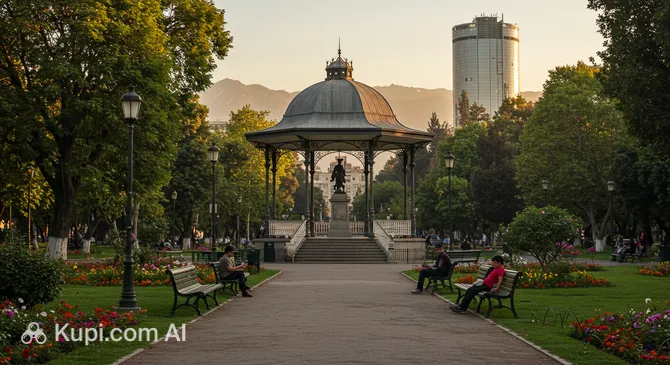
Almagro Park. Illustration.
Source: Kupi.com AI

Traveller photos:

The uniqueness of the park lies in its location, surrounded by iconic architectural landmarks: the majestic Sacramentinos Basilica rises on the eastern side, while the elegant Cousiño Palace stands to the west. This proximity makes a walk through the park even more engaging, allowing you to combine nature and historical sightseeing.

Almagro Park also plays a vital role in urban planning, marking the northern end of the famous Paseo Bulnes. This makes it a convenient starting point for many walking routes through central Santiago. Thanks to its excellent location, reaching the park is easy: metro stations are nearby, one of which, "Parque Almagro," is named after it, while "Toesca" station is just a few minutes' walk away.

Contacts

Almagro Park is a public open space, so it does not have its own visitor contact center. For the latest information, such as scheduled events, it is best to contact the Santiago tourist offices or the municipal administration that manages the park directly. The most convenient way to reach the park is by metro—the "Parque Almagro" station is located nearby.

How to contactContact
AddressAv. Sta. Isabel, Santiago, Región Metropolitana, Chile

What to Do

In Almagro Park, visitors will find many ways to enjoy time outdoors. It is an ideal spot to take a break from the city's hustle and bustle, stroll along well-kept paths in the shade of trees, or simply sit on one of the many benches. Many locals and tourists come here to enjoy a picnic on the grass, read a book, or watch city life go by.

In addition to quiet relaxation, the park offers cultural enrichment. Of particular interest are the monuments dedicated to key figures in Chilean history. Here, you can see the equestrian statue of Diego de Almagro, the Spanish conquistador after whom the park is named. Also on the grounds is a monument to President Pedro Aguirre Cerda, designed as an abstract composition of stone blocks, and a monument honoring Luis Emilio Recabarren, the founder of the Socialist Workers' Party.

A walk through Almagro Park is also an opportunity to enjoy views of the surrounding architectural masterpieces. To the east, there is a beautiful view of the majestic Sacramentinos Basilica, and to the west, the elegant Cousiño Palace. These buildings provide an impressive backdrop and add cultural value to your visit, harmoniously blending nature and history in the heart of Santiago.

Getting There

Getting to Almagro Park is quite easy thanks to its convenient location in the central part of Santiago. The fastest and most convenient way is undoubtedly by metro. The "Parque Almagro" station, which serves Line 3 and is named in its honor, is located right next to the park. The exit is in the immediate vicinity of the park entrance.

Alternatively, you can take the metro to the "Toesca" station (Line 2), which is just a few minutes' walk away. Naturally, the park is also easily accessible by surface public transport—many bus routes pass through this area. A taxi ride from the historic city center will also be quick and won't take much time.

If you prefer exploring the city on foot, walking to the park from other central Santiago attractions is an excellent option. The park is located in the Almagro district and serves as a starting point for many routes, allowing you to combine outdoor relaxation with a look at the architecture of the capital of Chile.

Nearest city: Santiago

History & Facts

The history of Almagro Park dates back to the mid-17th century, when a public square served as a resting place for travelers on this site. A significant turning point for the area occurred in 1828, when the land was purchased from Admiral Manuel Blanco Encalada. Soon after, a market was established here, popularly known as "Alameda de los Monos" (Monkey Alley) or "Cañada del Conventillo" (The Tenement Ravine).

The park took on its modern appearance relatively recently. The official transformation of this area into a full-fledged city park took place only in 1983 as part of a large-scale development project for Santiago's Civic District. Interestingly, the park was laid out on land originally intended for the construction of a new building for the National Congress of Chile. This unexpected turn in urban planning gave the capital a green oasis instead of another monumental government building.

The park was named after Diego de Almagro, a Spanish conquistador and one of the first Europeans to reach Chilean lands. His expedition took place in 1536, and although historically his first landing occurred in the Valparaíso area, it was his name that was immortalized in the name of this iconic capital park. Thus, Almagro Park is not only a place for relaxation but also a living reminder of key moments in the country's history.

Time Needed

When planning a visit to Almagro Park, you can safely set aside 1-2 hours. This will be quite enough to take a leisurely stroll through its shaded alleys, see the monuments located on its grounds, and simply relax on one of the benches while enjoying the atmosphere of this green oasis in the center of Santiago.

If you want to explore the area more thoroughly, it's worth allocating additional time. Almagro Park serves as an excellent starting point for visiting nearby attractions. For example, a visit to the majestic Sacramentinos Basilica or the elegant Cousiño Palace, located within walking distance, can easily turn your walk into a fascinating half-day excursion, allowing you to dive deeper into the history and culture of the capital of Chile.

Working Hours

Almagro Park is a public urban space open to visitors year-round. Like many parks in Santiago, it does not have strictly defined opening hours and is likely accessible for walks at any time. Entrance to the park is free, so there is no need to purchase tickets or book in advance.

While official operating hours are not established, it is recommended to visit the park during daylight hours for the most comfortable and safe experience. Since the park does not have its own website, you can check for information about potential events or temporary restrictions at the city's tourist centers or on the official portals of the Santiago municipality.

Open 24/7

Nearby

Visiting Almagro Park is a wonderful opportunity to relax in the heart of Santiago, but the real adventure begins when you step outside its borders. The area surrounding the park is rich with historical and cultural sites that offer a deeper understanding of the Chilean capital's character. A stroll through the nearby streets will reveal iconic palaces, lively squares, and cultural centers.

Thanks to the park's favorable location, many of the city's key attractions are within walking distance. This makes Almagro Park an ideal starting point for a self-guided tour of central Santiago, allowing you to easily combine outdoor leisure with a rich cultural program. Below is a list of interesting places located nearby.

NameDistance
Cousiño Palace0.3 km
Fantasilandia1.2 km
Neptune Fountain1.5 km
Santiago's Plaza de Armas1.6 km
Amistar Apart Hotel1.8 km
Gabriela Mistral Cultural Centre1.9 km
National Museum of Fine Arts2.1 km

Reached the bottom of the page?

Looks like you know this route inside out