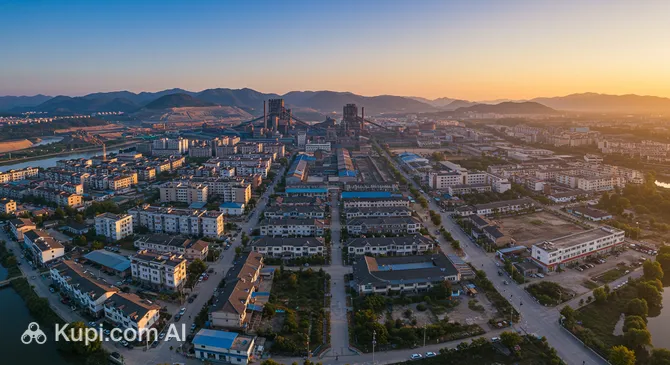
Located in the heart of Jiangxi Province, Fengcheng is a dynamic urban hub that harmoniously combines industrial development with a rich cultural heritage. Known as the "Phoenix City," it boasts a unique atmosphere where modern residential developments coexist with a traditional way of life. With a population of over 540,000 people, it serves as an important economic center for the region while maintaining the tranquility of provincial China.
Fengcheng. Illustration.
Source: Kupi.com AI
Geographically, the city occupies a favorable position in the Gan River basin, which has historically contributed to its prosperity. Looking at the centuries-old history of Fengcheng, one can see how it transformed from an agricultural center into a vital industrial hub. For the traveler, this city is primarily interesting for the opportunity to see the real, non-touristy China, get acquainted with the daily life of locals, and enjoy regional hospitality.
Among the city's features are its spacious squares and lively markets, which become centers of social life in the evenings. Although Fengcheng doesn't always make it onto top tourist itineraries, its authenticity, proximity to major cultural centers, and status as the "Phoenix City" make it a worthy stop on a route through Jiangxi Province. We invite you to explore this corner of the country to feel the rhythm of life in a modern Chinese county.
Weather Overview
The climate in Fengcheng is characterized as humid subtropical, with clearly defined seasons. Expect truly hot summers with high humidity and frequent rain, as well as cool, overcast winters. The warmest month is July, when average daytime temperatures reach +33.6°C, while the coldest is January, with averages around +5.2°C.
Precipitation occurs throughout the year, but the peak falls during the spring and summer periods. April, May, and June are particularly rainy, with monthly norms sometimes exceeding 300–500 mm. During this time, humidity levels rise significantly, making the heat feel more intense. Autumn, by contrast, often brings dry and comfortable weather, making it the ideal time of year to visit.
If you are planning a trip, we recommend checking the city's climate in advance to choose your wardrobe correctly. In winter, despite the absence of severe frosts, the high humidity and lack of central heating can make it quite chilly, so warm layered clothing will be useful.
Average monthly temperature
Average monthly precipitation
Interesting Facts
Phoenix City: The city received its name "Fengcheng" thanks to legends of the mythical phoenix bird, reflecting its cultural significance in the region's history.
Demographic Leap: Over recent decades, the city has shown impressive growth—in 1950, its population was just over 3,000 people, whereas today more than half a million residents live here.
Vast Territory: Despite its status as a county-level city, Fengcheng manages a territory of over 5,500 square kilometers, which is comparable to the size of some small countries.
Transit Hub: Due to its location, the city serves as an important link between the provincial capital and southern regions, making it a convenient point for travelers exploring Jiangxi.
How to Get There
Fengcheng has a well-developed transport network, making it easily accessible for travelers moving through East China. The city does not have its own airport; however, its proximity to major transport hubs fully compensates for this. Most tourists arrive here via neighboring metropolises using modern high-speed trains or intercity buses.
The nearest major air hub is the international airport in Nanchang. From there, Fengcheng can be reached in about an hour to an hour and a half by taxi or regular express bus. Choosing this route provides access to a wide network of international and domestic flights.
Rail travel is the most convenient way to reach the city. Fengcheng Railway Station handles trains from various directions, connecting the city with key centers of Jiangxi Province and neighboring regions. A trip from Nanchang on a high-speed train takes very little time, allowing for even one-day visits. There is also a regular bus service with neighboring cities, such as Zhangshu.
To plan your trip, you can use the detailed transport guide to choose the most optimal route and view current schedules.
Main Attractions
Although Fengcheng is primarily an industrial and residential center, it offers visitors several interesting locations for walks and insight into local life. The main attractions here are the central squares, where hundreds of residents gather in the evenings for traditional dancing, Tai Chi, and socializing. These are ideal spots for observing the social life of provincial China.
The embankment and adjacent recreation areas are important pieces of urban infrastructure and great places for leisurely strolls. The city's architecture is a mix of functional modern buildings and neighborhoods that have retained features from past decades. Tourists will find it interesting to visit the traditional markets located near the stations, where you can feel the color of everyday trade and find unique locally produced goods.
As the city holds the status of "Phoenix City," images of this mythical bird are often found in urban design and small architectural forms. Its proximity to major cultural centers, such as Nanchang, allows travelers to use Fengcheng as a convenient base for day trips to the more famous historical monuments of Jiangxi Province before returning to the calm and cozy atmosphere of the county town in the evening.
Local Cuisine
The gastronomic scene in Fengcheng is based on the traditions of Jiangxi Province cuisine (Gan cuisine), which is famous for its spiciness, the use of fresh river products, and aromatic spices. The staple diet of locals consists of rice, noodles, and a variety of vegetables, which are prepared here with great skill. One of the characteristic features of local cuisine is the moderate use of oil and an emphasis on preserving the natural flavor of the ingredients.
Be sure to try the signature fried noodles (chaomian) with seasonal vegetables and meat, as well as local soups, which are often cooked in large clay pots. Due to the city's proximity to the river, fresh fish and shrimp dishes are always on restaurant menus. For those who enjoy a bit of heat, dishes featuring the famous local chili peppers, which are added to almost everything here, are highly recommended.
The dining culture in the city is very casual. The best gastronomic discoveries await you at the night markets and in small family-run restaurants (fandian), where prices per portion range from 10 to 50 yuan. Among beverages, classic green tea is popular, as is local beer. Street food is the best way to get to know the true taste of the city: don't miss the chance to try grilled corn or steamed baozi buns straight from the stall.
Travel Tips
A visit to Fengcheng will allow you to see the real China without embellishments, and to make your trip as comfortable as possible, use our practical tips.
Clothing and Season: Summers in the region are hot and humid, so choose clothing made of natural fabrics. For winter, which can be quite cool (around +5°C), you will need a light jacket. Be sure to bring comfortable shoes for long walks and an umbrella.
Intra-city Transport: The most convenient way to get around is by taxi through the Didi app. This will save you from having to explain the address to the driver in Chinese.
Finances: Cashless payments via WeChat Pay and Alipay dominate in China. Set up these apps in advance, but always carry some cash in yuan for small shops. International cards are only accepted at very large banks.
Communication: English is practically not spoken in the city. Be sure to download an offline translator and carry a card with the hotel address written in Chinese characters.
Connectivity: Buy a local SIM card at Nanchang airport or a major telecommunications office. Remember that to access familiar Western services in China, you will need a VPN.
Local Etiquette: Greet people with a slight nod of the head. In China, it is not customary to leave tips in restaurants or taxis—this might even embarrass the staff.
What to Avoid: Do not plan trips during peak hours on public transport and try not to photograph military or sensitive government sites.
Safety: The city is very safe, but when staying at a hotel, don't forget to ensure that the administration has registered your stay with the local police station (this is usually done automatically when your passport is scanned).
Fengcheng will welcome you with sincere smiles and a calm pace of life—just be open to new experiences!
Entertainment & Nightlife
Entertainment in Fengcheng is primarily geared towards local residents, allowing tourists to fully immerse themselves in an authentic environment. The city's nightlife is concentrated around karaoke clubs (KTV), which are the most popular form of evening leisure in China. Here, you can find boisterous groups of young people as well as families celebrating special events. Most KTV establishments offer private rooms and stay open late into the night.
For those who prefer a more relaxed pace, the city offers a network of traditional tea houses. These are places with a special aesthetic where you can not only taste the best tea varieties from Jiangxi Province but also play mahjong or chess with local elders. After sunset, the evening markets and street food courts come alive, offering a casual atmosphere where you can sample local delicacies under the open sky.
Daytime activities include visiting city cinemas in shopping areas and strolling through parks. If you're looking for larger-scale entertainment, nightclubs, or major concert venues, it's worth taking a short trip to neighboring Nanchang. In Fengcheng itself, a period of quiet begins after 10:00 PM, which is perfect for lovers of peaceful rest and early morning walks through the city.
Parks & Museums
The green zones of Fengcheng play an important social role, serving as the main places for relaxation and socialization for the townspeople. Central city parks, while not reaching the scale of nature reserves, offer cozy paths for walking, picturesque Chinese-style gazebos, and areas for physical exercise. Thanks to the low building density in some parts of the county, residents and visitors always have access to open spaces and fresh air.
The city's museum life is represented by small exhibitions dedicated to local achievements and the history of the region. Although there are no major world-class art galleries here, the urban architecture and commemorative signs related to the "Phoenix City" status are themselves reflections of the local cultural code. For a deeper dive into the history of Jiangxi Province, tourists often visit the museums in nearby Nanchang.
The rural landscapes surrounding the city give Fengcheng a special charm. Wooded hills and the banks of the Gan River provide excellent opportunities for light trekking and picnics in nature. These are functional spaces where nature is harmoniously woven into daily life, offering a peaceful alternative to busy tourist centers.
Getting Around
The backbone of the Fengcheng transport system is the municipal bus network, which connects the city center with its outskirts and neighboring settlements. Intervals range from 10 to 30 minutes, and fares are extremely low—usually between 1 and 5 yuan. Be aware that during peak hours (from 7 to 9 AM and 5 to 7 PM), buses can be crowded with locals commuting to work.
Taxis are the most comfortable way for a tourist to get around. Official services operate in the city, alongside the popular mobile app Didi. A trip within the city center usually costs 10–20 yuan. Due to the relatively low building density, serious traffic jams are rare, allowing for quick travel to your destination.
For short trips around the city during the warmer months, locals often use electric scooters and bicycles. While city bike-sharing systems are less developed here than in major metropolises, walking along the central streets remains a perfectly comfortable option. When planning trips, remember that after 9:00 PM, the amount of public transport on the routes decreases significantly, and taxis become the only reliable way to get around.
Accommodation
The hospitality sector in Fengcheng is primarily oriented towards business travelers and transit tourists, which determines the nature of the accommodation available. The market is dominated by mid-range and budget hotels offering quality service at very affordable prices. There are virtually no luxury five-star hotels from international chains in the city, but local hotels often surprise guests with modern interiors and warm hospitality.
The most convenient area to stay is the city center and the zones adjacent to the railway station. This provides easy access to public transport, local markets, and restaurants. Prices for a standard double room usually range from 150–300 yuan per night, making the city an excellent option for a budget trip through China.
When booking, keep in mind that not all budget hotels are licensed to accommodate foreign citizens, so it is recommended to choose verified options through major international or Chinese booking services. During Chinese national holidays, the demand for housing increases, so it's best to look for a room in advance.
Nearby Cities
Fengcheng is an excellent starting point for exploring the central part of Jiangxi Province, offering travelers convenient access to the region's cultural and natural attractions. The city's location allows for comfortable day trips to neighboring metropolises and picturesque counties.
Just 59 kilometers away is Nanchang—the provincial capital, a city with a rich history and modern entertainment. There, you should visit the famous Tengwang Pavilion, one of the symbols of China, and enjoy a walk along the Gan River embankment. Another interesting destination is Zhangshu, known as the "pharmaceutical capital" of China, where you can learn about traditional Chinese medicine and visit ancient temples.
For those seeking a more secluded getaway, small settlements like Qiantancun or Jiangdi, where traditional rural life is preserved, are ideal. Exploring the surroundings of Fengcheng will allow you to see the diversity of China—from the shining lights of the metropolis to quiet riverbanks and green hills.
Shopping & Souvenirs
Shopping in Fengcheng is primarily a fascinating introduction to local life and everyday goods. You won't find world-famous boutiques here, but the city offers many opportunities for bargain hunting. The main commercial activity is concentrated on the streets around the railway station and in the central part of the city, where rows of small shops offer clothing, electronics, and household goods at reasonable prices.
For those looking for authentic products and souvenirs, the local food markets are a must-visit. Here, you can buy fresh tea from the Jiangxi Province plantations, dried mushrooms, spices, and local delicacies. Typical souvenirs worth bringing back include Chinese silk products, traditional ceramics, or tea sets, which cost significantly less than in major tourist centers.
Most shops are open daily from early morning until 9–10 PM. For payments, it is most convenient to use mobile payment systems like WeChat Pay or Alipay, though it is always useful to have some cash in yuan for small stalls and markets. Large supermarkets and small chain convenience stores (such as FamilyMart) are available for buying everyday essentials and groceries.