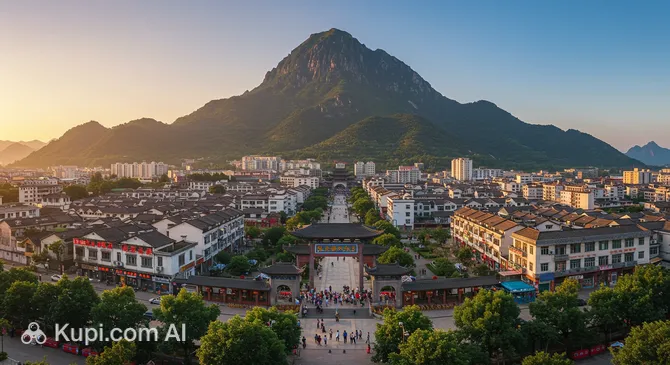
Gaozhou is a fascinating destination in southern China, located in Guangdong Province. The city offers a harmonious blend of a relaxed provincial pace and a profound cultural heritage. With a population of about 1.4 million, it serves as an important administrative center where modern life is closely intertwined with the centuries-old traditions of Southern China.
Gaozhou. Illustration.
Source: Kupi.com AI
Founded in ancient times, the city gained particular significance during the Sui Dynasty. To better understand how the region's character was shaped, it is worth looking into the historical past of Gaozhou, as it was here that one of the key prefectures of that era was established. Today, the city attracts travelers with its authenticity, offering a glimpse of the "real" China away from the noise of the megacities.
Geographically, Gaozhou is situated in a picturesque area rich in tropical greenery. The city is famous for its fertile lands, which produce some of the region's finest lychees and mangoes. Visiting local markets and strolling through old quarters that have preserved the spirit of past eras make a trip here truly memorable. We invite you to discover this welcoming place, where every stone breathes history.
Weather Overview
The climate of Gaozhou is typical of Southern China and is characterized as humid subtropical. Long, hot, and humid summers await you here, along with mild, short winters. The average annual temperature stays within 22–24°C, making the region green year-round. If you are planning a trip, keep in mind that the weather in Gaozhou is heavily influenced by the monsoon season.
The hottest months are July and August, when the thermometer often rises to 32°C and above, and humidity reaches its peak. The period from May to September is characterized by heavy rainfall. In contrast, winter in Gaozhou is very pleasant: in January, the average temperature is about 17°C, and rain is rare. Expect sunny and dry weather in late autumn and early winter, which is ideal for sightseeing.
Average monthly temperature
Average monthly precipitation
Interesting Facts
Gaozhou is a city full of hidden treasures and amazing stories. Here are a few facts to help you get to know this region better:
The city's administrative history began as far back as 591 AD during the Sui Dynasty, when Gaozhou became the center of a vast prefecture.
The city is officially considered one of the primary "homes of lychees" in China; some fruit trees in local orchards are over a thousand years old.
The architecture of Gaozhou was heavily influenced by Hakka culture, which is evident in the specific style of fortified house construction.
Local legends say that important branches of trade routes passed through Gaozhou in ancient times, connecting inland China with southern ports.
The city is famous for its master wood and stone carvers, whose works adorn the oldest temples in Guangdong Province.
How to Get There
The accessibility of Gaozhou makes it a convenient destination for those already traveling through the south of the country. Despite the lack of its own airport for civilian flights, the city is integrated into the well-developed transport network of Guangdong Province. Most tourists arrive here via neighboring major transport hubs.
The nearest major international air hub is Guangzhou Baiyun Airport (CAN). It is located approximately 250 kilometers away, and from there, Gaozhou can be reached in a few hours by bus or high-speed train with a transfer in Maoming. You can also consider Zhanjiang Airport, which is somewhat closer.
Rail travel is the most reliable way to reach the city. Gaozhou Railway Station receives trains from various cities across the province. A trip on a high-speed train from Guangzhou takes between 3 to 4 hours, allowing you to comfortably watch the changing landscapes of Southern China. You can check route information by looking into the details on traveling to Gaozhou.
For those who prefer driving, the G15 and G78 expressways pass through the region. Intercity buses from Maoming and other neighboring cities run regularly, providing a budget-friendly and frequent connection to the county's administrative center.
Main Attractions
The main attractions of Gaozhou are inextricably linked to its status as an ancient administrative center. Strolling through the historical district, you can see the remains of fortifications and buildings from the Sui Dynasty. Traditional temples, with their exquisite carvings and curved roofs, are living architectural monuments reflecting the city's thousand-year journey of development.
Of particular interest to tourists are the authentic Hakka villages located in the surrounding areas. Here, traditional houses with unique layouts have been preserved, and the century-old way of life is still maintained today. Getting to know the daily lives and crafts of the local residents allows for a deeper appreciation of the cultural diversity of Guangdong Province.
The natural landscapes around the city are equally impressive. Picturesque hills and river valleys are ideal for hiking. Be sure to visit the local fruit orchards—a walk among the blooming or fruiting lychee trees will provide plenty of positive emotions and great shots for your photo album. Ancient city gates and surviving sections of walls complete the atmosphere of this historical site.
Local Cuisine
The culinary traditions of Gaozhou are an integral part of the famous Cantonese cuisine, yet they possess their own unique local traits. The main emphasis here is on the freshness of ingredients and preserving their natural flavor. One of the region's iconic dishes is "Bai Jun Tang"—a rich white chicken soup that locals value for its nutritional and medicinal properties.
Seafood lovers should try the fried fish with young ginger, while connoisseurs of unusual delicacies might enjoy braised duck feet prepared according to ancient recipes. The city's gastronomic scene is unthinkable without street food: at the evening markets, be sure to try seafood wok dishes and various stuffed rice dumplings.
Fresh fruit teas are incredibly popular in Gaozhou. During the season, they are made from the famous local lychees and longans, creating a uniquely refreshing taste. You can also find light homemade rice wines here. The best places for lunch are small family-run restaurants in the center, where recipes are passed down from generation to generation.
Travel Tips
A trip to Gaozhou will provide you with many unique experiences, and these practical tips will help make your journey as comfortable and safe as possible.
Clothing and Season: The best time to visit is March-April or October-November. Bring light clothing made from natural fabrics, but don't forget an umbrella and repellent, as the subtropical climate involves humidity and insects.
Transport: It is most convenient to get around the city by taxi using the Didi app. For trips to the suburbs, use local buses, but save the destination name in Chinese beforehand.
Finance: Cash Yuan is a must in Gaozhou. International cards (Visa/Mastercard) rarely work; it is optimal to set up Alipay or WeChat Pay linked to your card.
Language and Communication: English is practically not spoken here. Be sure to download an offline translator and carry a hotel card with the address in characters.
Health: Drink only bottled water. Pharmacies are common, but it is better to bring specific medications with you.
Etiquette: It is customary to remove your shoes when entering a private home. Show respect to elders and always ask permission before photographing local residents in traditional villages.
What to Avoid: Do not engage in political discussions and try not to show excessive emotion in public places—restraint is valued here.
Connectivity: Buy a local SIM card at your arrival airport (for example, in Guangzhou), as finding a sales point for foreigners in Gaozhou itself may be more difficult.
Gaozhou is a place where sincere hospitality and ancient history create a unique atmosphere. We wish you a pleasant and inspiring journey!
Entertainment & Nightlife
Entertainment in Gaozhou is primarily traditional and relaxed, making it ideal for those looking to escape the hustle and bustle. The city's evening life is centered around the main squares and embankments where locals gather for walks. A popular leisure activity is visiting tea houses, where you can not only sample elite tea varieties but also observe a classic tea ceremony.
Nighttime activity is mostly represented by vibrant night markets, where life buzzes until late in the evening. Here you can find everything from exotic snacks to handmade souvenirs. For those seeking more active recreation, the city has karaoke bars (KTV), which are iconic leisure spots in China for spending time with friends. On holidays, light shows and folk performances are often held on the main streets.
Daytime can be dedicated to cultural enrichment by visiting local theaters, which occasionally host folk opera performances. Safety in the city is high, making even late-night walks through the well-lit central areas quite comfortable. For moving between venues at night, it is most convenient to use ride-hailing apps.
Parks & Museums
Parks and recreation areas in Gaozhou are true oases of tranquility where tropical nature meets classic Chinese aesthetics. City gardens are adorned with picturesque lotus ponds and elegant pavilions. In the morning, you can see locals practicing Tai Chi here, and during the day, families enjoy picnics in the shade of ancient trees.
For those interested in the region's past, the local Regional Museum is a must-visit. Its exhibits are dedicated to the history of the prefecture since the Sui Dynasty. It houses rare artifacts found during excavations, as well as everyday items and traditional costumes that tell the story of the life of Guangdong's rural communities over the centuries.
The city's surroundings offer excellent opportunities for ecotourism. Natural parks in the hills are crisscrossed with hiking trails that offer panoramic views of rivers and endless fruit plantations. These places are ideal for those who want to swap urban landscapes for the silence of wild nature and capture beautiful photos of South China's scenery.
Getting Around
The public transport system in Gaozhou is focused on the convenience of moving between residential quarters and administrative facilities. The main modes of transport are buses and minibuses. They cover all key areas of the city and connect the center with the suburbs. Fares are minimal, and daytime intervals usually do not exceed 15–20 minutes.
There is no metro or tram system in the city, but this is compensated for by the availability of taxis and private ride services. The Didi app is the most convenient way to call a car—it eliminates the need to explain the route to the driver in Chinese. Also, electric scooter and bike rental services are popular in central areas, which is very convenient for exploring the old quarters.
For trips to neighboring towns, it is most convenient to use the railway station or the bus station. Tourists should remember that bus tickets can be bought directly from the driver or at station ticket offices. Payment in municipal buses is most often made either in cash without change or via mobile apps, which have become firmly established in the daily lives of citizens.
Accommodation
For accommodation in Gaozhou, tourists most often choose modern mid-range hotels located in the central part of the city. You can find comfortable rooms in 3 and 4-star hotels belonging to Chinese chains. They offer a standard set of services, including breakfast and Wi-Fi, at very affordable prices.
If you want to experience the local flavor, look for small guesthouses in a traditional style. They are often located in renovated buildings and offer a more intimate atmosphere. Budget travelers will find hostels and inexpensive hotels near the railway station convenient for early departures.
During peak tourist seasons, especially during lychee harvest festivals, it is recommended to book accommodation in advance, as the city attracts many domestic tourists. In the vicinity of Gaozhou, countryside resorts oriented toward ecotourism and nature retreats are also beginning to appear, where you can enjoy the silence and views of tropical orchards.
Nearby Cities
Thanks to its location, Gaozhou serves as an excellent starting point for exploring interesting locations in Guangdong Province. Nearby cities offer a completely different experience—from seaside walks to immersion in the region's industrial life.
Just 30 kilometers away is Maoming, a major port city known for its beaches and seafood delicacies. A bus trip there takes about an hour. It is also worth noting Huazhou, famous for its cultural monuments, and Xinyi, where you can enjoy a more mountainous landscape and clean air.
Exploring the surroundings of Gaozhou will allow you to see the multifaceted nature of Southern China. Each of these destinations is easily accessible as a day trip, making your stay in the region rich and varied.
Shopping & Souvenirs
Shopping in Gaozhou primarily involves visiting traditional markets and the shops of local artisans. The city is not overwhelmed by giant shopping malls, which gives shopping here a special, authentic character. Main shopping activities are concentrated on the central streets, where modern stores sit side-by-side with old bazaars.
The main souvenir from this region is, undoubtedly, local agricultural products. During the season, tourists try to take home fresh or dried lychees, as well as local tea, which is famous for its aroma. Also, look out for handmade items from Hakka craftsmen—textiles with traditional embroidery and woven goods make unique gifts.
Shops in the city usually operate from early morning until 9-10 PM. It is best to have cash (Yuan) for payments, as international cards are not accepted everywhere, although QR-code payment systems (Alipay, WeChat Pay) are widespread. Don't forget to check out the food markets—they are the best place to experience the color of local life.