Support

Rosenborg Castle

About

Rosenborg Castle is a true Renaissance gem located in the heart of Copenhagen, the capital of Denmark. This magnificent castle was built in the early 17th century by order of King Christian IV and originally served as his summer residence. Today, it is one of the country's most significant historical and architectural landmarks, attracting visitors from all over the world.
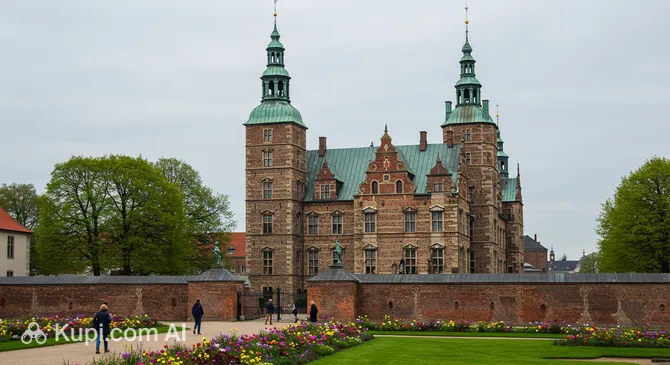
Rosenborg Castle. Illustration.
Source: Kupi.com AI

Traveler photos:

The castle's exterior is a striking example of Dutch Renaissance architecture. The red brick facade, elegant towers, and exquisite decorative details create a unique and memorable image. Walking around the castle, you can spend hours admiring its harmonious proportions and the craftsmanship of ancient architects.

Nowadays, Rosenborg Castle functions as a museum, housing an invaluable collection of royal treasures. Here you can see the dazzling royal regalia and jewels of the Danish monarchs, as well as get acquainted with everyday items and art that belonged to the royal family over several centuries. The exhibition allows you to literally touch history and feel the spirit of past eras.

The castle is surrounded by the King's Garden (Kongens Have) — the oldest and one of the most visited parks in Copenhagen. It is a wonderful place for a leisurely stroll after visiting the museum. Neat alleys, well-kept lawns, and shady corners make the garden an ideal resting spot for both tourists and locals.

Contacts

To plan your visit, check current opening hours, or learn about temporary exhibitions, you can contact the Rosenborg Castle administration. The most up-to-date information is always available on the museum's official website.

How to contactContact
AddressØster Voldgade 4A, 1350 København, Denmark
Phone number+45 33 15 32 86
Websitewww.kongernessamling.dk

What to Do

The main reason to visit Rosenborg Castle is the opportunity to see the Danish Crown Jewels. The castle halls display a unique collection of royal artifacts, including magnificent crowns and scepters, sparkling jewels, and other symbols of monarchical power. Additionally, you can see personal items belonging to the castle's founder, King Christian IV, and other members of the dynasty, allowing for a deeper immersion into Danish history.

The Long Hall, also known as the Knight's Hall, deserves special attention. Its walls are decorated with magnificent tapestries depicting events from Danish history. In the center of the hall are the coronation thrones, which to this day are guarded by three impressive life-size silver lions — a symbol of royal power and one of the castle's most photographed attractions.

Don't forget to head down to the castle cellars, which house another relic — huge barrels of wine dating back to the 17th century. Surprisingly, this wine is still served at special royal receptions. After exploring the rich interiors, it is pleasant to walk through the adjacent King's Garden, enjoying the peace and beauty of the ancient park.

Getting There

Rosenborg Castle is conveniently located in the very heart of Copenhagen, making it easily accessible for travelers. Due to its central position, it is a pleasant walk from many other key attractions in the capital of Denmark. The castle is part of popular tourist routes, so you will likely find it easily during your exploration of the city.

One of the most convenient ways to reach the castle is by public transport. The nearest major metro and train station is Nørreport. From here, Rosenborg is just a leisurely 5–10 minute walk away. Additionally, several city bus routes stop near the castle, making it easy to reach from almost anywhere in the city.

If you prefer to explore Copenhagen on two wheels, like many locals do, there is great news: there are convenient bicycle parking areas near the castle. This makes a visit to Rosenborg even more comfortable and allows you to seamlessly fit it into your itinerary through one of the most bicycle-friendly cities in the world.

Nearest city: Copenhagen

History & Facts

The history of Rosenborg Castle is inextricably linked with one of Denmark's most active and beloved monarchs — King Christian IV. Construction began in 1606 when the king decided to build a small summer pavilion outside Copenhagen's then city walls. Christian IV, who was passionate about architecture, personally participated in the design of his "castle of roses," giving the building its unique character. Originally conceived as a modest country estate, Rosenborg was expanded several times and by 1624 acquired its current magnificent Dutch Renaissance appearance, becoming the king's favorite residence, where he passed away in 1648.

Rosenborg's uniqueness lies in its remarkable preservation. Unlike many other royal palaces in Europe, it never suffered serious destruction or fires, allowing it to reach us in virtually its original form. Although monarchs stopped using it as a permanent residence after 1710, preferring more modern palaces, Rosenborg remained a repository for royal treasures. The royal family returned here only in emergencies, such as after the fire at Christiansborg Palace in 1794. Thanks to this, the castle was converted into a museum as early as 1838, opening its doors to the public.

Over time, Rosenborg transformed from private chambers into a public treasury, introducing visitors to 400 years of Danish monarchy history. Among the many artifacts displayed in its halls are items testifying to the kingdom's international ties. For example, it houses a gilded bust of the Russian Tsar Peter I, created by the famous sculptor Rastrelli — a gift commemorating historical relations between Denmark and Russia. This and many other exhibits make a visit to the castle not just an inspection of old interiors, but a true immersion into a rich and multifaceted history.

Time Needed

When planning a visit to Rosenborg Castle, it is worth setting aside about 2–3 hours for the tour. This time is usually enough to immerse yourself in the atmosphere of the Danish monarchy without rushing, see the main exhibitions, and stroll through the picturesque King's Garden. This timeframe includes touring the castle's luxurious halls, where royal family art and everyday items are displayed, as well as visiting the treasury in the basement, which houses Denmark's famous royal regalia.

If you are limited on time, you can focus on the essentials: the treasury with the crowns and the Knight's Hall. Such an express tour will take about 1–1.5 hours. However, to fully enjoy the history told by every corner of this place and to take a leisurely walk through the alleys of the oldest royal park in Copenhagen, it is better to allocate half a day. This way, you can examine the interior details without haste, read the exhibit descriptions, and take beautiful souvenir photos.

Working Hours

Rosenborg Castle is open to the public year-round, but opening hours may vary depending on the season. Generally, during the peak tourist season (from approximately May to October), the castle welcomes guests daily, usually from 10:00 to 16:00 or 17:00, while in the winter months, the schedule may be reduced with possible closing days. Given the popularity of this site, it is highly recommended to check the current schedule on the castle's official website just before your visit to avoid any unpleasant surprises.

To guarantee entry and avoid wasting time in lines, especially during the height of the tourist season, you should consider purchasing tickets online in advance. This is not only convenient but also allows you to better plan your day in Copenhagen. On the official website, you can also find information about the necessity of advance booking for groups and special events that may affect access hours to the castle.

DayOpening hours
Monday9:00 – 17:00
Tuesday10:00 – 17:00
Wednesday10:00 – 17:00
Thursday10:00 – 17:00
Friday10:00 – 17:00
Saturday10:00 – 17:00
Sunday10:00 – 17:00

Nearby

A visit to Rosenborg Castle is just one part of a fascinating journey through the historical center of Copenhagen. Thanks to its prime location, the castle is surrounded by many other iconic sites within walking distance. Exploring the surrounding area will allow you to dive deeper into the atmosphere of the Denmark capital and gain a more complete understanding of its cultural and historical wealth.

A walk through this district turns into a real open-air excursion. Just a few minutes' walk away, you will find famous museums, picturesque parks, and architectural masterpieces. It is a great opportunity to combine a visit to the royal treasury with seeing other attractions without spending much time on travel.

NameDistance
National Gallery of Denmark0.3 km
The Round Tower0.5 km
The Memorial Anchor0.9 km
La Fontaine0.9 km
Amalienborg Palace1 km
Design Museum Denmark1 km
Christiansborg Palace1.1 km

Have you reached the end of the page?

So the route has been studied inside and out