Support

National Museum of Denmark

About

The National Museum of Denmark, located in the heart of Copenhagen, is the largest and most important museum of cultural history in Denmark. This iconic landmark offers visitors a unique opportunity to immerse themselves in the country's rich history and culture, from ancient times to the present day.
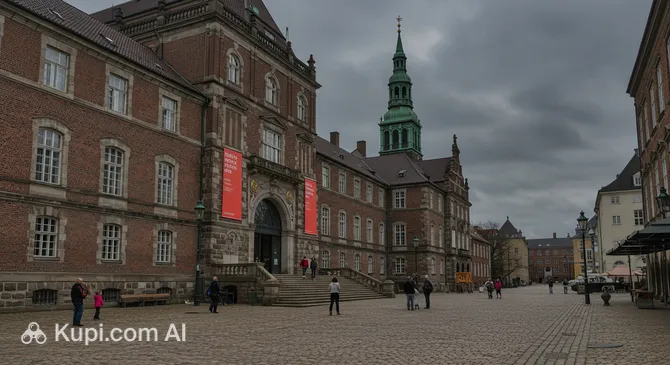
National Museum of Denmark. Illustration.
Source: Kupi.com AI

Traveler photos:

The museum itself is housed in a magnificent building with its own historical value. This is a former royal palace, built in 1743 for King Frederick V in the exquisite Rococo style. Walking through its halls is an encounter with history in itself.

The collection of the National Museum of Denmark is truly impressive. Its origins date back to the 17th century and the Royal Kunstkammer, and the museum opened its doors to the public in its current building in 1892. The exhibitions span a vast period, presenting artifacts that tell the story of Danish life from prehistoric eras, the Viking Age, and the Middle Ages to modern society.

For any tourist interested in Denmark's past and present, a visit to the National Museum will be an unforgettable experience. It is not just a collection of exhibits, but a fascinating journey through the centuries, allowing for a deeper understanding of Danish identity and heritage.

Contacts

To find current information about opening hours, ticket prices, and special events at the National Museum of Denmark, we recommend visiting its official website. Details can also be confirmed at tourist information centers in Copenhagen or directly on-site before your visit.

How to contactContact
AddressNy Vestergade 10, 1471 København K, Denmark
Phone number+45 33 13 44 11
Websitenatmus.dk

What to Do

At the National Museum of Denmark, visitors embark on a fascinating journey through the centuries, exploring not only the rich history of Denmark itself but also encountering amazing artifacts collected from all over the world. One of the intriguing exhibitions includes finds from South America which, according to researchers, suggest a Viking presence on that continent long before the era of Columbus. This provides a unique opportunity to look at the history of seafaring and discovery from a new perspective.

Among the many exhibits, some are particularly memorable and spark keen interest. Imagine a medieval mini-skirt discovered by archaeologists—vivid evidence of the fashion and daily life of past eras! Equally impressive is an ancient ritual chariot made in the shape of the sun, which immerses you in the world of beliefs and rituals of ancient inhabitants. For fans of later periods, Victorian interiors have been recreated with striking accuracy, allowing you to feel the atmosphere of the 19th century.

In addition to this, the museum traditionally presents extensive collections of ancient art, where you can admire ancient Greek and Roman statues, as well as everyday objects telling the story of the daily lives of great civilizations. The exhibitions at the National Museum of Denmark are structured to guide visitors sequentially through various historical eras—from the oldest archaeological finds, the Viking and Medieval periods, right up to the modern day, showcasing a vast collection of artifacts.

Getting There

The National Museum of Denmark is conveniently located in the heart of Copenhagen, making it easily accessible for visitors. Thanks to its central position, reaching the museum is simple, regardless of which part of the city you are staying in.

One of the most convenient ways to reach the National Museum of Denmark is via public transport. Copenhagen is famous for its efficient transport system. Numerous bus routes have stops in the immediate vicinity of the museum. Metro and S-train (city rail) stations are also within walking distance, allowing for quick travel from various city districts and even the suburbs. Before your trip, it is recommended to check the most suitable routes and current schedules on the official websites of Copenhagen transport services or via mobile planning apps.

For those who prefer active exploration "on two feet," walking to the museum from central Copenhagen is an excellent choice. The city is very pedestrian and cyclist-friendly, and you can enjoy the views and other sights along the way. Additionally, you can always use taxi services or popular ride-hailing apps, which will comfortably take you directly to the entrance of the National Museum of Denmark.

Nearest city: Copenhagen

History & Facts

The building that houses the National Museum of Denmark today is a historical gem in its own right. It was built in 1744 not just as an ordinary structure, but as a palace for Crown Prince Frederick V, the future King of Denmark. Although the palace has undergone changes since then and has long ceased to be a royal residence, an observant visitor can still see traces of its aristocratic past in the architecture and interior decor of some halls, which preserve an 18th-century atmosphere.

Although the museum's doors in this magnificent building opened to the public only in 1892, the history of its unique collection goes much deeper. The foundation of the collection was laid as far back as the 17th century in the form of the Royal Kunstkammer—a cabinet of curiosities where monarchs gathered rare art objects, scientific instruments, and natural artifacts. Thus, the exhibits you see today are the result of centuries of collecting and research, reflecting the changing interests and knowledge of Danish society.

One of the notable facts highlighting the museum's significance is the immense contribution of Danish archaeologists to its holdings. Over many years, their tireless research and excavations throughout Denmark and beyond have significantly enriched the collections. For instance, Danish scholars during large-scale excavations conducted from 1931 to 1938 were able to provide convincing evidence that some settlements in modern-day Denmark were inhabited as early as the Neolithic era, around 6000 BC, and existed continuously for millennia. These discoveries allowed for a fresh look at the ancient history of the region and became an important part of the museum's exposition.

Time Needed

When planning a visit to the National Museum of Denmark, it is worth setting aside enough time to truly immerse yourself in its rich collections. For a thorough exploration of the main exhibitions covering the history of Denmark from antiquity to the present day, as well as ethnographic collections from around the world, it is recommended to plan for at least 3-4 hours. This will allow you to view the key artifacts without rushing and get a general sense of the museum's diversity.

If your time is limited, you can focus on the periods or sections that interest you most. For example, exhibitions dedicated to the Viking Age or the Danish Middle Ages can take about 1.5-2 hours of careful viewing. Many visitors also pay special attention to the ethnographic collections or exhibitions dedicated to later periods of Danish history. In such cases, you can manage in a shorter time by choosing your priority halls.

Ultimately, the time needed to visit the National Museum of Denmark is an individual matter. History enthusiasts wishing to study every exhibit in detail and read all the information panels could spend a full day here. For those who want to get a general impression and see the most iconic items, a few hours will be sufficient. In any case, this is a place that leaves a deep impression and a desire to return to discover something new in its vast halls.

Working Hours

The National Museum of Denmark in Copenhagen is usually open to visitors year-round; however, exact opening hours may vary depending on the season, day of the week, and public holidays. Since specific information on operating hours is not provided, it is strongly recommended to check the official website of the National Museum of Denmark or refer to current Copenhagen travel guides before your visit. This will help you plan your visit and avoid potential inconveniences.

Regarding ticket purchases, for popular attractions like the National Museum of Denmark, it is often recommended to book tickets online in advance, especially if you plan to visit during the peak tourist season. This will save time and guarantee entry. Information regarding the need for pre-booking and available time slots is also best checked on the museum's official website.

10:00 – 17:00

Nearby

Visiting the National Museum of Denmark is undoubtedly a highlight of your journey through Copenhagen. However, to make your experience even richer and more complete, it is worth paying attention to the attractions located in the immediate vicinity. Exploring the surrounding area will allow you to dive deeper into the city's atmosphere and discover new interesting places, complementing your impressions of the museum.

The area around the National Museum of Denmark is rich in cultural sites, cozy corners, and iconic Copenhagen landmarks. A short walk can lead you to other museums, historic buildings, or simply picturesque streets, each telling its own story. Below is a list of some interesting places located nearby.

NameDistance
Bastard Café0.2 km
Ny Carlsberg Glyptotek0.2 km
Huset-KBH0.2 km
La Fontaine0.3 km
Tivoli Gardens0.4 km
Christiansborg Palace0.4 km
The Old Stock Exchange0.6 km

Have you reached the end of the page?

So the route has been studied inside and out