Support

El Museo del Cacao

About

In the historical heart of Guayaquil, there is a unique space celebrating one of the country's main symbols. The Cocoa Museum (El Museo del Cacao) is a specialized center dedicated to the rich history, cultivation traditions, and production secrets of the chocolate that Ecuador is so famous for.
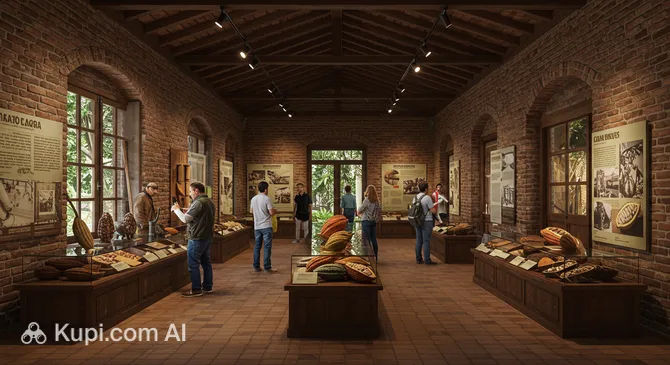
Cacao Museum
Cacao Museum. Иллюстрация. Источник: Kupi.com AI

The museum is housed in a magnificently restored early 20th-century mansion designed by the famous architect Francesco Maccaferri. The Art Nouveau building is a work of art in itself, while modern interactive exhibits are hidden inside. Here, the journey of cocoa is traced from a simple bean on a tropical tree branch to an exquisite bar of premium chocolate.

Thanks to its high ratings and glowing reviews, this place has become a must-visit on any tourist's itinerary. The museum harmoniously combines its educational mission with entertaining elements, highlighting the vital role of cocoa in the economic and cultural development of the region.

Contacts

To plan your visit to the Cocoa Museum, you can use the official contact details. It is recommended to check the website for information before visiting.

How to contactContact
AddressImbabura 201, Guayaquil 090313, Ecuador
Websitewww.museocacao.com

What to Do

A visit here turns into a true interactive adventure. Guests can see the entire process of cocoa bean processing with their own eyes: from the stages of fermentation and drying to their transformation into a smooth chocolate mass. Of particular interest are the collections of antique tools and videos showcasing the painstaking work of farmers on plantations.

One of the most popular activities at the Cocoa Museum is tasting. Here, you can sample various types of dark chocolate, appreciate the unique taste of a natural hot drink, and purchase handmade chocolate products. For those who want more immersion, special workshops are held where you can try creating your own treat under the guidance of experts.

The museum is great for families: sensory zones and interactive elements will interest children, while themed photo zones allow for bright souvenir photos. At the end of the tour, it's worth stopping by the local gift shop to take home a piece of Ecuadorian tradition in the form of the world's best cocoa.

Getting There

The attraction is located in the very heart of the city at Imbabura 201, in close proximity to the historic district and the scenic Malecón 2000 waterfront. If you are staying in the central part of the city, a walk from Plaza Grande or the Municipal Museum will take only 10–15 minutes.

For those arriving from Guayaquil International Airport, a taxi ride will take about 20–30 minutes. Travelers are recommended to use verified services such as Uber or InDriver for comfort and safety. The drive from hotels located along the waterfront will take no more than 5–10 minutes.

The Imbabura area can also be reached by public transport. City bus routes heading to the center (Centro) stop within walking distance of the museum. However, keep in mind that traffic on central streets can be heavy during peak hours, so walking or taking a taxi is often a more convenient option.

Ближайший город: Guayaquil

History & Facts

The history of the Cocoa Museum is inextricably linked with the economic development of Guayaquil. Since colonial times, cocoa, along with bananas and coffee, has turned this region into a thriving trade hub. The port at the mouth of the Guayas River became a key gateway for exporting "golden beans," which contributed to the city's rapid growth and attracted foreign investment.

The museum's displays clearly demonstrate the evolution of production: from the traditions of ancient pre-Hispanic cultures to the large-scale plantations of the 19th and 20th centuries. Special attention is paid to the heyday of Ecuadorian haciendas, where special barns were built for drying beans, and the aroma of cocoa became a symbol of national heritage.

The museum building itself is an important architectural monument. Built in the Art Nouveau style based on the design of the famous architect Francesco Maccaferri, it embodies the wealth and aesthetics of the early 20th century, when the cocoa trade was at its peak. The museum carefully preserves this legacy, connecting the region's history with the global chocolate market.

Time Needed

For a standard tour of all the Cocoa Museum exhibits, visitors usually need 1.5 to 2 hours. This is enough time to leisurely explore the historical artifacts, watch informative videos, and learn about the chocolate-making process.

If you plan to participate in chocolate-making workshops or want to spend more time in the tasting area, we recommend setting aside about half a day for your visit. This will allow you to fully immerse yourself in the atmosphere without rushing and enjoy the flavor nuances of Ecuadorian cocoa.

Working Hours

The Cocoa Museum is open to visitors from Tuesday to Sunday. Please note that the museum is closed on Mondays, which should be taken into account when planning your sightseeing route in Guayaquil.

Operating hours for the rest of the week (Tuesday – Sunday) are from 10:00 AM to 5:00 PM. This is a convenient time for a visit, allowing you to combine the museum trip with lunch in the city center or an evening walk.

DayWorking hours
ПонедельникЗакрыто
Вторник10:00 – 17:00
Среда10:00 – 17:00
Четверг10:00 – 17:00
Пятница10:00 – 17:00
Суббота10:00 – 17:00
Воскресенье10:00 – 17:00

Nearby

The Cocoa Museum's location in the historical center allows tourists to easily add other interesting locations to their itinerary. Exploring the surroundings will help you dive deeper into the atmosphere of the port city and find entertainment for every taste.

Below are some notable sites and parks located in the vicinity:

NameDistance
La Perla Ferris Wheel0.3 km
Basilica of Our Lady of Mercy0.3 km
La Rotonda Hemicycle0.5 km
Anthropology and Contemporary Art Museum0.5 km
Malecon 20000.5 km
Church of San Francisco0.5 km
Firefighters Museum0.6 km

Reached the end of the page?

That means the route is fully explored