Support

National Museum of Ecuador

About

Located in the heart of Quito, the National Museum of Ecuador (Museo Nacional del Ecuador) offers a unique window into the past of this South American nation. It is more than just a collection of exhibits; it is a living chronicle of the development of human thought and craftsmanship, spanning millennia — from mysterious pre-Columbian civilizations to vibrant contemporary art.

In its halls, the museum houses the rich cultural heritage that Ecuador is rightfully proud of. Here you can find rare archaeological discoveries, ceramics, stonework, and breathtaking objects made of gold and silver created by ancient masters. The exhibition is designed so that visitors can trace the continuity of traditions among the many peoples who inhabited these lands.
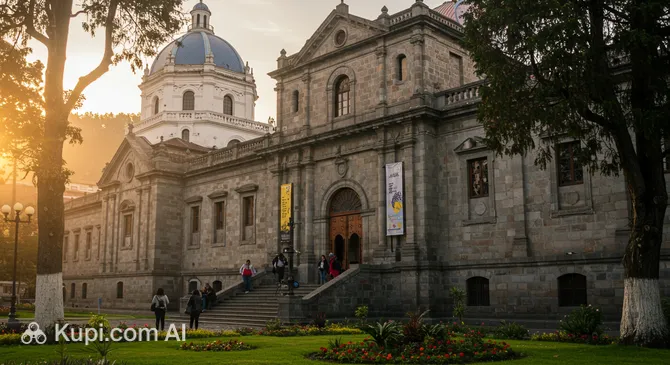
National Museum of Ecuador
National Museum of Ecuador. Иллюстрация. Источник: Kupi.com AI

The museum is considered one of the region's most significant cultural institutions. Despite its intimate feel, it surprises with the quality of its collection and the depth of its presentation, making history accessible and fascinating for every tourist. A visit here is a must for those who want to understand the country's soul and touch its origins.

Contacts

To find out current information about special exhibitions or to book group tours, you can use the museum's official communication channels.

How to contactContact
AddressAvenida Patria (between, Edificio de los Espejos, Av. 6 de Diciembre, Quito, Ecuador
Phone+593 96 854 0043
Websitewww.culturaypatrimonio.gob.ec

What to Do

The main attraction for visitors is traditionally the halls featuring gold and silver artifacts. Here, you can see ritual masks, jewelry, and cult objects that demonstrate the incredible level of jewelry-making skill of ancient Indigenous peoples. Looking at these treasures, it is easy to imagine the significance gold held in the lives and beliefs of pre-Columbian societies.

In addition to precious metals, the museum presents impressive collections of ceramic figurines and everyday items. They allow you to literally peek behind the scenes of the daily lives of people who lived hundreds and thousands of years ago. Each figure or vessel carries information about the fashions, customs, and social structures of cultures long gone.

For those wanting to get the most information, the services of professional guides are recommended. Guides will help decode the symbolism of ancient ornaments and tell the amazing stories behind each major exhibit. Also, don't forget to check the temporary exhibition schedule — the museum often hosts interesting contemporary projects and lectures.

Getting There

Thanks to its central location, the National Museum of Ecuador is easily accessible for tourists. The simplest and most comfortable way to get here is by taxi. The ride from the historic center takes very little time, and drivers know the Edificio de los Espejos building, which houses the exhibition, very well.

For those who prefer public transport, the main bus routes connecting different parts of the city pass near the museum. The nearest stops are located on Avenida Patria and 6 de Diciembre avenues. You can also use the metro system or rapid transit buses, followed by a short walk from the nearest hub stations.

When planning your route, remember that Quito is located at a significant altitude above sea level. If you decide to walk to the museum from nearby attractions, do so at a relaxed pace to avoid discomfort from the thin mountain air.

Ближайший город: Quito

History & Facts

The National Museum of Ecuador was founded as the primary guardian of the nation's cultural code. Its mission is to collect, study, and display priceless evidence of human activity on these lands. The museum's collections are the result of decades of archaeological research and the careful preservation of art objects that might otherwise have been lost forever.

Of particular value are artifacts belonging to pre-Columbian civilizations. The history of the ancient Quito and Shyri cultures, which flourished in this region long before the arrival of the Spanish conquistadors, comes to life in the museum's halls. These exhibits allow visitors to trace the complex social structure and deep spiritual beliefs of the indigenous peoples.

Throughout its existence, the museum has undergone several stages of large-scale renovation. Each update has transformed it into a more modern and interactive space, meeting international museum standards. Despite temporary closures to improve storage conditions, the museum consistently reopens its doors, remaining the country's most important educational and scientific center.

Time Needed

To immerse yourself in the atmosphere of ancient civilizations and examine unique jewelry without rushing, most visitors need 1.5 to 2 hours. This is quite enough time to view the main collection and temporary exhibitions.

If you are an archaeology enthusiast or plan to join a detailed guided tour, it's worth setting aside a bit more time — about half a day. This way, you can study the information stands in detail and feel the significance of each artifact presented.

Working Hours

When planning your visit to the National Museum of Ecuador, please note that the museum is closed to visitors on Mondays. On other days, the doors are open according to the following schedule:

  • Tuesday – Saturday: 10:00 AM to 5:00 PM
  • Sunday: 10:00 AM to 4:00 PM

Please note that entry usually stops half an hour before closing. On public holidays and during special government events, the schedule may change, so it's worth checking the information on the official website before your trip.

DayWorking hours
ПонедельникЗакрыто
Вторник10:00 – 17:00
Среда10:00 – 17:00
Четверг10:00 – 17:00
Пятница10:00 – 17:00
Суббота10:00 – 17:00
Воскресенье10:00 – 16:00

Nearby

The area around the museum offers many interesting locations to help make your day in the capital even more fulfilling. A walk through nearby parks and cultural centers will allow you to better feel the modern rhythm of the city and enjoy its natural beauty.

Exploring the surroundings is a great way to see the contrast between the ancient artifacts within the museum walls and the dynamic development of a modern metropolis under the open sky.

NameDistance
House of Ecuadorian Culture0.1 km
La Mariscal Artisan Market0.3 km
El Ejido Park0.4 km
General Rumiñahui Coliseum0.7 km
Café Quito1.2 km
Contemporary Art Center of Quito1.3 km
Paccari Experience House1.6 km

Reached the end of the page?

That means the route is fully explored